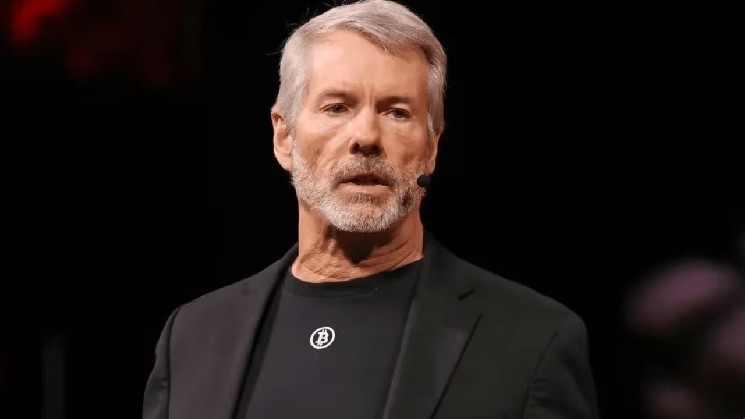
Tether планирует инвестировать €1 млрд в Neura — стартап в области ИИ-робототехники

cryptonews.ruPublicado a 2025-11-23Actualizado a 2025-11-23

Компания Tether, крупнейший в мире эмитент стейблкоинов USDT, выходит за пределы традиционной криптоинфраструктуры и готовит одну из самых амбициозных инвестиций за свою историю. По данным Financial Times, Tether планирует вложить 1 млрд евро в технологический стартап Neura, специализирующийся на разработке робототехнических систем с применением искусственного интеллекта.

Neura — молодой, но стремительно развивающийся проект, сосредоточенный на создании автономных роботов нового поколения, способных выполнять задачи, которые сейчас считать возможными только для человека. Компания разрабатывает:

  • автономные роботизированные платформы;

  • системы машинного зрения;

  • программное обеспечение для адаптивного обучения роботов;

  • технологии взаимодействия ИИ с физическими устройствами.

Проект позиционирует себя как разработчик «универсальных» робототехнических систем, которые смогут работать в производстве, логистике, медицине, безопасности и других критически важных сферах.

Шаг Tether отражает стратегию компании по расширению за пределы мира стейблкоинов и одновременному укреплению влияния в высокотехнологичных секторах. В последние два года Tether активно инвестирует в:

  • инфраструктуру искусственного интеллекта,

  • центры обработки данных,

  • разработку аппаратного ИИ,

  • телеком-проекты и компании в сфере возобновляемой энергетики.

Инвестиция в Neura станет одной из крупнейших и подчёркивает стремление Tether создавать не только финансовые продукты, но и технологические решения, способные работать в реальном мире.

Если сделка будет завершена, Neura получит финансовую поддержку, которая позволит ей ускорить разработку роботизированных систем, а Tether — укрепить позиции как глобального инвестора в технологии нового поколения.

Это может стать одним из крупнейших технологических проектов, профинансированных компанией из криптоиндустрии.


Материал не является индивидуальной инвестиционной рекомендацией. Информация носит ознакомительный характер, любые решения вы принимаете на свой риск.

Lecturas Relacionadas

After semiconductors lead the gains, are funds buying into AI orders or a macroeconomic rebound?

After US-Iran talks led to a temporary ceasefire and framework for reopening the strategic Strait of Hormuz, U.S. stocks rose on June 18, with the Nasdaq gaining 1.9%. The semiconductor and AI hardware sectors outperformed. This rally stemmed primarily from reduced geopolitical risk, which lowered oil prices and inflation expectations, easing discount rate pressure on high-valuation growth stocks like tech. The key question is not whether tech rebounded, but the nature of the rebound. The market appears to be selectively repricing AI infrastructure plays rather than broadly chasing AI narratives. Gains were concentrated in chips, optical interconnects, memory, and domestic manufacturing—segments tied to tangible data center build-outs and capital expenditure. Intel's ~10% surge, fueled by a Trump statement about potential Apple collaboration, exemplifies this mixed dynamic. It reflects policy catalysts and domestic manufacturing sentiment more than confirmed fundamentals. Meanwhile, strong earnings from companies like Astera Labs (revenue up 93% YoY) provided concrete evidence of AI-driven demand in hardware. In essence, the rally represents a risk-premium recalibration. Lower Middle East tensions opened a valuation repair window, and capital flowed first into AI infrastructure segments with visible near-term revenue streams. The sustainability of this move hinges on upcoming Q2 earnings, specifically continued strength in cloud provider capex, AI server orders, and hardware company guidance. Policy hopes alone are insufficient; the cycle needs validation from orders and financials.

marsbitHace 2 min(s)

After semiconductors lead the gains, are funds buying into AI orders or a macroeconomic rebound?

marsbitHace 2 min(s)

The Entire Internet Hails Noam's Joining, But OpenAI's Loss Bill Just Got Thicker

While the AI community celebrates Noam Shazeer, co-author of the "Attention Is All You Need" paper, joining OpenAI as Head of Architectural Research, the company's audited financials reveal a starkly different reality. In 2025, OpenAI reported $13.07 billion in revenue but a massive $20.92 billion operating loss. Even excluding a one-time accounting charge, the cash burn is severe, with $3.7 billion consumed in Q1 2026 alone. This high-profile hiring occurs against a backdrop of significant internal research talent drain, with key founders and researchers departing as the company's focus shifts from exploratory research to product iteration. Meanwhile, OpenAI's fundamental business model faces a deep crisis. It paid Microsoft $10.59 billion for compute in 2025, while its vast user base of 9 billion weekly actives includes only 50 million paying customers, making growth a direct driver of escalating costs. The article argues Shazeer's recruitment is less about technical necessity and more about crafting a compelling narrative for OpenAI's upcoming IPO, aiming to justify a rumored $1 trillion valuation to future public market investors. It contrasts OpenAI's strategy with Anthropic's reported path to profitability, which relies on a strong enterprise customer base and cost control, rather than star-powered narratives. Ultimately, the piece concludes that while Shazeer's architectural work may take 1-2 years to materialize, OpenAI's financial clock is ticking much faster, with its massive losses undercutting the celebratory headlines.

marsbitHace 1 hora(s)

The Entire Internet Hails Noam's Joining, But OpenAI's Loss Bill Just Got Thicker

marsbitHace 1 hora(s)

Trading

Spot
Futuros
活动图片