TGE失败真相:做市商陷阱与代币经济学的致命漏洞

比推Publicado a 2025-11-14Actualizado a 2025-11-14

作者:Antonio Sco

编译:Luffy,Foresight News

原标题:为何 90% 的项目 TGE 都惨淡收场?


过去两年,我合作过 30 多个 Pre-TGE 项目,从中发现了三个意想不到的关键原因,正是这些因素导致大多数代币在 TGE 中惨败。

那些融资数百万美元的项目在重复同样的错误,我总结出了一些规律:失败的项目不会公开问题,只会忙着责怪他人;成功的项目也不会分享秘诀,只想独占所有功劳。

这就让新创始人陷入了迷茫,完全不知道该如何下手。那么,哪些是 TGE 的核心关键?缺少它们,TGE 就注定失败,因此创始人必须把大部分时间投入其中。

作为一家营销公司的创始人,我很不情愿承认,但答案不是营销。营销能放大良好的基本面,但如果没有坚实的基础,再华丽的营销也只是空中楼阁,一推就倒。
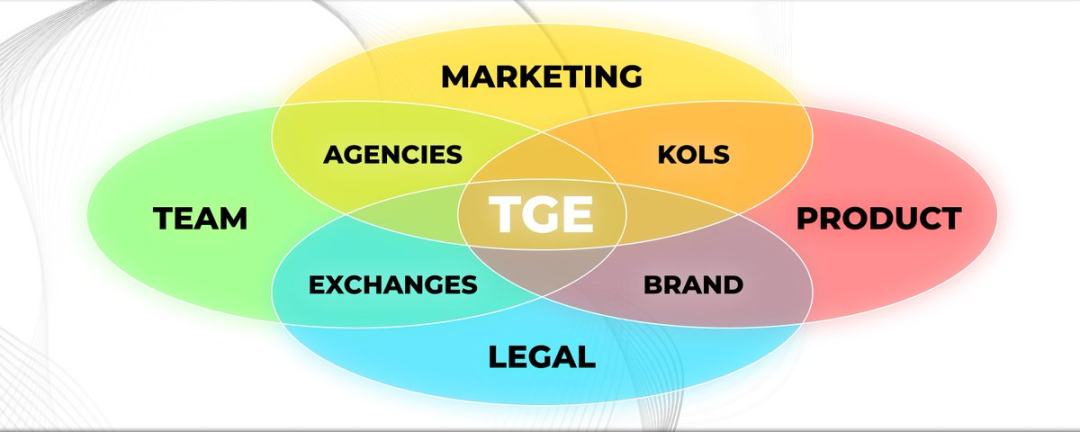
以下是三个很少被提及、却能摧毁 TGE 项目的核心因素。

做市商

选择做市商,本质上就像在玩俄罗斯轮盘赌:

  • 最好的情况:双方激励一致,有利润就共同分享;

  • 最坏的情况:他们在背后算计你,让你数年的心血付诸东流。

信息不对称的问题十分可怕,他们只会向你展示成功案例,绝口不提那些失败的经历。

那么,该如何选择做市商?99.9% 的情况下,你应该选择由你信任的项目方或直接合作过的人强力推荐的做市商。

不要相信陌生人的推荐,他们能从做市商那里拿到丰厚的推荐费,即便对方不靠谱,也会极力推荐。

一个重要提醒:项目失败了,承担后果的是你,不是他们。

就算你有最好的营销、最活跃的社区和最顶尖的团队,只要做市商让你的代币价格暴跌 50%,你也无力回天。

代币经济学

代币经济学也是同理,你和你的团队可能还没研究过 50 个代币模型,也没见过它们的实际效果。

你绝对不能照搬成功项目的代币经济学,就认为它对你也同样适用。投资者的目标和胃口一直在变,如果你想吸引他们买入,就必须随之调整。

同样,顾问只会给你看他们手中的成功案例,那些归零的项目你根本看不到。

额外补充一点:如果当前的代币经济学注定会搞垮你的项目,那就果断修改。

不要在乎:

  • 空投猎人会愤怒;

  • 社交媒体上的人会抱怨;

  • 种子轮投资者会不满。

如果按照当前的代币模型,一周后代币价格暴跌 90%,他们照样会不满,区别只是你会在三个月内倒闭。

显然,最好的解决方案是从一开始就避免这种情况,但正如一句古罗马谚语所说:「绝境需用险招」。

交易所上币

这一点是我最想强调的。做市商和代币经济学的问题只会在 TGE 后显现,但与交易所合作,是 TGE 前最痛苦、最危险的事情。

为什么痛苦?

  • 沟通极其困难;

  • 很难协调出一致的时间表;

  • 他们经常在最后一刻变卦,导致你不得不推迟 TGE。

为什么危险?

  • 掠夺性条款会拖垮你的项目;

  • 很多团队会被假代表诈骗;

  • 花费数百万美元上币,最终只引来卖压,没有任何买盘。

解决这个问题的最快方法:认识交易所内部人员,并且了解上币成本基准,避免被敲竹杠。

由于信息不对称,很多团队在初步谈判中就浪费了数十万美元。

结语

所有人都在等待更好的市场环境再启动 TGE,但如果以上三点你没做好,再好的市场也无法让你的代币站稳脚跟。作为创始人,你应该把主要精力放在这三件事上,同时监督团队其他成员做好各自领域的工作。


Twitter:https://twitter.com/BitpushNewsCN

比推 TG 交流群:https://t.me/BitPushCommunity

比推 TG 订阅: https://t.me/bitpush

说明: 比推所有文章只代表作者观点,不构成投资建议

Lecturas Relacionadas

$700 Billion Poured into AI, Americans Taste the Bitter Fruit of Inflation First

A Federal Reserve analysis from the St. Louis Fed argues that AI optimism itself is a driver of inflation. The "news shock" of AI's revolutionary potential causes households and businesses to increase spending and investment in anticipation of future gains, pushing demand beyond current supply and creating inflationary pressure. This is supported by a Deutsche Bank experiment where AI models (dbLumina, Claude, ChatGPT-5.2) assessed a 20-40% probability that AI would raise inflation in the next year, citing surging demand for data centers, semiconductors, and electricity. They saw only a 5% chance of AI significantly reducing inflation. Massive capital expenditure underscores this demand. Amazon, Microsoft, Google, and Meta are projected to spend a combined ~$663B in 2026, a fourfold increase in four years. A significant portion funds power-hungry data centers. For example, OpenAI's "Stargate" project plans a 10-gigawatt capacity, equivalent to the entire electricity load of 16 Vermont states. U.S. data center electricity consumption is forecast to triple by 2030. While AI could eventually boost productivity and be disinflationary long-term, current data shows no such productivity jump. The U.S. economy now faces a cycle: massive AI investment fuels inflation, delays interest rate cuts, raises financing costs—yet the investment continues to accelerate. The outcome hinges on whether these AI models will ultimately make the economy more efficient, a question that remains unanswered.

marsbitHace 37 min(s)

$700 Billion Poured into AI, Americans Taste the Bitter Fruit of Inflation First

marsbitHace 37 min(s)

What Kind of DeFi Does Wall Street Want?

Wall Street's vision for DeFi has shifted from simple asset tokenization to building a programmable, restructurable fixed-income infrastructure that enables yield financialization. The key driver is no longer retail speculation but institutional capital and Real-World Assets (RWA), with DeFi TVL surging from ~$115B to over $237B in 2025, while active wallets declined—indicating large, infrequent institutional inflows. RWA, now valued at $27.5B (up 2.4x YoY), is used as collateral in protocols like Aave Horizon, Maple Finance, and Centrifuge, creating an on-chain repo and rehypothecation flywheel. These structures function like institutional money-market funds, offering 4–6% yields from tokenized treasuries and stablecoin pools. Crucially, institutions are moving beyond holding assets to actively managing yield and risk. Protocols like Pendle Finance allow yield tokenization—splitting assets into Principal Tokens (PT) and Yield Tokens (YT)—enabling fixed-rate exposure, speculation, and on-chain interest rate hedging using mechanisms like yield AMMs. However, major barriers remain: public blockchain transparency exposes positions and liquidation levels, creating adversarial risks, and compliance (KYC, sanctions screening, audit trails) must be natively embedded into protocols—not added externally. Zero-knowledge proofs could offer a solution by enabling regulatory verification without leaking sensitive data. In summary, Wall Street wants a DeFi that integrates with global compliance infrastructure, replicates traditional fixed-income modularity for risk and return, and embeds programmable privacy and regulation—not to replace traditional finance, but to create a parallel system for more flexible capital and risk restructuring.

marsbitHace 1 hora(s)

What Kind of DeFi Does Wall Street Want?

marsbitHace 1 hora(s)

Trading

Spot
Futuros
活动图片