为何 90% 的项目 TGE 都惨淡收场?

深潮Publicado a 2025-11-13Actualizado a 2025-11-14

做好这些,是一个成功 TGE 的前提。

撰文:Antonio Sco

编译:Luffy,Foresight News

过去两年,我合作过 30 多个 Pre-TGE 项目,从中发现了三个意想不到的关键原因,正是这些因素导致大多数代币在 TGE 中惨败。

那些融资数百万美元的项目在重复同样的错误,我总结出了一些规律:失败的项目不会公开问题,只会忙着责怪他人;成功的项目也不会分享秘诀,只想独占所有功劳。

这就让新创始人陷入了迷茫,完全不知道该如何下手。那么,哪些是 TGE 的核心关键?缺少它们,TGE 就注定失败,因此创始人必须把大部分时间投入其中。

作为一家营销公司的创始人,我很不情愿承认,但答案不是营销。营销能放大良好的基本面,但如果没有坚实的基础,再华丽的营销也只是空中楼阁,一推就倒。
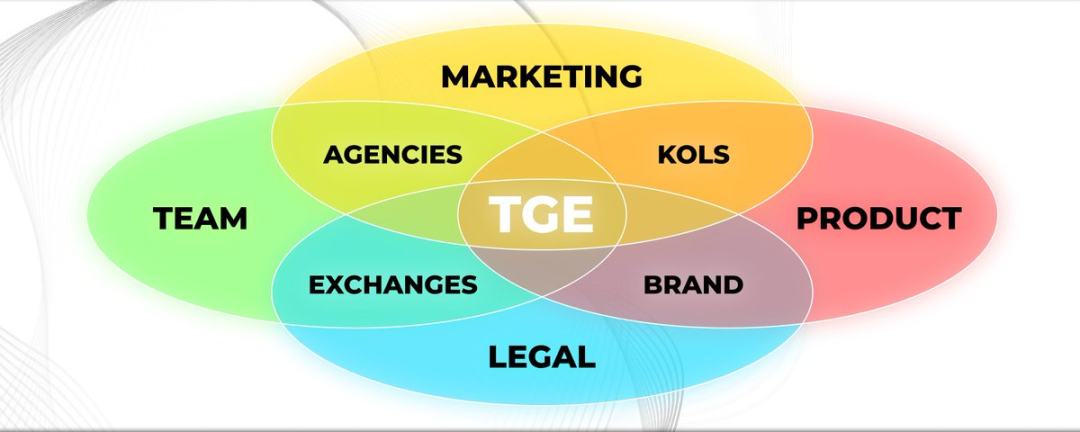
以下是三个很少被提及、却能摧毁 TGE 项目的核心因素。

做市商

选择做市商,本质上就像在玩俄罗斯轮盘赌:

  • 最好的情况:双方激励一致,有利润就共同分享;

  • 最坏的情况:他们在背后算计你,让你数年的心血付诸东流。

信息不对称的问题十分可怕,他们只会向你展示成功案例,绝口不提那些失败的经历。

那么,该如何选择做市商?99.9% 的情况下,你应该选择由你信任的项目方或直接合作过的人强力推荐的做市商。

不要相信陌生人的推荐,他们能从做市商那里拿到丰厚的推荐费,即便对方不靠谱,也会极力推荐。

一个重要提醒:项目失败了,承担后果的是你,不是他们。

就算你有最好的营销、最活跃的社区和最顶尖的团队,只要做市商让你的代币价格暴跌 50%,你也无力回天。

代币经济学

代币经济学也是同理,你和你的团队可能还没研究过 50 个代币模型,也没见过它们的实际效果。

你绝对不能照搬成功项目的代币经济学,就认为它对你也同样适用。投资者的目标和胃口一直在变,如果你想吸引他们买入,就必须随之调整。

同样,顾问只会给你看他们手中的成功案例,那些归零的项目你根本看不到。

额外补充一点:如果当前的代币经济学注定会搞垮你的项目,那就果断修改。

不要在乎:

  • 空投猎人会愤怒;

  • 社交媒体上的人会抱怨;

  • 种子轮投资者会不满。

如果按照当前的代币模型,一周后代币价格暴跌 90%,他们照样会不满,区别只是你会在三个月内倒闭。

显然,最好的解决方案是从一开始就避免这种情况,但正如一句古罗马谚语所说:「绝境需用险招」。

交易所上币

这一点是我最想强调的。做市商和代币经济学的问题只会在 TGE 后显现,但与交易所合作,是 TGE 前最痛苦、最危险的事情。

为什么痛苦?

  • 沟通极其困难;

  • 很难协调出一致的时间表;

  • 他们经常在最后一刻变卦,导致你不得不推迟 TGE。

为什么危险?

  • 掠夺性条款会拖垮你的项目;

  • 很多团队会被假代表诈骗;

  • 花费数百万美元上币,最终只引来卖压,没有任何买盘。

解决这个问题的最快方法:认识交易所内部人员,并且了解上币成本基准,避免被敲竹杠。

由于信息不对称,很多团队在初步谈判中就浪费了数十万美元。

结语

所有人都在等待更好的市场环境再启动 TGE,但如果以上三点你没做好,再好的市场也无法让你的代币站稳脚跟。作为创始人,你应该把主要精力放在这三件事上,同时监督团队其他成员做好各自领域的工作。

Criptos en tendencia

Lecturas Relacionadas

In Such a Crowded Cross-border Payment Track, Where Does the Next Stop Lie in the Future?

The crowded cross-border payments industry faces a paradox: intense competition above water with financing and narratives, while beneath, price wars and shrinking margins in basic PSP services are common. The path forward lies not in simple "cross-border" solutions but in deep **localization**. Success requires mastering the fragmented and tightening regulations of fiat currencies in each market—the "last mile" of compliance, banking, and settlement. Many Chinese PSPs have succeeded by following Chinese merchants overseas but have not deeply penetrated mainstream local merchant ecosystems abroad. Their strong product capabilities need to be applied to new, complex markets. The future belongs to companies that evolve from single-channel providers to **cross-border capital network operators**. This means moving beyond competing on transaction fees to creating internal networks that optimize capital efficiency through multi-directional matching, netting, and position reuse across countries and currencies. For Web3 and stablecoins, the key is integration, not replacement. Stablecoins offer efficiency gains but cannot bypass the foundational trust, compliance, and legal frameworks of traditional finance. The realistic path is the gradual adoption and "taming" of Web3 technologies by established financial institutions. The ultimate solution is a **dual clearing infrastructure** combining deep local fiat capabilities (local accounts, compliance, banking) with lightweight stablecoin-native capabilities (on-chain settlement, wallets). The biggest opportunity lies not in oversaturated mainstream corridors but in complex, underserved regional corridors (e.g., specific CIS, Middle East-Southeast Asia, or Latin American trade pairs). The winners will be those who build hard-to-replicate, deep capabilities in these areas—acting as the essential "clearing shovels" or infrastructure providers. The future keywords are **more local, more networked, and more stablecoin-native**. High-profit opportunities remain in the non-standardized, difficult-to-replicate deep waters of the industry, requiring genuine on-the-ground presence and long-term patience.

链捕手Hace 1 hora(s)

In Such a Crowded Cross-border Payment Track, Where Does the Next Stop Lie in the Future?

链捕手Hace 1 hora(s)

Lightning Fast Five-Whip Combo! Strategy's Self-Rescue Plan Officially Released

Strategy, amidst the STRC de-pegging crisis, has unveiled its "Digital Credit Capital Framework" self-rescue plan. The five-part framework includes: 1) **Cash Reserves**: Management of ~$2.55B in USD reserves, dedicated solely to covering ~17.4 months of preferred stock dividends and debt interest, with a 12-month minimum coverage floor. 2) **Dividend Policy**: STRC's dividend yield rises to 12% from July 1st, with monthly reviews. Strategy clarifies de-pegging does not automatically trigger further hikes. 3) **Preferred Stock Buyback**: A $1B authorization, prioritizing STRC repurchases to support its price, reduce future dividend obligations, and signal commitment, using funds separate from dividend reserves. 4) **Common Stock Buyback**: A separate $1B authorization for MSTR stock, aimed at creating shareholder value when the stock is deemed undervalued, establishing a two-way capital management mechanism. 5) **Bitcoin Monetization**: Formal authorization to sell BTC (up to $1.25B earmarked) to build USD reserves, cover dividends/interest, or fund buybacks, marking a strategic shift where BTC becomes a managed asset rather than a strictly "hold-only" reserve. Market reaction saw MSTR and STRC shares rise pre-market, while BTC remained stable. The plan aims to restore confidence in STRC, ensure dividend sustainability, and reopen Strategy's funding channels.

Odaily星球日报Hace 2 hora(s)

Lightning Fast Five-Whip Combo! Strategy's Self-Rescue Plan Officially Released

Odaily星球日报Hace 2 hora(s)

The Sword of Damocles Over the AI Bull Market: Not Just in South Korea, Leverage in U.S. Stocks Is Equally Staggering

Global equity markets are hitting new highs driven by the AI boom, but the fuel behind this rally is becoming increasingly dangerous. From the US to South Korea, margin debt and leveraged ETF assets have soared to historical extremes, with their pro-cyclical nature amplifying tail risks in market volatility. In the US, margin debt rose 54% year-over-year in May, reaching a record $1.4 trillion. Simultaneously, leveraged ETF assets nearly doubled in under 70 days to over $220 billion by early June, with intense focus on tech, semiconductor indices, and single stocks like NVIDIA and Tesla. A warning sign appeared in South Korea, where the KOSPI index experienced extreme volatility, plunging 10% to trigger a circuit breaker, then sharply rebounding before halting again, partly driven by concentrated, highly leveraged positions in chip stocks. Analysts are raising alarms. Barclays warns that leveraged funds have accumulated roughly $300 billion in equity-linked derivatives since late March, creating a major source of non-discretionary risk. Morgan Stanley notes an unprecedented reliance on leveraged financing by marginal buyers, with financing becoming more expensive and scarce. Charles Schwab has tightened margin requirements. The core risk lies in the mechanics: leveraged ETFs and derivatives can create a "tail wags the dog" effect, where fund flows force market makers to buy underlying stocks, amplifying gains. This process reverses in a downturn, triggering a self-reinforcing selling spiral as funds deleverage. Additionally, the cost of borrowing to buy stocks has spiked to multi-year highs. Morgan Stanley warns this sets up a nonlinear risk: high financing costs stall momentum, a price decline triggers forced deleveraging, and selling pressure is multiplied by leverage, potentially leading to outsized declines. The current market breadth is narrow, with gains heavily concentrated in tech, making the rally vulnerable to a pullback in leveraged positions. In summary, the AI-fueled bull market is increasingly propped up by record leverage. When this trend reverses, the deleveraging process could magnify losses, posing a significant threat to financial stability.

marsbitHace 2 hora(s)

The Sword of Damocles Over the AI Bull Market: Not Just in South Korea, Leverage in U.S. Stocks Is Equally Staggering

marsbitHace 2 hora(s)

Trading

Spot

Artículos destacados

Cómo comprar SC

¡Bienvenido a HTX.com! Hemos hecho que comprar Siacoin (SC) sea simple y conveniente. Sigue nuestra guía paso a paso para iniciar tu viaje de criptos.Paso 1: crea tu cuenta HTXUtiliza tu correo electrónico o número de teléfono para registrarte y obtener una cuenta gratuita en HTX. Experimenta un proceso de registro sin complicaciones y desbloquea todas las funciones.Obtener mi cuentaPaso 2: ve a Comprar cripto y elige tu método de pagoTarjeta de crédito/débito: usa tu Visa o Mastercard para comprar Siacoin (SC) al instante.Saldo: utiliza fondos del saldo de tu cuenta HTX para tradear sin problemas.Terceros: hemos agregado métodos de pago populares como Google Pay y Apple Pay para mejorar la comodidad.P2P: tradear directamente con otros usuarios en HTX.Over-the-Counter (OTC): ofrecemos servicios personalizados y tipos de cambio competitivos para los traders.Paso 3: guarda tu Siacoin (SC)Después de comprar tu Siacoin (SC), guárdalo en tu cuenta HTX. Alternativamente, puedes enviarlo a otro lugar mediante transferencia blockchain o utilizarlo para tradear otras criptomonedas.Paso 4: tradear Siacoin (SC)Tradear fácilmente con Siacoin (SC) en HTX's mercado spot. Simplemente accede a tu cuenta, selecciona tu par de trading, ejecuta tus trades y monitorea en tiempo real. Ofrecemos una experiencia fácil de usar tanto para principiantes como para traders experimentados.

99 Vistas totalesPublicado en 2024.12.12Actualizado en 2026.06.02

Cómo comprar SC

Discusiones

Bienvenido a la comunidad de HTX. Aquí puedes mantenerte informado sobre los últimos desarrollos de la plataforma y acceder a análisis profesionales del mercado. A continuación se presentan las opiniones de los usuarios sobre el precio de SC (SC).

活动图片