x402点火,$PING 8倍!先赚,再懂

比推Publicado a 2025-10-24Actualizado a 2025-10-24

如果你最近刷到过“x402”,大概率是一头雾水——它不是链,也不是某个热炒的代币项目,甚至连官网都朴素得很。
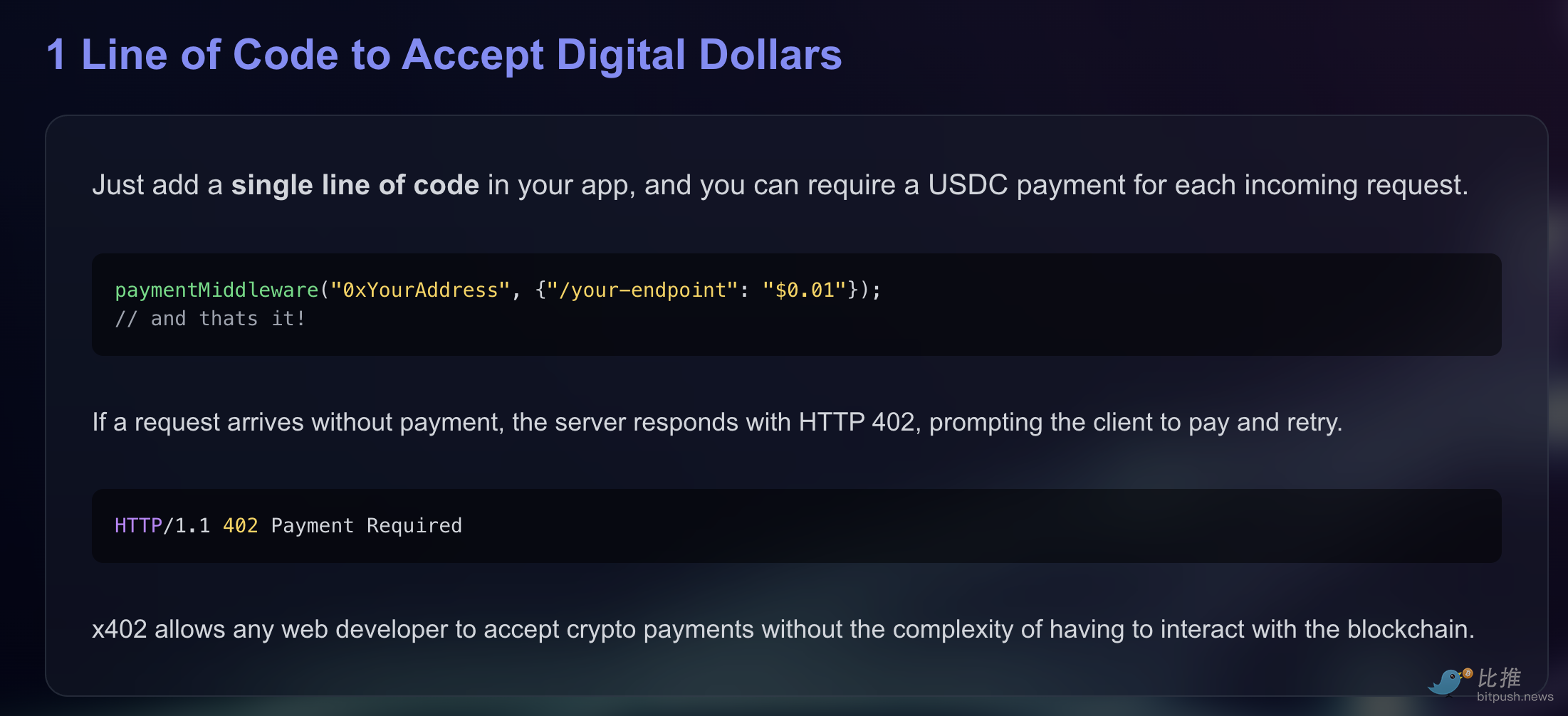
截屏2025-10-24 上午2.00.59.png

但偏偏,它的叙事引发了链上活跃度飙升、带动了 $PING 等多枚生态币暴涨,$PING更是在24小时内实现了8倍的涨幅,x402热度传导到了 Meme 和 AI 开发者社区。
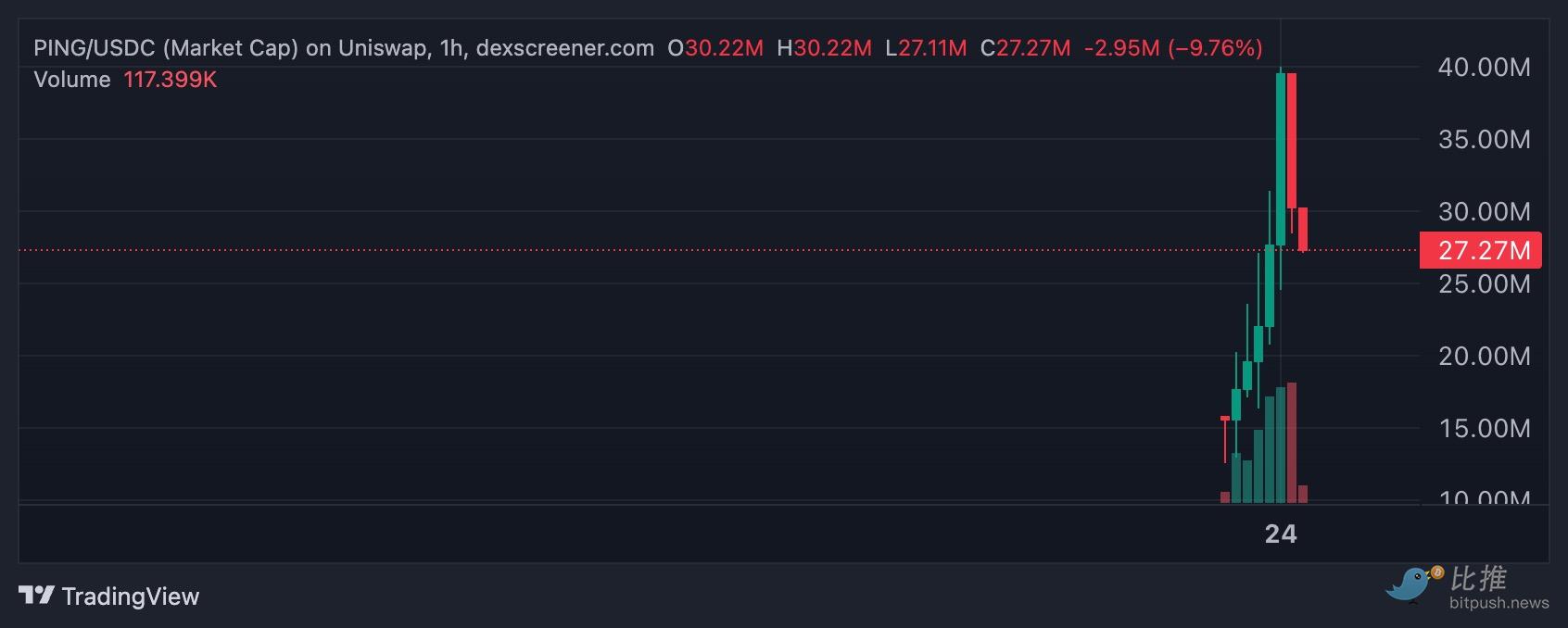
image.png

x402 正在开启一种新的链上支付叙事,而它背后的推动者,恰恰是当下最能定义基础设施标准的一批公司:Coinbase、Cloudflare、The Graph

在这篇文章里,我们从 x402 的背景切入,解释它为何能“出圈”、它在web3领域想解决什么问题、又有哪些人可能最早从中受益。

支付层的“HTTP 标准”

x402 是一个建立在 HTTP 状态码上的支付协议。HTTP 402(Payment Required)这个状态码其实早在 1997 年就被保留在标准中,但因为始终没有落地实践而一直闲置。Coinbase Developer Platform 提出的 x402 协议,正是要把这个历史遗留字段真正“激活”。

简单来说,它想要建立一种“HTTP 原生的链上支付流程”。任何一个网页、API、Bot、AI Agent 都可以在返回 402 状态码时告知客户端“你需要先付款”,并提供标准化的链上支付信息。客户端完成付款后,把支付凭证带入下一次请求中,服务器再进行验证并返回服务内容。
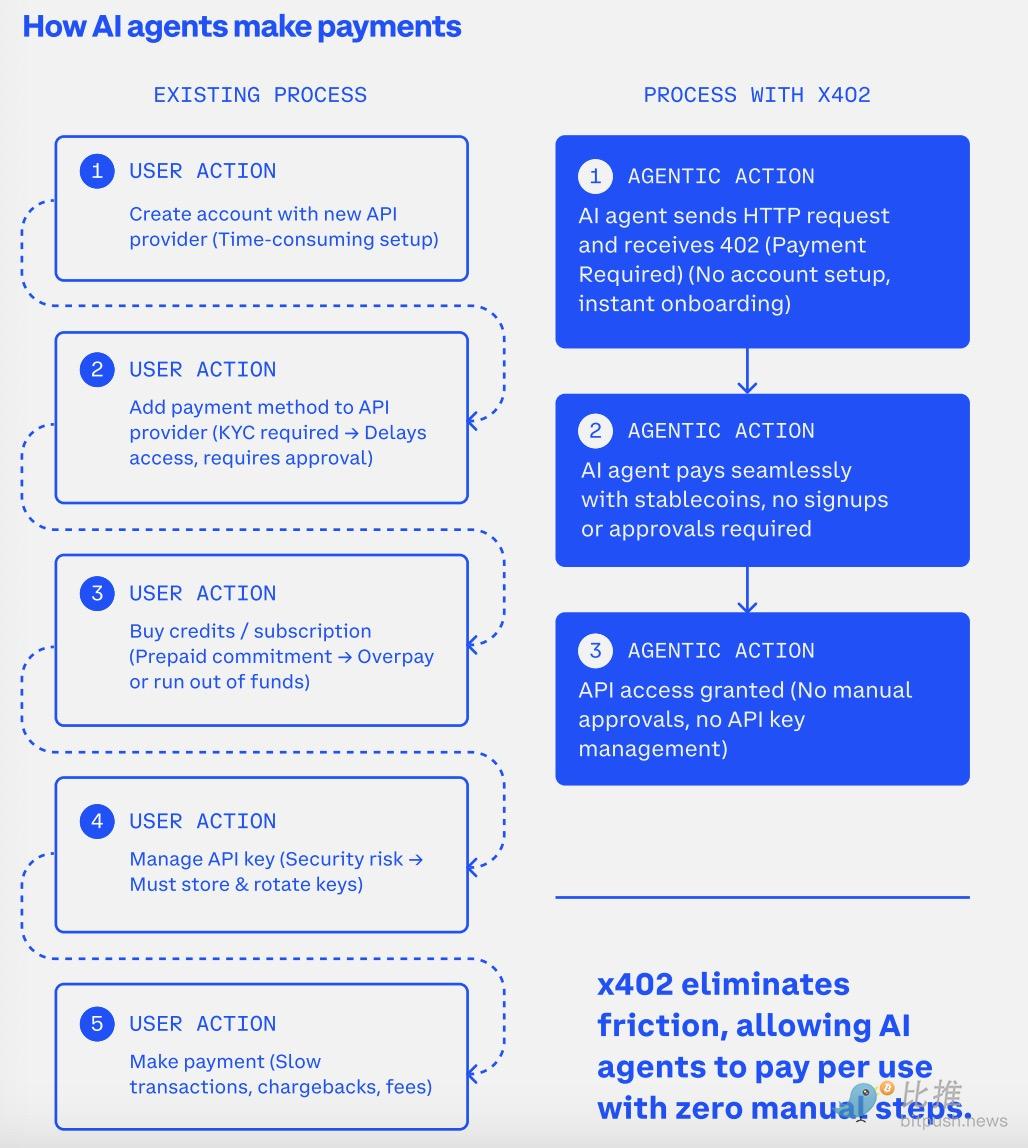
image.png

这个模型看起来非常抽象,但它解决的恰恰是当前加密世界最根本的问题之一:自动化的、微小的、无需人类介入的链上支付机制。

从商业模式上讲,它打通的是机器与机器之间的经济活动:一个 Bot 想调用另一个服务的 API,不需要注册账号、不需要接 OAuth,直接链上支付并即时访问服务。这才是一个真正“以机器为参与者”的开放网络。

「大厂」共识

x402 能够吸引如此多从业者关注,还有一个关键原因在于它的“出身背景”非常硬核。

发起者 Coinbase Developer Platform,是目前 Web3 世界中开发者基础设施构建能力最强的团队之一。从 Wallet SDK 到 API Gateway,从智能合约工具到数据索引平台,他们已经在构建一个类似 AWS 的加密开发服务堆栈。而 x402,是这个栈中极为关键的一层:支付层。

Cloudflare 的加入,则是这项协议能否大规模推开的“破圈助推器”。你或许对它并不熟悉,但事实上你每天都在用 Cloudflare 的网络服务。全世界超过 20% 的网页、API、CDN、边缘计算服务都在运行在它的网络之上。如果说 Coinbase 能定义链上标准,那 Cloudflare 则能将这个标准真正推入 Web2 世界。
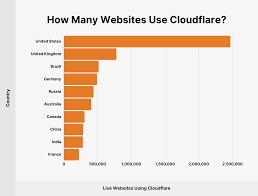
image.png

而 The Graph 的 Edge & Node 团队,则代表了链上数据基础设施对于“访问控制”和“使用计费”的刚需。他们是最早将 API 与代币化支付模型结合的团队之一,也是最容易第一时间落地 x402 模式的现实用户。

三家公司分别代表了交易、流量入口和数据服务,三者共同推动某个协议,本身就足以构成“准标准”的氛围。

技术很「重」,为什么能“出圈”?

如果只是一个支付标准,哪怕是再高级的设计,大多数人是不会关心的。为什么 x402 能引爆二级市场、带动币价目起飞?

原因或许出乎意料:它真的“用得上”,而且,有人赚钱了。

一方面,x402 不局限在某个链,也不依赖特定的代币。它是完全开放的、链无关的、代币无关的协议。你想用哪个链、用哪个 Token 做支付,只要服务端认可、客户端能签名,就可以跑通。这种“谁都能接、谁都能用”的姿态,大大降低了早期开发者的实验门槛。

另一方面,x402 不要求你接入复杂的 SDK,不需要调用专有钱包,不依赖中心化的验证结构。只要你是 Web 开发者、懂 HTTP 和 API 的逻辑,你就能在几小时之内为你的服务添加 x402 支付功能。这种极低的工程门槛,是技术标准能否“爆发式传播”的必要条件。

最后,x402 踩上了 AI 大模型经济和自动化 Agent 的爆发节奏。越来越多的 AI Agent 需要调用服务、爬取数据、访问接口,很多服务提供方也希望能按调用计费。x402 提供的这种“机器可理解的付费协议”,刚好补上了这个结构缺口。

永远的“炒作”现行

当然,市场永远不只是关注技术。在 CoinGecko、DEX Screener 等平台上,x402 协议甚至被包装出了一个“新公链”级别的炒作热点。

目前在 Base 链上,有数十个代币借助“x402生态”这个标签上线,包括 $PING、$DREAMS、$SANTA、$PAYAI、$GLORIA、$AURA 等。

其中,$PING 是最先被包装出概念的,也是目前交易活跃度最高的项目之一。

严格说来,这些币都与 x402 协议没有直接官方关系。它们更像是围绕 x402 技术逻辑、支付模型、生态概念搭建起来的炒作场景:有人做了一个按调用计费的 API,然后选择用 $PING 作为支付媒介;或者是一个 Meme 项目打出“Agent-to-Agent 经济”的口号,然后接入 x402 模拟流程,顺势发币。

这些项目未必靠谱,也未必长久,但它们确实有一个“共识接入点”——大家都想提前布局一个可能会在 AI 经济爆发中占据重要地位的基础协议。很多社区KOL表示,这种故事和“Ordinals 铭文 + BRC-20”在早期的运行逻辑极为相似。

正如 KOL JRP (@jrp_gg)所说:“PING是切入点,但x402的真正价值在生态项目。”

你可以说这是一种野蛮的二级市场动员方式,但它也侧面说明了 x402 作为底层技术叙事的强大牵引力。对于早期生态参与者和炒作者来说,围绕 x402 的代币就是他们下注叙事的门票。是赌它将来真的被大规模接入,还是仅仅博取一个“先声夺人”的席位,每个人都有不同的判断,但资金的涌入已是既定事实。

作者:Bootly


Twitter:https://twitter.com/BitpushNewsCN

比推 TG 交流群:https://t.me/BitPushCommunity

比推 TG 订阅: https://t.me/bitpush

说明: 比推所有文章只代表作者观点,不构成投资建议

Lecturas Relacionadas

IPO Imminent, OpenAI Faces Major Personnel Upheaval

OpenAI, preparing for a potential IPO, is experiencing significant leadership turmoil. In mid-August 2026, longtime "GPU geek" Scott Gray quietly left, and within three days, Chief Operating Officer Brad Lightcap (8-year veteran) and Chief Revenue Officer Denise Dresser (8-month tenure) departed. This follows a broader exodus of at least 10 senior executives in 2026, including heads of product, safety, and ethics. Analysts view this as a strategic "surgery" to transform from a research lab into a sales-driven enterprise company before going public. Revenue now tilts toward enterprise clients, surpassing consumer income sooner than expected, with annualized revenue reaching $40 billion. The new CRO, Dali Rajic, is a veteran enterprise sales leader. Concurrently, OpenAI has disbanded independent safety teams like "Preparedness," which assessed catastrophic risks, integrating their functions into core research. Critics warn this removes dedicated "brakes" on AI development. The leadership vacuum raises questions about who is the clear second-in-command after former apps CEO Fidji Simo moved to an advisory role. Co-founder Greg Brockman appears to be consolidating power. As OpenAI races against rival Anthropic ($47B annualized revenue), it faces the dual challenge of commercial execution while managing the departure of foundational technical talent and ensuring responsible AI development remains a priority.

marsbitHace 5 min(s)

IPO Imminent, OpenAI Faces Major Personnel Upheaval

marsbitHace 5 min(s)

AI Can 'Have Moods Too'! New Research from USTC: Confusion and Anxiety Make AI Work Better

The article discusses research from the University of Science and Technology of China and Oxford, revealing that allowing AI to recognize and act upon simulated "internal emotions" can significantly improve its performance. The study demonstrates a coherent pairing between specific emotional states in AI agents and their subsequent skill choices. For instance, an agent feeling curious and desirous will search for products, while one feeling confused and tense will rephrase queries. This mirrors human decision-making influenced by emotions. Statistical validation showed a 76.5% semantic consistency in these pairings. Crucially, the research challenges the traditional view of AI errors as flaws to be eliminated. It found that "bad" emotions like confusion, tension, or frustration serve as useful metacognitive signals, indicating a mismatch between the current strategy and the environment. By responding to these signals, AI can proactively adjust before a failure occurs. This is particularly effective in complex tasks prone to failure. For example, in tasks like "heating an item" and "picking up two items," success rates surged from 9.6% to 56.9% and 4.4% to 31.3%, respectively, when using the emotion-driven skill selection method (EMOTION2SKILL). The AI's "nervous" state about a closed microwave, for instance, prompted it to check and open it first, preventing failure. The article also mentions related work from Tianjin University, which embeds emotional prediction into world models (Large Emotional World Model, LEWM), significantly improving prediction accuracy in human-centric environments. Removing emotional data was found to degrade performance even in unrelated logical reasoning tasks. These studies build on earlier findings, like those from Anthropic, that identifiable emotional representations exist within large language models (LLMs). The focus is shifting from philosophical debate about AI emotion to practically harnessing these internal states as functional signals to enhance AI robustness and capability.

marsbitHace 40 min(s)

AI Can 'Have Moods Too'! New Research from USTC: Confusion and Anxiety Make AI Work Better

marsbitHace 40 min(s)

Trading

Spot
活动图片