半年赚500万美元,我们如何在Hyperliquid 上建构套利「印钞机」?

比推Publicado a 2025-10-24Actualizado a 2025-10-24

一个加密货币套利机器人的建构过程,从最初的尝试到最终获利500万美元的完整历程。
Image

回顾与起点

时间回到2025年3月。加密货币市场低迷,关税冲突不断。我们开始寻找新的机会。当时还有约40% 的Hyperliquid(HYPE)尚未分配,我们认为这可能是突破口。

此前,我们在Unit(Hyperliquid 的资产代币化层)上测试过一些做市策略,但只是小规模尝试。

那时HyperEVM上刚上线几个DEX。我兄弟提议:「要不要在HyperEVM 和Hyperliquid 之间做套利?就算赔钱,也能顺便刷到Hyperliquid 第三季的奖励。」

我们决定试试看。

套利逻辑

为什么HyperEVM 会有套利机会?

因为HyperEVM 区块时长为2秒,意味着HYPE 价格更新滞后,在这段时间内可能与Hyperliquid 出现价差。于是,HYPE 在HyperEVM 上经常被「低估」或「高估」

初期尝试与结果

我们先写了一个简单的Bot:

当HyperEVM上的AMM池与Hyperliquid 现货价格不一致时,在前者买入或卖出,再在后者对冲。

例:如果HYPE 在Hyperliquid 上涨价,我们就在HyperEVM 上买入便宜的HYPE,再在Hyperliquid 卖出。

最初几天日交易量达到20–30 万美元,无亏损,甚至小赚几百。我们设定利润阈值为0.15%(扣除手续费后)。两周后发现潜力更大,利润持续上升。

我们识别出两个竞争者,但规模不大,于是决定扩大优势。

手续费返还与规模化

4月,Hyperliquid 推出质押HYPE 返还手续费功能。

我们质押10万枚HYPE,获得30%手续费返还,将利润阈值降至0.05%,意在压制竞争者。目标是两周内交易量突破5亿美元,提升手续费等级。

最终我们达成目标,并彻底击败竞争对手。那天,我们人在巴黎飞往迪拜,机器人为我们「印」出12 万美元的利润。

随后,即使竞争对手仍坚持套利,但由于手续费差距,我们仍稳居优势。单日利润维持在2–5万美元。

扩展瓶颈与优化

随着规模扩大,我们遇到瓶颈:

HyperEVM 每区块gas 上限为200万,每笔套利需13万gas,每区块最多7–8笔交易。

为解决问题,我们采取:

  • 使用100+ 钱包并行发交易;

  • 每区块最多执行8 次套利;

  • 动态控制gas,避开高费时段;

  • 若交易过密,则临时提高利润阈值。

这些措施让系统稳定运行。

成为挂单方(Maker)

6月,兄弟提出新思路:「如果改为挂单方套利呢?」

这样可:捕捉更细微的价格波动;节省0.0245% 手续费,提高净利。风险在于挂单可能无法及时在另一端对冲,造成头寸失衡。

初期每次偏差达±1 万枚HYPE。
Image

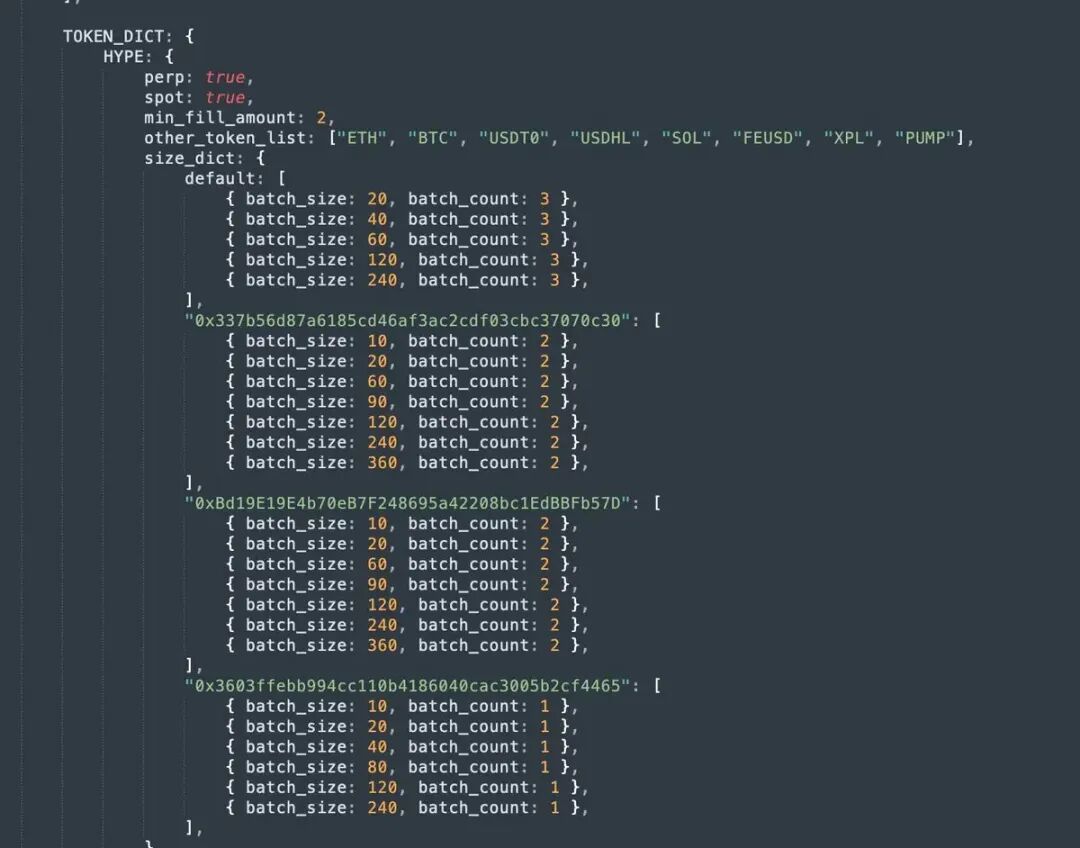
为此我们加入:

  • 利润区间:定义挂单与撤单条件;

  • 可参与池配置:如HYPE/USDT0、HYPE/UBTC 等;

  • 订单规模控制;

  • 失衡修正机制:用时间加权平均价快速平仓。

经过调优,我们大幅减少失衡问题,交易量是竞争对手的20倍。

优化稳定币路径

由于HyperEVM 主要使用USDT0,而Hyperliquid 使用USDC,我们需执行多次兑换。

第三步(USDC ↔ USDT0)滑点大、手续费高,因此我们设定逻辑跳过该步骤:

USDC 阈值> 120 万时跳过兑换;

USDT0 阈值> 30 万时跳过兑换;

实时价格使用Cowswap API获取,而非依赖订单簿。

引入永续合约套利

我们很少使用杠杆,但发现HYPE 永续合约成交量大、手续费低(0.019%)。于是开始用永续合约优化策略,并利用资金费率获利。
Image

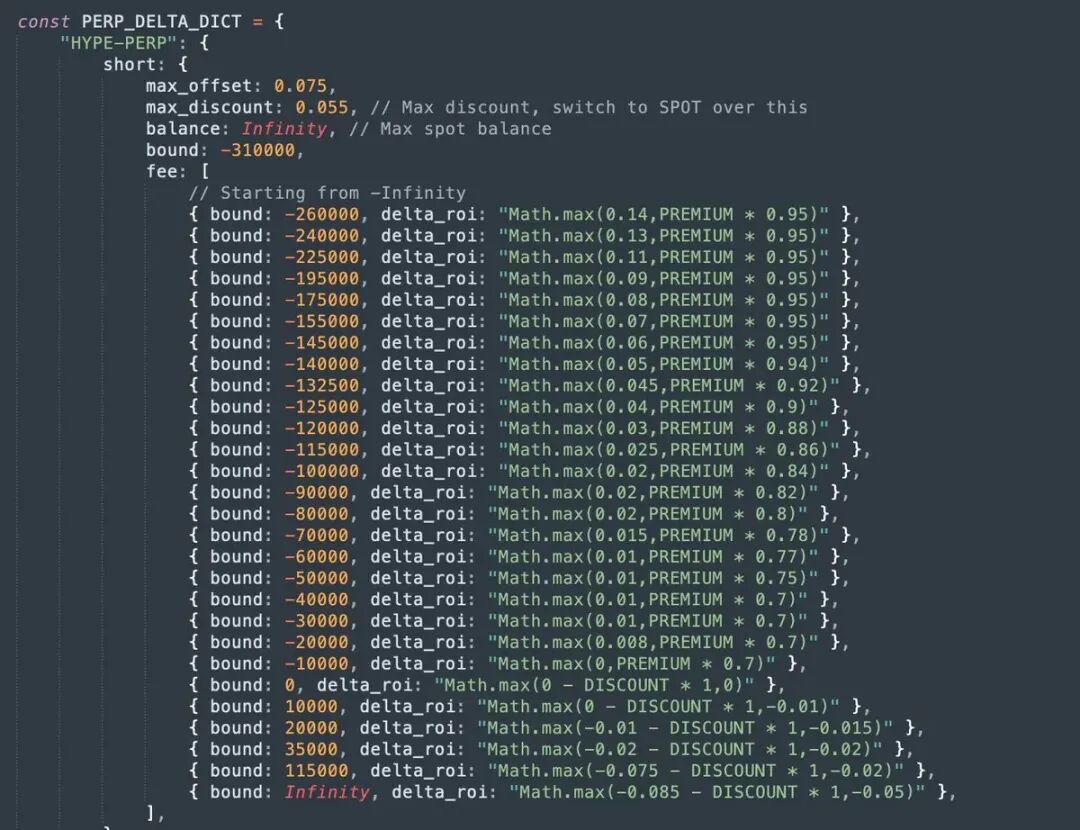
设置参数包括:

  • 仓位限额(Bound):防止过度多空;

  • 溢价/折价阈值:监控永续与现货差;

  • 渐进收益率(Progressive ROI):仓位越大要求利润越高。

这一改进让我们额外获得约60万美元收益,并拓展了新的套利空间。

合作方式

外界以为我只负责发帖、兄弟负责写代码。

其实我们紧密协作:

我负责策略与参数;

他负责编码与系统;

每次改动都共同讨论确认。

我们性格不同——他激进、我保守,但这正形成互补。经过250 多次更新,我们几乎把系统调教成「半自动赚钱机器」。

成绩与收尾

8 个月以来,我们投入全部时间。

7 月,随着Wintermute团队入场,竞争白热化,我们依旧坚持优化。

最终成果:

  • 总盈利:500 万美元;

  • 总成交量:125 亿美元;

  • Gas 支出:120 万美元(占链上20%);

  • 累计开发时间:2000+ 小时;

  • 市场份额:Unit 总交易量的5%。

现在,我们让机器人歇口气,等待下一轮机会——Hyperliquid Season 3与Unit Season 1。

风险提醒:

别被故事迷惑——这只是一次策略复盘,不是「稳赚教程」。加密市场随时可能反转,套利也有坑。风险永远存在,记得先保住本金,再谈收益。


Twitter:https://twitter.com/BitpushNewsCN

比推 TG 交流群:https://t.me/BitPushCommunity

比推 TG 订阅: https://t.me/bitpush
说明: 比推所有文章只代表作者观点,不构成投资建议

Lecturas Relacionadas

South Korean Exchanges 'Battle' Regulators, Challenging the Boundaries of Enforcement and Legislation

South Korea's cryptocurrency industry is engaged in a rare, direct confrontation with regulators. The Financial Intelligence Unit (FIU), the primary anti-money laundering (AML) watchdog, has recently imposed heavy penalties on major exchanges like Upbit and Bithumb for alleged violations involving unregistered overseas VASPs and AML procedures. However, exchanges are now actively challenging these actions in court and through industry associations. In a significant shift, the Seoul Administrative Court ruled in favor of Upbit's operator, Dunamu, overturning part of an FIU-ordered business suspension. The court found the FIU's penalty criteria and justification insufficiently clear. Similarly, the court suspended the enforcement of a six-month business suspension against Bithumb pending a final ruling, citing potential irreversible harm to the exchange. Beyond legal battles, the industry is contesting proposed legislative amendments. The Digital Asset eXchange Alliance (DAXA) strongly opposes a draft rule that would mandate Suspicious Transaction Reports (STRs) for all crypto transfers over 10 million KRW (~$6,800). DAXA argues this "poison pill" clause violates legal principles and would overwhelm the STR system, increasing reports from 63,000 to an estimated 5.45 million annually for major exchanges, thereby crippling effective AML monitoring. This conflict highlights a structural tension in South Korea's crypto governance: comprehensive digital asset laws are still developing, while regulators rely heavily on AML enforcement. The industry's move from passive compliance to active legal and legislative challenges signifies a new phase, pressing for clearer rules and more proportionate enforcement. While short-term disputes may intensify, this clash could ultimately lead to a more mature and sustainable regulatory framework for South Korea's vibrant crypto market.

marsbitHace 20 min(s)

South Korean Exchanges 'Battle' Regulators, Challenging the Boundaries of Enforcement and Legislation

marsbitHace 20 min(s)

After 50x Storage Surge, Justin Sun Always Looks to the Next Decade

Sun Yuchen, known for his controversial stunts like a $30 million lunch with Warren Buffett (canceled due to a kidney stone) and eating a $6.2 million duct-taped banana, is often overshadowed by a significant fact: his decade-long track record of spotting major investment trends. In 2016, he famously advised young people to invest in Bitcoin, Nvidia, Tesla, and Tencent instead of buying property. A hypothetical $20,000 investment in Nvidia and Tesla from that list would now be worth over 50 million RMB. His latest major call was on November 6, 2025, predicting a "50x storage opportunity" tied to the AI boom, which materialized with Sandisk's stock surging nearly 50-fold by 2026. Looking ahead, Sun now focuses on the next frontier: Physical AI. He identifies four key areas: 1. **Embodied AI/Robotics**: He sees this reaching its "iPhone moment," with companies like UBTech and Galaxy General leading in commercialization. 2. **Drones**: Viewed as the first commercially viable form of Physical AI, revolutionizing sectors from warfare (e.g., AeroVironment's Switchblade) to logistics. 3. **Spatial Computing**: Beyond VR, it's about AI understanding physical space, a foundational technology for robotics and autonomous systems, exemplified by Apple's Vision Pro. 4. **Space Exploration**: After a 2025 suborbital flight with Blue Origin, Sun advocates for space as the ultimate frontier, discussing blockchain's potential role in space asset management and data transactions. His investment philosophy involves betting on entire, inevitable trends rather than single companies. For robotics, he sees Tesla (the body/manufacturer) and Nvidia (the brain/AI platform) as complementary plays. In defense drones, he highlights companies making tanks obsolete (AeroVironment) and those augmenting fighter jets (Kratos). For space, he participated in Blue Origin's flight and anticipates SpaceX's potential IPO to redefine the sector's valuation. Sun Yuchen's vision frames the next two decades not as a revolution in information flow (like the internet), but in the fundamental operation of the physical world through AI-powered robots, autonomous systems, and spatial intelligence, ultimately extending human and AI activity into space. While many still focus on conventional assets, he continues to look toward the next technological horizon.

marsbitHace 1 hora(s)

After 50x Storage Surge, Justin Sun Always Looks to the Next Decade

marsbitHace 1 hora(s)

The Billionaires Behind the Most Expensive Midterm Election in History

"The Most Expensive Midterm Elections and Their Billionaire Backers" This analysis details the unprecedented scale of spending in the 2026 midterm elections, highlighting the key billionaire donors shaping the political landscape. Jeff Yass, founder of Susquehanna International Group, has contributed over $81 million, ranking third among individual donors behind George Soros ($102.6M) and Elon Musk ($84.8M). Yass is a major donor to Trump's MAGA Inc. and supports school choice and various candidates. Overall, federal committees have raised over $4.7 billion this cycle, with political ad spending projected to reach $10.8 billion. Republican-aligned groups are significantly out-raising their Democratic counterparts. "Dark money" from undisclosed sources continues to grow. The core stakes involve control of Congress and policy direction for Trump's final term. Donors are also motivated by specific issues: Sergey Brin and Chris Larsen are funding opposition to a proposed California wealth tax and supporting crypto-friendly policies. Other top donors include OpenAI's Greg Brockman and his wife Anna ($50M total to MAGA Inc. and an AI-focused PAC), Richard Uihlein ($45.3M to conservative causes), venture capitalists Marc Andreessen and Ben Horowitz (each over $44M to crypto/AI PACs and MAGA Inc.), Miriam Adelson ($42.6M to GOP leadership PACs), Paul Singer ($33.9M), and Diane Hendricks ($25.8M to MAGA Inc.). The article notes that the peak fundraising period is still ahead, with major primaries approaching.

marsbitHace 1 hora(s)

The Billionaires Behind the Most Expensive Midterm Election in History

marsbitHace 1 hora(s)

The Largest IPO in History Is Approaching, Surpassing SpaceX, 28 Years of AI Self-Iteration, Countdown to Intelligence Explosion

"Anthropic Nears Trillion-Dollar IPO, Fueled by Explosive Growth and 2028 'Intelligence Explosion' Warning Anthropic is considering a deal valuing the AI company near $1 trillion, potentially leading to one of the largest IPOs ever and surpassing SpaceX. Its revenue has skyrocketed, with Annual Recurring Revenue (ARR) reaching $45 billion in May 2026—a 500% increase in just five months. This vertical growth curve is attributed to its key products, Claude Code and Cowork, dominating AI coding and enterprise collaboration. Beyond commercial success, co-founder Jack Clark issued a pivotal warning in an interview: there is a greater than 50% chance that by the end of 2028, AI systems will achieve recursive self-improvement—the ability to autonomously build a 'better version' of themselves, initiating an 'intelligence explosion.' This prophecy underpins the company's astronomical valuation, as the market prices in the potential for transformative and disruptive AI. Further signaling its ambition, Anthropic formed a $1.5 billion joint venture with Goldman Sachs and Blackstone, aiming to disrupt traditional consulting firms like McKinsey by deploying Claude AI for complex strategic work. This move tests AI's capacity to replace high-level cognitive labor, a precursor to its predicted autonomous evolution. The narrative presents a dual future: unprecedented economic opportunity alongside significant risks like economic restructuring and security threats. Anthropic's meteoric rise and Clark's 2028 prediction frame the coming years as a countdown to a potential technological singularity."

marsbitHace 1 hora(s)

The Largest IPO in History Is Approaching, Surpassing SpaceX, 28 Years of AI Self-Iteration, Countdown to Intelligence Explosion

marsbitHace 1 hora(s)

Trading

Spot
Futuros
活动图片