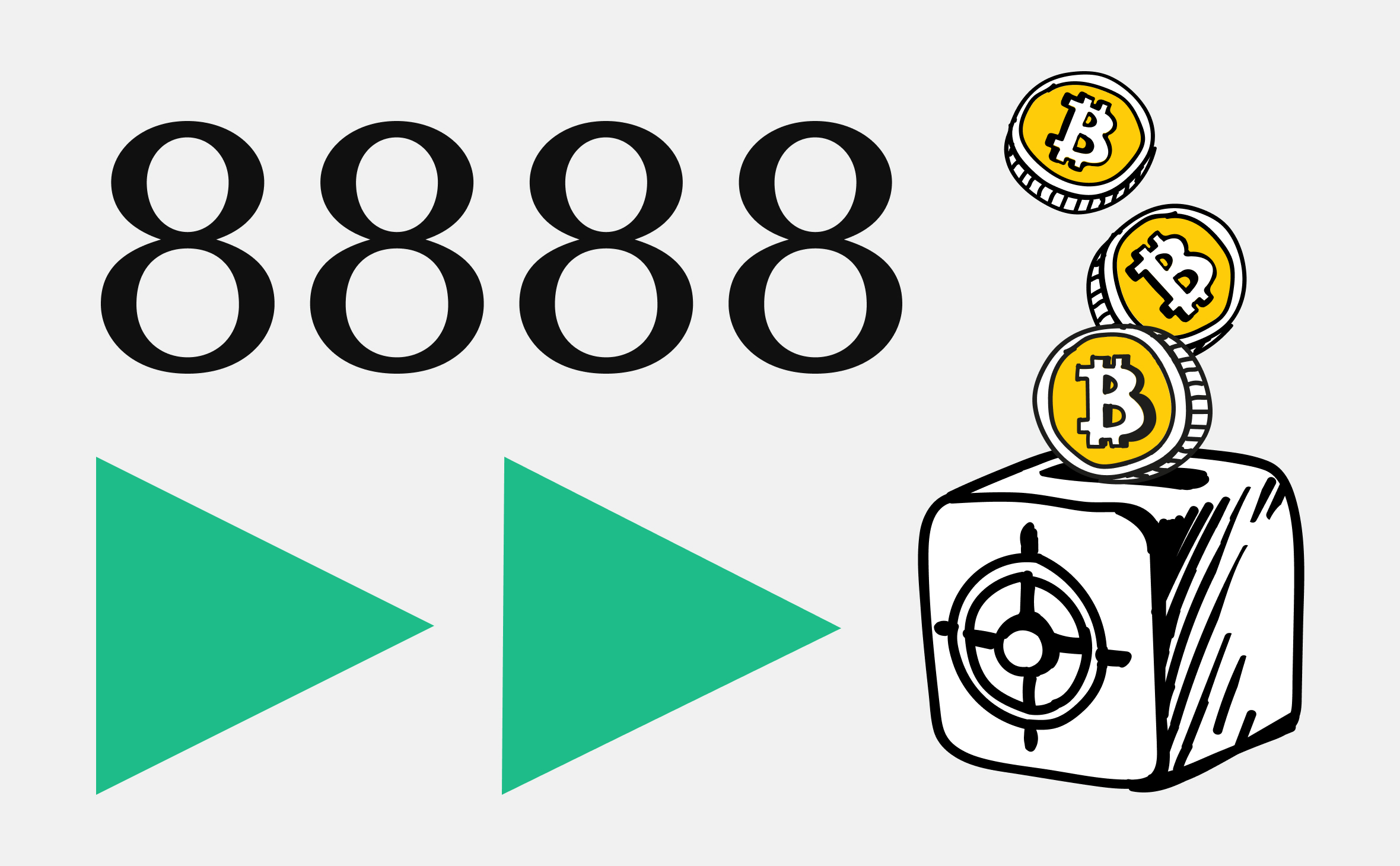
Tether купила 8888 биткоинов на $1 млрд. Сколько монет она уже накопила

cryptonews.ruPublicado a 2025-01-29Actualizado a 2025-09-30

Эмитент крупнейшего стейблкоина USDT в последний день квартала увеличил запасы первой криптовалюты до $9,7 млрд

Компания Tether, выпускающая крупнейший по капитализации стейблкоин USDT, в последний день третьего квартала года добавила в резервы новую партию биткоинов стоимостью около $1 млрд. По данным Arkham, 30 сентября Tether перевела с горячего кошелька на бирже Bitfinex 8888 BTC на адрес, где хранит свои резервы.

Первые пополнения кошелька с резервами Tether состоялись ровно три года назад, 30 сентября 2022 года. В настоящий момент эмитент USDT держит в запасе около 86,3 тыс. биткоинов.

По текущему курсу стоимость этих накоплений составляет $9,74 млрд. Прибыль кошелька от роста курса за три года — $6,5 млрд.

rbc.group

С мая 2023 года Tether приняла решение тратить до 15% реализованной операционной прибыли на покупку биткоинов. Компания обычно накапливает монеты в течение квартала и к его завершению переводит криптовалюту на адрес резерва.

Уже в четвертый раз партия добавленных биткоинов составляет 8888 монет. Но компании не всегда удается придерживаться этой суммы. Так, в конце второго квартала этого года Tether не пополняла резерв, а вывела из него 15,2 тыс. BTC на сумму около $1,6 млрд.

По данным портала Bitcoin Treasuries, Tether занимает второе место по величине резервов среди частных компаний. Она уступает лишь компании Block.One, стоящей за криптобиржей Bullish.

На прошлой неделе стало известно, что Tether ведет переговоры о привлечении инвестиций в размере от $15 млрд до $20 млрд. Сообщалось, что средства могут быть привлечены в обмен на примерно 3-процентную долю в капитале. Если сделка состоится, Tether войдет в число крупнейших частных компаний мира, сопоставимых по масштабу с OpenAI и SpaceX.

Lecturas Relacionadas

In the AI Era, What's Left for Bitcoin?

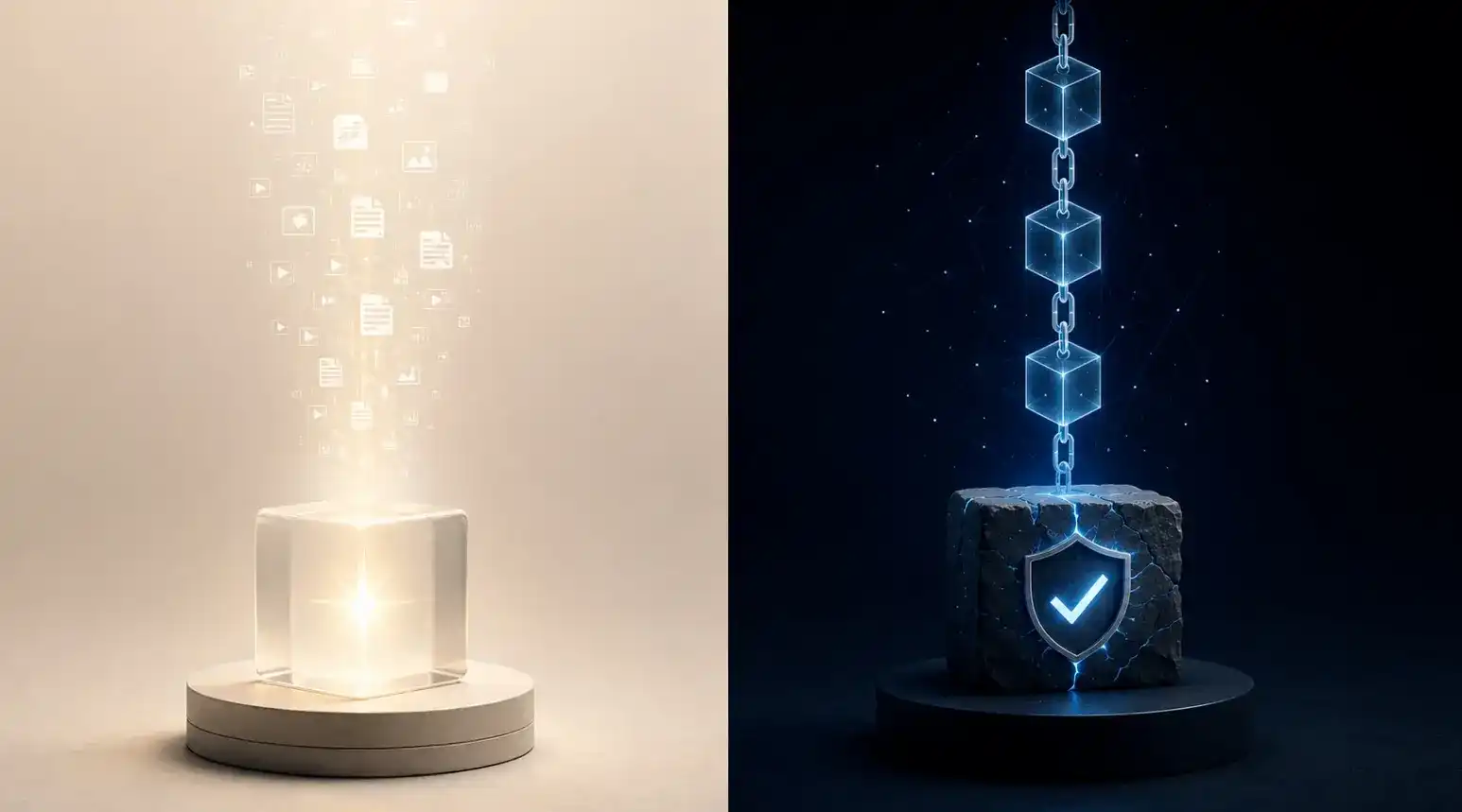
As Bitcoin falls below $60,000, the author reflects on the relationship between AI and Bitcoin, seeing them as two sides of the same coin. In the AI era, the cost of generating content has plummeted, making fake text, images, and videos increasingly easy and cheap to produce. This has led to a fundamental shift: while AI dramatically lowers the cost of information production, it also undermines trust and authenticity online. What becomes truly valuable is not more content, but the ability to verify what is real—"verifiability." This perspective offers a new lens for Bitcoin. Its massive energy consumption, often criticized as wasteful, is reinterpreted. While AI burns energy to enhance "capability" and efficiency, Bitcoin burns energy to produce "verifiability." Its purpose is not to be trusted but to enable a system where no trust in intermediaries—banks, platforms, or developers—is needed. Every transaction and the entire ledger's history is secured by cryptography and a decentralized network of nodes, making it independently verifiable. AI cannot forge a transaction on the Bitcoin network because the system is designed for proof, not generation. The author draws a historical parallel to the Renaissance: the printing press drastically reduced the cost of copying knowledge, while double-entry bookkeeping reduced the cost of trust in commerce. Today, AI is the new printing press, reducing content creation costs to near zero. Blockchain, and Bitcoin as its pioneer, may be the modern equivalent of double-entry bookkeeping—a foundational technology for verifying digital asset ownership and historical records without centralized authorities. Thus, AI and blockchain are not competitors. AI lowers the cost of creation; blockchain lowers the cost of verification. In an age where AI can generate anything, true scarcity may lie not in more content, but in independently verifiable facts. Whether the market will reprice Bitcoin accordingly remains uncertain, but its core value proposition as a "machine for producing verifiability" becomes strikingly relevant.

marsbitHace 18 min(s)

In the AI Era, What's Left for Bitcoin?

marsbitHace 18 min(s)

In the Age of AI, What's Left for Bitcoin?

Author: Sevclub, Seven Research Amid Bitcoin's recent drop below $60k, the author reflects on a growing sense that AI and Bitcoin are two sides of the same coin. Today, encountering any content triggers a new default question: "Was this made by AI?" The cost of generating convincing text, images, and video is now negligible. While the internet lowered information *distribution* costs, AI is crashing information *production* costs to near zero. The consequence is a flood of content where truth and falsehood are increasingly indistinguishable. In this environment, what becomes truly valuable is not more information, but the ability to verify what is real—"verifiability." This reframes the common criticism that Bitcoin "wastes electricity." AI consumes power to produce "capability" (e.g., more powerful models). Bitcoin consumes power to produce something else: "verifiability." Bitcoin's core purpose isn't about belief or trust in any institution, developer, or even its creator. It's about enabling independent verification. Every bitcoin's origin, every transaction, and the integrity of the entire ledger are secured by mathematics, cryptography, and a global network of nodes. AI can fabricate convincing media, but it cannot falsify a transaction on the Bitcoin network. The expended energy makes篡改历史 (tampering with history) prohibitively expensive, purchasing a globally verifiable ledger. The author draws a historical parallel to the Renaissance. The printing press drastically reduced the cost of copying knowledge, while double-entry bookkeeping reduced the cost of trust in commerce—one enabled creation, the other verification. Today, AI is the new printing press, driving content production costs toward zero. The question becomes: what is this era's "double-entry bookkeeping"? Blockchain appears to be the leading candidate. It doesn't verify which news is true or which image is real, but it provides a foundational layer for independently verifying asset ownership and historical records in the digital realm without centralized authorities. Therefore, AI and blockchain are not in competition. AI lowers the cost of *generation*. Blockchain (and Bitcoin as a prime example) lowers the cost of *verification*. One creates, the other proves. Whether Bitcoin ultimately succeeds remains uncertain, facing potential challenges from quantum computing, regulation, and technical evolution. However, the author now sees it less as a "machine for making bitcoin" and more as a "machine for making verifiability." In an age where AI can generate anything, true scarcity may no longer be "more content," but "more independently verifiable facts." Whether the market will price this accordingly is a separate question.

链捕手Hace 27 min(s)

In the Age of AI, What's Left for Bitcoin?

链捕手Hace 27 min(s)

Trading

Spot
活动图片