Сейлор предсказал рост биткоина в конце 2025 года: спрос превышает предложение в 2,5 раза

cryptonews.ruPublicado a 2025-09-24Actualizado a 2025-09-24

Майкл Сейлор (Michael Saylor), исполнительный председатель совета директоров Strategy, уверен: биткоин готовится к новому движению вверх ближе к концу года. И знаете, что самое интересное? Причина кроется не в спекуляциях или хайпе, а в банальной математике спроса и предложения.

Выступая в программе Closing Bell Overtime на CNBC 23 сентября, Сейлор объяснил: корпоративное принятие биткоина вместе с постоянными покупками крупных биржевых фондов (ETF) от имени институциональных инвесторов буквально съедает все естественное предложение криптовалюты.

«Компании, которые делают ставку на биткоин, покупают даже больше, чем естественное предложение, создаваемое майнерами», — подчеркнул он. И это создает «движущую силу роста».

Цифры не врут: спрос превышает предложение

Давайте посмотрим на сухую статистику. Майнеры в среднем генерируют около 900 биткоинов в день, согласно данным Bitbo. А вот что происходит с другой стороны: отчет финансовой компании River, опубликованный в начале месяца, показал, что бизнес поглощает 1 755 биткоинов в день в 2025 году. ETF тем временем покупают дополнительно 1 430 биткоинов ежедневно.

Простая арифметика: спрос почти в 2,5 раза превышает предложение. Неудивительно, что Сейлор говорит о «движущей силе роста».

Две категории биткоин-покупателей

Сейлор разделил компании-покупатели биткоина на две категории. Первая — это операционные компании, которые вместо возврата капитала через дивиденды и выкуп акций выбирают биткоин как резервный актив.

Bitbo отслеживает не менее 145 компаний, добавивших биткоин на свои балансы. Strategy, к слову, держит 638 985 BTC — внушительная сумма даже по меркам корпоративного мира.

«Это фактически улучшает их структуру капитала. Это укрепляет эти компании», — отметил Сейлор.

Вторая категория — компании с биткоин-резервами, которые «делают ставку на биткоин». И здесь Сейлор делает довольно смелое заявление: «Мир работал на золотом кредите 300 лет. Мир будет работать на цифровом золотом кредите следующие 300 лет».

По его словам, такие компании держат цифровой капитал и создают цифровые кредитные инструменты: «И есть, конечно, огромный спрос на долевые и кредитные инструменты на традиционных рынках капитала. Биткоин становится идеальной формой цифрового капитала для обеспечения этих инструментов».

«Думаю, что по мере преодоления сопротивления и некоторых макроэкономических препятствий мы увидим, как биткоин снова начнет уверенно расти к концу года», — резюмировал Сейлор.

Математика проста: когда спрос стабильно превышает предложение в 2,5 раза, а институциональные игроки продолжают накапливать позиции, долгосрочная тенденция становится очевидной. Вопрос не в том, вырастет ли цена, а в том, насколько быстро это произойдет.
Lecturas Relacionadas

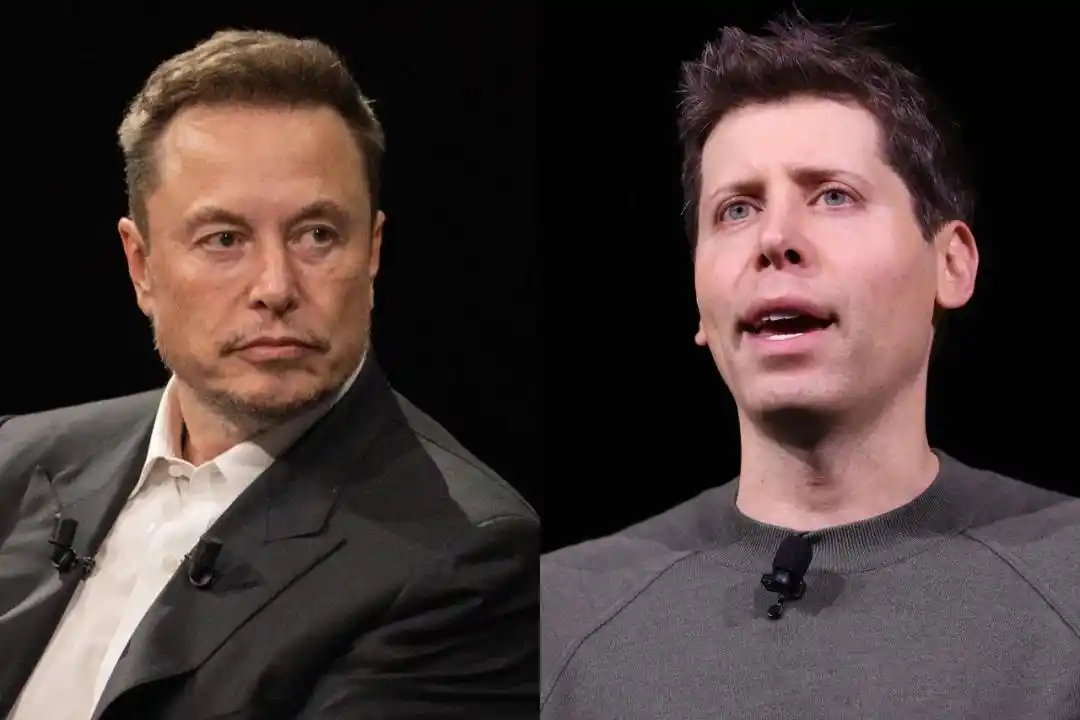
Apple Sues OpenAI Sparking Feud, Musk Slams Altman for Fraud, Altman Retorts with 'Space Data Center' Boast

Apple Sues OpenAI as Musk-Altman Feud Escalates The public feud between Elon Musk and OpenAI CEO Sam Altman intensified, coinciding with their respective AI companies launching flagship models in the same week, highlighting fierce competition. On July 11, Musk posted on X, accusing Altman of taking "fraud to the next level" regarding OpenAI's commercial practices. Altman fired back, sarcastically suggesting Musk was the one selling "short-term space datacenter" concepts to public market investors. Musk countered with allegations that Altman "stole an open-source AI charity" and, amid Apple's recent lawsuit, "stole all of Apple's phone tech." He mockingly referenced Altman needing a "parole officer's" approval to travel. This exchange occurred against the backdrop of a significant legal development: Apple filed a lawsuit against OpenAI in a California federal court, alleging the AI company deliberately solicited Apple employees to leak confidential information on unreleased products to aid its own hardware plans. Apple demands OpenAI cease this activity, destroy proprietary materials, and redesign upcoming products. OpenAI responded, stating it has no interest in other companies' trade secrets and remains focused on innovation. This lawsuit could profoundly impact their two-year partnership where OpenAI provides key tech for Apple Intelligence and Siri. The rivalry extended to product releases. OpenAI launched GPT-5.6, while Musk's SpaceXAI unveiled Grok 4.5. Both are positioned as AI agents capable of multi-step tasks. GPT-5.6 is noted for strengths in broad reasoning, business workflows, and cybersecurity. Grok 4.5 is highlighted for higher efficiency in autonomous programming and developer workflows, with lower usage costs than GPT-5.6, though OpenAI's model reportedly still leads in areas like abstract reasoning. The differing strengths offer distinct choices for enterprises and developers based on their specific needs.

marsbitHace 1 hora(s)

Apple Sues OpenAI Sparking Feud, Musk Slams Altman for Fraud, Altman Retorts with 'Space Data Center' Boast

marsbitHace 1 hora(s)

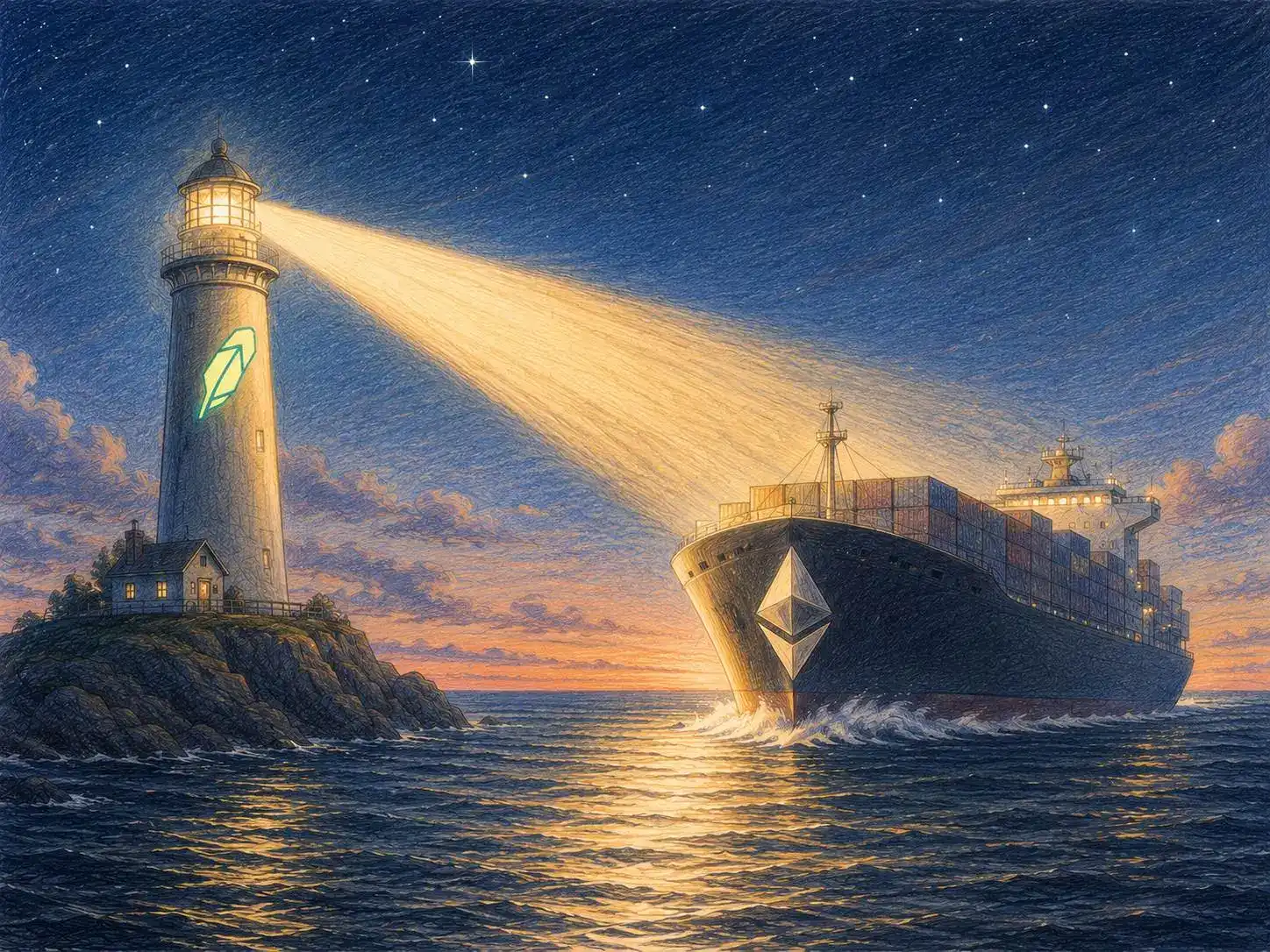
Robinhood Chain's Success Proves Ethereum is Not Dead

Robinhood Chain's success demonstrates that Ethereum's L1+L2 model is thriving, not dying. Traditional crypto projects often focused on token sales and chose infrastructure to maximize token value. However, real-world businesses building cash-based products make different, pragmatic choices. When launching its chain, Robinhood chose Ethereum as its base layer and built a custom L2 using Arbitrum technology. It uses Ethereum blobs for data availability, ETH for gas, and relies on Ethereum for security. This mirrors Coinbase's earlier decision to build Base as an Ethereum L2. These are not ideological choices but sound business decisions driven by needs for security, liquidity, control, and predictable economics. The shift in the industry is from "token-centric" models to "cash business" models. Real companies serving broad user bases prioritize risk reduction, product improvement, and profit. For them, blockchain is infrastructure. The Ethereum L1+L2 "barbell" structure is ideal: the highly decentralized, neutral, and liquid L1 for settlement and security, combined with customizable, high-performance L2s for execution. This trend is positive for Ethereum and ETH. As more real businesses build on it, ETH becomes more integrated, distributed, and useful, strengthening its network effects and monetary premium. Robinhood's path—starting on an existing L2 and graduating to a dedicated one—is likely to become a standard playbook, proving the enduring utility of Ethereum's layered architecture for serious commercial adoption.

Odaily星球日报Hace 1 hora(s)

Robinhood Chain's Success Proves Ethereum is Not Dead

Odaily星球日报Hace 1 hora(s)

Tencent Heavily Invests in an IPO

"Tencent-Backed DPU Unicorn Leopard Cloud Intelligence Files for IPO on Shenzhen's ChiNext Board" Leopard Cloud Intelligence, a Shenzhen-based developer of Data Processing Unit (DPU) chips, has officially applied for an IPO on the ChiNext Board, aiming to become China's first publicly listed DPU company. Founded in August 2020 by Dr. Xiaoyang Xiao, a Stanford PhD graduate and serial entrepreneur who previously co-founded chip company RMI (acquired by Broadcom), the company focuses on the high-growth DPU sector. Its development accelerated following NVIDIA's formal introduction of the DPU concept in late 2020. The company has developed China's first high-performance, general-purpose programmable DPU SoC chip, boasting 400Gbps network bandwidth and claiming significant performance improvements and power savings over traditional solutions. Financially, Leopard Cloud's revenue grew exponentially from RMB 170,000 in 2023 to RMB 370 million in 2025, yet it remains unprofitable with substantial net losses. Its IPO application utilizes ChiNext's recently introduced fourth set of listing standards, which emphasize R&D and market valuation over short-term profitability. Tencent is the company's most significant backer and largest shareholder, holding a 19.78% stake after participating in multiple funding rounds. Other prominent investors include Sequoia Capital China, Shenzhen Capital Group, Five Dimensions Capital, and various government-guided funds from Shenzhen and Hangzhou. Pre-IPO, the company was valued at over RMB 14 billion. This listing is seen as a milestone for Shenzhen's semiconductor industry, complementing the recent successful IPO review of Yuexin Semiconductor (a Guangzhou-based wafer manufacturer) and signaling a wave of high-end hardware technology companies from the Greater Bay Area going public on the ChiNext Board.

marsbitHace 2 hora(s)

Tencent Heavily Invests in an IPO

marsbitHace 2 hora(s)

Trading

Spot
活动图片