9.19 币圈:山寨是补涨还是真牛?小狐狸发币、Base 预售、AVAX、ARB、SUI别错过

金色财经Publicado a 2025-09-19Actualizado a 2025-09-19

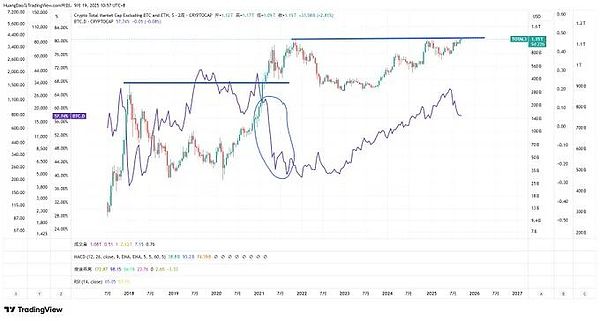
先唠最纠结的事儿:山寨总市值都快蹭到历史高点了,上轮这时候突破后直接疯涨两三月才见顶,#BTC 市占率跌惨。但这次不一样啊 —— 上轮是 QE 放水 + 低利率,BTC 在高位晃悠;现在是 QT 缩表 + 中性利率,BTC 就大跌后缩量反弹。所以大伙都喊 “山寨牛来了”,我倒觉得更像补涨,涨不了多久也涨不了多猛,别瞎追!近裙+钉钉:zyg11221
图像

ETF 数据还挺能打!SOL/XRP/DOGE 赢了 80% 同行

昨天 DOGE、XRP ETF 上线,顺便瞅了眼 SOL ETF 的数据:

#SOL ETF 日成交 3999.7 万 U,

#XRP ETF 3817 万 U,

#DOGE ETF 1749 万 U

别看数不算特别大,但已经跑赢市面上 80% 以上的 ETF 了,好多山寨币连这自然成交额都没有!这仨都是 REX-Osprey 家发的,更大的机构还在后面排队呢~

今天俩炸裂消息!小狐狸发币、Base 要预售,怎么蹭?

?小狐狸钱包要发币!听说 linea 持有者可能拿空投,想蹭波热度的话,买点 #linea 准没错 —— 赚不了大钱,喝杯奶茶、吃顿火锅的小钱稳了;

?Base 链要发币 + 预售!想布局的盯这几类:

Defi 板块:#HYDX、#BID、#HERMES、#YAPE、$KARUM(TVL 一涨币价大概率跟,最稳);

市场预测:#AION、#SIRE、$PREDI;

meme 币:#BALD、#OPENX;

团队币:#EDGE、#FLOCK、$NOICE

我最看好 Defi 和工具基建类,毕竟 “地基” 稳才靠谱~

别光盯热点!这 3 个 “被低估” 的币,现在入正合适

2022 年底市场多惨啊,总市值跌破 8000 亿,全是恐慌;现在都涨到 3.9 万亿,翻了 5 倍!但还有些币藏着没涨透:

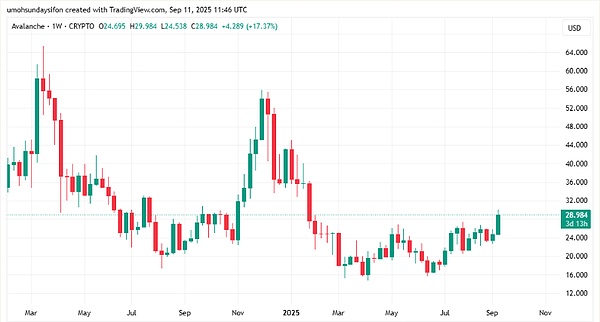
#AVAX:机构在抢!基金会跟大资本合作,想折扣价筹 10 亿买 AVAX,还突破了 213 天盘整,分析师说能冲 50 刀,现在买血赚;
0?wx_fmt=png&from=appmsg

#ARB:以太坊 L2 龙头!TVL 超 192 亿,处理 21.6 亿笔交易,最近还搞了 8000 万 DeFi 激励,现在卡在 0.58 刀阻力下,0.47 刀支撑稳,跟 “打折买基建” 似的;

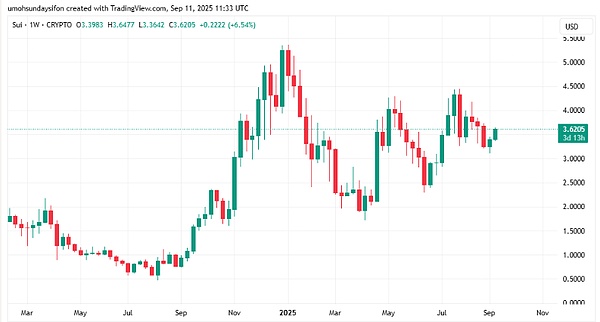
#SUI:新兴 Layer1!TVL 超 21 亿,8 月活跃地址 350 万,机构和鲸鱼都在囤,现在 3.3-3.4 刀,阻力 3.85-4.44 刀,势头没停还能涨~
0?wx_fmt=png&from=appmsg

总结:别追高!盯补涨节奏,低估币先囤着

别被 “山寨牛” 冲昏头,先按补涨节奏来;小狐狸、Base 的热度能蹭但别贪,重点盯 AVAX、ARB、SUI 这仨 ——2022 年到现在涨了 5 倍,好币还没涨透,现在入比追高安全多了!

Lecturas Relacionadas

GitHub Empire on the Brink of Collapse: Source Code Leak, 18-Year Veteran Leaves, Microsoft Loses 1.5 Billion Developers

GitHub is facing an unprecedented crisis, marked by a massive exodus of developers and severe operational failures. The tipping point came when Mitchell Hashimoto, creator of Ghostty and an 18-year GitHub user, publicly severed ties, citing persistent platform outages that made serious work impossible. This departure highlights a broader pattern of user frustration. The platform's instability has drawn complaints from major corporate clients like Citibank and Intel, forcing Microsoft to issue substantial service credits. A critical incident last month saw an accidentally triggered, unreleased feature cause widespread repository rollbacks, erasing recent code changes and pushing enterprises to migrate. Security has catastrophically breached. In May 2026, hackers infiltrated over 3,800 of GitHub's internal repositories via a poisoned VS Code extension installed by a developer, leading to the attempted sale of core source code for $50,000. This follows the discovery of a critical zero-day vulnerability in March that threatened access to millions of repositories. Internally, GitHub's autonomy has collapsed. After the resignation of CEO Thomas Dohmke in mid-2025, Microsoft eliminated the CEO role, folding GitHub into its CoreAI division under the unpopular leadership of Jay Parikh. This triggered a talent drain, with key executives and engineers leaving. A disruptive migration of GitHub's infrastructure to Azure servers, pushed by CTO Vladimir Fedorov, is blamed for the recurring outages. Competitively, GitHub Copilot is under "existential threat" from superior AI coding tools like Cursor (now owned by SpaceX) and Claude Code, which offer more advanced contextual coding and automation. Ironically, Microsoft's own engineers reportedly preferred Claude Code, forcing management to revoke licenses. Financially, GitHub is a loss leader. Despite Copilot surpassing 4.7 million paid users and $3 billion in annual revenue, the AI inference costs for free services massively outstrip subscription income, hurting Microsoft's cloud margins. The recent shift from a flat fee to a pay-as-you-go model for Copilot has further alienated developers. The core question for Microsoft is whether a centralized code repository remains essential in the AI agent era. The erosion of trust, developer culture, and platform reliability threatens the very ecosystem Microsoft spent decades building.

marsbitHace 1 hora(s)

GitHub Empire on the Brink of Collapse: Source Code Leak, 18-Year Veteran Leaves, Microsoft Loses 1.5 Billion Developers

marsbitHace 1 hora(s)

SEC Promotes Tokenized Stocks, Is the Traditional Finance Industry Starting to Worry?

The U.S. Securities and Exchange Commission (SEC) is preparing to formally release an "innovation exemption" framework this week. This framework would allow third parties to tokenize U.S. stocks like Apple and Tesla without approval from the listed companies. The move, rooted in a deregulatory vision proposed by pro-crypto commissioners earlier this year, could accelerate the migration of traditional stock markets to blockchain. This development poses a structural threat of "fragmentation" to traditional finance. Core concerns are liquidity fragmentation—where trading volume disperses across multiple blockchains and platforms, leading to price disparities and reduced market efficiency—and revenue fragmentation—where trading fees and intermediary income shift away from domestic exchanges to overseas or competing platforms. The report compares the traditional stock market to a monopolistic "supermarket." Tokenization enables countless "street stalls" to operate outside this system, threatening the exchange's dominance, diluting liquidity for large orders, and slicing into revenue streams. Evidence of this capital fragmentation is already emerging. On the same day the SEC signaled the framework, decentralized platform Hyperliquid saw its RWA (real-world asset) open interest hit a record $2.6 billion, driven by demand for 24/7 on-chain trading of traditional assets. Traditional institutions face a dilemma: either collaborate to build tokenization infrastructure proactively or lobby regulators to block innovation. Regulators must balance controlling the pace of innovation with preventing domestic revenue from being captured by offshore platforms. Key future battles will revolve around defining shareholder rights for tokenized assets and regulating platforms that have grown in regulatory gray areas. In the digital asset era, inaction risks the permanent loss of long-held fee monopolies and financial leadership as capital continues to disperse.

marsbitHace 2 hora(s)

SEC Promotes Tokenized Stocks, Is the Traditional Finance Industry Starting to Worry?

marsbitHace 2 hora(s)

Trading

Spot
Futuros

Artículos destacados

Cómo comprar SUI

¡Bienvenido a HTX.com! Hemos hecho que comprar SUI Network (SUI) sea simple y conveniente. Sigue nuestra guía paso a paso para iniciar tu viaje de criptos.Paso 1: crea tu cuenta HTXUtiliza tu correo electrónico o número de teléfono para registrarte y obtener una cuenta gratuita en HTX. Experimenta un proceso de registro sin complicaciones y desbloquea todas las funciones.Obtener mi cuentaPaso 2: ve a Comprar cripto y elige tu método de pagoTarjeta de crédito/débito: usa tu Visa o Mastercard para comprar SUI Network (SUI) al instante.Saldo: utiliza fondos del saldo de tu cuenta HTX para tradear sin problemas.Terceros: hemos agregado métodos de pago populares como Google Pay y Apple Pay para mejorar la comodidad.P2P: tradear directamente con otros usuarios en HTX.Over-the-Counter (OTC): ofrecemos servicios personalizados y tipos de cambio competitivos para los traders.Paso 3: guarda tu SUI Network (SUI)Después de comprar tu SUI Network (SUI), guárdalo en tu cuenta HTX. Alternativamente, puedes enviarlo a otro lugar mediante transferencia blockchain o utilizarlo para tradear otras criptomonedas.Paso 4: tradear SUI Network (SUI)Tradear fácilmente con SUI Network (SUI) en HTX's mercado spot. Simplemente accede a tu cuenta, selecciona tu par de trading, ejecuta tus trades y monitorea en tiempo real. Ofrecemos una experiencia fácil de usar tanto para principiantes como para traders experimentados.

465 Vistas totalesPublicado en 2024.12.12Actualizado en 2025.03.21

Cómo comprar SUI

Discusiones

Bienvenido a la comunidad de HTX. Aquí puedes mantenerte informado sobre los últimos desarrollos de la plataforma y acceder a análisis profesionales del mercado. A continuación se presentan las opiniones de los usuarios sobre el precio de SUI (SUI).

活动图片