Space 回顾|稳定币竞争白热化,波场 TRON 如何构筑稳定币最强生态护城河?

深潮Publicado a 2025-09-16Actualizado a 2025-09-17

波场TRON生态已构建起由USDT(结算层)、USDD(收益层)、USD1(合规层)组成的完整稳定币体系。

9月的加密市场,硝烟再起。头部去中心化衍生品协议 Hyperliquid 高调推出其原生稳定币 USDH,宣告了又一个强劲玩家加入战局。

曾经,稳定币赛道是USDT 和 USDC “双雄争霸”的简单剧本。但今天,格局早已天翻地覆。稳定币不再仅仅是交易员们用于规避波动的“工具币”,它的身份已经演变为整个加密金融体系的底层流动性血液。

当我们审视整个稳定币的生态格局时,波场TRON是一个绝对无法忽视的存在。凭借其高吞吐、低费用的网络特性,波场TRON 早已成为稳定币,尤其是 USDT 发行和流通的主战场。与此同时,波场TRON生态还布局了去中心化稳定币USDD,并与合规稳定币USD1深度集成,形成了覆盖支付结算、去中心化与合规需求的完整稳定币矩阵,堪称当前稳定币格局中至关重要的一极。

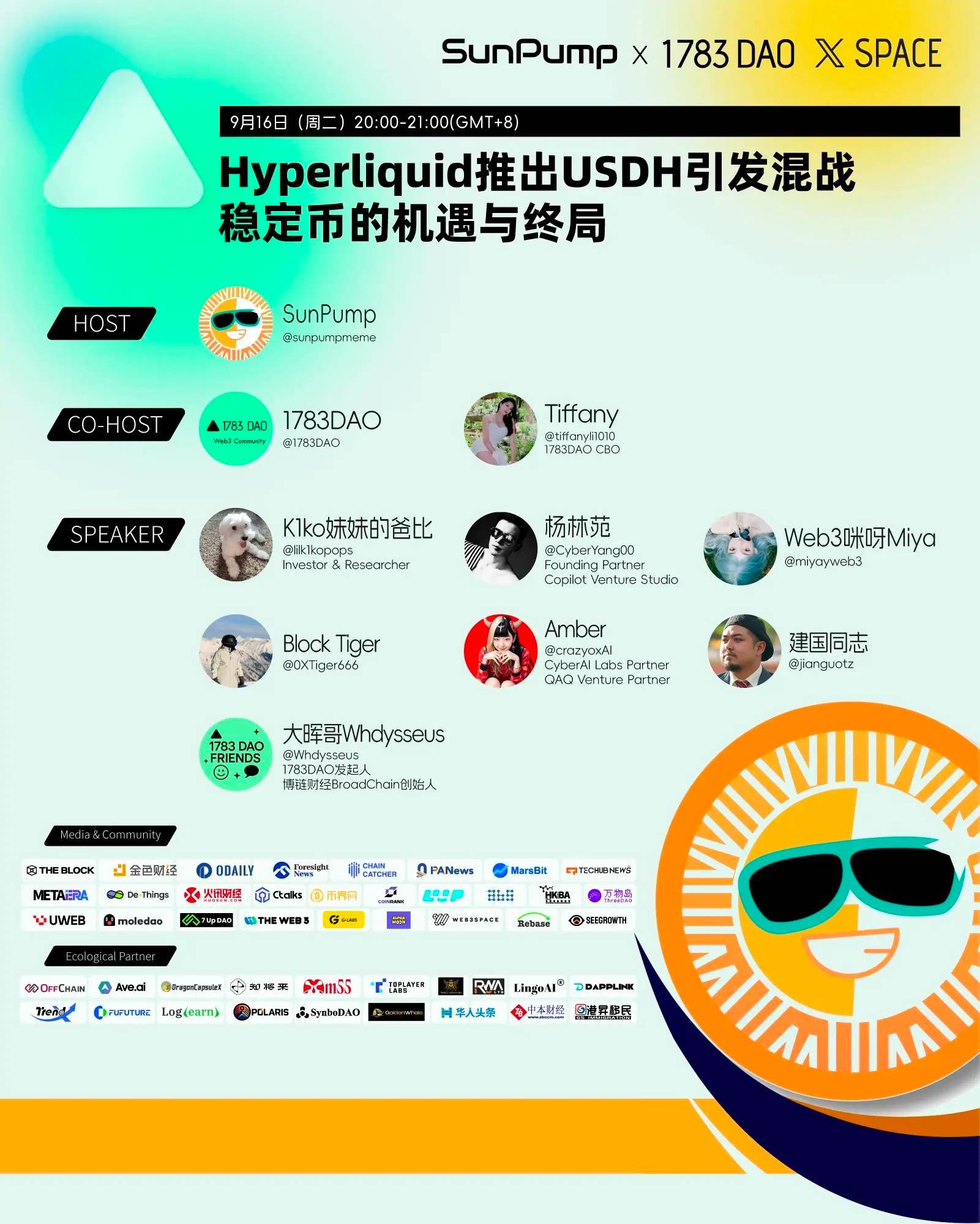
那么,为何稳定币会成为所有顶级协议必争的核心基础设施?未来是走向多元共存,还是再度形成一家独大的垄断局面?9月16日,在由 SunPump 与 1783DAO 联合主办的特别圆桌 AMA中,多位行业资深嘉宾就此展开了深度探讨。本文将带您回顾本次活动的精彩观点与思想碰撞。
为何稳定币是Crypto世界的必争之地?

"稳定币赛道最迷人的地方在于,它本质上与交易所一样,是整个加密领域最赚钱的两个生意。“Block Tiger在圆桌讨论中一针见血地指出,"发行稳定币就相当于成立一个加密领域的央行”。以波场TRON的稳定币生态为例,波场TRON网络上发行的USDT占比长期超过50%,稳居全球第一,被广泛应用于全球高频转账和跨境支付,充分证明了稳定币业务的巨大价值。Block Tiger最后点明了稳定币业务取得成功的关键要素:用户规模与使用场景,缺一不可

Amber从商业本质角度分析道:"稳定币就像一个水龙头,只要你把握了结算这件事,就可以源源不断地产生现金流。与结算越近的业务,就是越赚钱的业务。"她指出,稳定币除了显性的利息收益外,更蕴含着将传统金融所有玩法在链上重演一遍的巨大潜力。

Web3咪呀Miya从实际应用场景补充道:"稳定币之所以必不可少,是因为它是连接传统世界与加密世界的最佳桥梁。”建国同志也指出,当前稳定币提供的10-12%年化收益,对于传统体量资金而言是一个极具吸引力的入场机会。

在这场围绕盈利性、战略地位、用户基础与监管合规展开的棋局中,各方势力正在展开激烈角逐。无论是Hyperliquid等新锐玩家,还是波场TRON等已构建完整生态的老将,都在这个充满挑战与机遇的红海中奋力寻找突破口。

稳定币竞争白热化,多元共存还是赢家通吃?

针对目前的竞争格局,圆桌嘉宾一致认为稳定币市场未来将呈现多币共存、多个寡头的格局,而不是绝对的一个赢家通吃。K1KO用互联网发展史作了一个精妙的类比:"就像移动支付时代微信和支付宝占据90%江山,但抖音、京东也要做支付,浏览器领域有Chrome、火狐,但也有夸克、UC浏览器。"他指出,不同垂直场景都会有自己的王者。Amber对此表示认同并补充道:"暂时还是USDT一家独大,因为其量级和衍生品深度已经形成使用惯性,但在不同场景下都会有一个头部稳定币。”

在这个多元生态中,波场TRON生态已经构建了完整的稳定币三层战略体系,形成了覆盖支付结算、去中心化和合规需求的完整产品矩阵。这种多层次布局正好契合了未来稳定币市场分层次、分场景共存的发展趋势。

l 第一层:USDT——主导市场的核心基础设施

波场TRON网络已成为USDT最主要发行和流通网络,9月5日数据显示,波场TRON链上稳定币市值超833亿美元,其中TRC20-USDT发行量超826亿枚,稳居全球第一。目前波场TRON链上持有USDT的账户数量超过6800万,充分证明了其在全球范围内的采用程度,彰显了波场TRON网络作为稳定币核心基础设施的领先地位。

凭借波场TRON低手续费、高吞吐的网络特性,TRC20-USDT已成为众多跨境支付和日常交易场景的首选,广泛应用于金融信托、通讯转账、旅行结算和跨境支付等领域,并获得越来越多主流平台的支持。

l 第二层:USDD——去中心化稳定币的创新突破

作为去中心化稳定币市场的"黑马",USDD自上线以来保持长期稳定运行和快速增长。其迭代的2.0版本在今年1月份上线,2周就实现流通量破亿,增长势头迅猛。目前,USDD 2.0供应量已突破5亿枚,APY(年收益率)高达20% 。
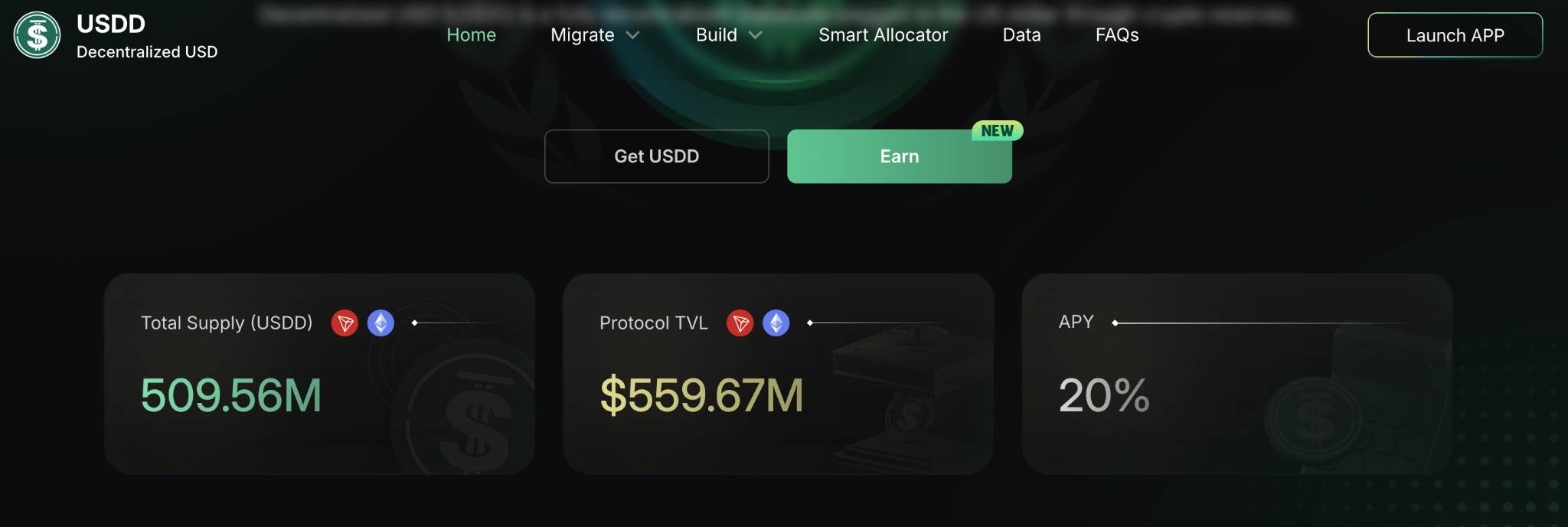
9月8日,USDD正式原生部署上线以太坊,同时在以太坊主网上推出高达12% APY的奖励活动。这一举措标志着USDD开始向多链生态扩张,为去中心化稳定币市场注入了新的活力。

l 第三层:集成USD1——合规化发展的战略布局

USD1作为由特朗普家族关联项目WLFI发行的合规美元稳定币,自今年3月推出以来,便以“高透明度、强合规性”迅速赢得市场认可。截至9月17日,USD1流通量超26亿美元,成为全球第六大稳定币。

值得注意的是,波场TRON生态已完成了USD1从技术接入到DeFi基础设施集成的全流程部署。今年6月11日,USD1在波场TRON网络上正式开启铸造,首批铸造量为1000枚,标志着USD1正式融入波场TRON生态。7月7日,波场TRON生态一站式去中心化交易所SUN.io率先推出多个USD1交易对,为用户打通便捷交易通道。紧接着,8月19日,借贷协议JustLend DAO全面支持USD1存款与借贷,极大地拓展了该稳定币的收益应用场景。

截至9月17日,波场TRON链上USD1发行量已突破5447万,24小时交易量超过3.5亿美元,持币地址数超两万个,链上总交易笔数超8.8万笔。这一系列数据充分展现了USD1在波场生态内快速增长的流动性与用户接受度,彰显其作为新一代合规稳定币的巨大发展潜力,为波场TRON稳定币生态注入多元活力。

波场TRON通过这三层稳定币体系形成了强大的协同效应:USDT提供流动性和市场覆盖率,USDD推动去中心化创新,USD1满足合规需求。这种多层次布局使波场能够在不同的市场环境和监管要求下保持竞争力,为用户提供全方位的稳定币解决方案。

随着稳定币市场的不断发展,波场TRON生态的这种战略布局正在显现出越来越大的价值。无论是Hyperliquid USDH等新玩家的入场,还是传统金融机构的加入,波场TRON已经建立的生态优势为其在未来的稳定币竞争中占据了有利位置。

Criptos en tendencia

Lecturas Relacionadas

South Korean Retail Investors 'Move from Seoul to Wall Street': Buying SK Hynix ADR, Betting on Triple-Leverage ETF

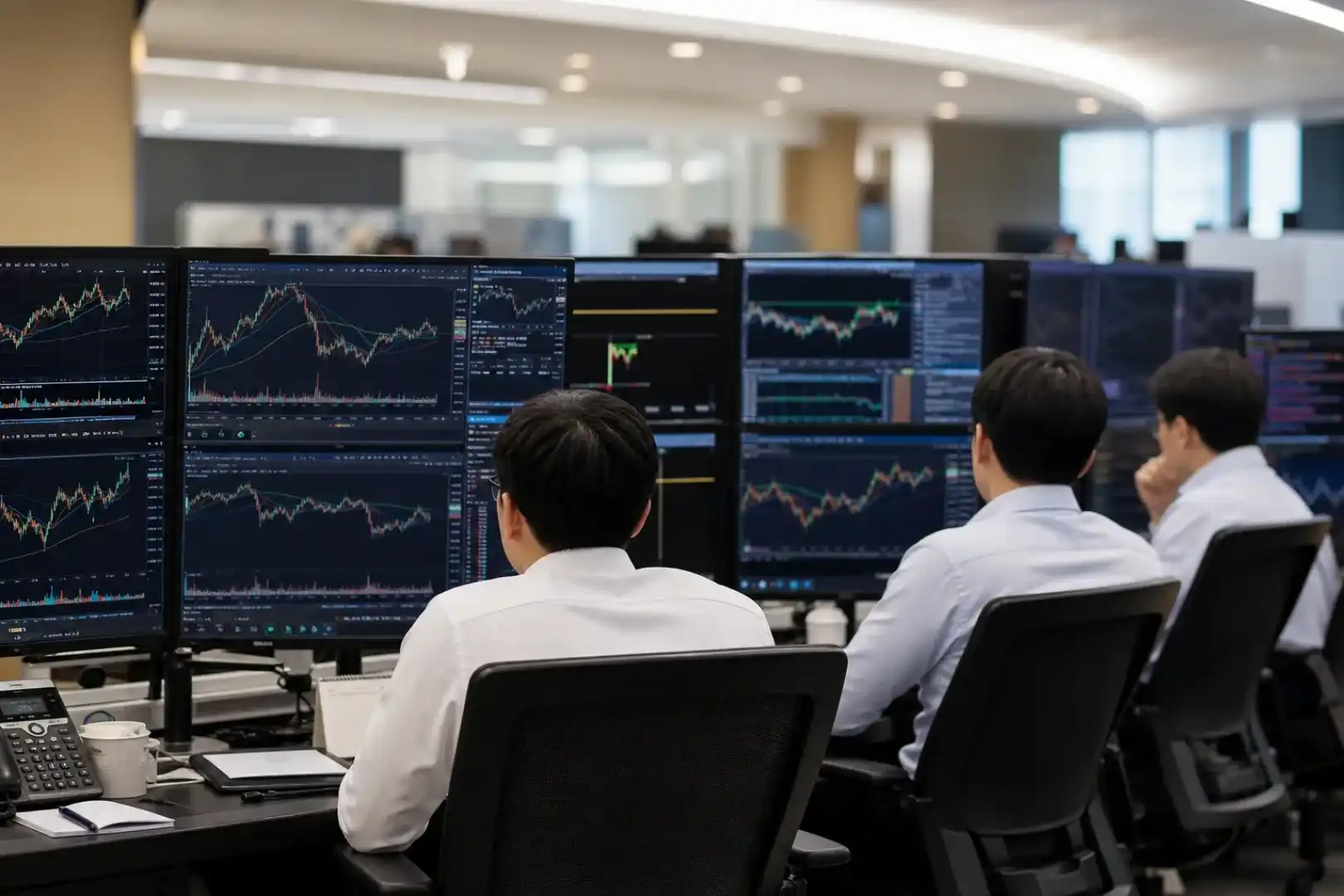
A surge of Korean retail investors is shifting funds from the volatile Seoul market to Wall Street, intensifying their bets on the AI theme through unconventional and high-risk instruments. Data shows Korean investors were net buyers of about $4.5 billion in US stocks in July, nearing a yearly peak. A notable trend is their purchase of approximately $840 million worth of SK Hynix American Depositary Receipts (ADRs), despite a significant 10% premium over the company's domestic shares, leading analysts to label the move as speculative and irrational. Simultaneously, Korean traders are heavily favoring leveraged ETFs. The triple-leveraged semiconductor ETF SOXL was the most-bought US product in July, with leveraged products occupying four of the top ten spots. Experts note that this shift in geography does not represent a diversification of risk; instead, investors are merely expressing the same concentrated bet on AI hardware through different, often riskier, US-listed vehicles. Analysts warn that while this capital inflow is unlikely to systemically impact the vast US institutional market, it risks creating localized distortions and amplifying volatility, particularly in the targeted sectors and instruments. The move follows a sharp correction in the Korean market, where high leverage in semiconductor stocks and related ETFs had previously led to significant losses, prompting this search for alternative avenues to chase the AI narrative.

marsbitHace 17 min(s)

South Korean Retail Investors 'Move from Seoul to Wall Street': Buying SK Hynix ADR, Betting on Triple-Leverage ETF

marsbitHace 17 min(s)

Bithumb's First Half Report: Net Loss Exceeds $76 Million, Where Did the Profits Go?

**Title: Bithumb H1 2026 Report: Net Loss Exceeds $76M – Where Did the Profits Go?** Despite a headline net loss of approximately 108.7 billion KRW (~$76.44 million) for the first half of 2026, a detailed breakdown reveals Bithumb's core exchange business remained profitable. The significant loss was primarily driven by two major non-operating items: substantial losses on the disposal and valuation of the company's own cryptocurrency holdings (net loss ~$48.21 million) and a sharp increase in litigation provisions (~$25.93 million), largely linked to a regulatory fine. Operating revenue fell 48.7% year-on-year to ~$119 million, almost entirely from transaction fees, as market activity cooled. While the company drastically cut marketing and subsidy expenses by ~70% to protect margins, more rigid costs like payment processing and salaries declined only modestly. This highlights the vulnerability of its highly fee-dependent revenue model in a down market. Total assets decreased by ~$584 million, but this was largely attributable to an ~86% drop in client KRW deposits. The market value of client crypto assets under custody also fell (~32.7%), partly influenced by declining cryptocurrency prices rather than solely client withdrawals. In summary, the report indicates underlying exchange profitability was eroded by significant crypto asset losses and mounting regulatory/legal costs, against a backdrop of declining trading revenue. Future focus should be on revenue recovery, managing crypto-related损益, and the ongoing impact of regulatory challenges.

marsbitHace 37 min(s)

Bithumb's First Half Report: Net Loss Exceeds $76 Million, Where Did the Profits Go?

marsbitHace 37 min(s)

BitMart's Final 9 Days: A True Exchange Crisis Is Never About Shutting Down

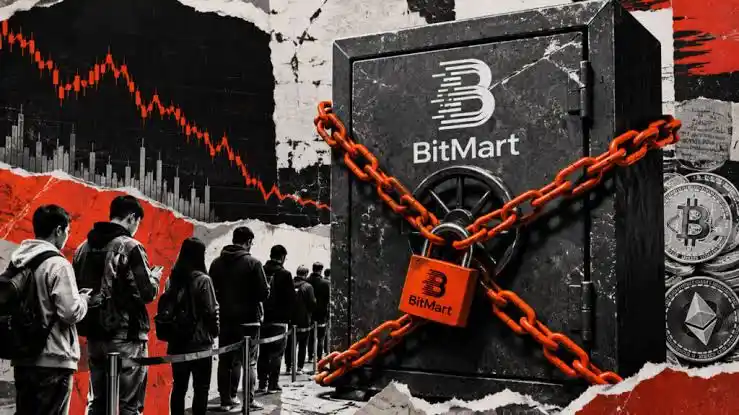
BitMart's Final 9 Days: A True Exchange Crisis Is Not About Shutting Down On August 17, 2026, with just 9 days until BitMart's scheduled cessation of trading, the focus shifted from the platform's orderly closure to serious questions about user withdrawals, platform solvency, employee payments, and reserve transparency. Stakeholders, claiming to represent users and staff, publicly demanded asset/liability disclosures, explanations for withdrawal delays, a user repayment plan, and an independent audit, setting an August 19 deadline. While BitMart CEO Sheldon Lee denied allegations of insolvency or wrongdoing, the controversy highlighted a core vulnerability of centralized exchanges (CEXs). When an exchange announces its shutdown, normal user behavior changes dramatically, triggering a mass withdrawal event—the ultimate stress test for its liquidity and custodial integrity. The key question becomes not whether the platform has assets, but whether it holds sufficient *liquid* assets to cover all user liabilities on demand. The article argues that the trust placed in CEXs is based on the convenience they provide, abstracting users from direct control of their private keys. This trust is rarely questioned during normal operations but becomes critically exposed during a wind-down. The situation underscores the limitations of simple Proof of Reserves, which shows "what we have" but not the crucial "what we owe." True financial credibility requires transparent, auditable data on assets, liabilities, and segregated user funds. BitMart's situation reflects a broader, often overlooked issue in the crypto industry: while there is extensive focus on growth mechanisms for exchanges, there is little discussion or established protocol for a safe and transparent "exit mechanism." The final measure of an exchange's integrity, the article concludes, is not its user count or trading volume during a bull market, but its ability to ensure every last user can successfully withdraw their assets when the doors are closing. The outcome will be determined not by statements, but by whether the final user's funds securely leave the platform.

marsbitHace 1 hora(s)

BitMart's Final 9 Days: A True Exchange Crisis Is Never About Shutting Down

marsbitHace 1 hora(s)

Don't Speculate on 100x Coins, Just Bet on 'Cash Cows': Which Projects Are Worth Dollar-Cost Averaging in the Bear Market?

In a bearish crypto market, finding sustainable investments is more prudent than chasing speculative meme coins. This article analyzes projects generating consistent revenue, highlighting them as potential "cash cows" for long-term dollar-cost averaging (DCA). The top performers are "picks-and-shovels" plays. **Pump.fun**, a Solana-based meme coin launchpad, leads with $415.3M in monthly revenue, profiting from a 1.25% fee on token transactions. Despite market volatility, it has averaged tens of millions in monthly income in 2024. Perpetual DEX **Hyperliquid** stands out as a "bear market star," accumulating ~$352M in revenue over seven months. Its model funnels ~99% of fees into buying back and permanently burning its HYPE token. Established giants are also adapting. **Uniswap**, after enabling its fee switch, now earns protocol revenue (e.g., $5.6M recently), which is used to buy back and burn UNI, giving the token direct value accrual. Similarly, oracle provider **Chainlink** generates stable monthly revenue (~$4.57M recently) from its essential data, cross-chain, and automation services. Its new Payment Abstraction feature automatically converts service fees into LINK, accruing value in its treasury. The core thesis is clear: in a downturn, focus on projects with proven, resilient business models—those acting as essential infrastructure or capturing consistent transaction fees—rather than speculative narratives.

marsbitHace 1 hora(s)

Don't Speculate on 100x Coins, Just Bet on 'Cash Cows': Which Projects Are Worth Dollar-Cost Averaging in the Bear Market?

marsbitHace 1 hora(s)

Trading

Spot

Artículos destacados

Cómo comprar TRX

¡Bienvenido a HTX.com! Hemos hecho que comprar TRON (TRX) sea simple y conveniente. Sigue nuestra guía paso a paso para iniciar tu viaje de criptos.Paso 1: crea tu cuenta HTXUtiliza tu correo electrónico o número de teléfono para registrarte y obtener una cuenta gratuita en HTX. Experimenta un proceso de registro sin complicaciones y desbloquea todas las funciones.Obtener mi cuentaPaso 2: ve a Comprar cripto y elige tu método de pagoTarjeta de crédito/débito: usa tu Visa o Mastercard para comprar TRON (TRX) al instante.Saldo: utiliza fondos del saldo de tu cuenta HTX para tradear sin problemas.Terceros: hemos agregado métodos de pago populares como Google Pay y Apple Pay para mejorar la comodidad.P2P: tradear directamente con otros usuarios en HTX.Over-the-Counter (OTC): ofrecemos servicios personalizados y tipos de cambio competitivos para los traders.Paso 3: guarda tu TRON (TRX)Después de comprar tu TRON (TRX), guárdalo en tu cuenta HTX. Alternativamente, puedes enviarlo a otro lugar mediante transferencia blockchain o utilizarlo para tradear otras criptomonedas.Paso 4: tradear TRON (TRX)Tradear fácilmente con TRON (TRX) en HTX's mercado spot. Simplemente accede a tu cuenta, selecciona tu par de trading, ejecuta tus trades y monitorea en tiempo real. Ofrecemos una experiencia fácil de usar tanto para principiantes como para traders experimentados.

2.0k Vistas totalesPublicado en 2024.12.10Actualizado en 2026.06.02

Cómo comprar TRX

Discusiones

Bienvenido a la comunidad de HTX. Aquí puedes mantenerte informado sobre los últimos desarrollos de la plataforma y acceder a análisis profesionales del mercado. A continuación se presentan las opiniones de los usuarios sobre el precio de TRX (TRX).

活动图片