Пол Аткинс рассказал об изменении регуляторного подхода к крипторынку США

cryptonews.ruPublicado a 2025-04-14Actualizado a 2025-09-15

Председатель Комиссии по ценным бумагам и биржам США (SEC) Пол Аткинс (Paul Atkins) заявил, что отныне ведомство будет заранее уведомлять криптовалютные компании о нарушениях, и только потом могут последовать санкции и штрафы.

Аткинс подчеркнул, что подавляющее большинство криптоактивов не стоит классифицировать как ценные бумаги. Регулирование рынка должно быть выстроено таким образом, чтобы компании могли вести круглосуточную торговлю своими токенизированными акциями и облигациями с применением блокчейна.

«SEC справедливо критиковали, особенно в последние годы. Регулятор часто действовал без опоры на прецеденты и предсказуемость — сначала стрелял, потом разбирался. Регуляторы должны обеспечивать минимально эффективную дозу регулирования, необходимую для защиты инвесторов, и не более того».

Глава SEC отметил, что планирует сделать все возможное, чтобы криптоиндустрия перестала воспринимать агентство как закрытое и предвзятое учреждение. Аткинс также высоко оценил европейскую структуру регулирования криптоактивов и призвал к международному сотрудничеству для содействия развитию инновационных рынков.

Ранее Пол Аткинс заявил, что ведомство работает над комплексом мер, предусматривающих освобождение платформ децентрализованных финансов (DeFi) от нормативных барьеров.
Lecturas Relacionadas

Mysterious "Whale" Sells $576 Million Worth of Bitcoin Amid BTC Price Approach to $80,000

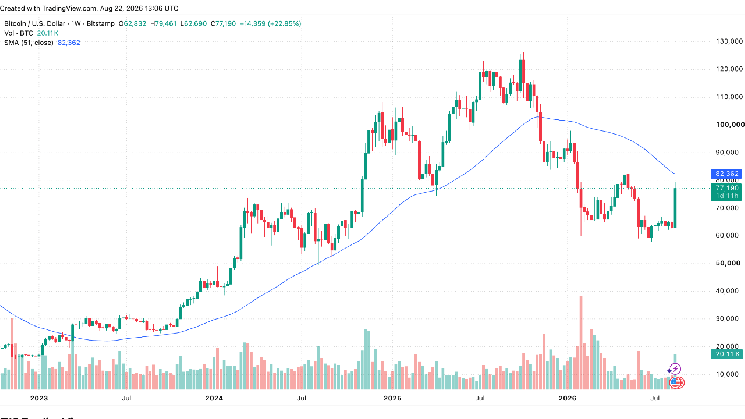
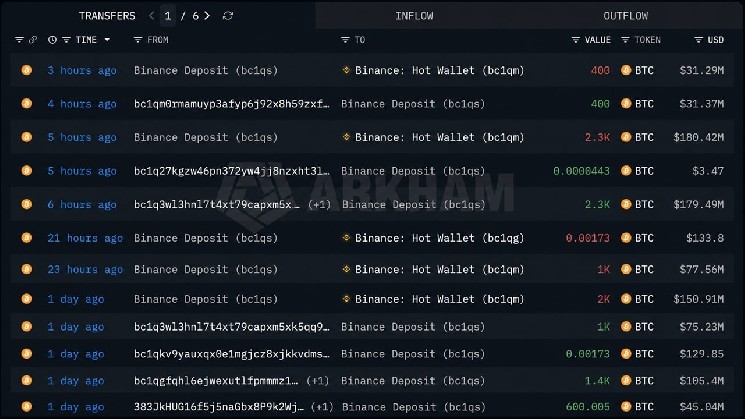
An unidentified crypto "whale" sold 2,700 BTC (worth approximately $211.8 million) in a single transaction, bringing its total sales over three days to 7,700 BTC for roughly $576.6 million. This selling pressure occurs as Bitcoin trades near the $80,000 mark, having recently retreated from nearly reaching that level. While large holders often sell to realize profits during sharp rallies, on-chain data only confirms the movement of coins, not the motive. So far, these sales have had little impact on Bitcoin's upward momentum, with the asset posting double-digit gains recently and its strongest weekly increase since 2024. The rally was fueled by a U.S. Treasury Department announcement to at least double its long-term bond buyback operations starting September 9th, which lowered bond yields and pushed investors toward riskier assets like Bitcoin. This week's selling marks a reversal from a recent accumulation trend, where large holders had added about 43,000 BTC (worth ~$2.75B) over a 60-day period ending in mid-August, helping set the stage for the current price surge. As Bitcoin hovers around $80,000, traders are watching key factors: whether other major holders will follow suit and sell into strength, and if renewed institutional demand from ETFs can absorb the selling pressure. The outcome will likely determine Bitcoin's next major price move.

cryptonews.ruHace 1 hora(s)

Mysterious "Whale" Sells $576 Million Worth of Bitcoin Amid BTC Price Approach to $80,000

cryptonews.ruHace 1 hora(s)

Illinois' 0.2% Cryptocurrency Tax Sparks Major Legal Battle

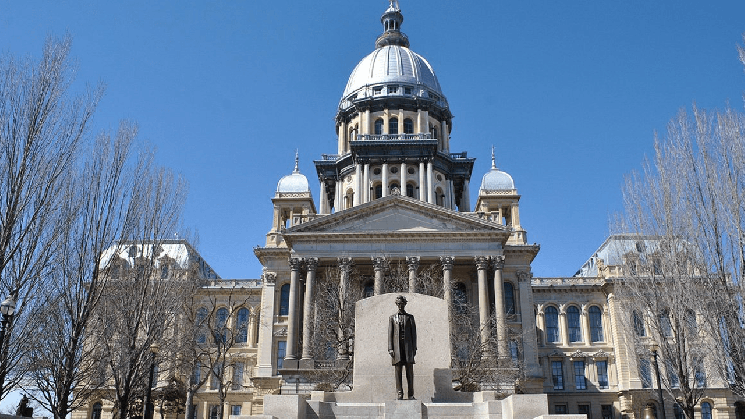
Blockchain Association and Crypto Council for Innovation filed a lawsuit on August 21 in an Illinois district court against state officials, seeking to declare the state's Digital Asset Tax Act unlawful and block its implementation. The lawsuit centers on Illinois' plan to impose a 0.2% tax on the value of a digital asset for certain transactions through a digital asset broker, effective January 1. Plaintiffs argue the tax applies even to non-sales activities like transferring assets between wallets or paying for custody services, which is unlike the treatment of traditional assets like stocks or gold. They contend this discriminates against digital assets, taxing the mechanism of storage or transfer rather than an economic gain. The complaint highlights multiple ambiguities: a single crypto purchase involving exchange, deposit, and custody could trigger multiple taxable events; the law doesn't define how to value the asset or determine a customer's residency for tax purposes, leaving brokers guessing. Businesses face potential civil and criminal penalties for non-compliance, possibly leading them to avoid Illinois customers. The groups also challenge the legislative process, noting the tax was added as a small part of a massive 1,624-page bill passed hastily, violating constitutional requirements. They claim the tax violates federal laws like the Internet Tax Freedom Act and the dormant Commerce Clause. The immediate goal is to obtain an injunction before the January 1 enforcement date, testing whether a state can single out digital asset transactions for such a tax.

cryptonews.ruHace 1 hora(s)

Illinois' 0.2% Cryptocurrency Tax Sparks Major Legal Battle

cryptonews.ruHace 1 hora(s)

Trading

Spot
活动图片