Prezzo di Ethereum Più Influenzato dai Mercati Off-Chain Rispetto a Bitcoin

bitcoinistPublicado a 2025-09-03Actualizado a 2025-09-03

Resumen

Secondo l’analisi di Glassnode, il prezzo di Ethereum sembra dipendere più dai mercati dei derivati (strumenti finanziari che “scommettono” sull’andamento...

Trusted Editorial content, reviewed by leading industry experts and seasoned editors. Ad Disclosure

Secondo l’analisi di Glassnode, il prezzo di Ethereum sembra dipendere più dai mercati dei derivati (strumenti finanziari che “scommettono” sull’andamento futuro) e da operazioni esterne alla blockchain, piuttosto che dagli acquisti e dalle vendite dirette come avviene per Bitcoin.

Differenze tra Bitcoin ed Ethereum

Gli analisti hanno osservato un indicatore chiamato Cost Basis Distribution (CBD), che mostra a quale prezzo gli investitori hanno comprato una criptovaluta in passato. Questo è importante perché, quando il prezzo torna su quei livelli, gli investitori tendono a reagire, vendendo o comprando di nuovo.
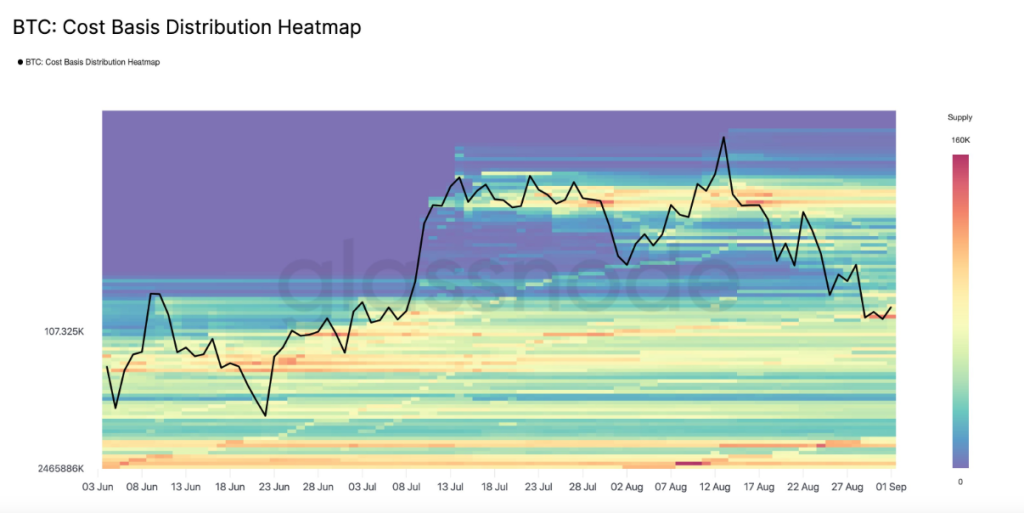
  • Bitcoin: durante il forte rialzo di luglio, si era creato un “vuoto” in alcuni livelli di prezzo perché il BTC era salito troppo velocemente. Successivamente, però, questi livelli sono stati riempiti da nuove compravendite, segno che c’è ancora molta domanda sul mercato spot (cioè sugli acquisti diretti).

  • Ethereum: anche i rialzi di ETH hanno lasciato dei vuoti, ma a differenza di Bitcoin non si sono colmati quando il prezzo è rallentato. Questo lascia pensare che il prezzo di Ethereum sia più legato al trading su mercati esterni (come i derivati), che spesso portano a movimenti più volatili e imprevedibili.

Cosa significa per gli investitori

In poche parole:

  • Bitcoin mostra ancora una forte domanda di acquisti diretti.

https://x.com/JA_Maartun/status/1962863120894034350

  • Ethereum, invece, appare più influenzato da speculazioni e strumenti finanziari complessi, quindi con maggiore rischio di oscillazioni improvvise.

Altre notizie di mercato

Bitcoin, dopo l’ultimo calo, si trova vicino a un livello chiave di prezzo medio pagato dai nuovi investitori (quelli che hanno comprato negli ultimi 5 mesi circa). Storicamente, quando BTC scende sotto questo livello, spesso segue una fase di debolezza a breve termine.

Ethereum, intanto, è sceso a 4.370$, del 5% in una settimana.
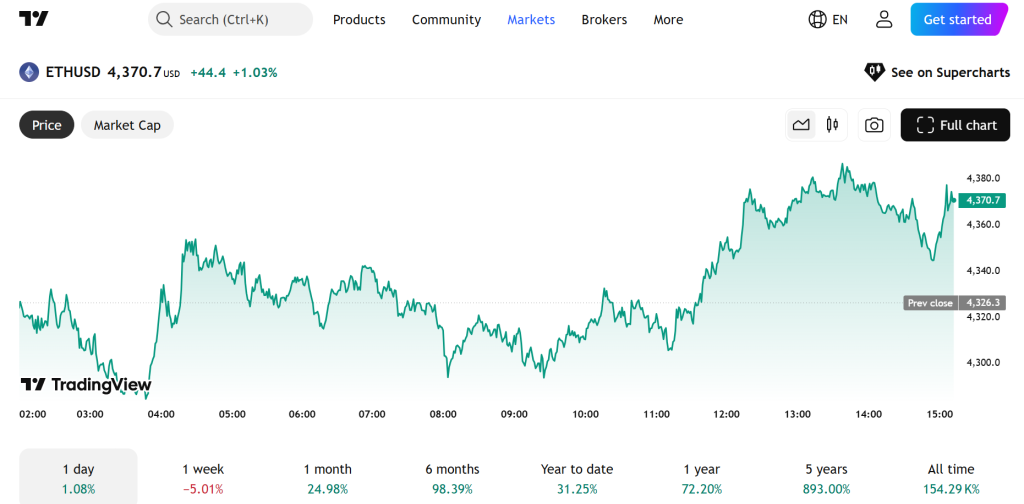
FONTE: TRADING VIEW


Editorial Process for bitcoinist is centered on delivering thoroughly researched, accurate, and unbiased content. We uphold strict sourcing standards, and each page undergoes diligent review by our team of top technology experts and seasoned editors. This process ensures the integrity, relevance, and value of our content for our readers.
Clara Rosati

Clara Rosati

Copywriter
Follow

Ha conseguito una laurea magistrale con una tesi sull’evoluzione della tecnologia blockchain, approfondendo in particolare le sue applicazioni nei sistemi economici digitali. Ha collaborato con diverse testate scrivendo articoli su criptovalute, finanza decentralizzata e innovazione tecnologica, e ha partecipato come relatrice a conferenze dedicate all’ecosistema Ethereum.

Lecturas Relacionadas

Agentized OS: It's Not About AI, It's About the Foundation

The Agentic OS: Beyond AI, It's About the Foundational Stack In 2026, major operating systems like Android, iOS, HarmonyOS, and Windows are entering the "Agentic" era, integrating proactive AI assistants deeply into the system layer. However, the real competition lies not in the flashy AI features showcased at events, but in the three-layer foundational stack that enables them: the system-level AI Runtime, proprietary/controllable chips, and the on-device/cloud model matrix. The AI Runtime acts as the central scheduler, managing model inference, resource allocation, and exposing capabilities to apps. Controllable chips (e.g., Apple Silicon, Google Tensor, Huawei Kirin) are crucial for deep hardware-software co-optimization, determining the efficiency and experience limits of on-device Agents. The on-device/cloud model matrix provides the "intelligence," with proprietary, chip-optimized small models (like Gemini Nano, Apple's ~3B model) handling daily tasks locally for low latency, privacy, and reliability, while cloud models tackle complex requests. Deep synergy between these three layers enables key Agent differentiators: ultra-low latency and power efficiency, genuine "on-device first" privacy, access to system-level personal context across apps, and reliable performance as a system service even offline. OS vendors with strong integration across this stack (like Apple, Google, and Huawei) build a deeper moat. Beyond this core stack, long-term competitiveness depends on variables like structured App integration (e.g., App Intents/AppFunctions) for reliable multi-step workflows, and robust privacy frameworks that build user trust. This shift towards Agentic OS extends beyond phones and PCs to IoT, cars, and XR glasses via existing multi-device ecosystems. The race is won not in a keynote, but through generations of meticulously co-developed chips, models, and system software.

marsbitHace 19 min(s)

Agentized OS: It's Not About AI, It's About the Foundation

marsbitHace 19 min(s)

Why Sam Altman's 'Water and Electricity Theory' Sparks Copyright Controversy

OpenAI CEO Sam Altman's recent statement that "intelligence will become a utility like electricity or water" has sparked significant controversy, primarily around copyright issues and the nature of AI development. While positioning AI as a utility serves as a compelling narrative for infrastructure investors, critics argue the analogy is flawed in three key areas. First, there's a fundamental "property gap." Traditional utilities like water and power create new, physical infrastructure from scratch. In contrast, major AI models are trained by reorganizing vast amounts of existing human-created content—books, articles, code, etc.—often scraped from the web without explicit permission or compensation to creators. This "free acquisition, paid resale" model is seen by many as ethically problematic. Second, there's a "pricing gap." True public utilities are typically regulated to ensure universal service with non-discriminatory, cost-plus pricing. AI's token-based pricing, however, involves significant price discrimination (e.g., output tokens costing much more than input tokens) and is designed for revenue maximization, not equitable access. Third, a "governance gap" exists. Utilities operate under public oversight, while AI pricing and development are currently controlled by a few private companies. Furthermore, the industry's own shift toward buying licensed training data (e.g., deals with Reddit or news publishers) undermines its previous legal reliance on "fair use" for freely scraped data. In conclusion, while AI is indeed becoming a foundational technology, calling it a public utility remains contentious. The title requires not just scale and a pay-per-use model, but also credible solutions for data provenance, equitable pricing, and public governance.

marsbitHace 35 min(s)

Why Sam Altman's 'Water and Electricity Theory' Sparks Copyright Controversy

marsbitHace 35 min(s)

From ZEC's Surge to Vitalik's Support: Will the Privacy Narrative Resurface?

From ZEC's surge to Vitalik's endorsement, is privacy making a comeback? The recent rally in ZEC has refocused attention on the crypto privacy sector. This resurgence stems from a growing market realization: while blockchain transparency builds trust, full exposure of user balances, trading strategies, and risk positions can become a vulnerability, especially for large traders and institutions on platforms like Hyperliquid. The privacy landscape has evolved beyond classic anonymity coins like ZEC, XMR, and DASH. It now encompasses privacy infrastructure projects such as Railgun (bringing privacy to DeFi) and Aztec (a privacy-focused L2), as well as newer entrants like Genius Terminal, SilentSwap, and 0xBow that emphasize transaction privacy while attempting to balance compliance. Industry trends confirm privacy is becoming integrated, not a niche feature. Perp DEX Aster has introduced a "Shield Mode," and Vitalik has discussed the need for native privacy at the Ethereum protocol level, including proposals like EIP-8182 for standardized private transfers. In conclusion, this revival is more than a simple sector rotation. It reflects a critical reassessment of transparency's limits. As on-chain finance matures, the challenge is finding a sustainable balance between necessary transparency for trust and essential privacy for protecting assets and strategies, making privacy a potential cornerstone of next-generation infrastructure.

marsbitHace 45 min(s)

From ZEC's Surge to Vitalik's Support: Will the Privacy Narrative Resurface?

marsbitHace 45 min(s)

Trading

Spot
Futuros

Artículos destacados

Cómo comprar TWT

¡Bienvenido a HTX.com! Hemos hecho que comprar Trust Wallet (TWT) sea simple y conveniente. Sigue nuestra guía paso a paso para iniciar tu viaje de criptos.Paso 1: crea tu cuenta HTXUtiliza tu correo electrónico o número de teléfono para registrarte y obtener una cuenta gratuita en HTX. Experimenta un proceso de registro sin complicaciones y desbloquea todas las funciones.Obtener mi cuentaPaso 2: ve a Comprar cripto y elige tu método de pagoTarjeta de crédito/débito: usa tu Visa o Mastercard para comprar Trust Wallet (TWT) al instante.Saldo: utiliza fondos del saldo de tu cuenta HTX para tradear sin problemas.Terceros: hemos agregado métodos de pago populares como Google Pay y Apple Pay para mejorar la comodidad.P2P: tradear directamente con otros usuarios en HTX.Over-the-Counter (OTC): ofrecemos servicios personalizados y tipos de cambio competitivos para los traders.Paso 3: guarda tu Trust Wallet (TWT)Después de comprar tu Trust Wallet (TWT), guárdalo en tu cuenta HTX. Alternativamente, puedes enviarlo a otro lugar mediante transferencia blockchain o utilizarlo para tradear otras criptomonedas.Paso 4: tradear Trust Wallet (TWT)Tradear fácilmente con Trust Wallet (TWT) en HTX's mercado spot. Simplemente accede a tu cuenta, selecciona tu par de trading, ejecuta tus trades y monitorea en tiempo real. Ofrecemos una experiencia fácil de usar tanto para principiantes como para traders experimentados.

97 Vistas totalesPublicado en 2026.05.07Actualizado en 2026.05.07

Cómo comprar TWT

Cómo comprar BILL

¡Bienvenido a HTX.com! Hemos hecho que comprar Billions Network (BILL) sea simple y conveniente. Sigue nuestra guía paso a paso para iniciar tu viaje de criptos.Paso 1: crea tu cuenta HTXUtiliza tu correo electrónico o número de teléfono para registrarte y obtener una cuenta gratuita en HTX. Experimenta un proceso de registro sin complicaciones y desbloquea todas las funciones.Obtener mi cuentaPaso 2: ve a Comprar cripto y elige tu método de pagoTarjeta de crédito/débito: usa tu Visa o Mastercard para comprar Billions Network (BILL) al instante.Saldo: utiliza fondos del saldo de tu cuenta HTX para tradear sin problemas.Terceros: hemos agregado métodos de pago populares como Google Pay y Apple Pay para mejorar la comodidad.P2P: tradear directamente con otros usuarios en HTX.Over-the-Counter (OTC): ofrecemos servicios personalizados y tipos de cambio competitivos para los traders.Paso 3: guarda tu Billions Network (BILL)Después de comprar tu Billions Network (BILL), guárdalo en tu cuenta HTX. Alternativamente, puedes enviarlo a otro lugar mediante transferencia blockchain o utilizarlo para tradear otras criptomonedas.Paso 4: tradear Billions Network (BILL)Tradear fácilmente con Billions Network (BILL) en HTX's mercado spot. Simplemente accede a tu cuenta, selecciona tu par de trading, ejecuta tus trades y monitorea en tiempo real. Ofrecemos una experiencia fácil de usar tanto para principiantes como para traders experimentados.

92 Vistas totalesPublicado en 2026.05.07Actualizado en 2026.05.12

Cómo comprar BILL

Qué es ATWO

I. Introducción al ProyectoArena Two es una plataforma interactiva descentralizada que permite a los fanáticos jugar un papel activo y tokenizado en los resultados de eventos en tiempo real. A diferencia de los modelos de transmisión tradicionales que reducen a los fanáticos a espectadores pasivos, Arena Two aprovecha la tecnología blockchain para permitir que los fanáticos voten directamente en tiempo real e influyan en los resultados en el campo.II. Información del TokenNombre del token: ATWO (Arena Two)III. Enlaces RelacionadosSitio web: https://arenatwo.com/Exploradores: https://basescan.org/token/0x499D35eBE6cEe9B2Ac35Fd003fcBbeeB9CFc7B32Twitter: https://x.com/arenatwoXNota: La introducción del proyecto proviene de los materiales publicados o proporcionados por el equipo oficial del proyecto, que es solo para referencia y no constituye asesoramiento de inversión. HTX no se hace responsable de ninguna pérdida directa o indirecta resultante.

39 Vistas totalesPublicado en 2026.05.18Actualizado en 2026.05.18

Qué es ATWO

Discusiones

Bienvenido a la comunidad de HTX. Aquí puedes mantenerte informado sobre los últimos desarrollos de la plataforma y acceder a análisis profesionales del mercado. A continuación se presentan las opiniones de los usuarios sobre el precio de A (A).

活动图片