Объем стейблкоинов превысил $280 млрд. Почему он может вырасти в 35 раз

cryptonews.ruPublicado a 2025-05-27Actualizado a 2025-08-28

Рынок стабильных токенов может вырасти в десятки раз в ближайшие пару лет. Почему их продвигают в США и как они способны привести к дополнительному криптовалют

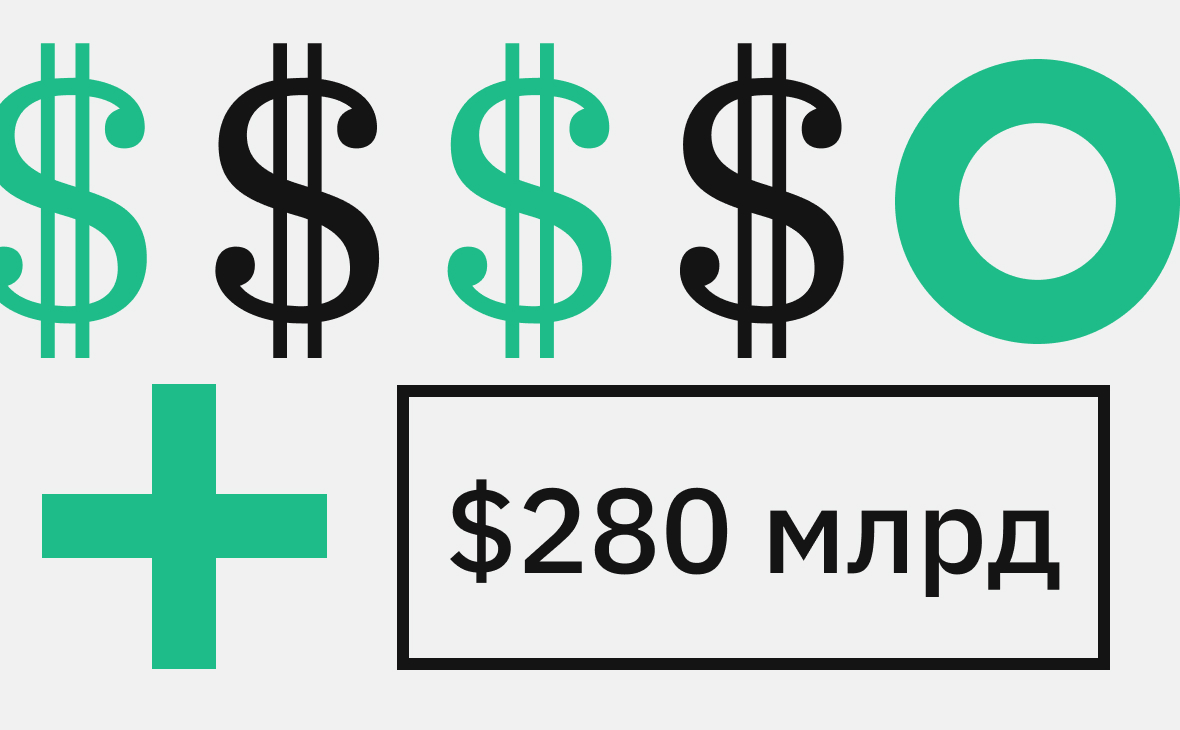
Впервые в истории капитализация стейблкоинов превысила $280 млрд, по данным Defillama на 28 августа. С начала года показатель прибавил около 35% или $75 млрд. В своем новом эссе, основатель криптобиржи BitMEX Артур Хейс назвал стейблкоины причиной «изменения мировой денежной архитектуры, которое случается раз в столетие».

« Я оцениваю, что к 2028 году общий объем стейблкоинов, привязанных к доллару, составит не менее $10 трлн», — добавил Хейс.

rbc.group

Предположения Хейса основаны на новой политике администрации президента США Дональда Трампа. В одном из первых указов Трамп отметил развитие рынка долларовых стейблкоинов как приоритетное направление.

Почти 99,8% от всей капитализации стейблкоинов составляют долларовые токены. За ними следует токены в евро (около 0,02%). Хотя эксперты отмечают перспективы развития рынка и на другие валюты, на конец августа цифры показывают практически полное отсутствие конкуренции с долларом.

В своих рассуждения Хейс также отмечает особую роль министра финансов США Скотта Бессента в развитии рынка стейблкоинов. Бессент неоднократно публично заявлял о больших перспективах крипторынка, как и Трамп отводя особую роль стабильным токенам.

По мнению политика, после принятие закона GENIUS act, регулирующего рынок стейблкоинов в США, для рынка открыта дорога к показателям капитализации до $3,7 трлн к 2030 году, что намного скромнее оценки Хейса ($10 трлн).

Бессент, как и Хейс отмечают, что обеспеченные гособлигациями США стейблкоины создадут новый устойчивый спрос на них со стороны частного сектора. Это поможет сдержать рост госдолга и сократить расходы на его обслуживание, а также расширить глобальный доступ к цифровой долларовой инфраструктуре.

О том же говорил ранее Дэвид Сакс, назначенный Трампом на должность «царя» по криптовалютам и ИИ. По его мнению спрос эмитентов стейблкоинов на госдолг США может составить триллионы долларов. Сакс также назвал их «новой платежной системой для экономики США», подчеркнув, что они помогут укрепить позиции американской валюты в цифровой сфере.

Помимо спроса на госдолг, как полагает Хейс, рост рынка стабильных монет создаст условия для развития сектора децентрализованных финансовых приложений (DeFi), что вызовет огромный рост связанных с ними криптоактивов.

Это станет возможным за счет того, что эмитенты стейблкоинов начнут делиться с пользователя доходностью от рынка гособлигаций, полагает Хейс, на основе которой построена бизнес-модель большинства стабильных токенов.

«Вы больше никогда не увидите такого бычьего рынка в секторе DeFi, получающих выгоду от распространения стейблкоинов, привязанных к доллару», — отметил Хейс.

Проблема госдолга США

Проблема госдолга США, обсуждается в самых разных кругах, в том числе и на крипторынке. И если Хейс, как упомянутые Буссент и Сакс сосредоточились на спросе на госдолг, то проблема его роста никак не решается стейблкоинами.

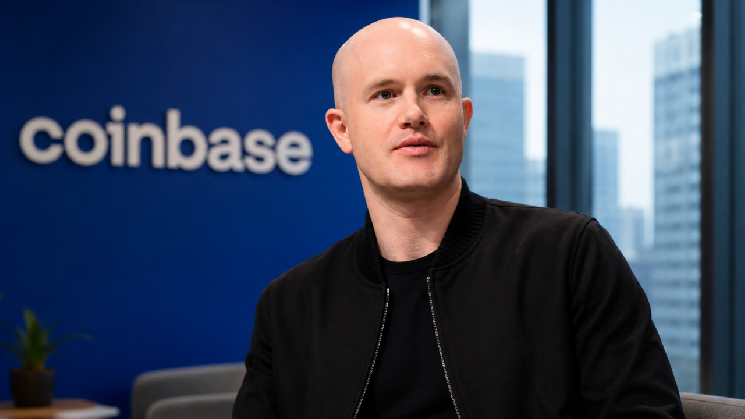
Так, например, на фоне роста госдолга США к рекордным $37 трлн глава крупнейшей американской криптобиржи Coinbase Брайан Армстронг указал на важность сокращения дефицита бюджета США (это в том числе приводит к росту госдолга). И что рост госдолга может создать условия для становления бикоина в качестве резервной мировой валюты.

В криптосообществе принято считать, что увеличение госдолга США напрямую коррелирует с ростом цены биткоина. Исторически сложилось так, что с момента создания биткоина оба показателя имели высокую корреляцию: с ростом долга США растет и цена главной криптовалюты. На этом основаны многие долгосрочные прогнозы экспертов.

«Я люблю биткоин, но сильная Америка также очень важна для мира. Нам нужно взять наши финансы под контроль», — добавил тогда Армстронг


Lecturas Relacionadas

Claude Code Easily Compromised with Just a Fake Tool

Researchers have demonstrated a novel attack, dubbed ToolLeak, that can easily compromise AI coding assistants like Claude Code. The method exploits a "mode gap" by stealing the system prompts (instructions) not through direct chat queries, but by tricking the model into leaking them as parameters during tool calls. This extracted information is then used to craft a "two-channel prompt injection" attack. Attackers register a malicious tool with a description formatted to mimic legitimate instructions, prompting the AI agent to call it. The tool's return value then instructs the agent to execute a malicious command (e.g., `curl | bash`), achieving Remote Code Execution (RCE). In tests against six major AI programming tools (Cursor, Claude Code, Copilot, Windsurf, Cline, Trae) using older versions, all were fully compromised, with attack success rates reaching up to 1.0. Notably, Claude Code's secondary guard model (Haiku) was overridden by the main model (Sonnet), which had been manipulated by the injected instructions. Newer versions show improved defenses. Claude Code and Cursor implemented mitigations like "progressive tool description exposure," reducing RCE success to 0 and 0.3 respectively in some configurations. However, tools like Cline, Windsurf, and Trae paired with certain models remained fully vulnerable. The research underscores that architectural isolation is crucial for defense, as long as tool return values can ambiguously function as both data and executable instructions, the threat of tool hijacking persists. The paper "TIPExploit: Tool-Invocation Prompt Extraction and Exploitation in AI Coding Agents" has been accepted at ISSTA 2026.

marsbitHace 1 min(s)

Claude Code Easily Compromised with Just a Fake Tool

marsbitHace 1 min(s)

Bernstein Analysis: Samsung's HBM4 Accelerates Volume, Q3 Revenue May Overtake SK Hynix

South Korea’s July memory export data, serving as an early indicator for HBM business in Q3, shows overall HBM demand remains robust. While total exports to Taiwan and Malaysia declined 32% month-on-month from June’s peak—largely due to seasonality—they were still up 13% compared to April and rose 64% year-on-year. However, a divergence emerged between Samsung and SK Hynix. Samsung’s exports from Chungcheongnam-do (a proxy for its HBM shipments) surged, reaching $2.2 billion in July, up 122% from April. Based on regression analysis, Bernstein estimates Samsung’s Q3 HBM revenue could hit around $12 billion, roughly 30% above its prior forecast, driven by a rapid ramp in higher-value HBM4. The unit value of Samsung’s exports has doubled since April, signaling a shift toward HBM4, which carries a significantly higher price. In contrast, exports linked to SK Hynix from Chungcheongbuk-do and Icheon fell 28% month-on-month and 27% versus April. Bernstein’s base model suggests SK Hynix’s Q3 HBM revenue could drop to about $5.6 billion, though this could rebound to $12 billion if shipments concentrate later in the quarter as historically seen. The weakness may relate to potential delays in HBM4 shipments for Nvidia’s Rubin platform. Notably, HBM pricing is decoupling from general DRAM, with HBM4 mix driving average selling prices rather than broad-based hikes. Exports to Malaysia also surged, possibly linked to Intel’s EMIB packaging facilities, though the exact drivers remain unclear. While July data reinforces Samsung’s accelerating momentum in HBM4, it is insufficient to confirm a full-year market share reversal. Key factors to watch are Samsung’s August-September export performance, whether SK Hynix recovers lost ground, and upcoming 2027 HBM contract pricing negotiations.

marsbitHace 2 min(s)

Bernstein Analysis: Samsung's HBM4 Accelerates Volume, Q3 Revenue May Overtake SK Hynix

marsbitHace 2 min(s)

The New Rules of the AI Race: Nvidia Shifts from Chips to Energy Resources and Construction Sites

Nvidia is providing a $105 billion financial guarantee for the construction of OpenAI's data center campus in Ohio, signaling a strategic shift in the AI industry from competing on chips to battling for physical infrastructure and energy resources. The guarantee, detailed in an SEC filing, acts as insurance against tenant default rather than direct construction funding. OpenAI must repay any sums drawn. Nvidia will also invest $1.5 billion in SB Energy for the project's power component. The planned campus has a capacity of 4.25 GW, with OpenAI's current commitments to Nvidia reaching 12 GW. This move underscores that leading AI development now requires securing space, power, and financial backing for massive, long-term projects. Tech giants are taking on roles akin to developers and financial institutions. Concurrently, AI firms are diversifying suppliers: OpenAI and Anthropic have signed major deals with AMD for GPU deployments. Nvidia is also scaling its financial model through partnerships with investment firms to mobilize over $500 billion in external capital. The paradigm in AI is shifting from hardware supremacy to building comprehensive ecosystems. Future industry growth will depend on balancing innovation with real-world infrastructure capabilities, turning abstract computations into tangible industrial projects. An AI analysis notes the deal's resemblance to vendor financing schemes from the telecom bubble of the late 1990s and questions the long-term viability of gas-dependent energy infrastructure for AI, should market growth slow.

cryptonews.ruHace 11 min(s)

The New Rules of the AI Race: Nvidia Shifts from Chips to Energy Resources and Construction Sites

cryptonews.ruHace 11 min(s)

Trading

Spot
活动图片