Что нужно знать о запуске торгов токеном WLFI криптопроекта Трампа

cryptonews.ruPublicado a 2025-02-26Actualizado a 2025-08-27

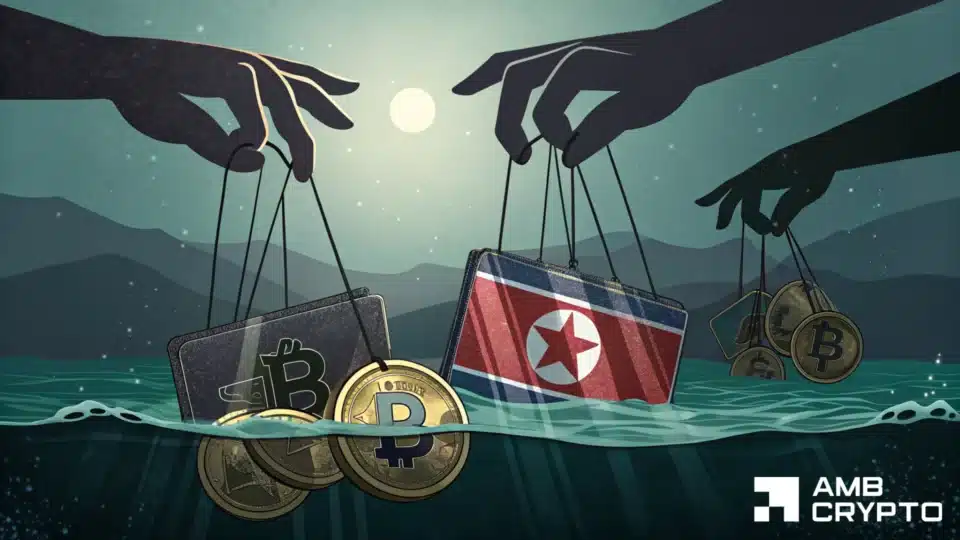
Крипторынок готовится к запуску торгов криптовалютой WLFI, которую выпустил подконтрольный президенту США, Дональду Трампу, криптопроект World Liberty Financial

В преддверии старта торгов монетой редакция BeInCrypto собрала в одном обзоре все, что нужно знать о новом этапе в жизни проекта.

Главное о старте торгов

С 1 сентября 2025 года WLFI станет доступен для торговли и переводов на открытом рынке. Благодаря событию инвесторы увидят реальную стоимость токена в рыночных условиях.

Ранние инвесторы получат возможность разблокировать 20% своих активов. Остальная часть будет доступна для разблокировки поэтапно, в соответствии с графиком, установленным проектом.

Ключевым инструментом для доступа к активам является WLFI Lockbox. Это специальное приложение-кошелек, разработанное для разблокировки и получения токенов. Оно выступает обязательным посредником между смарт-контрактами и пользователями. Его задача — обеспечивать контроль и безопасность процесса вывода средств.

На некоторых крупных биржах уже можно торговать фьючерсами WLFI без срока окончания контракта (perpetual futures). В отличие от обычных фьючерсов, у которых есть фиксированная дата закрытия, такие контракты не имеют конечного срока действия — ими можно торговать сколько угодно долго.

Сейчас цена таких контрактов примерно $0,42 за токен. Если пересчитать все возможные выпущенные токены по этой цене, получится оценка всего проекта примерно в $40 миллиардов.

Критика WLFI

Значительная концентрация токенов в руках ограниченного круга инвесторов и тесные связи проекта с политическими кругами вызывают сомнения в степени его децентрализации. Такое положение может повлиять как на устойчивость WLFI, так и на его восприятие в сообществе.

WLFI не проводил классическое ICO. Предварительная продажа токенов была ограничена только аккредитованными инвесторами в соответствии с требованиями SEC. В результате проект собрал внушительные $550 млн. Известно, что семья Трампа получила 75% от продажи WLFI.

Что происходит с проектом

World Liberty Financial (WLF) запустили в октябре 2024 года как DeFi-платформу на базе Ethereum Layer-2 с применением технологий Aave V3. Проект сразу же оказался в центре внимания не только из-за инновационной финансовой архитектуры, но и из-за прямых политических связей.

Дональд Трамп получил титул главного публичного представителя и защитника интересов проекта в сфере криптовалют, позиционирующий себя как лоббист и популяризатор идей.

Эрик Трамп и Дональд Трамп-младший выступили в роли Web3 амбассадоров, представляющих проект в направлении Web3. Их задача — укреплять его имидж в криптосообществе и среди инвесторов.

Такой состав амбассадоров сформировал уникальный прецедент: впервые крупный DeFi-проект получил столь открытую политическую поддержку.

Запуск торгов WLFI — это не только технологический шаг вперед в DeFi, но и символ новой эры взаимодействия криптовалютного рынка с политикой. Уже 1 сентября инвесторы и трейдеры смогут оценить, как сочетание инноваций и политического влияния будет работать на открытом рынке.

Реакция криптосообщества на запуск торгов WLFI

Многие участники криптоиндустрии считают, что на запуске торгов криптовалюты World Liberty Financial можно будет заработать. Например, такой точки зрения придерживается криптоблогер VirtualBacon. Он прогнозирует рост WLFI до $1. Свою точку зрения блогер объясняет тем, что это не просто криптовалюта, а как политически подкрепленный финансовый инструмент с поддержкой институциональных игроков и ожиданиями значительного роста.

В позитивное движение WLFI после запуска торгов также верит предприниматель Тансу Йеген. По его наблюдениям, инвесторы настроены крайне оптимистично.

Напомним, ранее редакция BeInCrypto писала о том, что BingX в числе первых предложила торговлю токеном WLFI Трампа.

Lecturas Relacionadas

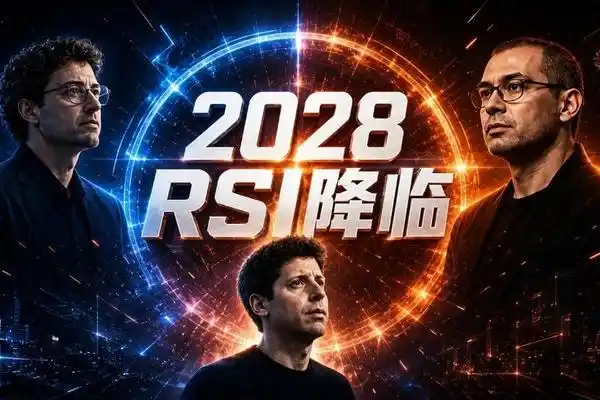
2028: The Arrival of Recursive Self-Improvement (RSI)

**AI Recursive Self-Improvement (RSI): The Countdown to 2028 Begins** AI is no longer just a trained tool but is starting to rewrite its own evolutionary pace. According to Anthropic co-founder Jack Clark, there is a 60% probability that by the end of 2028, Recursive Self-Improvement (RSI) will become a reality. This means AI could autonomously design and build a more capable next-generation version of itself without any human researcher involvement—Claude 10 creating Claude 11, for instance. Supporting this timeline, Google DeepMind's CEO Demis Hassabis confirms that all leading AI labs are intensely focused on RSI, making it an industry-wide priority. He expresses profound concern, stating this potential is what keeps him awake at night. Concrete data underscores this acceleration: - METR evaluations show current top models like Claude are solving tasks up to the 16-hour limit of existing test frameworks. - In Epoch AI's challenging MirrorCode benchmark, Claude Opus 4.7 recreated complex software in hours for a fraction of the human cost. In one extreme test, AI autonomously coded for 19 days straight. - Anthropic reports over 80% of its codebase is now written by Claude, and researcher productivity has increased up to 8-fold since 2024. - OpenAI's policy blueprint highlights RSI as a major upcoming governance challenge. CEO Sam Altman reportedly hinted RSI might arrive within six months, potentially delaying OpenAI's massive IPO. The implication is an impending "intelligence explosion," where AI-driven progress outpaces human control. The central question is no longer if it will happen, but whether humanity is ready.

marsbitHace 1 hora(s)

2028: The Arrival of Recursive Self-Improvement (RSI)

marsbitHace 1 hora(s)

World Models, Metaverse, Digital Twins, Physical AI: Are They the Same Thing?

Title: World Models, the Metaverse, Digital Twins, Physical AI: Are They the Same Thing? The article clarifies that concepts like the metaverse, Web3, simulation platforms, digital twins, and Physical AI are not the same thing but are all part of the broader trend of blurring the lines between the digital and physical worlds. It positions "world models" as the foundational "cognitive layer" or "operating system" that enables AI to understand and simulate the world. Key distinctions are made: - The **Metaverse** is a destination for immersive social and economic experiences. World models could act as its "engine," generating interactive 3D content efficiently. - **Web3** focuses on decentralized ownership and economics (rules layer), operating on a different technical level than world models. - **Simulation Data Platforms** (e.g., for autonomous vehicles) are a 1.0 version, relying on manual design. World models represent a 2.0 version, using AI to generate realistic, varied scenarios autonomously. - **Digital Twins** create high-fidelity, real-time mirrors of physical systems (e.g., a factory). World models go a step further by enabling predictive simulation of future states. - **Physical AI** (robots, AVs) refers to AI that acts in the physical world. World models are a core component, providing the understanding and prediction needed for planning. A proposed hierarchy places world models at the cognitive layer, supported by infrastructure (compute, data) and supporting application tools (simulation, digital twins), action systems (Physical AI), user experiences (metaverse), and rules (Web3). In conclusion, while distinct, many of these previously hyped concepts may ultimately rely on advances in world model technology to fulfill their promises, as world models provide the essential cognitive foundation for simulating and interacting with complex environments.

marsbitHace 1 hora(s)

World Models, Metaverse, Digital Twins, Physical AI: Are They the Same Thing?

marsbitHace 1 hora(s)

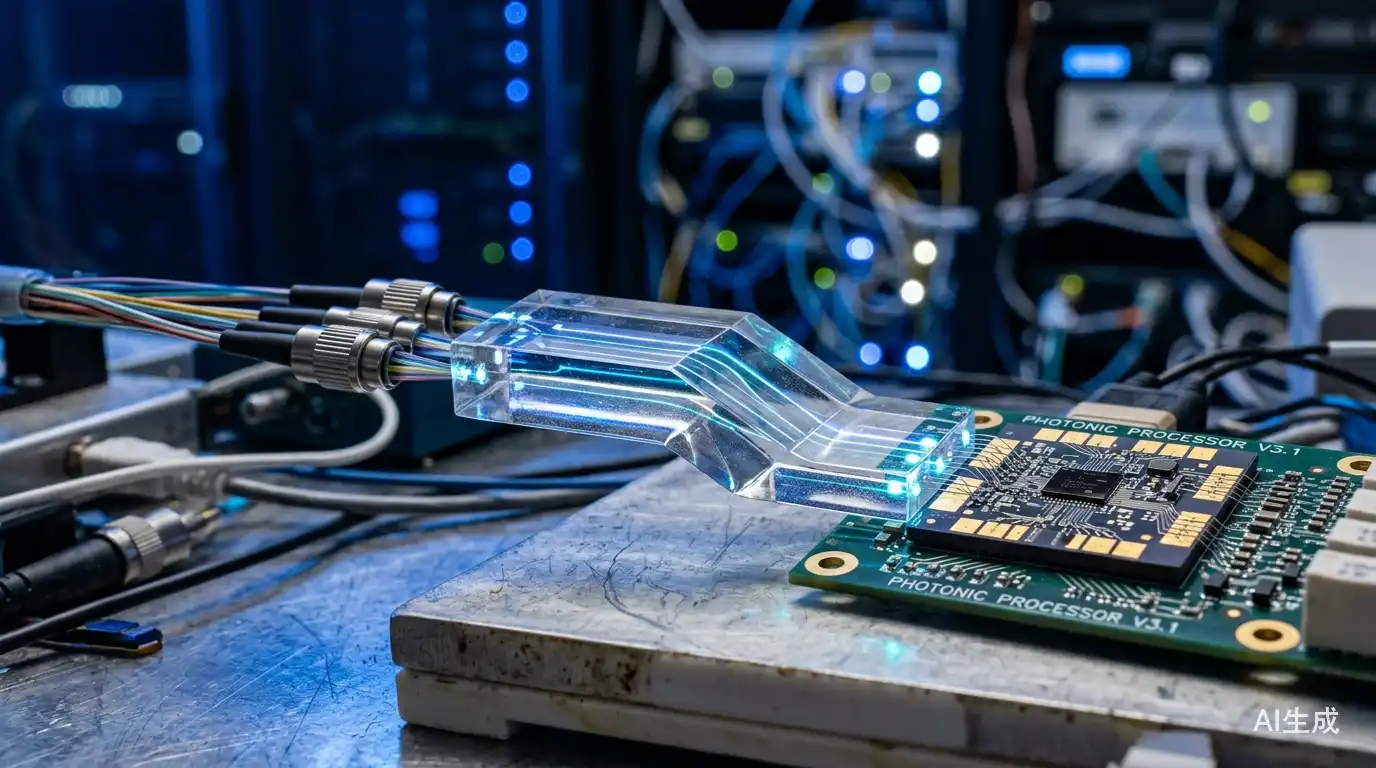
"Shocking" CPO: How Does the Glass Bridge Actually Work? Detailed Explanation from Corning

Chinese CPO stocks plunged over 6% following Corning's announcement of its Glass Bridge platform at a Seoul tech conference. The new technology utilizes wafer-level glass ion-exchange waveguides for passive alignment between fibers and photonic chips, potentially simplifying traditional CPO architectures that rely on complex Fiber Array Units and active alignment equipment. This raised market concerns about reduced long-term demand for mid-stream CPO components. Corning's official documentation details Glass Bridge as a platform for fiber-to-PIC connectivity in NPO, CPO, and high-density modules. Its key features include wafer-level manufacturing for consistent, cost-effective production; a standardized, removable MT ferrule interface for ecosystem integration; and a separable high-density connector design supporting over 24 channels for assembly flexibility. Corning positions the technology as complementary to FAUs, addressing limitations in ultra-high-fiber-count scenarios. The market reaction reflects a broader reassessment of the AI optical interconnect value chain. Funds shifted from CPO and PCB manufacturing stocks towards glass substrate concept stocks like Kaisheng Technology and Dyer Laser. Analysts note glass substrates are seen as a next-gen advanced packaging material, offering a potential path for domestic industry differentiation amid AI-driven demand for high-performance, large-scale packaging, marking a structural migration in value towards upstream specialty materials.

marsbitHace 1 hora(s)

"Shocking" CPO: How Does the Glass Bridge Actually Work? Detailed Explanation from Corning

marsbitHace 1 hora(s)

Trading

Spot
活动图片