税收吞掉过半收益?加密巨鲸的 3 个合法保利策略

深潮Publicado a 2025-08-26Actualizado a 2025-08-27

富有的投资者几乎从不直接出售加密货币。

撰文:JetStart

编译:Chopper,Foresight News

如果你以错误的方式出售加密货币,超一半收益可能都得缴成税。想象一下:赚了 20 万美元,却要直接给美国国税局交 11 万。以下是富有的投资者如何合法保住利润的方法。
赚大钱,就会遇到大麻烦。银行会盘问你的每一笔交易,税务部门会盯着你的一举一动。就连买辆车、买套房都可能变成噩梦。不提前规划,收益可能很快就没了。

策略一:借钱,而非卖出

把你的比特币或以太坊当抵押品,借出现金或稳定币。这样不用动持仓就能盘活资金。
举例:100 万美元的比特币,按 30% 的抵押率,能借到 30 万美元。既能持有代币,又能免税拿到资金。

这办法管用的原因很简单:贷款不算收入。

借钱时,美国国税局不会把这当成应税事项。你的加密货币仍在自己掌控中,不会触发资本利得税。

巨头们会通过低抵押率来稳妥借钱。

策略二:卖出前先搬家

不同国家对加密货币收益的征税规则不一样。套现前搬到这些地方,可能省下数百万税费。
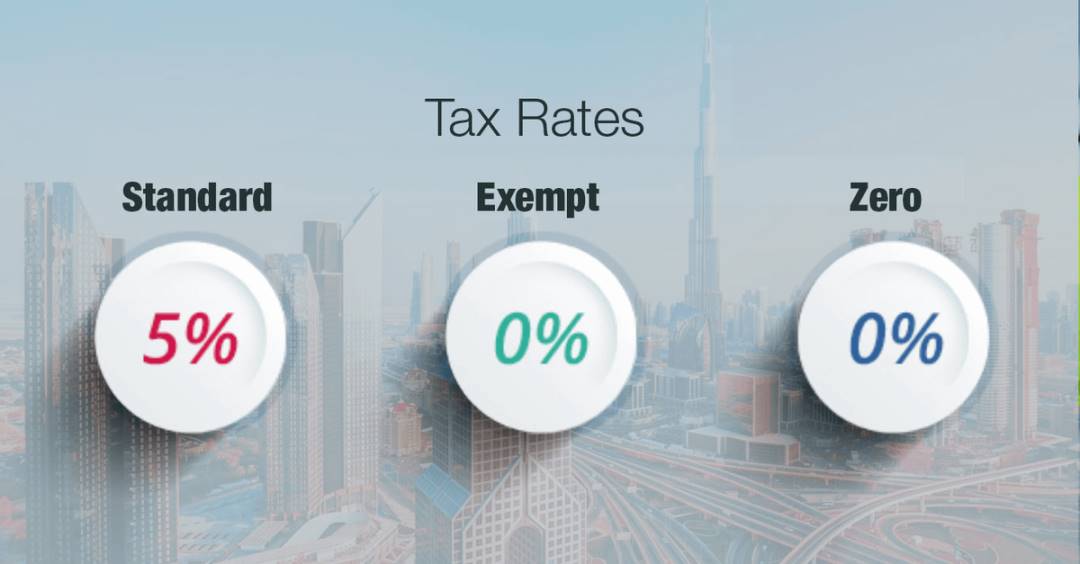
热门选择包括波多黎各(根据第 60 号法案,税率为 0%)以及阿联酋(收入和资本利得均免税)。

策略三:利用离岸实体

在开曼群岛、英属维尔京群岛或塞舌尔等免税区成立公司。由公司而非你个人持有加密货币。公司卖出加密货币时,不会触发你的个人资本利得税。只要架构搭建得当,这种方式完全合法。

不必由你亲自提取利润,你的离岸公司可以将资金以贷款的形式借给你。贷款不被视作收入,因此无需缴纳税款。你可以将这笔资金用于购置房地产、支付薪资或是进行投资。

加密巨鲸们这样操作会带来一系列好处:

  • 个人钱包能保持私密性,更难被追踪。

  • 银行对账单上显示的是贷款还款,而非应税收入。

  • 链上活动可避免直接出售加密货币的操作痕迹。

  • 若架构设置合理,就能合法地将税费降至最低,甚至免除税费。

总结

富有的投资者几乎从不直接出售他们的加密货币。他们借助抵押借贷、移民策略以及离岸实体等方式来保护自己的利润。如今,理解这些规则比以往任何时候都更为重要。

Lecturas Relacionadas

Consumer Confidence Hits Bottom, Macro Correlations Simultaneously Break Down: How Much Longer Can the U.S. Stock Market's Solo Rally Last?

The U.S. stock market is exhibiting a rare divergence: while consumer confidence hits historic lows and traditional macro asset correlations break down, major indices like the Nasdaq 100 and S&P 500 continue reaching record highs, fueled primarily by AI and semiconductor momentum. The rally is now highly concentrated, with strength rotating from giants like Nvidia to higher-beta plays within semiconductors, particularly memory chips. This surge occurs despite a significant split between pessimistic consumer sentiment and still-resilient actual spending behavior, partially supported by fiscal stimulus. Goldman Sachs traders highlight a critical structural fissure: correlations between the S&P 500 and key macro assets (rates, gold, VIX, oil) have deviated extremely from long-term historical norms. Concurrently, the market is in a negative Gamma regime, making it more sensitive to price moves, and hedge fund positioning in momentum and semiconductors is at crowded levels. The sustainability of this "solo rally" faces three main constraints: 1) Oil price volatility linked to Middle East geopolitical risks, 2) Extreme crowding in semiconductor and momentum trades, increasing vulnerability to disappointments, and 3) The breakdown of traditional macro correlations, suggesting the rally reflects a specific mix of factors rather than broad-based risk appetite. The key question is not if indices can rise further, but which variable—oil, rates, or semiconductor momentum—might trigger a repricing of the current fragile logic.

marsbitHace 1 hora(s)

Consumer Confidence Hits Bottom, Macro Correlations Simultaneously Break Down: How Much Longer Can the U.S. Stock Market's Solo Rally Last?

marsbitHace 1 hora(s)

Trading

Spot
Futuros
活动图片