Solana链上,有哪些被忽略的「优质meme」

比推Publicado a 2025-08-25Actualizado a 2025-08-25

来源:BlockBeats

作者:BubbleCookieSleepy、KKK

原标题:Solana Meme强势回归,链上都在炒些什么?


虽然近期加密货币的合规化倾向明显,一时间好像所有区块链项目都扯上了「合规」、「机构」、「政策风向」。但链上的 Memecoin 以及 ICM 项目的热潮似乎还远远没有结束,仿佛为了抓住「最后一波」链上热潮一样,各家平台都选择在此时祭出了「杀招」。

律动 BlockBeats 整理了其中几个近期表现优异的标的进行介绍。

不上班的尼特族

Neet「Not in Employment, Education, or Training」,原本用于指代那些既未就业、也未在接受教育或职业训练的年轻人(尤其是 16–24 岁)。在千禧年代的日本,ニート(NEET)这一概念的年龄范围还被扩展至 15–34 岁,被广泛的与「御宅族」「闭门不出」的文化联系在一起,很长的一段时间里他都被与「家里蹲」挂钩。

随着互联网文化扩散,这个词逐渐传入欧美的亚文化圈,尤其是匿名社区(如 4chan /r9k/ 、Reddit)。到 2010 年代,NEET 已经逐渐演变为「自由主义者」的一种自我认同和文化身份。从 4chan 的 留言上就能看出,他们大多是想说什么就说什么,歧视女性,歧视黑人,自我中心。NEET 不一定是现实身份,而是一种网络人格。使用「NEET」自称的人,往往强调自己与社会主流脱节、拒绝社会规则甚至「以此为荣」,它既是自嘲也是某种「另类身份归属」

Neet 在 4chan 的 /r9k/ 板块(Robot9000)被广泛使用,/r9k/ 最初由 4chan 创始人 Christopher Poole 在 2008 年开发的一个原创内容过滤系统。设计初衷是避免刷屏和复读(copypasta),这也让该板块的文化充满创造力,截图对话为 /r9k+1/(Robot9001)的讨论,为 /r9k/的改进版。

虽然在 Pumpfun 创始人 alon 首次买入 $neet 时,该代币瞬间在一分钟内爆拉近 4 倍,而后又很快跌破买入前的市值,但其价格走势始终保持稳固的走势。除了拥有许多喊单的「大哥」和深厚的社区文化以外,其推特的运营也相当不错。
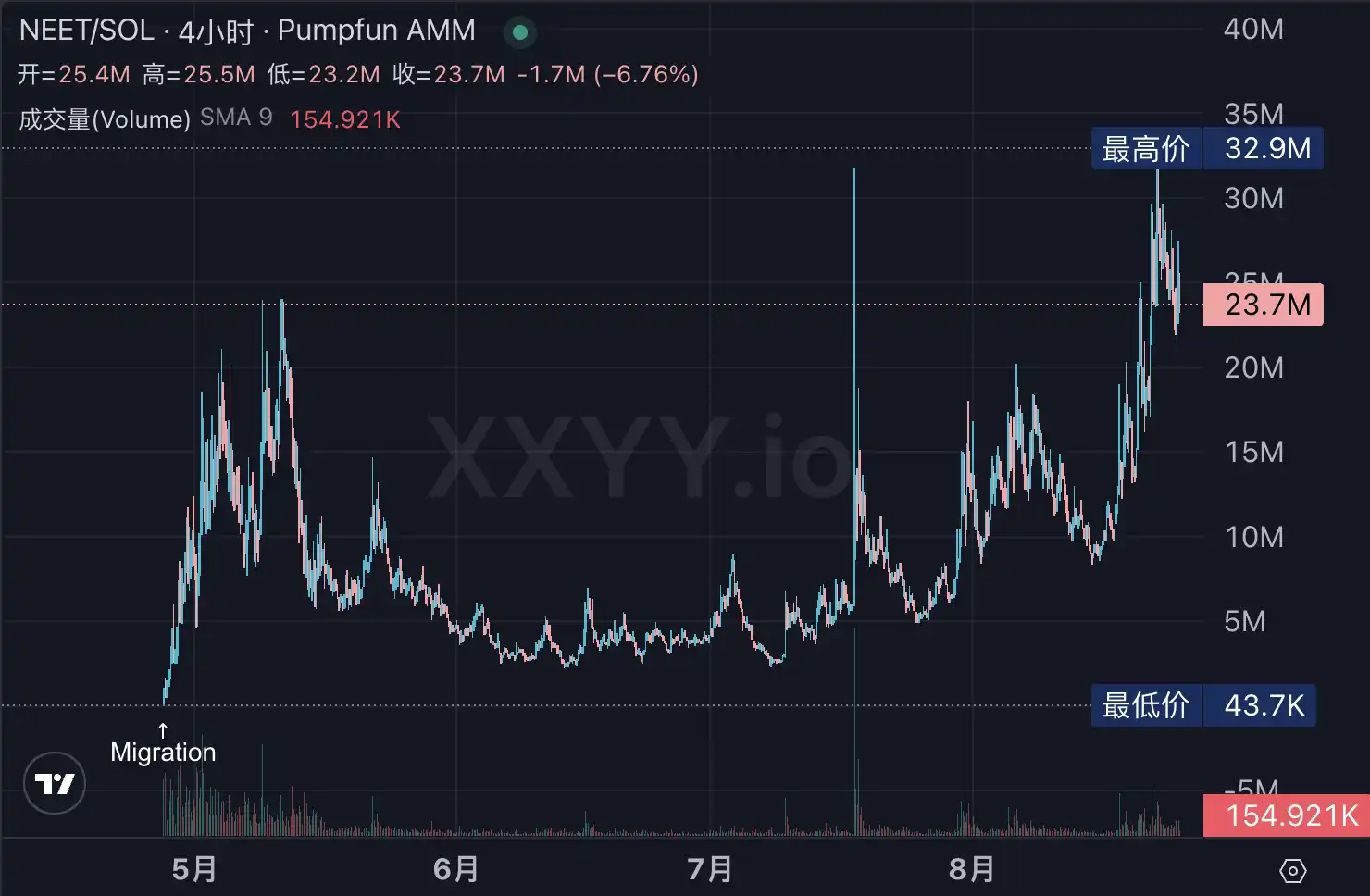
在向中文区最早喊 $neet 的 Cookie 求证后,得知 Neet 的推特运营由 Primed 负责,在他和社区的运营之下,该代币体系下的账号剥离了「价格讨论」转而着重在了让「文化流行」上。而传播本身带动的价格走势远比「强庄控盘」带来的变化更加真实与健康。优秀的传播、深厚的社区文化、背后支持的团队组合成了现如今的体系下少有的「有趣的 Meme」。


左:触及 1200 万阅读,右:马斯克转发带来 1 亿阅读

Believe的 ICM 进程如何了

随着同赛道 Bags 以及 Heaven 的熄火,Believe 在今日逐渐重新回到话题的中心,其官方代币 LaunchCoin 也在近一个月持续阴跌后终于开始反弹,而最近在 AI 圈火热的「面试作弊器」Cluely 的 CEO Roy 在今日分享了与 Believe 创始人 Ben Pasternak 的合照也让社区猜测两者可能带来某种程度上的合作。
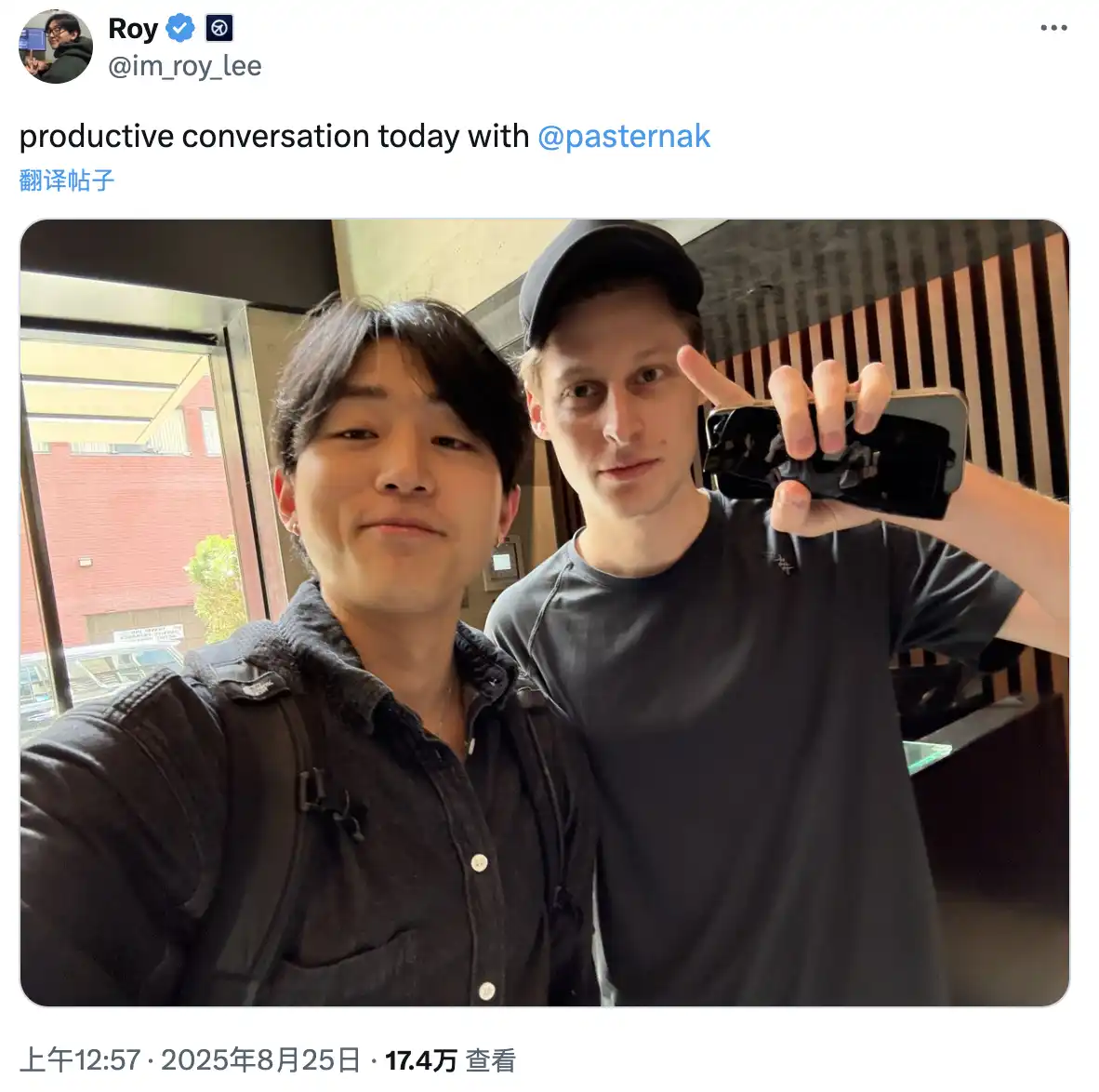

左:Cluely CEO,右:Believe 创始人

Believe 似乎决心将「100% 费用转动飞轮」等概念抛弃,重新将自己「ICM 平台概念」的定位做实,在其与女友 Evelyn Ha 上次入住超贵的「安缦东京」,加上平台进度缓慢以及生态逐渐「归零」,各种情绪相加引发社区的一些「热议」后,Ben 似乎将重心重新放在了 Believe 上,先是为了更好的产品 UI 直接收购了 Abode,又有一些有意思的项目重新选择 Believe 发行,Believe 上现在跑的不错的新老标呢?
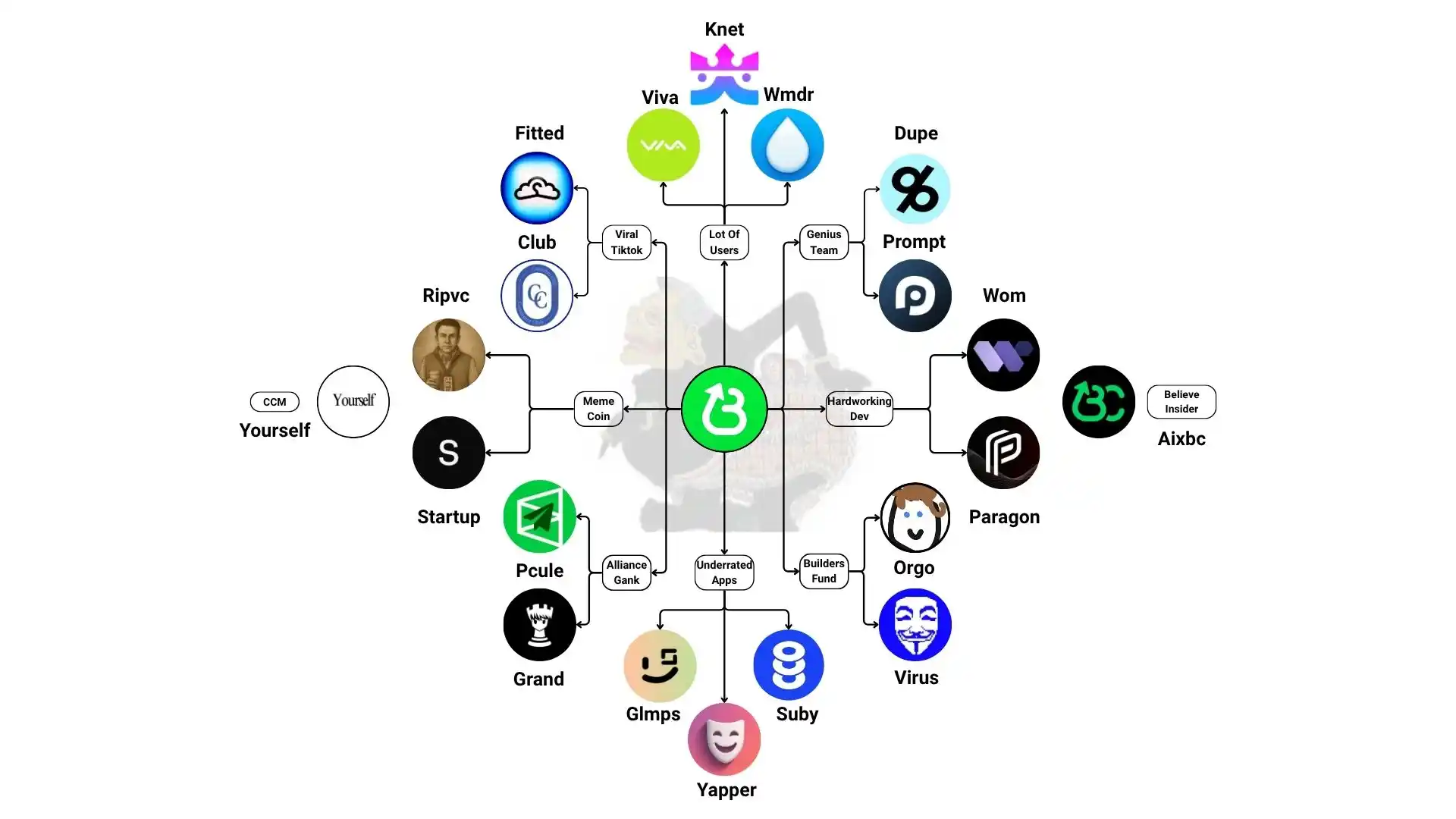
Believe 现有生态,图源:@PaceTerminal

HUCH:CS2 皮肤借贷平台

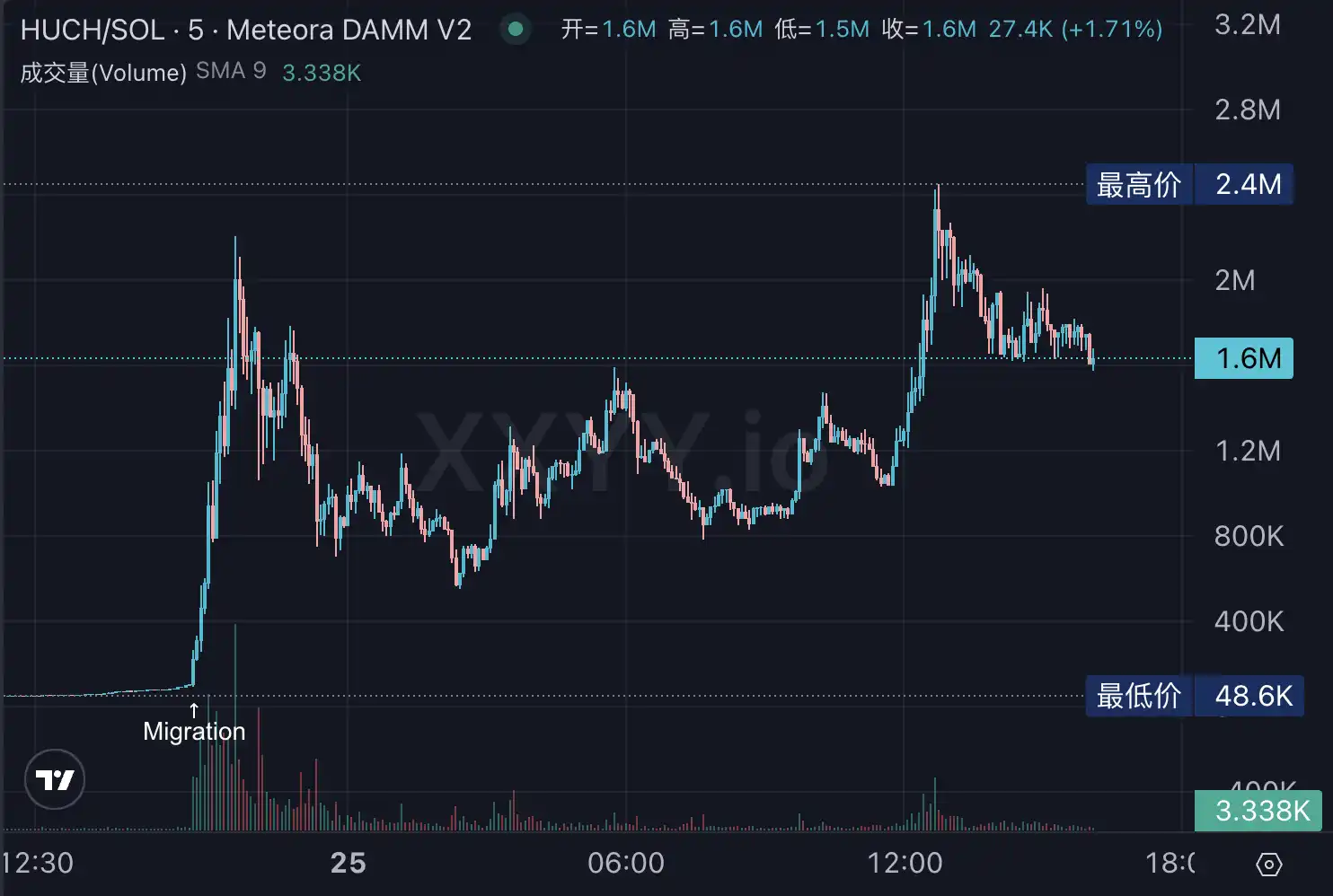
HUCH 是 CS2 皮肤的链上借贷平台,在 7 月份获得 colosseum 与 Solana 举办的黑客松游戏赛道的 University Prize。并在 8 月 24 日在 Believe 发射,现市值维持在 150 万美元左右。
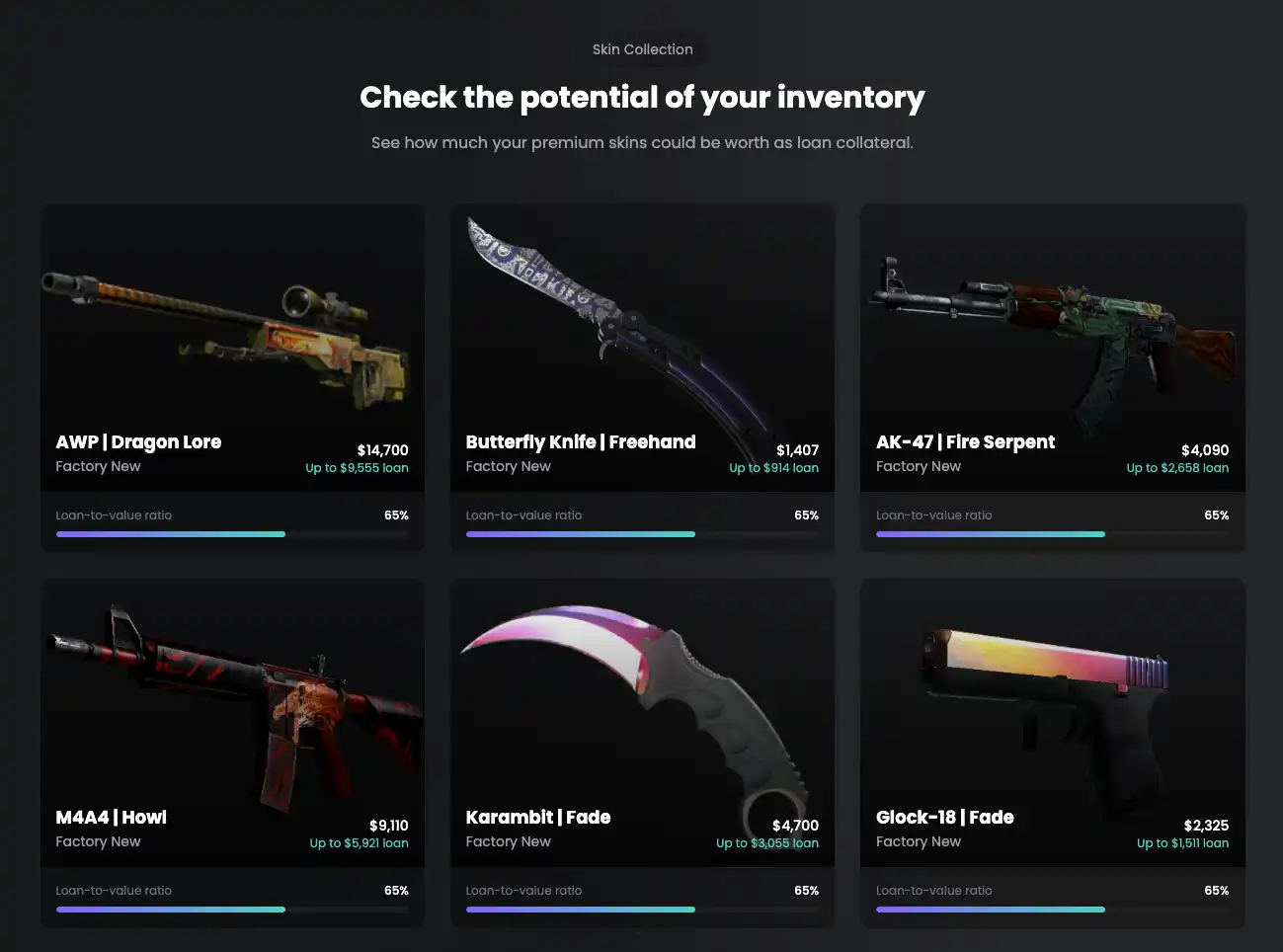
产品整体基础概念其实相当简单,团队认为 Counter Strike 2 的皮肤现在拥有近几十亿美元的庞大市场,但是却没有与之相匹配的流动性,而 CS2 的皮肤与 DeFi 的产品在金融属性上来看有相当多的相似度,因此他们想做一个通过抵押借贷将游戏资产转化为金融工具的链上平台。

团队整合实时市场数据进行精准估值,玩家可以用 CS2 的皮肤为抵押获得即时现金贷款(价值的 65%)。
有趣的是创始人 Hugo 在 HUCH 发射之前,声称自己为了 HUCH 的推广卖掉了自己的苹果电脑,去参加知名的加密「公共办公空间」Mtn DAO 举办的峰会活动,这也得到 Mtn 社区的 Cobra 的赏识,并在 X 讨论是否赞助他一台电脑,这一提案获得了许多社区的响应,不少项目方的团队成员表示愿意赞助他。

Kled:AI 数据交易撮合平台

Kled 是一个链上的 AI 数据交易中介平台,旨在连接 AI 开发者与数据版权持有者,提供视频、音频、文本等多种数据的交易渠道。项目获得了 K5 Capital 的 200 万美元投资(K5 曾投资 Uber、Xai 等项目),创始人 Avi Patel 曾辍学于伊利诺伊大学香槟分校,2023 年创办音乐版权平台 Nitrility,2024 年推出 Kled。

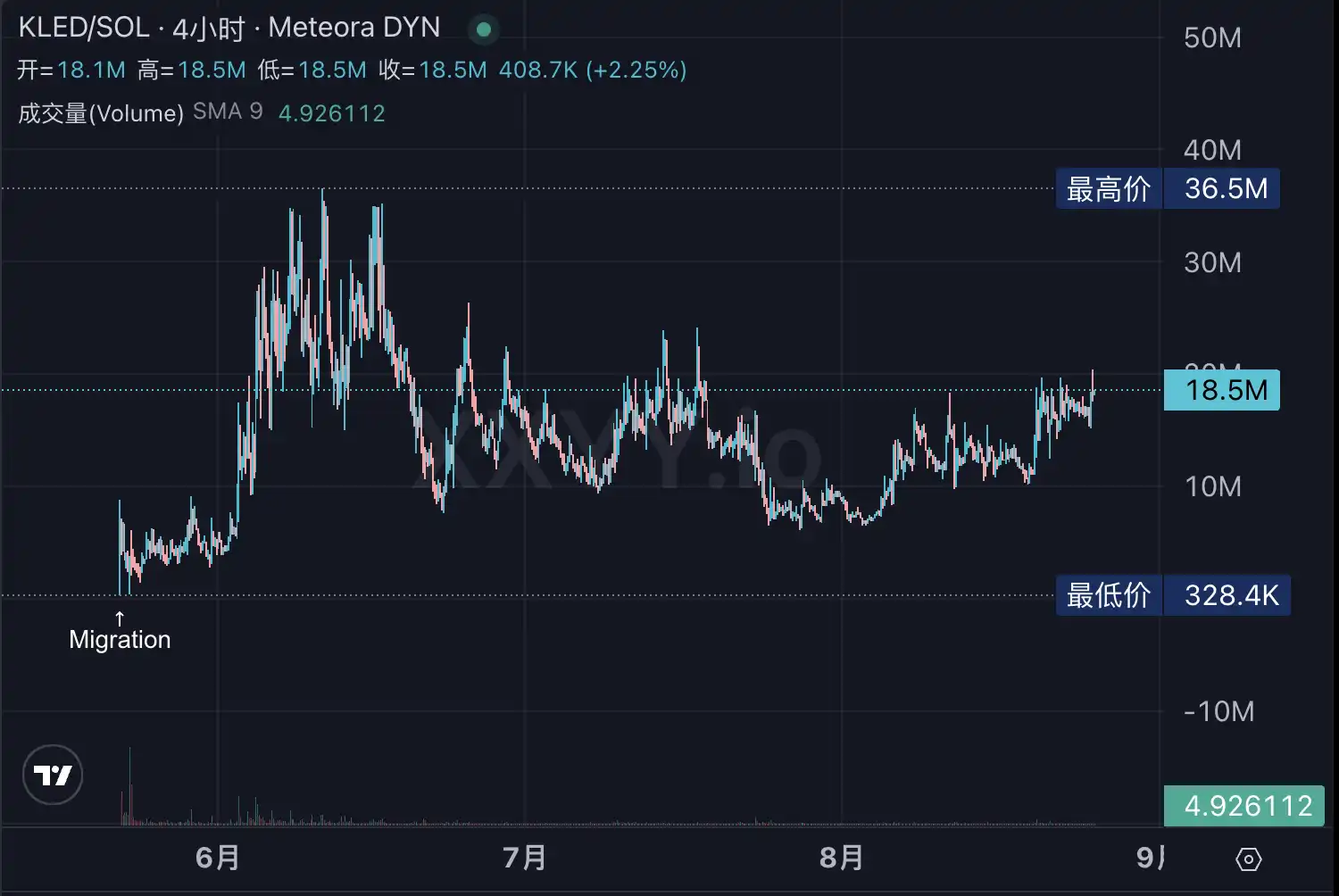
在早期,由于合约部署问题,$KLED 代币价格一度探底,引发市场恐慌。但平台创始人 Ben(Believe 平台创始人)及时在 X 平台发文澄清合约地址问题,随着开发团队持续更新产品功能,社区信心逐渐恢复。此后 Kled 市值回升至约 1000 万美元,并上线 Moonshot 交易所。

6 月 9 日,Kled V2 宣布了下一阶段企业合约「Kled Pages」,并曝光与 YouTube、Twitch、Google Classroom 等平台的合作计划,同时还将与斯坦福大学、UC Berkeley 合办黑客松。这一系列进展为平台带来更多 B2B 收入预期并提升可扩展性,也点燃了社区的 FOMO 情绪推动 $KLED 价格创下新高市值一度达 3600 万美元,在热度褪去后在 1000 万美元市值上下浮动,现报价 1800 万美元。
Polycule:Polymarket 的 Telegram 交易机器人

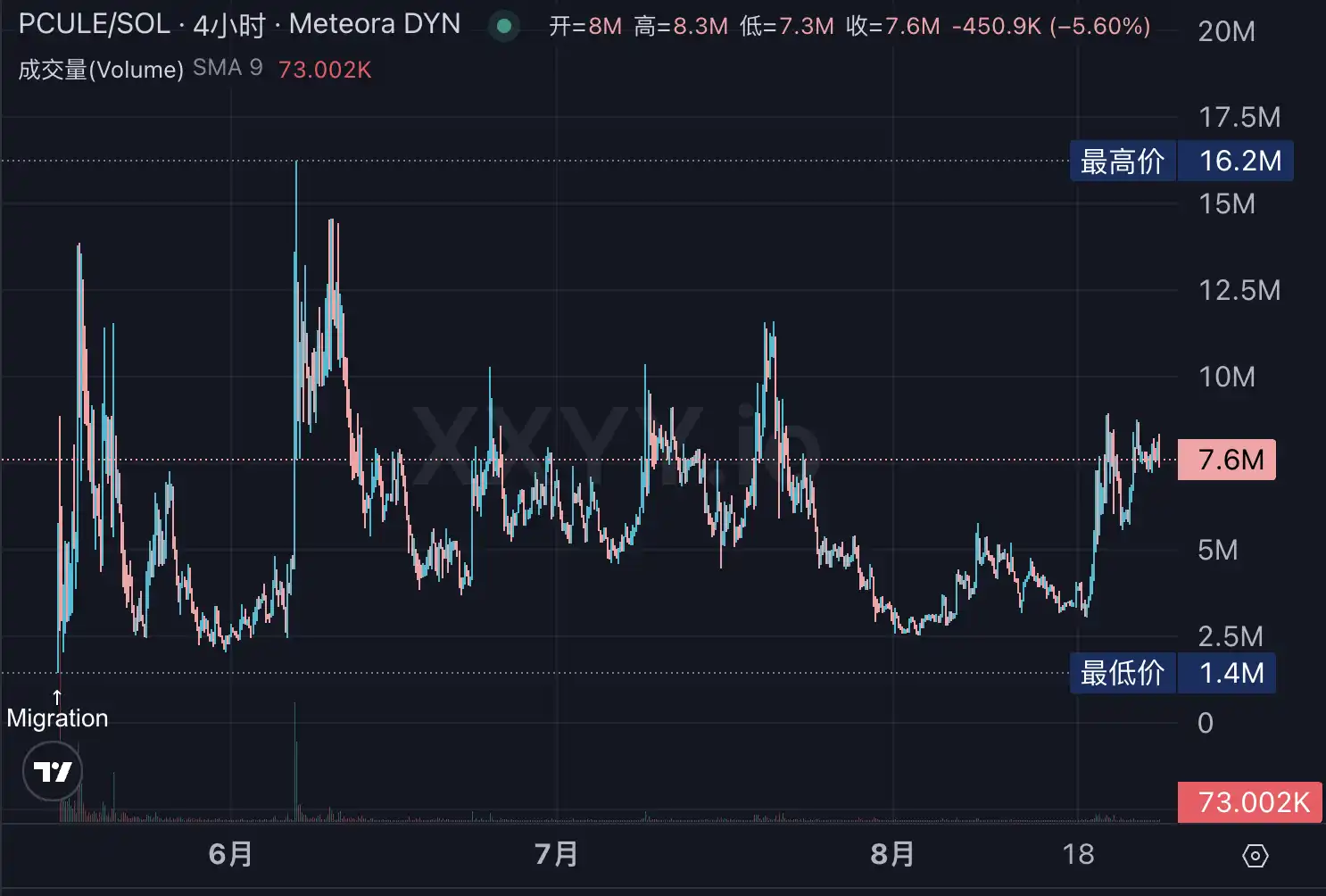
Polycule 是一款兼容 Polymarket 的 Telegram 交易机器人,用户可以通过聊天指令直接下单交易,绕过美国对 Polymarket 的访问限制。它解决了平台在美国无法直接访问的痛点,因此获得 AllianceDAO 56 万美元投资。随着 Polymarket 官方在 X 宣布与 Telegram 机器人合作,平台通过对每笔交易收取 0.01%–0.05% 的手续费并拿出 30% 用于回购和销毁,为代币提供通缩支持。

去中心化预测市场 Polymarket 曾因成功预测 2024 年美国总统大选结果声名大噪,平台人气和交易量一度激增。但由于监管调查,Polymarket 在美国被禁用,美国用户无法直接访问平台。Polycule 正是在此背景下诞生的——它是一个与 Polymarket 对接的轻量级 Telegram 交易机器人,让用户无需打开网页即可通过聊天指令参与链上的 YES/NO 投注交易,借此绕过域名封锁,在美国等地区依然能够便捷参与预测市场。凭借解决 Polymarket 在移动端和受限地区使用痛点的思路,Polycule 获得了 AllianceDAO 56 万美元的种子投资。

Polymarket 官方对 Polycule 表现出了支持态度——其 CEO Shayne 关注了 Polycule 官方账号。当有用户在 X 上询问能否通过 Telegram 下赌注时,Polymarket 官方回应证实了 Polycule 机器人的可用性。这波官方背书推动 $PCULE 代币迎来第一轮上涨。随后在 6 月 6 日,社交平台 X 宣布与 Polymarket 达成合作,后者成为 X 的官方预测市场伙伴,也让 Polymarket 的数据和预测结果与 X 平台的内容流动打通。这一消息再度将 $PCULE 价格推向新高。

目前 Polycule 对每笔交易收取 0.01%–0.05% 的手续费,并将其中 30% 用于回购和销毁代币,从而为 $PCULE 提供通缩支撑。借助社交交易兴起的东风,Polycule 一方面迅速扩大用户群,另一方面其交易手续费「燃烧」机制也形成正反馈,推动代币价格不断上涨。
DAOSFUN 限时返场?

与 Believe 侧重于 ICM 不同,DAOS.FUN 想要重新将 Crypto AI 的「容光」带回链上。

LLM:官方背书的拉丁裔 AI 代理 memecoin

LLM(Latina Language Model)是在 DAOS.FUN 平台上发行的 AI 概念 Memecoin,其发行方正是平台创始人 @baoskee,本身号称是「第一个完全自主的拉丁裔 AI 代理」角色代币。因为与此前 ai16z 的仿盘「Large Language Model」同名(事实上形象也差不多),项目上线初期并未引起广泛关注,因此有挺长的进入时机(相对来说)。

然而,中文加密社区的一些资深交易员如 Noobwillwin 和 0xNoNo 等在早期即介入其中。根据社区信息,LLM 创始人通过预留约 5.14% 代币作为持仓,同时担任 LLM 社区版主,这意味着 LLM 并非普通的社区币,而是由 DAOS.FUN 官方团队背书的 AI 概念代币。

Baoskee 表示 AI Agent 技术的发展正迎来春天,未来这类应用型 AI 代币有望区别于过去纯炒作的「AI 季」泡沫,通过实际产品和创新金融模式推动行业迭代。但当下 LLM 并未在产品上展现出什么与之前的 Crypto AI 不同的点,但 Baoskee 的背书直接将其市值推动到 2000 万美元市值。
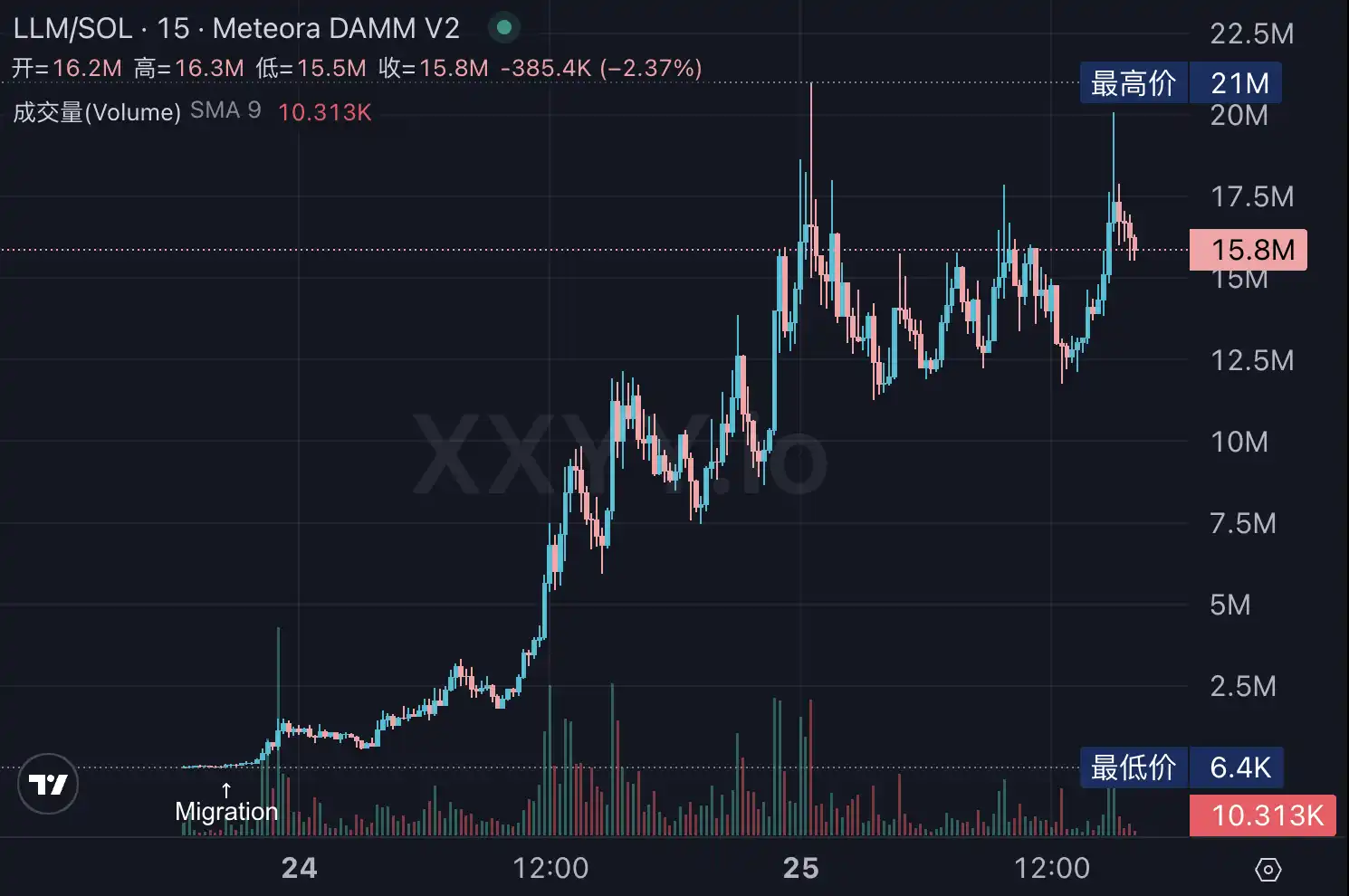
$Drink:酒类资产的 microstrategy

BAXUS 是 DAOS.FUN 平台关注的一个 RWA 项目,获得 baoskee 和知名投资人 Mike Dudas 等的推荐。该项目在 Solana 网络上打造了一个高端威士忌和葡萄酒的链上交易市场,旨在解决传统高端酒类收藏市场效率低、流动性差的问题。在 BAXUS 平台,稀有酒瓶可获得可信的数字所有权凭证:藏家将实体酒瓶送至 Baxus Vault 专业恒温仓库存放后,每瓶酒都会被高精度扫描并铸造成唯一的 NFT,作为该瓶酒的链上所有权证明。买卖双方可以随时全球接入,并支持信用卡、ACH、电汇以及加密货币/USDC 等多种支付方式进行交易。用户可以查看每款酒的实时价格走势、交易量和历史记录等信息,而且任何在 BAXUS 交易或仓储的酒瓶都可随时选择提取实物或继续留在 Vault 中转卖,交易效率远高于传统拍卖模式。

而 Drink 则是 Baxus 创始人推动的 DAO 组织的代币,他推出了一个酒精「微策略」概念:
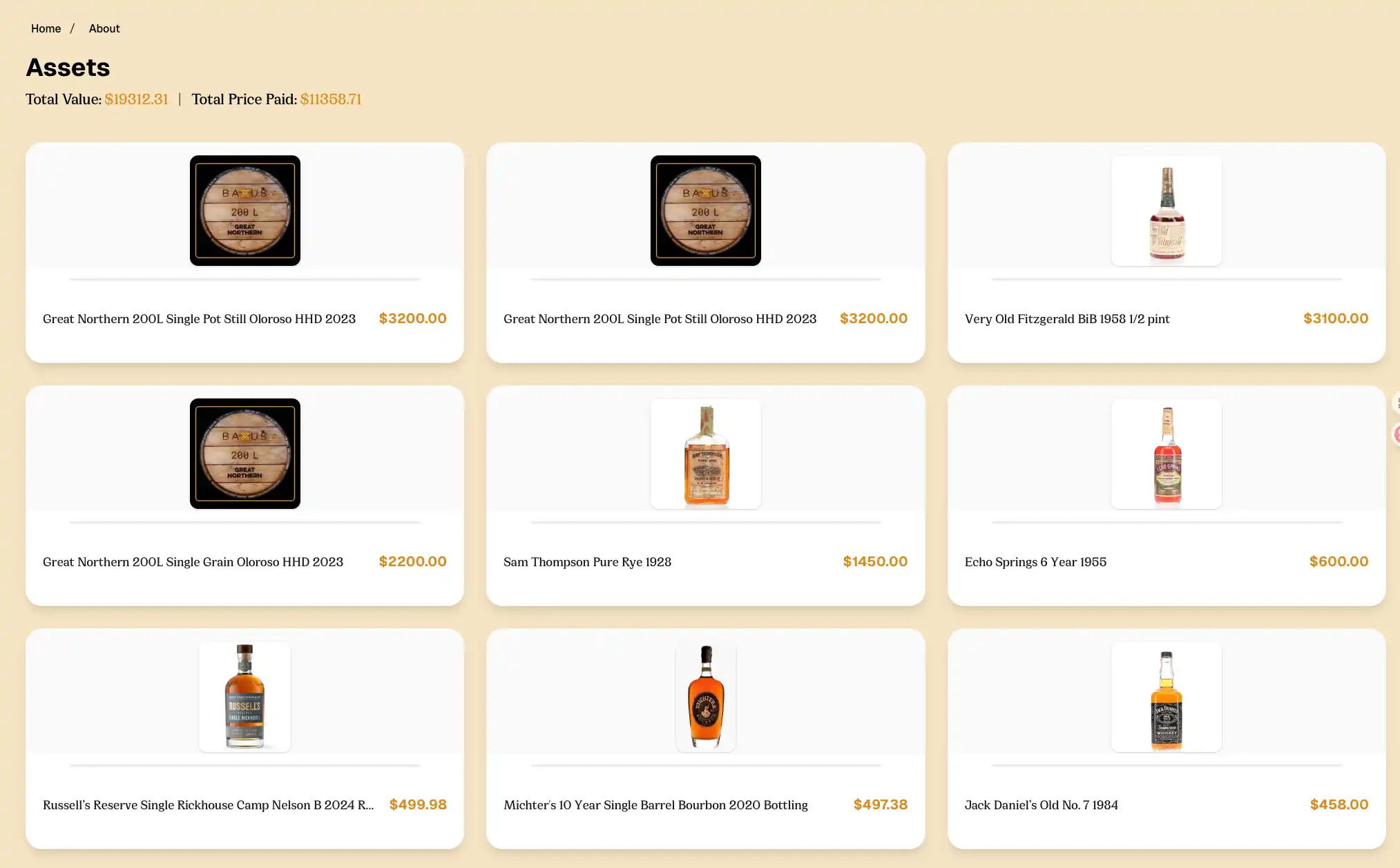
DAO 的成员可以选择对特殊酒种或木桶酒的收购、管理和最终命运进行投票。决定是出售、持续持有还是分享(喝了)。
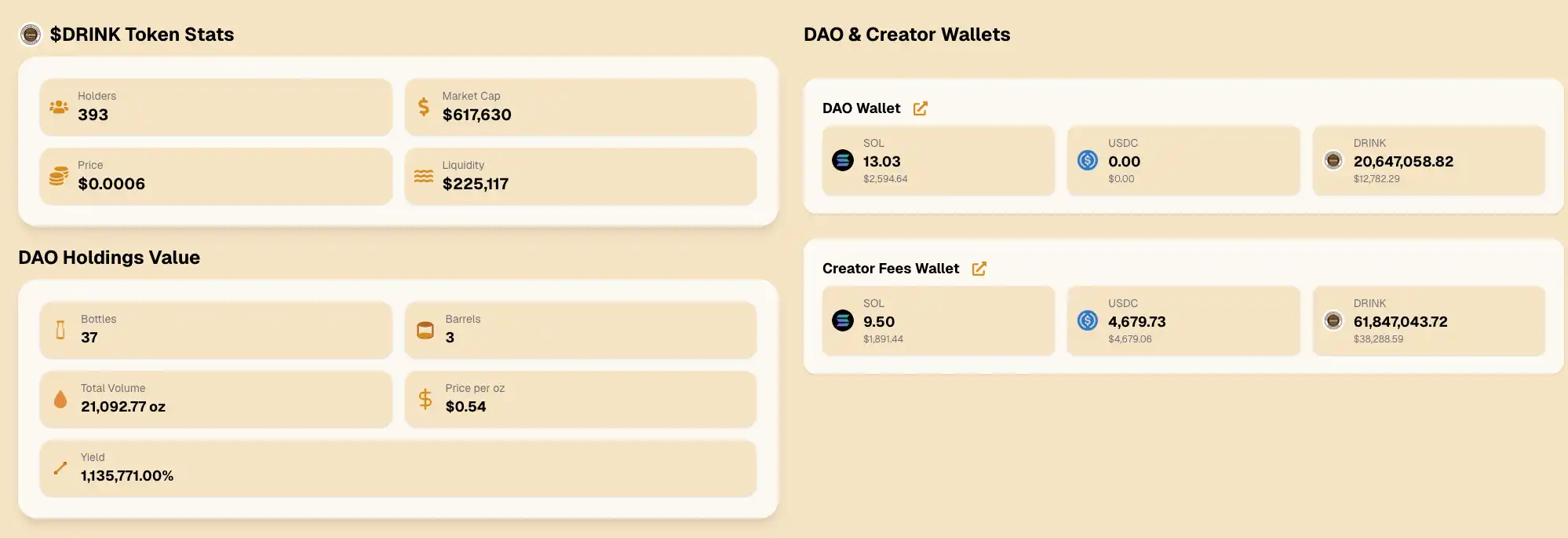
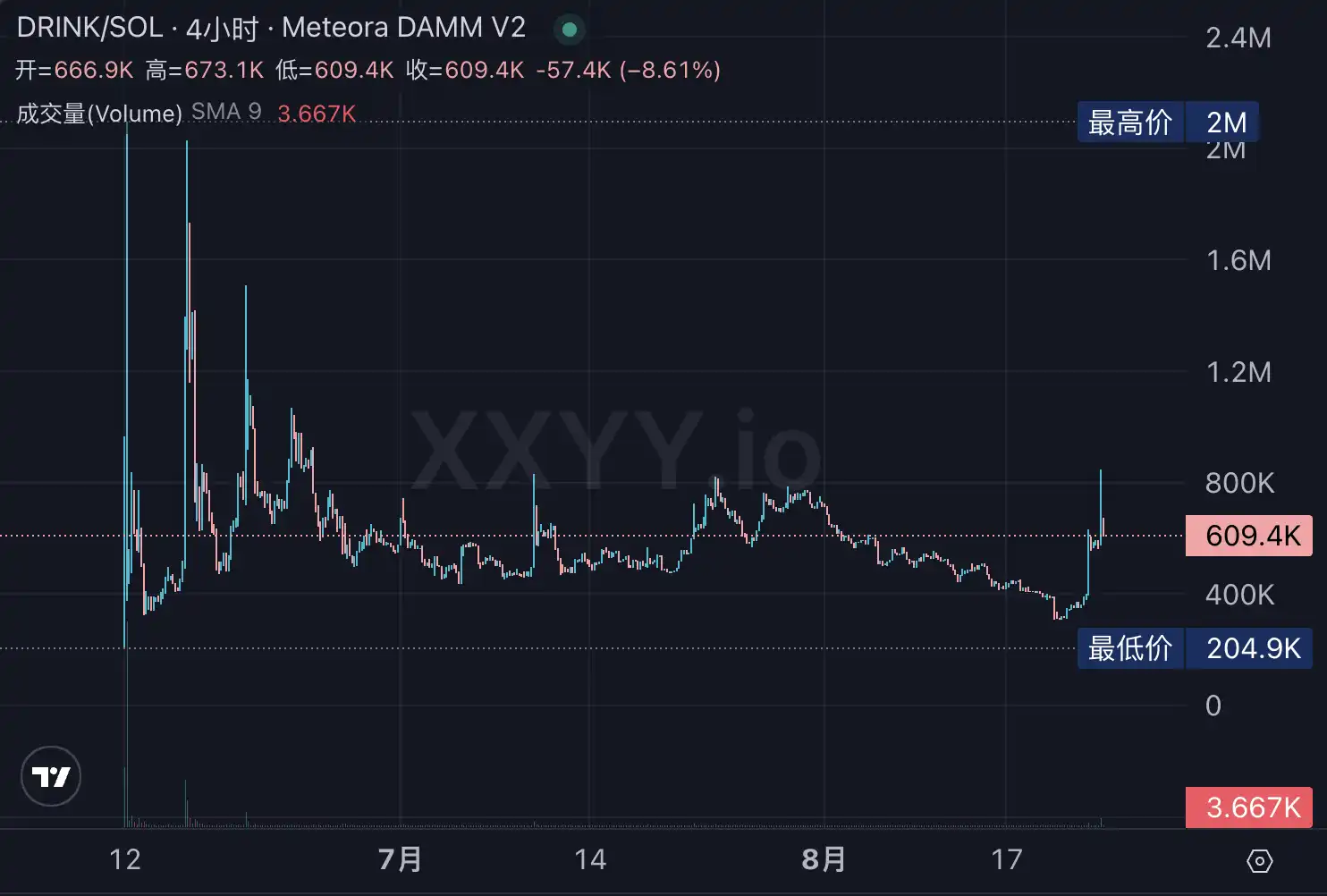
在昨日 LLM 爆火之际,Baoskee 还顺势推荐了一下 Drink,也让其价格在短时间内上涨 100%,现报价 60 万美元市值。

Twitter:https://twitter.com/BitpushNewsCN

比推 TG 交流群:https://t.me/BitPushCommunity

比推 TG 订阅: https://t.me/bitpush

说明: 比推所有文章只代表作者观点,不构成投资建议

Lecturas Relacionadas

In the Era of Agent Users, Where Does Crypto Value Flow?

Title: Who Makes Money from Agents? The rise of AI Agents as potential blockchain users raises a crucial question: if they become the next billion users, who will capture the value? Traditional crypto value capture theories—like "fat protocols" (where value accrues to the base layer) and "fat applications" (where value accrues to user-facing apps)—assume human users who value UX, brand, and convenience. Agents, however, operate differently: they interact via APIs, have no brand loyalty, and can switch services with near-zero cost. This shift could disrupt existing value flows. Applications might become "headless," offering their routing and infrastructure as APIs to Agents. Alternatively, Agents might bypass intermediaries entirely, allowing protocols to regain value capture ("fat protocols" reborn). A more extreme scenario is that Agents, being purely rational and cost-sensitive, could commoditize the entire stack, compressing margins toward marginal cost and turning crypto into a low-margin utility. However, Agents may not just amplify existing activities; they could enable entirely new ones—like continuous, sub-penny portfolio rebalancing, machine-to-machine commerce, and new market types only viable at automated speeds. This expands the economic pie rather than just redistributing it. Ultimately, the key question for builders is: what will make an Agent return to your service instead of a cheaper alternative? The answer may not be UX but factors like liquidity, latency, settlement guarantees, or a yet-unnamed business model. As humans and Agents will coexist as users, value capture may split: "fat apps" for human-facing services, and a new, evolving model for the Agent-dominated layer.

marsbitHace 23 min(s)

In the Era of Agent Users, Where Does Crypto Value Flow?

marsbitHace 23 min(s)

Base MCP, The Next Step for x402

Base has officially launched Base MCP, allowing users to connect their Base Account to AI Agents to perform actions like swaps, transfers, portfolio tracking, and transaction history queries through conversational commands. This move aligns with Base's strategic focus on AI, driven by the broader competition in the emerging Agent-to-Agent payment sector. The evolution of Agent payments has accelerated. In late 2024, the primary method involved insecure browser automation. By 2025, solutions like Coinbase's x402 (providing crypto wallets for Agents), Google's AP2, and Visa's token-based system emerged. x402 has since processed 176 million transactions totaling over $70 million, with a median value between $0.01 and $0.10. Stablecoins, particularly USDC, dominate these settlements due to their negligible transaction costs compared to traditional payment fees, which are prohibitive for micro-payments. Coinbase faces competition from Stripe, which has built a comparable infrastructure for Agent payments with its Tempo blockchain, Privy wallets, Bridge routing (acquired for $1.1B), and the recently launched MPP protocol. Both companies are now competing at the application layer. The core reason AI is central to Base's strategy is to expand the scenarios for Agent payments, ensuring more transactions occur on its network. By securing a dominant position and scale advantage in this nascent field, Coinbase aims to capture the future commercial potential of Agent-driven payments. The launch of Base MCP is thus a strategic step in this larger ambition.

marsbitHace 29 min(s)

Base MCP, The Next Step for x402

marsbitHace 29 min(s)

Reframing Ethereum's Valuation: Why the Fee Model is Wrong, and the 'Treasury Logic' is the Future?

"Rethinking Ethereum's Value: The 'Vault Logic' Framework" Traditional valuation models incorrectly treat Ethereum as a company, valuing ETH based on transaction fees ("revenue"). This is flawed. Fees are network friction; a successful network aims to reduce them to zero. Ethereum's average fee has dropped from over $50 in 2021 to around $0.20 today, while transaction volume has tripled. Instead, view Ethereum as a digital vault securing ~$250 billion in on-chain assets (stablecoins, RWAs, L2 bridged funds, wBTC, etc.). Post-merge, Ethereum's security is directly purchased with its own asset: ETH. To attack the network, an attacker must acquire and control staked ETH. Therefore, the vault's security level is intrinsically tied to ETH's market value. Currently, the value of all staked ETH is only ~$72B, protecting ~$250B in assets—a dangerous imbalance. For robust security, the staked ETH securing the network should be valued significantly *higher* than the total value it protects. Applying a conservative security multiplier suggests ETH's fair value should be closer to ~$6,900 (vs. ~$2,070 currently). As on-chain asset value grows into the trillions, ETH's price must rise proportionally to maintain this security budget. Comparisons to free infrastructure like Linux or low-margin utilities like the DTCC are misguided. Their security is provided externally (community, law, banks). Ethereum's security is internal and must be purchased in the open market using ETH. ETH is not the clearinghouse; it is the collateral backing it. The model is not a short-term price predictor but a structural framework. The economic force for ETH appreciation grows monotonically with the adoption of Ethereum for settling value. The narrative that high fees are good is backwards; low fees enable more activity, which increases the value needing protection, thus demanding a more valuable ETH.

marsbitHace 36 min(s)

Reframing Ethereum's Valuation: Why the Fee Model is Wrong, and the 'Treasury Logic' is the Future?

marsbitHace 36 min(s)

Justin Sun’s Interview with Hurun Report: A New Order and Certainty for Value Flow in the Era of Transformation

In an interview with *Hurun Report*, Justin Sun, founder of TRON, discussed the evolution of the Web3 industry as it moves from initial exploration to large-scale adoption. He emphasized that the core value of blockchain lies in building an open and inclusive internet of value, enabling anyone globally to transfer and use funds efficiently and at low cost, regardless of location or access to banking. Sun highlighted that projects with lasting impact are those built on genuine demand and real-world usage. He pointed to the stablecoin payment ecosystem as the most mature and scalable application currently, noting that TRON has rapidly become one of the world's largest stablecoin networks. The circulation of USDT on TRON has surpassed $86.3 billion, driven by actual use cases such as cross-border transfers and daily payments, demonstrating strong network effects. Regarding strategy, Sun outlined a methodology combining data-driven iteration, rapid execution, and user-centric focus. He cited the decision to partner with Tether to launch TRC-20 USDT as a key strategic move, based on an assessment of market trends and long-term potential, which has become a significant growth engine for the TRON ecosystem. On globalization, Sun stressed the importance of local compliance and cultural adaptation, noting that success in different markets depends on deep understanding and local partnerships. He also addressed the convergence of AI and blockchain, describing it as a transformative direction where blockchain provides decentralized infrastructure for AI, while AI enhances the intelligence and user experience of blockchain systems. For industry participants and young entrepreneurs, Sun advised continuous learning and adaptability in a fast-changing environment, focusing on building irreplaceable core strengths rather than spreading resources too thinly. Through infrastructure development, global strategy, and technological foresight, TRON aims to advance the practical implementation and evolution of the value internet.

marsbitHace 1 hora(s)

Justin Sun’s Interview with Hurun Report: A New Order and Certainty for Value Flow in the Era of Transformation

marsbitHace 1 hora(s)

Samsung Leverages Technology Cycles, SK Hynix Relies on HBM, What Enabled Micron to Win a Trillion-Dollar Market Cap?

Micron Technology, the Idaho-based memory chip maker, recently saw its market cap surpass $1 trillion, securing its position as one of the top three DRAM manufacturers alongside Samsung and SK Hynix. Its survival and growth story is marked by a unique combination of political maneuvering and hard-won manufacturing efficiency, but also strategic missteps that now challenge its future. Founded in 1978 in Boise without significant government or capital backing, Micron repeatedly turned to Washington for survival during critical junctures. In the 1980s, it filed anti-dumping complaints against Japanese firms, leading to the U.S.-Japan Semiconductor Agreement. Ironically, this created an opening for Samsung, which Micron had earlier licensed its 64K DRAM technology to. In 2002, Micron avoided heavy fines in a price-fixing investigation by acting as a whistleblower against its competitors, cementing its reputation as a "political opportunist." A major strategic error occurred in 2013 with its $2.5 billion acquisition of bankrupt Japanese firm Elpida. This deal burdened Micron with integrating incompatible manufacturing processes just as the industry was pivoting toward HBM (High Bandwidth Memory), a critical technology for AI. SK Hynix had launched its first HBM chip that same year. By the time AI demand exploded with ChatGPT in 2022, SK Hynix commanded about 85% of the HBM3 market, while Micron, playing catch-up, held only around 3%. In 2017, Micron employed similar tactics against a new competitor, Chinese startup Fujian Jinhua, by alleging intellectual property theft, which led to U.S. sanctions effectively crippling the firm. However, this strategy backfired in 2023 when China banned Micron's products from its critical infrastructure, causing its revenue share from China to plummet from 14% in FY2023 to just 7.1% by FY2025. Today, Micron faces a triple squeeze: it lags in the high-margin HBM race, faces pricing pressure in low-end DRAM from Chinese manufacturers like CXMT, and has lost crucial access to the booming Chinese AI server market. Despite its political strategies, Micron's core strength is its exceptional manufacturing cost control, achieved through decades of engineering. Its DRAM chips have a smaller cell area than its rivals, yielding more chips per wafer. This efficiency has been vital for weathering industry downturns. However, this advantage cannot compensate for the decade lost in HBM development. Micron is now racing to ramp up production of its HBM3E, certified by NVIDIA, and develop HBM4. Its future hinges on whether it can close this technological "time debt" through relentless R&D and execution, in a marathon where its competitors, having started earlier, are not slowing down.

marsbitHace 1 hora(s)

Samsung Leverages Technology Cycles, SK Hynix Relies on HBM, What Enabled Micron to Win a Trillion-Dollar Market Cap?

marsbitHace 1 hora(s)

Trading

Spot
Futuros

Artículos destacados

Qué es MEME 2.0

Memecoin 2.0: El Ascenso de $MEME 2.0 en el Mundo de las Criptomonedas Introducción En el panorama siempre cambiante de las criptomonedas, ha surgido un nuevo contendiente. Memecoin 2.0, simbolizada como $MEME 2.0, lleva el concepto de las monedas meme a un emocionante nuevo nivel. Como un subproducto del Memecoin original, este proyecto ha capturado la atención de la comunidad cripto al cambiar el enfoque de los incentivos financieros típicos a una experiencia comprometida y entretenida. Operando en la blockchain de Ethereum, Memecoin 2.0 redefine audazmente la participación de la comunidad en la esfera cripto. ¿Qué es Memecoin 2.0, $MEME 2.0? En su núcleo, Memecoin 2.0 es un proyecto de criptomoneda que prioriza el espíritu comunitario y la diversión asociada con la cultura meme. A diferencia de las criptomonedas convencionales, que se concentran en casos de uso prácticos y beneficios tangibles, Memecoin 2.0 se distingue al abrazar el lado más liviano de la moneda digital. El proyecto existe sin promesas de utilidad, un mapa estructurado o retornos financieros, enfocándose en cambio en fomentar una comunidad vibrante centrada en memes y en el disfrute compartido. Al hacerlo, aprovecha la creciente tendencia de la cultura meme en el espacio en línea, convirtiéndose en un jugador único en el mundo de los activos digitales. Creador de Memecoin 2.0, $MEME 2.0 A pesar de la extensa investigación sobre los orígenes de Memecoin 2.0, la identidad explícita de su creador sigue siendo desconocida. Esta anonimidad no es inusual en la comunidad cripto, donde muchos proyectos son liderados por individuos o grupos que prefieren permanecer en las sombras. La falta de información disponible públicamente sobre el creador podría verse como un movimiento estratégico, poniendo el foco en la participación comunitaria en lugar de la notoriedad individual dentro del espacio. Inversores de Memecoin 2.0, $MEME 2.0 La información sobre los inversores o el respaldo financiero de Memecoin 2.0 es escasa. Esta ausencia de detalles puede sugerir que el proyecto es autofinanciado o que su enfoque en la comunidad en lugar de las estructuras de inversión tradicionales ha atraído a un tipo diferente de apoyo. Dado que el mundo de las monedas meme generalmente involucra una participación más de base en lugar de inversión institucional, este enfoque está alineado con la ética de los proyectos impulsados por la comunidad. ¿Cómo Funciona Memecoin 2.0, $MEME 2.0? Memecoin 2.0 opera completamente en la blockchain de Ethereum, capitalizando sus robustas características de seguridad y escalabilidad. Al aprovechar las fortalezas de Ethereum, Memecoin 2.0 puede ofrecer un entorno seguro para las interacciones de los usuarios, asegurando que las transacciones sean tanto eficientes como rentables. Uno de los atributos únicos de Memecoin 2.0 radica en su estructura impulsada por la comunidad. El valor y la popularidad del token $MEME 2.0 derivan de la participación activa de sus usuarios, en vez de de una utilidad inherente. Este diseño refuerza el enfoque del proyecto en el aspecto de entretenimiento de las criptomonedas, lo que implica que la risa y la participación comunitaria son las verdaderas monedas que impulsan su éxito. Además, el proyecto encaja dentro del ecosistema más amplio de las monedas meme, donde el valor de cada moneda meme oscila basado en la cultura, tendencias y la participación de la comunidad, en lugar de principios económicos tradicionales. Cronología de Memecoin 2.0, $MEME 2.0 Para entender mejor la evolución y los hitos de Memecoin 2.0, aquí hay una cronología que destaca eventos significativos en su historia: 2024: Se reconoce la creación de Memecoin 2.0 como una ramificación del Memecoin original, estableciéndose dentro del contexto próspero de las monedas meme mientras opera en la blockchain de Ethereum. 13 de julio de 2024: Memecoin 2.0 se posiciona oficialmente como una moneda meme centrada en la comunidad en la red de Ethereum, enfatizando su enfoque centrado en el entretenimiento que invita a los usuarios a participar y crecer. Puntos Clave Sobre Memecoin 2.0, $MEME 2.0 Varios rasgos críticos definen a Memecoin 2.0: Enfoque Centrado en la Comunidad: La misión principal de Memecoin 2.0 es crear una experiencia comunitaria divertida y atractiva, capitalizando en el disfrute colectivo derivado de la cultura memética. Construido sobre Ethereum: Operar en la blockchain de Ethereum proporciona al proyecto una infraestructura esencial que garantiza seguridad y escalabilidad. Falta de Utilidad o Hoja de Ruta: En un notable desvío de las criptomonedas tradicionales, Memecoin 2.0 no promete características utilitarias ni retornos financieros, reafirmando su compromiso con la participación comunitaria y el compromiso social. Enfoque en la Cultura Memética: Al abrazar los aspectos humorísticos y culturales del fenómeno meme, Memecoin 2.0 proporciona una plataforma para que los usuarios interactúen con cripto tanto fuera de línea como en línea. Contexto Adicional: La Importancia de las Monedas Meme Las monedas meme han surgido como una clase distinta de criptomonedas, a menudo impulsadas por el humor y un enfoque desenfadado para el comercio. Estas monedas generalmente carecen de una utilidad significativa o hojas de ruta de desarrollo, atrayendo a los usuarios con la promesa de diversión, interacción comunitaria y relevancia cultural. En el panorama del ecosistema cripto más amplio, las monedas meme reviven la importancia de la participación comunitaria, revirtiendo enfoques únicamente motivados por el lucro. Proyectos como Memecoin 2.0 inauguran una era donde el entretenimiento puede armonizar con las aspiraciones financieras, convirtiendo la blockchain en un parque de diversiones para la creatividad y la interacción social. Conclusión Memecoin 2.0, o $MEME 2.0, encarna una nueva ola de criptomonedas que prioriza la participación comunitaria sobre estructuras financieras rígidas. Con un enfoque en el humor y la interacción social, capitaliza sobre la fascinación que rodea la cultura meme. Al operar en la blockchain de Ethereum, Memecoin 2.0 aprovecha las capacidades de la tecnología mientras se mantiene firme en su compromiso con el valor de entretenimiento de la moneda digital. A medida que el espacio alrededor de las criptomonedas continúa evolucionando, Memecoin 2.0 sirve como un testimonio de la noción de que el futuro de los activos digitales podría depender, en gran medida, de experiencias compartidas, risas y sólidas conexiones comunitarias. En el mundo impredecible de las criptomonedas, quizás la alegría pueda ser tan valiosa como la ganancia financiera tradicional.

95 Vistas totalesPublicado en 2024.04.04Actualizado en 2024.12.03

Qué es MEME 2.0

Cómo comprar MEME

¡Bienvenido a HTX.com! Hemos hecho que comprar Memeland (MEME) sea simple y conveniente. Sigue nuestra guía paso a paso para iniciar tu viaje de criptos.Paso 1: crea tu cuenta HTXUtiliza tu correo electrónico o número de teléfono para registrarte y obtener una cuenta gratuita en HTX. Experimenta un proceso de registro sin complicaciones y desbloquea todas las funciones.Obtener mi cuentaPaso 2: ve a Comprar cripto y elige tu método de pagoTarjeta de crédito/débito: usa tu Visa o Mastercard para comprar Memeland (MEME) al instante.Saldo: utiliza fondos del saldo de tu cuenta HTX para tradear sin problemas.Terceros: hemos agregado métodos de pago populares como Google Pay y Apple Pay para mejorar la comodidad.P2P: tradear directamente con otros usuarios en HTX.Over-the-Counter (OTC): ofrecemos servicios personalizados y tipos de cambio competitivos para los traders.Paso 3: guarda tu Memeland (MEME)Después de comprar tu Memeland (MEME), guárdalo en tu cuenta HTX. Alternativamente, puedes enviarlo a otro lugar mediante transferencia blockchain o utilizarlo para tradear otras criptomonedas.Paso 4: tradear Memeland (MEME)Tradear fácilmente con Memeland (MEME) en HTX's mercado spot. Simplemente accede a tu cuenta, selecciona tu par de trading, ejecuta tus trades y monitorea en tiempo real. Ofrecemos una experiencia fácil de usar tanto para principiantes como para traders experimentados.

206 Vistas totalesPublicado en 2024.12.12Actualizado en 2025.03.21

Cómo comprar MEME

Discusiones

Bienvenido a la comunidad de HTX. Aquí puedes mantenerte informado sobre los últimos desarrollos de la plataforma y acceder a análisis profesionales del mercado. A continuación se presentan las opiniones de los usuarios sobre el precio de MEME (MEME).

活动图片