7张图揭示DeFi现状:Fluid领跑DEX大战,USDe改写稳定币格局

marsbitPublicado a 2025-08-07Actualizado a 2025-08-08

2025年至今对DeFi来说是非常友好的一年。

我们的监管环境已从Gary Gensler领导SEC采取敌对立场,转变为如今对加密友好的局面。而从几乎所有指标来看,DeFi的采用率都在不断增加。

所以我想现在是时候仔细研究DeFi现状相关的7张图表了。

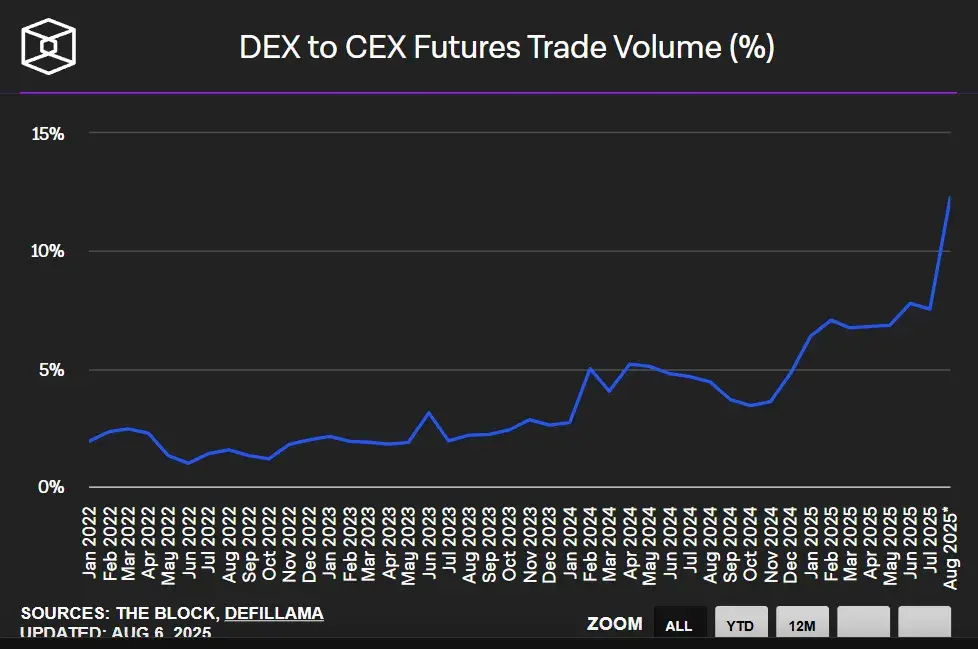
去中心化交易所到中心化交易所交易额正屡创新高
DeFi

来源: The Block

尽管进程缓慢但趋势明显,去中心化交易所正不断蚕食中心化交易所的市场份额。

2022年6月,永续DEX在衍生品领域的市场份额仅为0.98%。三年后,这个数据已增长了11倍。


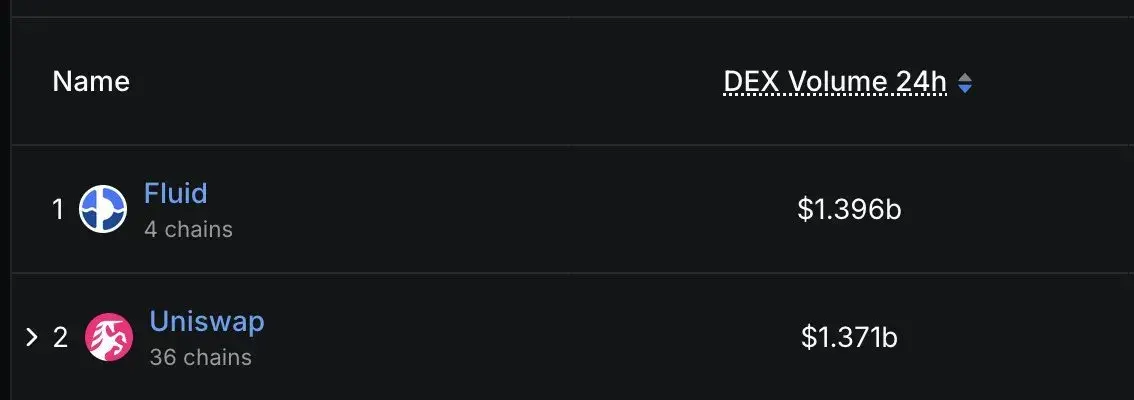
Fluid是增长最快的DEX
DeFi

来源:DeFiLlama

据报道,Fluid上线不到一年时间,日交易量便一度超越以太坊上的龙头DEX Uniswap。

Fluid DEX V2即将上线,如果Fluid最终在以太坊上赢得DEX之战,我一点也不会感到意外。

在资本效率方面,V2预计将远高于V1版本。


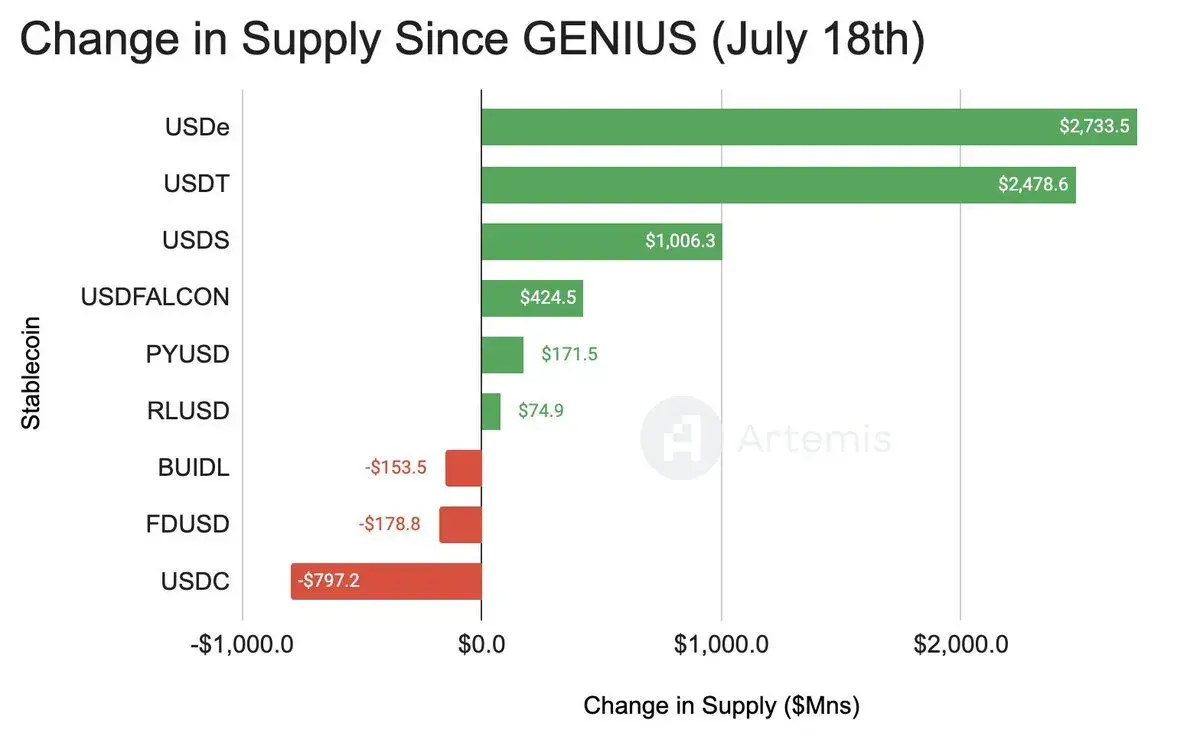
生息型稳定币首次登顶资金流入榜
DeFi

来源: Artemis

近日,Ethena旗下的稳定币USDe首次在两周净流入量上超越了USDT和USDC两大主流稳定币。

为什么这个变化如此重要?

USDT和USDC在稳定币领域长期领跑市场,而如今加密原生解决方案正不断涌现,挑战其主导地位。

我的预测是Resolv、Ethena和Falcon Finance在未来几个月将继续呈指数级增长。


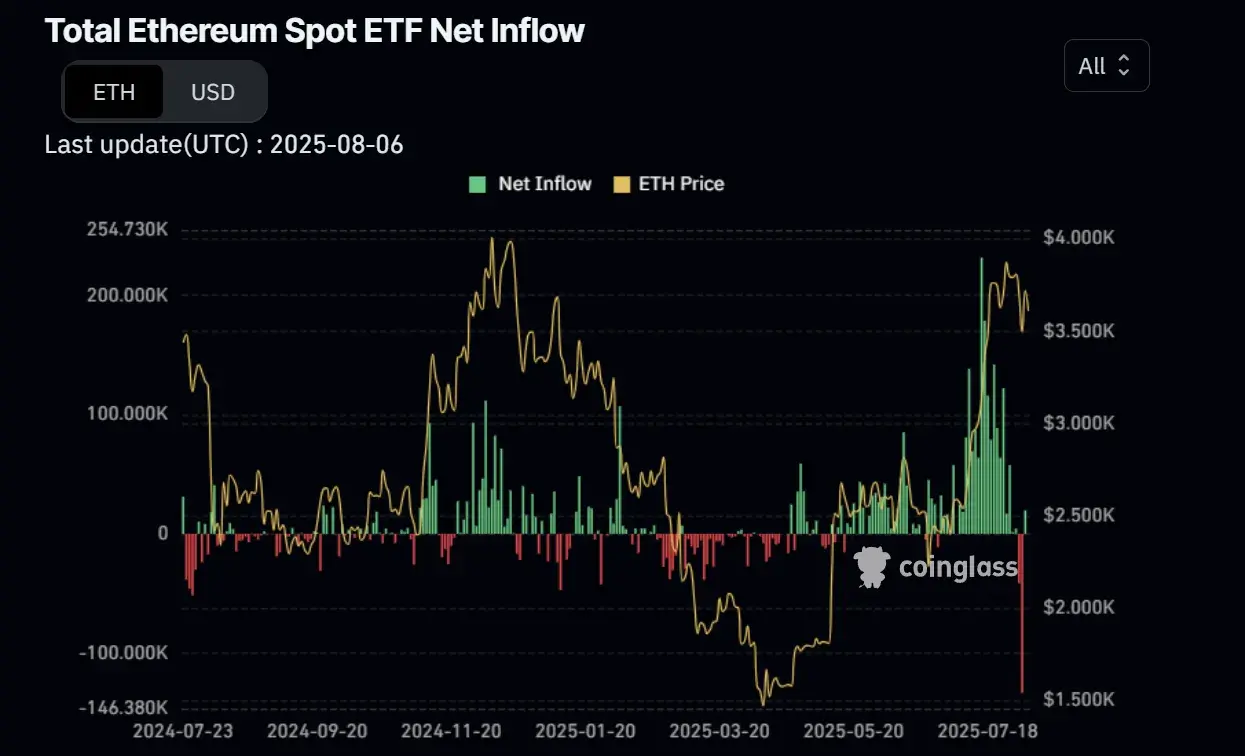
现货以太坊ETF表现良好,但涨势正在放缓
DeFi

来源:Coinglass

经过数周持续刷新单日流入资金历史新高后,以太坊现货ETF近日录得有记录以来最大单日资金流出。

原因可能是,一些传统金融巨头已经获利了结。

不过,如果我们从宏观来看,过去两个月是现货以太坊ETF迄今为止表现最好的阶段。


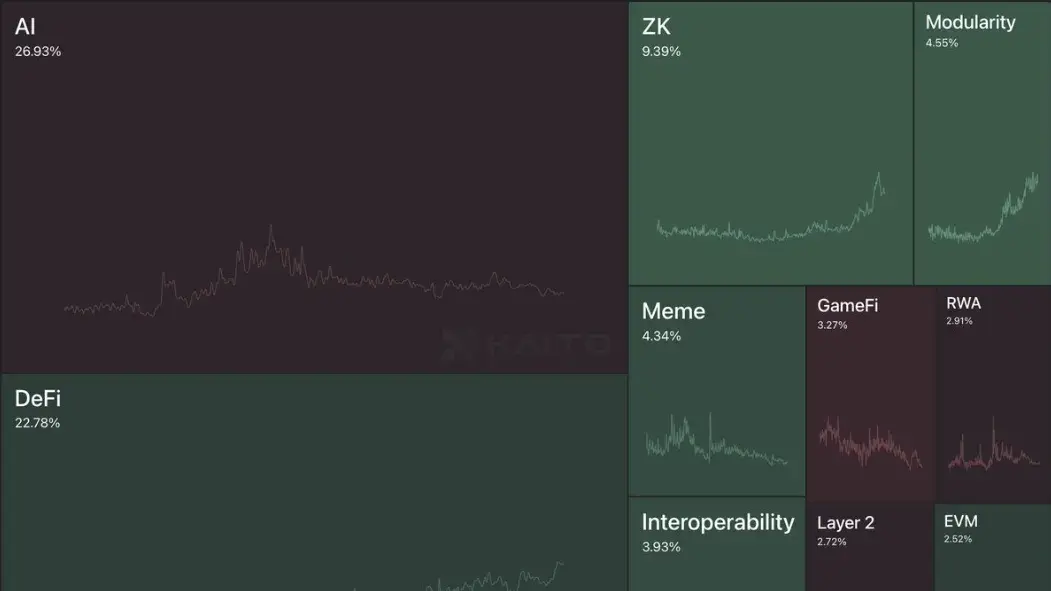
DeFi正在逼近AI的心智份额
DeFi

来源:Kaito

一年多以来,AI一直在心智占有率上占据领先地位。

但这种局面正在改变,在过去的几个月里,DeFi的关注度增长了两倍多。与此同时,Meme币的关注度大幅减少。

基本面再次变得重要起来。


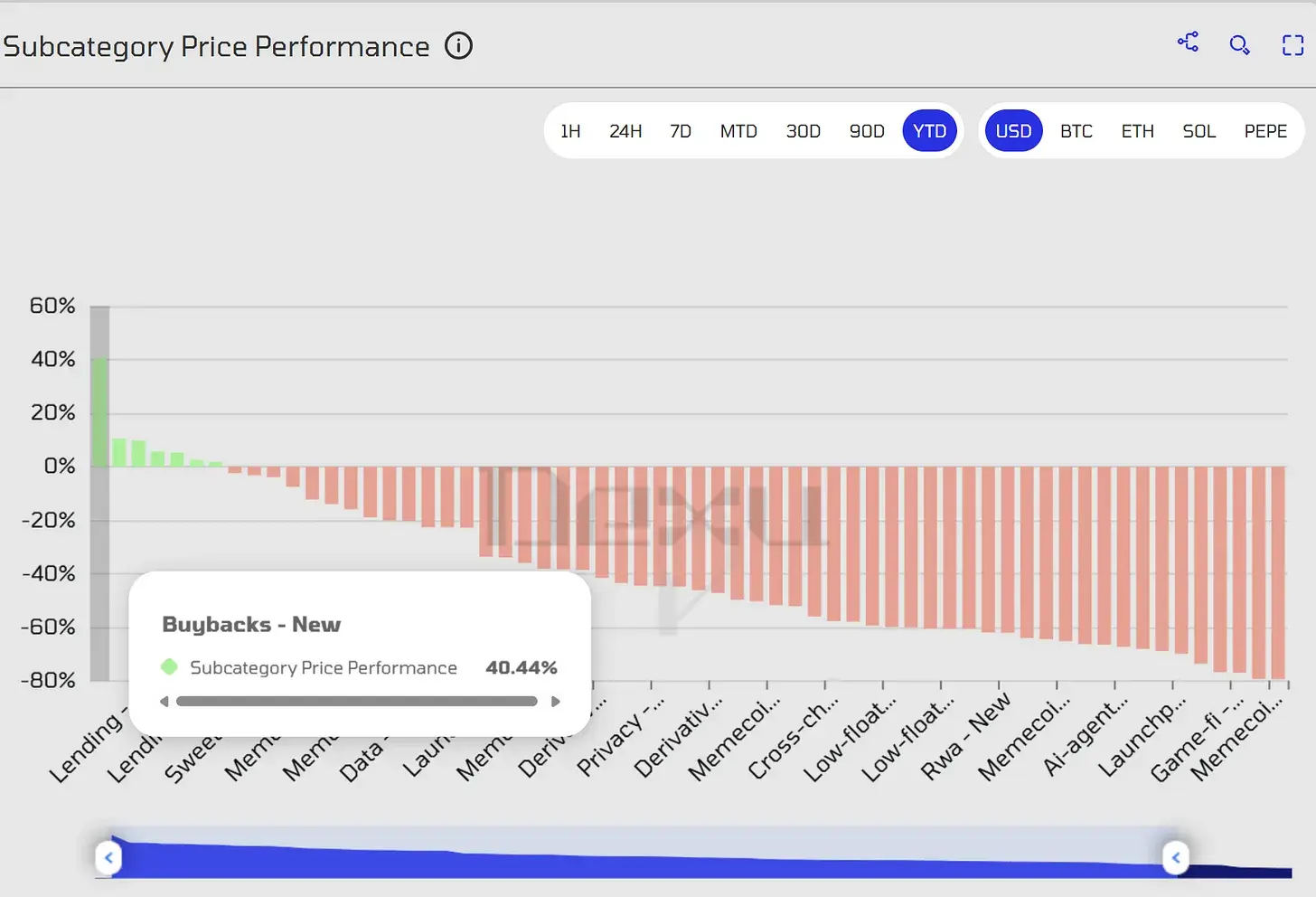
2025年具有代币回购计划的项目表现最为出色
DeFi

来源:Dexu AI

这标志着市场开始青睐基本面扎实的代币。进行代币回购的协议子类别包括 Hyperliquid、PumpFun、Maple、EtherFi、Kaito、AAVE等项目。


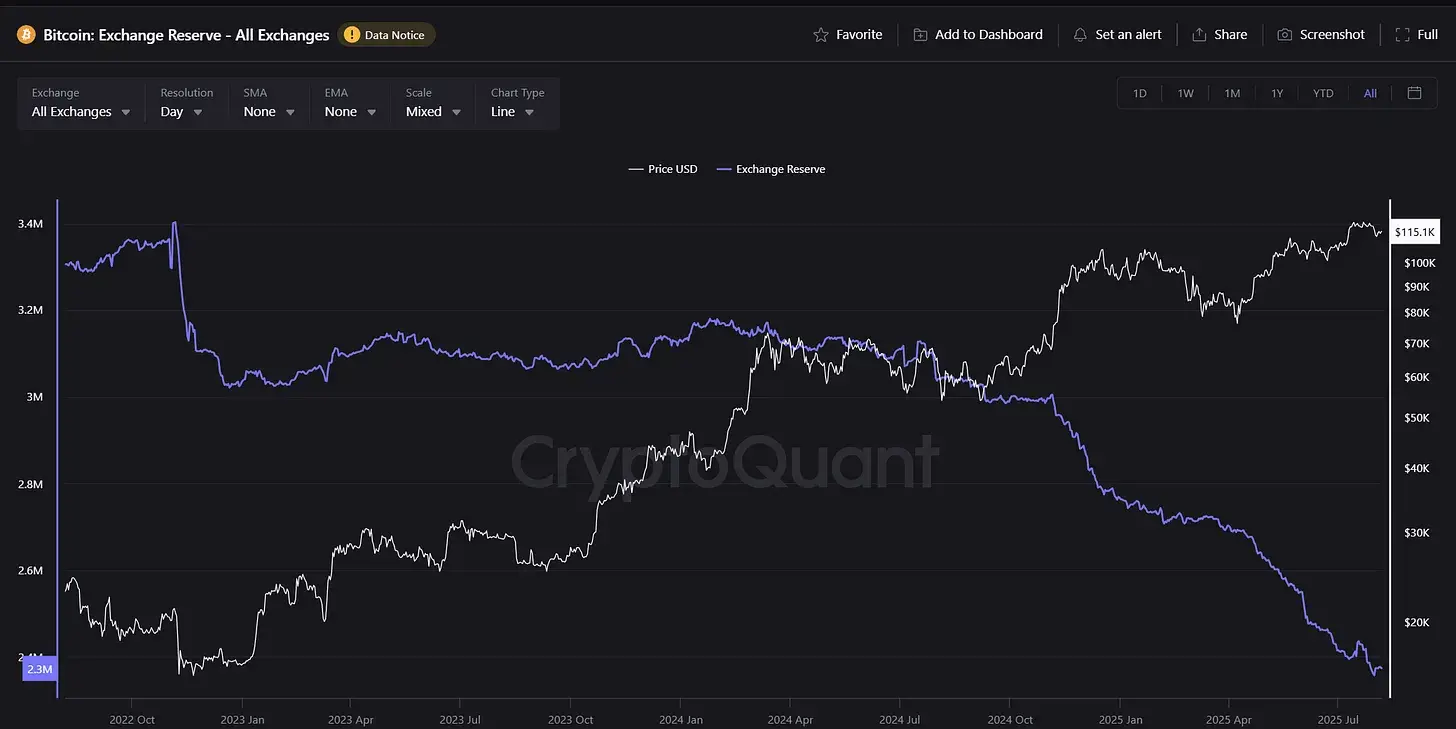
交易所BTC储备量持续下降
DeFi

来源:Crypto Quant

2024年2月以来(正值美国首批比特币现货ETF推出后不久),交易所BTC储备量就持续减少,而这种情况与之前的牛市恰恰相反​​。

本周期内,比特币ETF的资金流入以及加密资产储备公司产生的购买需求,对BTC价格产生了巨大的积极影响。

综上所述,以上就是本期要呈现的全部数据图表。

Lecturas Relacionadas

Comics Illustration: Helping You Understand China's New Regulations on Outbound Investment

Summary: Understanding China's New Regulations on Overseas Investment The State Council has announced new regulations on overseas investment, effective July 1, 2026. The core message is not a prohibition on international investment, but a call for both companies and individuals to operate with strong regulatory awareness. Here are the key points: 1. **Scope is Broad:** The rules apply not only to companies but also to other organizations and individual residents. 2. **Definition of Investment is Wide:** It encompasses not just capital transfers but also asset contributions, obtaining equity or rights, financing, providing guarantees, and direct or indirect acquisition of rights related to overseas entities or assets. 3. **Companies Must Plan Comprehensively:** Beyond simple ownership charts, firms need clear plans covering the investing entity, required approvals or filings, fund transfer paths, and compliance with technology, data, and security reviews. 4. **Individuals Should Prioritize Compliance:** Before focusing on returns, individuals must first assess their eligibility, understand legal channels for capital outflow, know what they are acquiring, and identify responsible parties in case of issues. 5. **Penalties are Significant:** Violations can result in fines and potentially restrictions on future overseas investment activities. In essence, overseas investment remains possible, but it must be approached with regulatory compliance as a fundamental priority, not solely based on commercial opportunity. *Note: This is a general informational summary and does not constitute legal advice or investment recommendations.*

marsbitHace 13 min(s)

Comics Illustration: Helping You Understand China's New Regulations on Outbound Investment

marsbitHace 13 min(s)

Nvidia Rack Disassembly Reveals New Growth Opportunity, MLCC Value Surges 182%

Supply bottlenecks in AI infrastructure have expanded to fundamental hardware components like multilayer ceramic capacitors (MLCCs), crucial for stabilizing power and filtering noise in AI servers. Both Goldman Sachs and Morgan Stanley highlight MLCCs as entering a historic "volume-price dual increase" supercycle driven by AI. Goldman forecasts the AI server MLCC market to surge over fourfold from ~$1.4B in FY2025 to ~$5.8B in FY2030, a 34% CAGR. The core driver is a structural supply-demand imbalance. While AI server demand is projected to grow ~4.3x by 2030, industry capacity expands at only ~10% annually, constrained by internal production of equipment and materials. This is compounded by strong demand from electric vehicles. The shortage is evident, with lead times for high-end MLCCs exceeding 20 weeks. The price cycle has officially begun. Japanese leaders Murata and Taiyo Yuden have raised prices by 15-35% for AI server and automotive MLCCs since April, citing material costs. Japan's April export data confirms the trend, with MLCC export value up 28% year-over-year. Profit leverage is significant: Goldman estimates a mere 5% price increase could boost Murata's FY2027 operating profit by ~13% and Taiyo Yuden's by up to 37%. Morgan Stanley's teardown of Nvidia's upcoming Vera Rubin AI rack reveals another catalyst: the MLCC value per rack has skyrocketed 182% from the previous generation to ~$4,320, highlighting the component's growing importance. With demand set to massively outstrip constrained supply, and price increases just starting, analysts position MLCCs at the beginning of a major, prolonged upcycle.

marsbitHace 13 min(s)

Nvidia Rack Disassembly Reveals New Growth Opportunity, MLCC Value Surges 182%

marsbitHace 13 min(s)

A 134% Surge, 75 P/E Ratio: Why Is the Market Paying Up for Murata's 'Zero Growth'?

Murata Manufacturing, the world's largest passive components maker, saw its stock price surge 134% over the past year and hit a record high on May 28th, despite reporting nearly zero growth in operating profit for its latest fiscal year. This has pushed its valuation to a P/E ratio of approximately 75x. The disconnect is driven by a fundamental market re-rating. The catalyst was a late-May meeting where management upgraded the AI investment cycle outlook to "lasting until around 2030" and noted that demand for its components is roughly double its supply capacity, with customers prioritizing securing volume over price. While Murata's revenue grew only 5.0% and operating profit stagnated at ¥281.8 billion for the fiscal year ending March 2026, its guidance for the current fiscal year projects a 34.8% jump in operating profit to ¥380 billion. This sharp growth is underpinned by expectations that its AI/data center-related revenue will nearly double from ¥170 billion to ¥325 billion, becoming a key pillar of its business. Analysts highlight that this growth stems not from broad price hikes but from a shift towards higher-value, cutting-edge MLCCs for AI servers, where Murata holds over 70% market share. The market is now pricing Murata not as a cyclical component maker but as a critical "AI pick-and-shovel" supplier with structural pricing power. However, the high valuation also carries risk if future AI demand or quarterly guidance falls short of the elevated expectations.

marsbitHace 36 min(s)

A 134% Surge, 75 P/E Ratio: Why Is the Market Paying Up for Murata's 'Zero Growth'?

marsbitHace 36 min(s)

a16z: Why Do Prediction Markets Matter?

Prediction markets, which allow users to trade on the outcome of future events, have gained significant traction, especially in the U.S. At their core, these markets function like any other market by aggregating information from all participants and translating it into a price signal—in this case, the perceived probability of a specific event occurring. Unlike polls or surveys that offer static snapshots, prediction markets provide dynamic, quantifiable probability estimates that update in real-time as new information and participants enter. A key advantage is the incentive structure: participants risk their own capital, which encourages serious research and trading based on genuine knowledge. This can surface information that traditional methods might miss. Furthermore, prediction markets can be created for a vast array of specialized questions—from geopolitical events to AI model performance—that aren't covered by traditional financial markets. However, several challenges remain. Infrastructure issues include reliably determining event outcomes and resolving disputes. Market design must ensure participation from well-informed individuals while preventing manipulation, such as insider trading or attempts to sway public perception by artificially moving prices. Addressing these concerns around rules, participation, and contract design is crucial. If these hurdles are overcome, prediction markets could evolve into a powerful, widely-used tool for forecasting and navigating uncertainty.

marsbitHace 46 min(s)

a16z: Why Do Prediction Markets Matter?

marsbitHace 46 min(s)

Trading

Spot
Futuros
活动图片