Alchemy представили 1-й в мире ИИ-движок для блокчейн -приложений

cryptonews.ruPublicado a 2025-07-03Actualizado a 2025-08-04

В мире блокчейн-технологий компания Alchemy анонсировала запуск Cortex — первого в мире "интеллектуального" движка для блокчейна, который обещает радикально улучшить производительность приложений. Этот инновационный инструмент уже используется в крупных проектах, таких как платформа предсказаний Polymarket, сеть World Chain и стейблкоины вроде USDC от Circle и PYUSD от PayPal

Cortex разработан для решения ключевых проблем криптоиндустрии: медленных откликов и ограниченной пропускной способности. По данным Alchemy, новая архитектура сокращает среднее время обработки запросов с 300–400 миллисекунд до всего 50 миллисекунд, а пропускная способность узлов возрастает в 500 раз по сравнению со стандартными решениями. Это позволяет приложениям обрабатывать огромные объемы транзакций без сбоев, даже в пиковые моменты, такие как дни запуска новых проектов.

Ключ к такой эффективности лежит в интеграции искусственного интеллекта. ИИ-системы Cortex оптимизируют маршрутизацию запросов, сегментируя их интеллектуально и адаптируясь к глобальным нагрузкам сети в реальном времени. Движок использует специализированное оборудование, включая bare-metal серверы и высокоскоростные соединения по темным волокнам, для обеспечения эластичного масштабирования. Кроме того, он включает функции вроде автономных failover, обнаружения угроз на основе ИИ и предиктивного поиска блоков, что гарантирует стабильность даже в экстремальных условиях1.

Обучение Cortex велось на данных за более чем семь лет работы Alchemy с ведущими игроками рынка. Компания обработала транзакции на сумму свыше 150 миллиардов долларов для более чем 100 миллионов пользователей по всему миру. Среди партнеров — Circle с их стейблкоином USDC, PayPal с PYUSD, а также пилотный токен-проект от J.P. Morgan. Такие приложения, как Polymarket, уже отметили улучшения: время отклика сократилось с 250 до 100 миллисекунд, что значительно повысило пользовательский опыт. "Задержка уменьшилась с 250 мс до 100 мс. Это приведет к большому росту производительности и удобства", — отметил Родриго С., глава платформы Polymarket1.

Cortex открывает новые возможности для разработчиков, включая неограниченный поиск логов по всей цепочке (до 265 раз быстрее), идеальную согласованность блоков без ошибок и нулевой процент обрывов соединений. В ближайшее время ожидается запуск быстрого архивного доступа для Solana с пропускной способностью 30–50 тысяч запросов в секунду. Это особенно актуально для секторов вроде стейблкоинов, токенизации реальных активов и децентрализованных финансов1.

Сообщество уже положительно отзывается о новинке. Разработчики из проектов вроде Ormi Labs отмечают, что Cortex доставляет блоки на 35% быстрее конкурентов в пиковые нагрузки. "Наше dApp теперь загружается в два раза быстрее благодаря новой инфраструктуре Alchemy", — поделились в Usual. Аналогично, команда Zerion подчеркивает бесконечное масштабирование, которое позволяет строить приложения без ограничений1.

Запуск Cortex подчеркивает лидерство Alchemy в блокчейн-инфраструктуре, где компания обслуживает 71% топовых приложений. С учетом растущего спроса на надежные инструменты в крипто, этот движок может стать стандартом для следующего поколения децентрализованных сервисов.

Lecturas Relacionadas

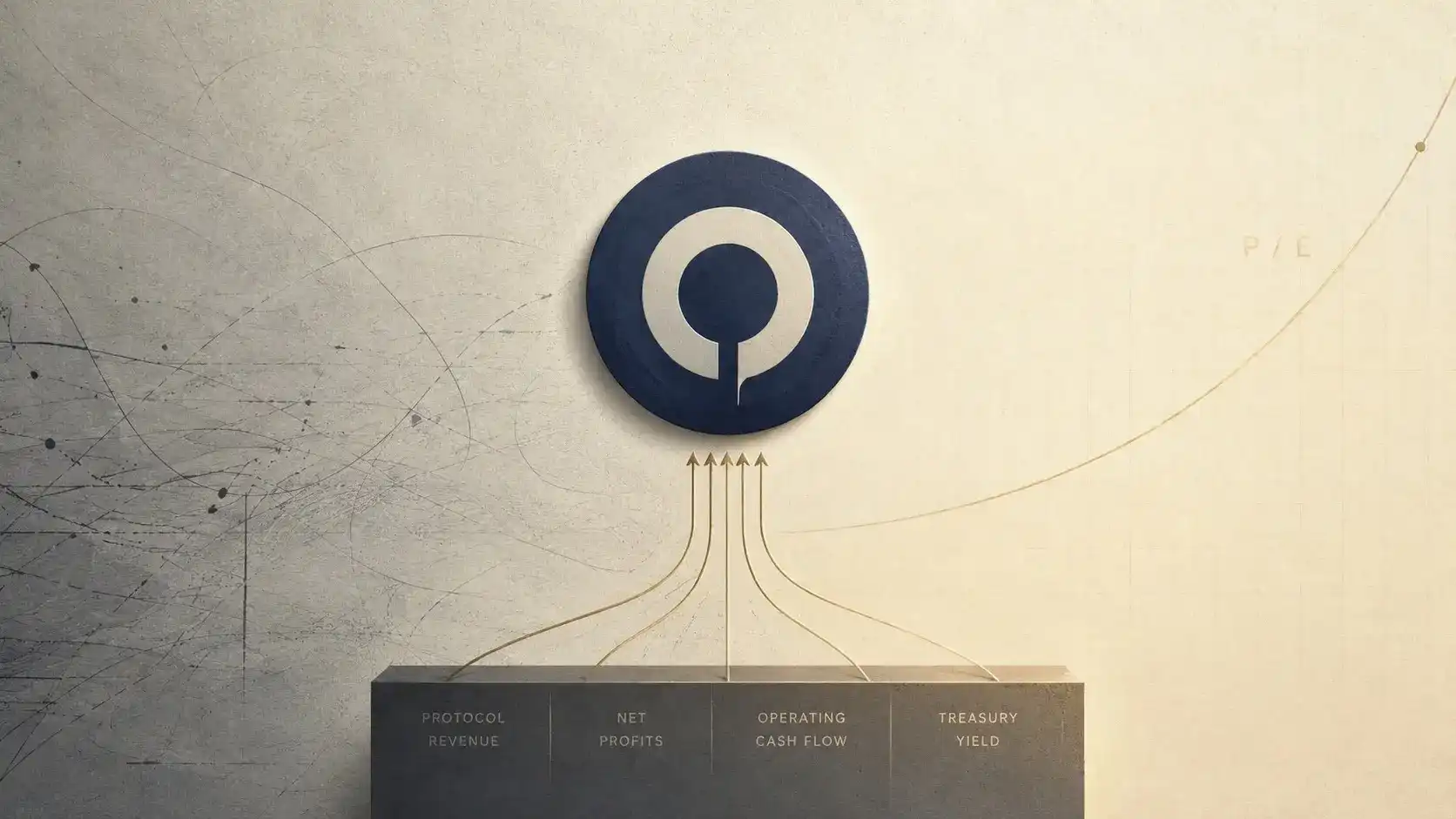
Arca Chief Investment Officer: How Should Tokens Be Valued Once Protocols Start Earning Money?

Title: Arca CIO: How Should Tokens Be Valued When Protocols Start Making Money? Summary: For over a decade, Arca has argued that digital assets should be valued based on fundamentals and future cash flows, just like traditional investments. While tokens are not stocks, basic investment principles still apply. Many decentralized protocols (e.g., Hyperliquid, Aave) are now generating significant, real revenue with high margins. However, protocol revenue alone does not automatically translate to token value. Unlike equity holders who have a legal claim on company assets and future cash flows (via dividends, buybacks, or acquisitions), token holders often lack a clear, enforceable path to receive value from protocol profits. Therefore, the critical link between protocol economics and token economics is even more important. A credible mechanism must exist for value to eventually flow to token holders, with token buybacks being one clear, direct method. Capital allocation is now a key issue for profitable protocols. Like growing companies, protocols should reinvest profits when returns on investment are high. However, this reinvestment only delays value capture; it cannot replace it indefinitely. Investors must believe that eventually, surplus capital will be returned. For example, two protocols with identical revenues should not trade at the same valuation multiple if one has a credible buyback mechanism and the other does not. As the market increasingly accepts this valuation framework, a major opportunity exists. Protocols with strong fundamentals and value-capture mechanisms may see their valuation multiples expand significantly as the historical discount for token-based assets narrows. Crypto investment is finally maturing into fundamental analysis, focusing on revenue growth, margins, competitive advantages, reinvestment returns, and credible paths for profit distribution to token holders.

marsbitHace 13 min(s)

Arca Chief Investment Officer: How Should Tokens Be Valued Once Protocols Start Earning Money?

marsbitHace 13 min(s)

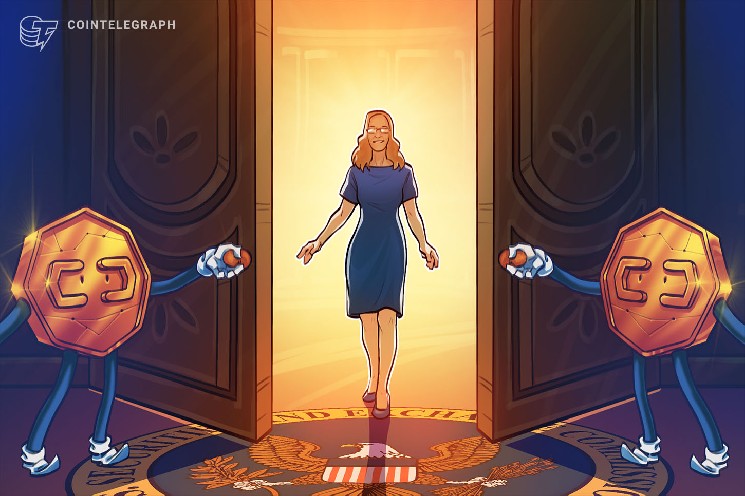
SEC Proposal a ‘Significant’ Step Forward From ‘Ill-Suited’ Crypto Rules: Commissioner Peirce

A U.S. Securities and Exchange Commission (SEC) commissioner, Hester M. Peirce, has called a new SEC proposal a significant improvement over what she termed a "misfit" set of crypto rules. Peirce stated that a whole generation has struggled due to the SEC's insistence on applying unsuitable regulations to cryptocurrencies, but the new proposal moves toward "clear, sensible, and enforceable rules for crypto offerings." SEC Chairman Paul S. Atkins also welcomed the initiative, noting in a separate statement that the agency's previous enforcement-heavy approach had driven investment overseas, limiting investor protections domestically. The proposal, announced on Tuesday, outlines new rules aimed at creating a clear and purposeful framework for certain investment contracts involving crypto assets, designed to allow organizations to raise capital while protecting investors. This move comes shortly after the U.S. Senate failed to advance the comprehensive Digital Asset Market Clarity (CLARITY) Act. Atkins had previously stated the SEC was prepared to develop rules for digital assets if the Senate could not pass the CLARITY Act. Meanwhile, Galaxy Digital has lowered its estimated odds of the CLARITY Act passing by 2026 to just 10%, citing numerous unresolved policy questions and the Senate's limited time—only about two to three weeks after reconvening on September 14—to pass it.

cryptonews.ruHace 45 min(s)

SEC Proposal a ‘Significant’ Step Forward From ‘Ill-Suited’ Crypto Rules: Commissioner Peirce

cryptonews.ruHace 45 min(s)

Trading

Spot
活动图片