【反常】SUI 交易量碾压 AVAX、NEAR、HYPE,交易员却集体撤离?

ambcryptoPublicado a 2025-07-31Actualizado a 2025-07-31

Resumen

SUI 在可扩展性方面的成功推动了其销量,但其价格仍然疲软。

关键要点

SUI 的月交易量超过了 AVAX、HYPE 和 NEAR 的总和,达到 445.9 亿美元。交易量的激增与 BTCfi 在 DeepBook 上的上线以及 TVL 创纪录的增长同步。

截至发稿时,根据 CoinMarketCap 的数据, Sui [SUI]在过去 24 小时内下跌了 4% 。继本周早些时候短暂上涨之后,此次下跌反映了加密货币市场的整体情绪。

SUI 一度飙升至 4.40 美元的局部高点,尽管有所回调,但链上交易量依然强劲。CoinGecko 的数据显示,SUI 的交易量持续上升。

SUI 赢得比赛

从分析来看,SUI 代币的交易量超过了Avalanche [AVAX]、Hyperliquid [HYPE]和Near Protocol [NEAR]的总和。

SUI 7 月份的交易量为 445.9 亿美元,比其竞争对手高出 80 亿美元。该交易量涵盖了中心化交易所 (CEX) 和去中心化交易所 (DEX) 的所有掉期交易,这证明了该山寨币的广泛接受度。
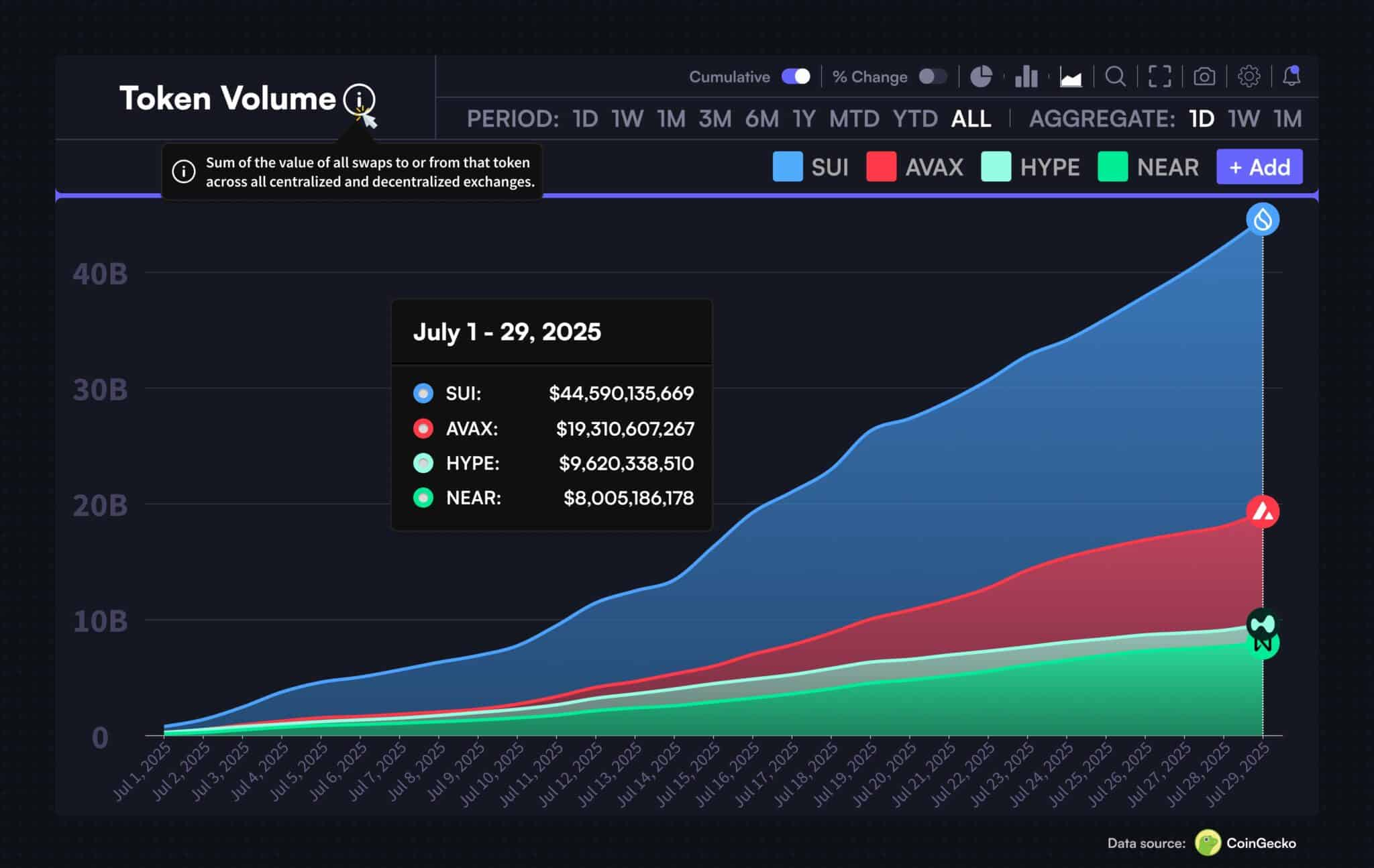
交易量的增长是由 Cetus 等不断发展的协议和新推出的 BTCfi 共同推动的,这些协议为网络开辟了新的流动性途径。

是什么推动了这一激增?

SUI 交易量的主要驱动因素之一是其 DeFi 协议,该协议现已支持比特币 [BTC]。考虑到 BTC 代币的扩容难度,这是一个新的里程碑。

BTCfi 将允许在 SUI 的 DeepBook 上使用比特币来为资金池、交易永续合约和期权、杠杆、借贷提供流动性。

正如 X (前身为 Twitter)所述,这将在 L1 区块链上引入全新的流动性。
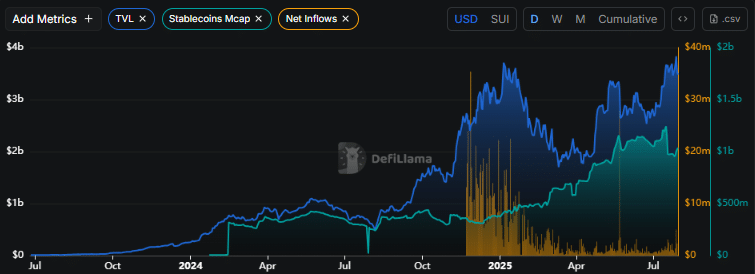
自 1 月份以来,SUI 的总锁定价值增长了 480% 以上,到 7 月底达到 22.95 亿美元。

当考虑流动性质押、借款和重复计算的资金时,TVL 总额达到了 34.8 亿美元,创历史新高。

稳定币活动也保持强劲,市值为 10.36 亿美元,每日流入量为 236 万美元,表明跨协议的资本部署稳定。

SUI 翻转 Ichimoku Cloud 阻力

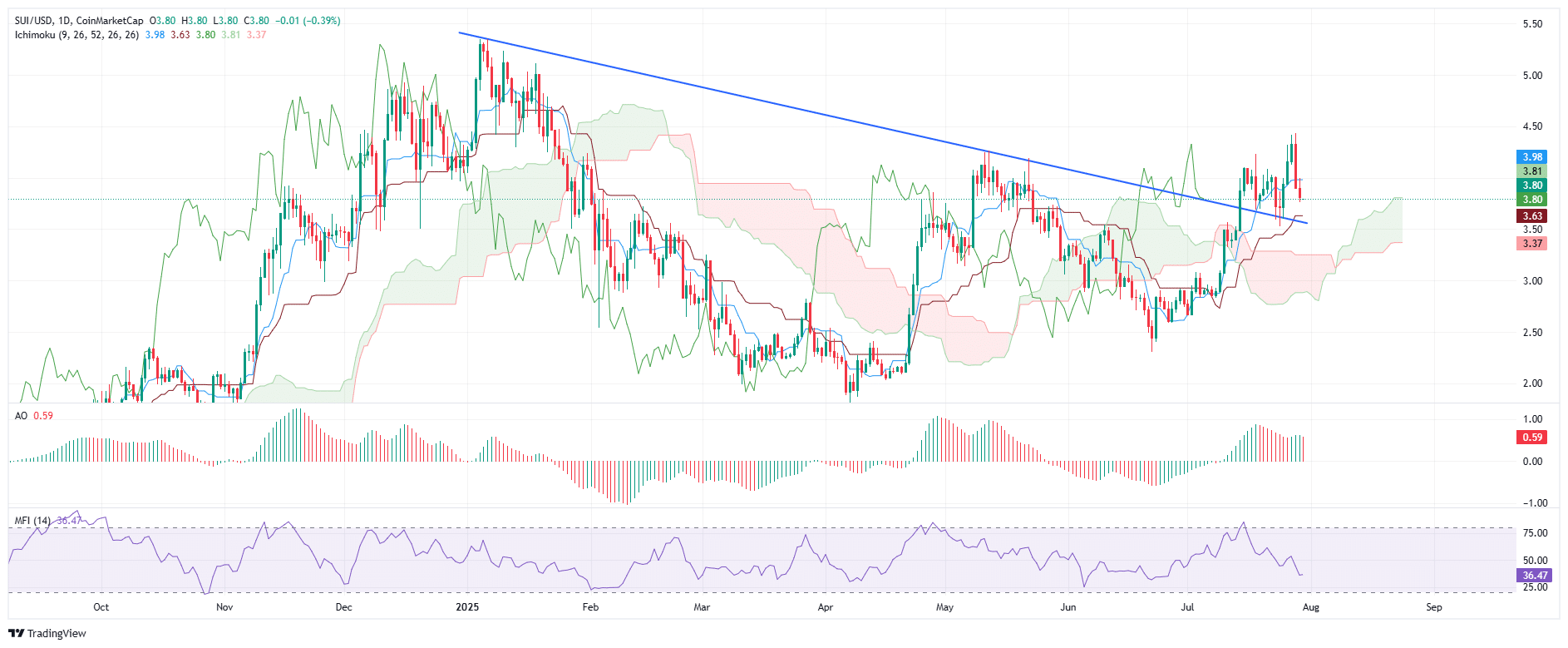
尽管山寨币在交易量方面领先,但价格却试图维持在一目均衡表上方。价格走势已经突破了该水平,这与下降趋势线相吻合。

SUI 的交易价格为 3.82 美元,价格似乎已重新测试 3.61 美元区域。

动量震荡指标显示出温和的看涨势头,但卖方占据了成交量主导地位。

资金流量指数 (MFI) 降至 36.47,表明尽管结构性增长呈正增长,但资金仍在流出该资产。
尽管价格疲软,但衍生品数据显示前景谨慎乐观。持仓量加权融资利率仍为正值,表明多头交易者仍在为空头支付。

与此同时,未平仓合约从 26.6 亿美元下降至 24.1 亿美元,但关键的是仍保持在 20 亿美元的门槛之上。

这种韧性暗示,即使在更广泛的市场调整中,机构或鲸鱼的兴趣也没有完全枯竭。

Criptos en tendencia

Lecturas Relacionadas

Bitcoin and Ethereum Soar Together! Eight Altcoins Worth Watching in the Later Market

Bitcoin and Ethereum Surge, Fueling Altcoin Speculation. Bitcoin Eyes $77,000, Ethereum Gains 20% in a Single Day. Market anticipates capital rotation from major cryptos to high-beta altcoins, but a selective rise is expected, favoring projects with genuine users, protocol revenue, and healthy tokenomics. Analysts highlight eight altcoins across key sectors: **High-Performance Blockchains:** * **SOL (Solana):** Market cap ~$51.88B. A dominant player with a strong ecosystem. Considered a relatively safe bet for potential catch-up growth. * **SUI (Sui):** Market cap ~$3.03B. High volatility potential but faces risks from its low circulating supply and future token unlocks. **DeFi Lending:** * **UNI (Uniswap):** Market cap ~$2.38B. Transitioning to a revenue-capturing asset post-fee switch implementation. * **AAVE (Aave):** Market cap ~$1.53B. Features balanced tokenomics and revenue but has seen significant recent gains. * **MORPHO:** Market cap ~$1.50B. Rapid protocol growth but weaker token value capture and opaque supply data. **Perpetual DEX:** * **HYPE (Hyperliquid):** Market cap ~$16.41B. The clear sector leader with strong revenue but high valuation and a large portion of tokens still locked, warranting caution. **RWA & On-Chain Finance Infrastructure:** * **LINK (Chainlink):** Market cap ~$8.09B. A key oracle provider positioned to benefit from multiple trends like RWA and institutional adoption, offering strong fundamentals. * **ONDO (Ondo Finance):** Market cap ~$1.77B. Shows strong business growth but carries high risks due to concentrated token holdings and a massive unlock scheduled for 2027. **Conclusion:** The altcoin rally is expected to be selective. Recommendations include a medium position in SOL, small allocations to SUI and UNI/AAVE for DeFi exposure, and caution with HYPE and ONDO due to their specific risks. LINK is suggested as a core holding for the RWA thematic.

marsbitHace 34 min(s)

Bitcoin and Ethereum Soar Together! Eight Altcoins Worth Watching in the Later Market

marsbitHace 34 min(s)

Shanghai's $10 Billion Unicorn Is About to Go Public

Shanghai-based automotive-grade millimeter-wave radar chip unicorn Calterah Microelectronics Technology (Shanghai) Co., Ltd. has filed for an IPO on Shanghai's STAR Market, aiming to raise 3.49 billion yuan. Founded in 2014 by Chen Jiashu, a UC Berkeley PhD graduate, and his professor Ali Niknejad, Calterah pioneered CMOS technology for 77GHz radar chips, breaking the decades-long monopoly of international giants like Texas Instruments. Its low-cost, highly integrated solutions enabled millimeter-wave radar to move from luxury to mass-market vehicles. By 2025, Calterah captured a 31.1% share in China's automotive millimeter-wave radar chip market (second domestically, fourth globally), with cumulative shipments exceeding 30 million units. Its client list includes BYD, Geely, Nio, and Volvo. The company has undergone 11 funding rounds, attracting high-profile investors such as the National Integrated Circuit Industry Investment Fund Phase II, China Capital Management, and GD Capital. Its valuation has reached tens of billions of yuan, with a projected post-IPO valuation of approximately 14 billion yuan. Despite rapid revenue growth—increasing from 206 million yuan in 2023 to 632 million yuan in 2025 with a 75.28% CAGR—Calterah remains unprofitable. It reported net losses of 323 million yuan, 334 million yuan, and 193 million yuan from 2023 to 2025, accumulating over 900 million yuan in losses over three and a half years. These losses are primarily attributed to heavy R&D investment, which totaled over 1.039 billion yuan in the reporting period, often exceeding annual revenue. The company faces significant risks, including high customer concentration (its top five customers accounted for over 99% of revenue from 2023-2025, with BYD alone representing over 50% in 2025) and supply chain concentration. Revenue pressure from key customers and dependencies on overseas suppliers for EDA tools and IP pose challenges to sustainable growth. The IPO is seen as crucial for securing capital to expand production, diversify its customer base, and reduce supply chain dependencies.

marsbitHace 1 hora(s)

Shanghai's $10 Billion Unicorn Is About to Go Public

marsbitHace 1 hora(s)

Ray Dalio's Latest Macro Analysis Full Text: Buy More Gold, Add Some Bitcoin

In his latest macro analysis, Ray Dalio applies his framework from "How Countries Go Broke: The Big Cycle" to the current global debt environment. He highlights recent events like Japan selling U.S. Treasuries and rising U.S. long-term yields as signs of an unsustainable debt dynamic. Dalio explains that excessive government debt leads to either unacceptably high interest rates, severe economic downturns, or significant currency debasement through central bank money printing. He summarizes the U.S. fiscal situation: with $5.5 trillion in revenue, $7.5 trillion in spending, a $2 trillion deficit, and total debt at six times annual revenue, debt servicing costs are immense. Without correction, U.S. debt could reach $55-$60 trillion in a decade. Dalio proposes a "3% Three-Way" solution: reducing the budget deficit to 3% of GDP through balanced spending cuts, tax increases, and interest rate reductions to avoid a traumatic adjustment. In response to FAQs, he argues that the risk of a U.S. debt crisis is high and could materialize within a few years if the current path continues. He dismisses the notion that the dollar's reserve status makes the U.S. immune, citing historical precedents of reserve currency declines. He is also unconvinced by Japan's high-debt stability, noting poor returns for yen-denominated assets. For investors, Dalio recommends diversifying globally, underweighting bonds, and overweighting assets like gold and a small allocation to Bitcoin (around 10-15% to gold) to hedge against currency debasement and poor debt returns.

marsbitHace 1 hora(s)

Ray Dalio's Latest Macro Analysis Full Text: Buy More Gold, Add Some Bitcoin

marsbitHace 1 hora(s)

Stripe’s 16-Year Chronicle: From 7 Lines of Code to a $100 Billion Valuation

Stripe's 16-year journey began with a simple promise: "7 lines of code to accept payments." Founded by Patrick and John Collison, the company started by hiding the complexity of bank integrations and merchant accounts behind a clean API, initially targeting developers at startups. This early focus on user experience and technical simplicity fueled rapid adoption. A key early milestone was establishing vital bank partnerships, a challenge overcome by hiring Billy Alvarado, who brought crucial institutional relationship skills. From this foundation, Stripe systematically expanded its product boundaries. It launched Connect for platform payments, Atlas for company formation, Radar for fraud prevention, and Billing for subscriptions. This transformed Stripe from a payment processor into a broader financial infrastructure suite for internet businesses. The COVID-19 pandemic accelerated growth but also led to over-hiring. A 14% layoff in 2022 marked a period of organizational correction. Subsequently, Stripe shifted its growth strategy towards strategic acquisitions to enter new domains quickly. It acquired Bridge (stablecoin infrastructure), Privy (wallet infrastructure), Metronome (usage-based billing), and agreed to buy OpenRouter (AI model routing). These moves signal Stripe's ambition to build a "programmable money system" for the emerging AI and agent-based economy, managing not just currency flows but also the measurement and pricing of computational resources like AI tokens. Internally, Stripe leverages AI agents (like "Minions") to boost engineering productivity. Despite scaling to nearly 8,000 employees and processing $1.9 trillion in payment volume annually, the company remains private. A recent employee tender offer valued it at $159 billion. The core question for Stripe's future is whether it can successfully integrate its expanding product matrix—spanning payments, crypto, and AI infrastructure—into a cohesive platform, positioning itself as the foundational economic layer for autonomous software agents.

marsbitHace 2 hora(s)

Stripe’s 16-Year Chronicle: From 7 Lines of Code to a $100 Billion Valuation

marsbitHace 2 hora(s)

Trading

Spot

Artículos destacados

Cómo comprar NEAR

¡Bienvenido a HTX.com! Hemos hecho que comprar NEAR Protocol (NEAR) sea simple y conveniente. Sigue nuestra guía paso a paso para iniciar tu viaje de criptos.Paso 1: crea tu cuenta HTXUtiliza tu correo electrónico o número de teléfono para registrarte y obtener una cuenta gratuita en HTX. Experimenta un proceso de registro sin complicaciones y desbloquea todas las funciones.Obtener mi cuentaPaso 2: ve a Comprar cripto y elige tu método de pagoTarjeta de crédito/débito: usa tu Visa o Mastercard para comprar NEAR Protocol (NEAR) al instante.Saldo: utiliza fondos del saldo de tu cuenta HTX para tradear sin problemas.Terceros: hemos agregado métodos de pago populares como Google Pay y Apple Pay para mejorar la comodidad.P2P: tradear directamente con otros usuarios en HTX.Over-the-Counter (OTC): ofrecemos servicios personalizados y tipos de cambio competitivos para los traders.Paso 3: guarda tu NEAR Protocol (NEAR)Después de comprar tu NEAR Protocol (NEAR), guárdalo en tu cuenta HTX. Alternativamente, puedes enviarlo a otro lugar mediante transferencia blockchain o utilizarlo para tradear otras criptomonedas.Paso 4: tradear NEAR Protocol (NEAR)Tradear fácilmente con NEAR Protocol (NEAR) en HTX's mercado spot. Simplemente accede a tu cuenta, selecciona tu par de trading, ejecuta tus trades y monitorea en tiempo real. Ofrecemos una experiencia fácil de usar tanto para principiantes como para traders experimentados.

412 Vistas totalesPublicado en 2024.12.10Actualizado en 2026.06.02

Cómo comprar NEAR

Discusiones

Bienvenido a la comunidad de HTX. Aquí puedes mantenerte informado sobre los últimos desarrollos de la plataforma y acceder a análisis profesionales del mercado. A continuación se presentan las opiniones de los usuarios sobre el precio de NEAR (NEAR).

活动图片