Биткоин может отправиться на штурм $130 000 и вот почему

cryptonews.ruPublicado a 2025-07-28Actualizado a 2025-07-28

В начале новой рабочей недели биткоин восстановился до прежних уровней. Впереди рынок ждет заседание ФРС и пресс-конференция главы регулятора, которая может определить перспективы движения BTC в ближайшее время

Редакция BeInCrypto собрала в одном обзоре информацию о предстоящих событиях, а также прогнозы опытных аналитиков по биткоину. Вот почему в ближайшее время BTC может устремиться к уровням выше $130 000.

Криптоблогер COIN 22 напомнил, что 30 июля 2025 года состоится заседание ФРС. Несмотря на то, что по прогнозу на этот раз регулятор вероятнее всего не пойдет на снижение ставки, оно может быть крайне важным для криптоиндустрии.

Во-первых, по рынку ходят слухи о вероятной отставке главы ФРС Джерома Пауэлла. Дональд Трамп уже не первый месяц пытается продавить банкира на снижение ставки. Президент США крайне негативно реагирует на отказы главы ФРС. Есть предположения о том, что заседание 30 июля может быть последним для Пауэлла. Впрочем, особенности положения ФРС и ограничения в полномочиях Трампа вряд ли позволят политику организовать отставку банкира. При этом слухи о том, что в ближайшее время у Пауэлла может появиться преемник, могут подогреть рынок.

Во-вторых, во время пресс-конференции ФРС после заседания представители регулятора могут дать долгожданные позитивные комментарии, которые поддержат рост рынка. На момент написания обзора, большинство инвесторов ждут первого снижения ставки в сентябре 2025. Ранее ФРС намекала на возможность двух снижений до конца года.

COIN 22 обратил внимание на то, что грядущие перемены могут поддержать рост биткоина. Снижение ставки повышает инвестиционную привлекательность таких высокорискованных активов как крипта. Также автор подчеркнул, что четвертый квартал года исторически — позитивный для BTC. Поэтому, по его мнению, впереди рынок может увидеть новые максимумы биткоина.

Популярный в криптосообществе аналитик Doctor Profit также ждет нового импульса биткоина. По его мнению, следующая цель — выше $130 тыс. Рост, как он считает, может быть реализован на фоне прорыва на месячном графике и роста M2, мировой ликвидности.
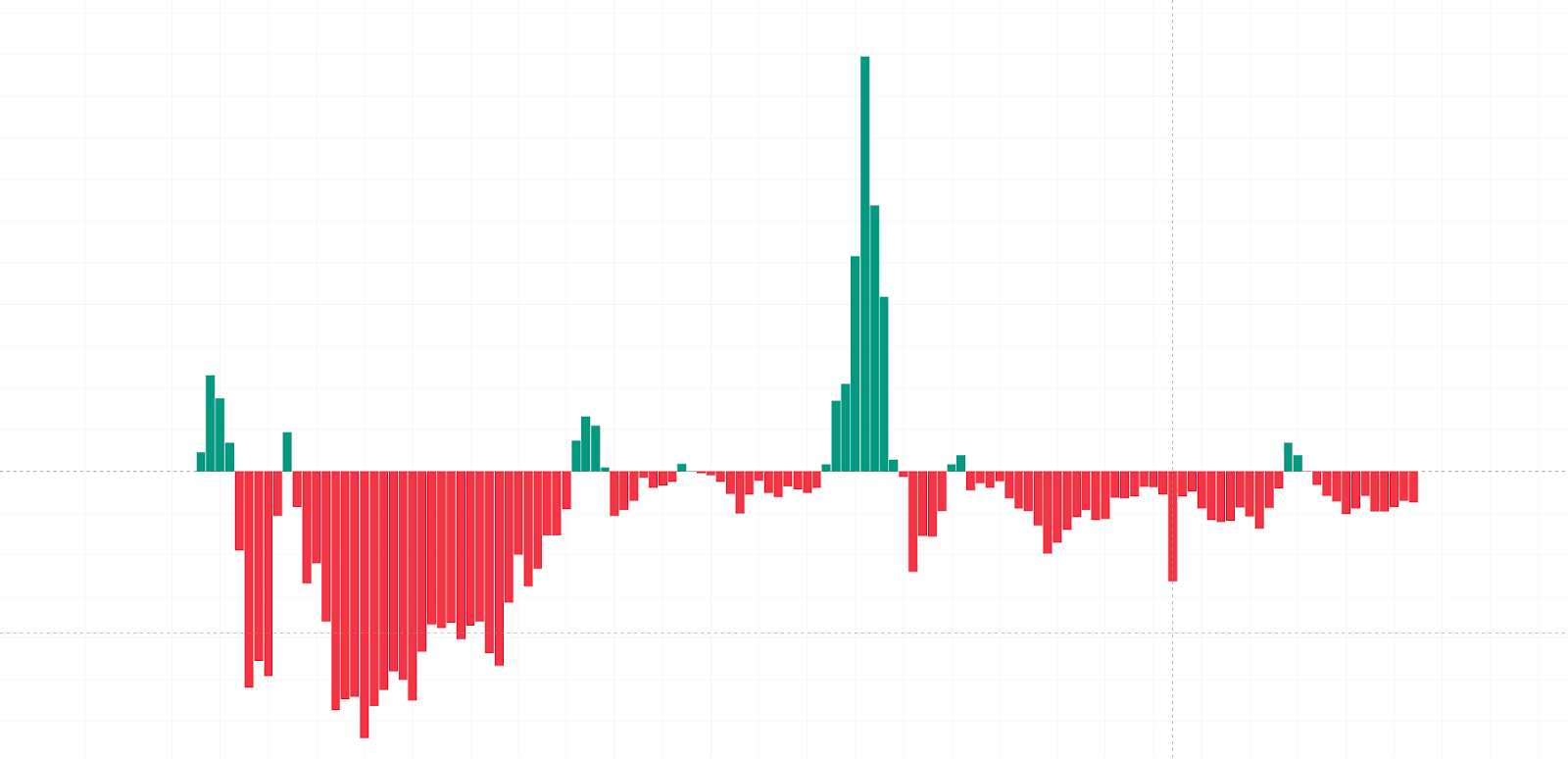
Анализ графика биткоина от Doctor Profit

По мнению аналитика, BTC способен войти в зону $130 000+ в ближайшие недели. По его оценке, техническая картина на старших таймфреймах и макрофакторы указывают на силу быков.

Автор обратил внимание на то, что в июле BTC пробил диагональное сопротивление на месячном таймфрейме, которое четыре месяца подряд (ноябрь и декабрь 2024, январь и февраль 2025) сдерживало цену под уровнем, связанным с историческим максимумом 2021 года. Он утверждает, что на графике уже зафиксированы чистый прорыв, ретест и формирующийся бычий импульс, что указывает на загрузку следующей «ноги» роста.

В пользу быков, по его мнению, указывают и новости о новых торговых договоренностях в рамках развязанной Трампом торговой войны. Снижение связанных с ней рисков способно поддержать американские акции, а вместе с ними и биткоин.

Панику на фоне распродажи BTC со стороны Galaxy Digital, которая привела к снижению монеты в моменте до $114 500, Doctor Profit считает необоснованной. Он утверждает, что притоки в спотовые биткоин‑ETF уже несколько месяцев превышают ежедневные объемы продаж и добычи. Инвестиционный гигант с Уолл-стрит BlackRock, по его словам, действует как «пылесос», вымывая свободные монеты с рынка.

Ключевым макродрайвером автор называет изменения мировой ликвидности. По его оценке, с начала 2025 года M2 вырос примерно на 2,3%, а самый агрессивный прирост пришелся на май—июнь (+0,63% м/м). Ссылаясь на историческую грубую зависимость (30–35% роста BTC на каждый +1% M2) и типичный лаг 60–90 дней, он выводит краткосрочный потенциал +15–17,5%, который, по его словам, и открывает криптовалюте путь к $130 000+.

Напомним, ранее нейросеть Илона Маска сказала, когда биткоин будет стоить $1 млн.
Lecturas Relacionadas

BitMart's Final 9 Days: A True Exchange Crisis Is Never About Shutting Down

BitMart's Final 9 Days: A True Exchange Crisis Is Not About Shutting Down On August 17, 2026, with just 9 days until BitMart's scheduled cessation of trading, the focus shifted from the platform's orderly closure to serious questions about user withdrawals, platform solvency, employee payments, and reserve transparency. Stakeholders, claiming to represent users and staff, publicly demanded asset/liability disclosures, explanations for withdrawal delays, a user repayment plan, and an independent audit, setting an August 19 deadline. While BitMart CEO Sheldon Lee denied allegations of insolvency or wrongdoing, the controversy highlighted a core vulnerability of centralized exchanges (CEXs). When an exchange announces its shutdown, normal user behavior changes dramatically, triggering a mass withdrawal event—the ultimate stress test for its liquidity and custodial integrity. The key question becomes not whether the platform has assets, but whether it holds sufficient *liquid* assets to cover all user liabilities on demand. The article argues that the trust placed in CEXs is based on the convenience they provide, abstracting users from direct control of their private keys. This trust is rarely questioned during normal operations but becomes critically exposed during a wind-down. The situation underscores the limitations of simple Proof of Reserves, which shows "what we have" but not the crucial "what we owe." True financial credibility requires transparent, auditable data on assets, liabilities, and segregated user funds. BitMart's situation reflects a broader, often overlooked issue in the crypto industry: while there is extensive focus on growth mechanisms for exchanges, there is little discussion or established protocol for a safe and transparent "exit mechanism." The final measure of an exchange's integrity, the article concludes, is not its user count or trading volume during a bull market, but its ability to ensure every last user can successfully withdraw their assets when the doors are closing. The outcome will be determined not by statements, but by whether the final user's funds securely leave the platform.

marsbitHace 13 min(s)

BitMart's Final 9 Days: A True Exchange Crisis Is Never About Shutting Down

marsbitHace 13 min(s)

Don't Speculate on 100x Coins, Just Bet on 'Cash Cows': Which Projects Are Worth Dollar-Cost Averaging in the Bear Market?

In a bearish crypto market, finding sustainable investments is more prudent than chasing speculative meme coins. This article analyzes projects generating consistent revenue, highlighting them as potential "cash cows" for long-term dollar-cost averaging (DCA). The top performers are "picks-and-shovels" plays. **Pump.fun**, a Solana-based meme coin launchpad, leads with $415.3M in monthly revenue, profiting from a 1.25% fee on token transactions. Despite market volatility, it has averaged tens of millions in monthly income in 2024. Perpetual DEX **Hyperliquid** stands out as a "bear market star," accumulating ~$352M in revenue over seven months. Its model funnels ~99% of fees into buying back and permanently burning its HYPE token. Established giants are also adapting. **Uniswap**, after enabling its fee switch, now earns protocol revenue (e.g., $5.6M recently), which is used to buy back and burn UNI, giving the token direct value accrual. Similarly, oracle provider **Chainlink** generates stable monthly revenue (~$4.57M recently) from its essential data, cross-chain, and automation services. Its new Payment Abstraction feature automatically converts service fees into LINK, accruing value in its treasury. The core thesis is clear: in a downturn, focus on projects with proven, resilient business models—those acting as essential infrastructure or capturing consistent transaction fees—rather than speculative narratives.

marsbitHace 29 min(s)

Don't Speculate on 100x Coins, Just Bet on 'Cash Cows': Which Projects Are Worth Dollar-Cost Averaging in the Bear Market?

marsbitHace 29 min(s)

Trends in U.S. Stocks (August 18): U.S.-Iran Deal Prospects Dim, Major Indices See Two Consecutive Down Days, Chip Stocks Defy Market Decline

**Market Overview:** On August 18th, U.S. stock indices declined for a second consecutive day. The S&P 500 fell 0.52%, the Dow dropped 0.51% to a two-week low, and the Nasdaq slipped 0.32%. The decline was driven by heightened geopolitical risk as U.S.-Iran negotiations reached a key deadline without an extension, dimming the prospect of a long-term agreement. **Key Drivers:** * **Geopolitics & Oil:** The failure to extend the U.S.-Iran memorandum led to a surge in oil prices, with Brent crude closing above $90/barrel for the first time in three weeks. * **Treasury Yields:** The 30-year U.S. Treasury yield hit a high not seen since 2007, driven by heavy corporate issuance (notably for AI investments) and ongoing fiscal deficits. * **Sector Performance:** While the "Magnificent Seven" tech giants all closed lower, semiconductor stocks bucked the trend. The Philadelphia Semiconductor Index rose 1.6%, led by memory chipmakers (e.g., SanDisk, Micron) and optical communication companies, as investors focused on the strong demand outlook for AI-related hardware. * **Currency & Safe Havens:** The U.S. Dollar Index fell for a third day, while the offshore Chinese Yuan hit a three-year high. Gold prices rose to a two-month peak, supported by safe-haven demand outweighing pressure from rising yields. Bitcoin also gained. **Outlook:** Market focus remains on potential escalation in the Middle East and its impact on oil, alongside continued scrutiny of AI-related earnings and demand signals.

marsbitHace 34 min(s)

Trends in U.S. Stocks (August 18): U.S.-Iran Deal Prospects Dim, Major Indices See Two Consecutive Down Days, Chip Stocks Defy Market Decline

marsbitHace 34 min(s)

Trading

Spot
活动图片