左手基金巨亏78%,右手打造15亿新财库:揭秘Solana头号玩家Joe McCann

marsbitPublicado a 2025-07-23Actualizado a 2025-07-24

Joe McCann

在金融世界里,声誉是交易的硬通货,而业绩则是衡量价值的最终标尺。然而,在加密货币这个新兴的、规则尚在建立的领域,这两者之间的关系变得模糊而复杂。2025年的夏天,Joe McCann——一位在Solana生态中极具影响力的“头号玩家”——用他极具戏剧性的经历,为我们提供了一个绝佳的观察样本。

事件的核心是一个惊人的反差:McCann倾注了巨大心血的对冲基金Asymmetric,因高达78%的灾难性亏损而轰然倒塌,使其专业信誉跌至谷底。但几乎在同一时刻,他却摇身一变,成为一个计划募集15亿美元巨款、旨在打造史上最大Solana财库公司的全新项目Accelerate的掌舵人。

从一次无可争议的投资失败,到一场规模空前的资本运作,这种无缝衔接挑战了传统金融的逻辑。它迫使我们思考一个核心问题:在今天的加密市场,一个强大的个人品牌和引人入hem的宏大叙事,在多大程度上可以对冲甚至超越灾难性的过往业绩?Joe McCann的故事,不仅仅是关于一个人的沉浮,更是一个关于声誉、风险与资本如何在一个去中心化的世界里重新排列组合的现代寓言。


从精英到“Solana先生”

Joe McCann能够在职业生涯的低谷迅速开启一个规模空前的项目,这一现象并非偶然。其背后深层的逻辑,在于他早已通过独特的精英背景和作为Solana“首席布道者”的角色,成功地将个人影响力资本化,并达到了顶峰。

与许多加密世界的草根英雄不同,McCann的履历自带一种让机构资本无法忽视的“正统性”。他早年在野村证券(Nomura)等顶级投行从事量化交易的经历,让他对全球宏观经济的脉动和复杂金融工具的运作了如指掌。随后,他敏锐地捕捉到技术浪潮的转向,成功转型为硅谷的技术创业者,其联合创办的公司NodeSource最终被成功收购,他本人亦在微软的“云与人工智能”部门担任过高级职务。

这份独特的跨界履历,使他成为加密世界一个罕见的“翻译官”。当他面向华尔街时,他能用金融从业者熟悉的语言,将区块链的技术特性包装成可投资的资产类别;当他面向技术社区时,他又能深入探讨底层架构,分析其性能优劣。

当他决定将自己的全部精力投入加密世界时,他极具战略眼光地选择了当时充满争议的新贵——Solana,而非稳坐王位的比特币或以太坊。他几乎是以一种狂热的姿态,化身成了Solana的“首席布道者”,利用自己在媒体和行业会议上的巨大声量,不知疲倦地向世界输出一个核心叙事:Solana是为未来金融系统设计的“去中心化纳斯达克”。这个比喻堪称神来之笔,它精准地戳中了华尔街的心窝子。

通过持续不断地输出,他成功地将自己的个人品牌与Solana的未来深度捆绑。对于那些渴望抓住下一个风口、却又对加密技术望而生畏的局外人来说,Joe McCann就是他们进入Solana世界最权威、最可靠的信源。他成为了名副其实的“Solana先生”,其个人声望和影响力也在此过程中达到了顶峰。


高风险押注的代价:78%的溃败

当一个人的影响力达到顶点时,将其变现的冲动便油然而生。McCann的选择是创办自己的对冲基金Asymmetric,这本应是他从“理论家”到“实践家”的加冕礼,最终却演变成了一场关于风险失控的警示剧。
Joe McCann

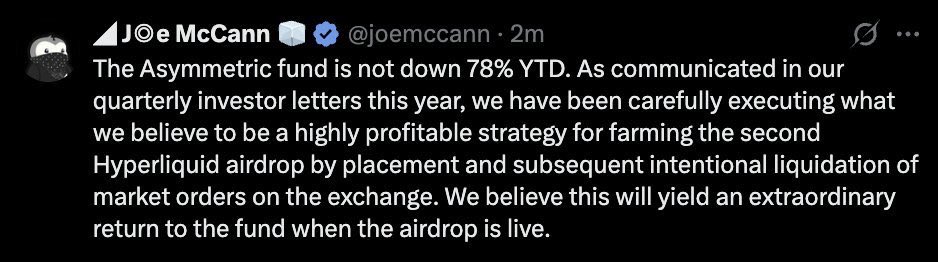
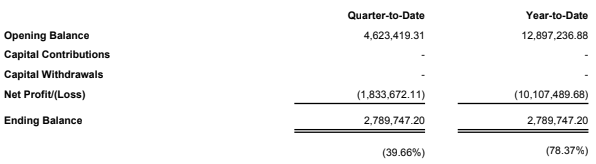
2025年,Asymmetric基金的净值曲线,画出了一道令人心惊肉跳的下坠弧线,最终定格在了-78%。在加密市场整体向好的背景下,这个亏损幅度堪称灾难。基金被迫清算,关门大吉。

在事后面对投资人排山倒海的质疑时,McCann将其归咎于一项围绕去中心化衍生品交易所Hyperliquid空投的复杂“挖矿策略”。他坚称,这是一个经过精密计算的“风险对冲”操作,虽然账面上暂时出现了巨大亏损,但只要项目方未来发放空投,基金就能获得“非凡的回报”。

然而,这套说辞在专业人士听来难以自洽。所谓“风险对冲”(Delta-Neutral)策略,其核心要义恰恰是通过金融工具来剥离市场价格波动的风险。将78%的巨额亏损归咎于一个本应是低风险的策略,这本身就暴露了基金在风险模型、杠杆控制或头寸管理上,出现了灾难性的失误。这并非一个简单的“回报延迟”问题,而是一次无可争议的、彻底的风险管理溃败。

一位愤怒的投资者在社交媒体上晒出的千万美元投资巨额缩水的账户截图,如同一枚重磅炸弹,彻底引爆了市场。Joe McCann的“先知”形象轰然倒塌,取而代之的是“赌徒”的标签。这次失败,几乎摧毁了他作为基金管理人的专业信誉。
Joe McCann


以更大赌注“救赎”

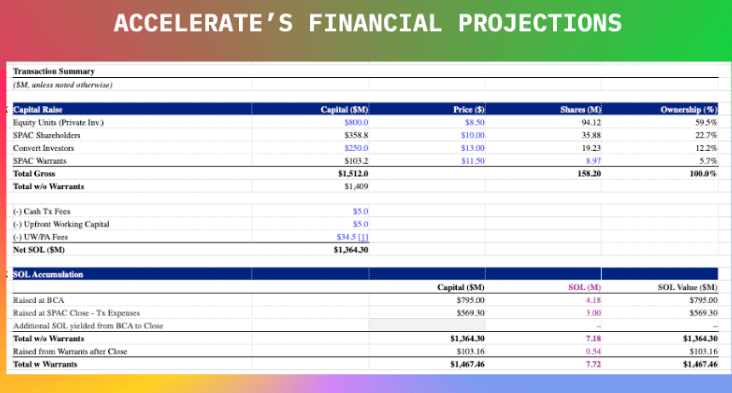
就在所有人都以为McCann将就此沉寂之时,他却以一种更加高调、更加雄心勃勃的姿态宣告“回归”。他宣布将出任新公司Accelerate的CEO,计划通过SPAC(特殊目的收购公司)上市,募集15亿美元,用以扫货732万枚SOL代币,目标是成为全球持有SOL最多的上市公司。
Joe McCann

这一举动背后的商业逻辑,是一次精妙的“叙事切换”。它试图让市场忘记那个在微观交易层面失败的“基金经理McCann”,转而关注一个在宏观战略层面高瞻远瞩的“企业家McCann”。

为了实现这个宏大的目标,McCann设计了一套极其复杂的华尔街资本游戏。这15亿美元并非一笔简单的融资,而是一个由PIPE(上市后私募投资)、SPAC信托资金、可转换债务和认股权证等多种金融工具精密编织而成的“管道”。这套操作的目的只有一个:用传统机构投资者熟悉且信任的合规“外壳”,去包装一个高风险、高波动的加密“内核”。

SPAC模式尤其适合他,因为这种模式允许公司在上市宣传中使用美好的“未来预测”来吸引投资。这简直是为他这位“首席布道者”量身定做的舞台,让他可以尽情地向华尔街的基金经理们,描绘Solana生态指数级增长的宏伟蓝图。

或许是深知自己此前的失败记录太过扎眼,McCann聪明地为自己的新项目找来了一位堪称“定海神针”的搭档——拥有斯坦福计算机背景、履历光鲜的硅谷精英Komal Sethi。这个“愿景家+实干家”的领导层组合,无疑是一次精妙的公关。它向外界传递了一个强烈的信号:别担心Joe McCann会乱来,他这次找了个靠谱的学霸看着他。他负责仰望星空,描绘梦想;而他的团队负责脚踏实地,保障执行。这是对抗“鲁莽交易员”负面形象,重建市场信任最关键的一步棋。


一场名为“财库”的淘金热

要真正理解McCann这场15亿美元豪赌的背景,我们必须将镜头拉远,审视当时席卷整个资本市场的一股新浪潮——“Solana财库公司”的淘金热。Accelerate并非孤例,而是这股浪潮的顶点。

这个模式的鼻祖,是公开宣布将比特币作为主要储备资产的上市公司MicroStrategy。而Solana财库公司们则在此基础上进行了创新:它们不仅大量买入并持有SOL代币,还利用Solana的权益证明(PoS)机制,通过质押(Staking)手中的SOL,来产生约6-8%的年化原生收益。

对于公开市场的投资者而言,这提供了一个极具吸引力的价值主张:只需购买一支受监管的股票,就能同时获得SOL代币的价格敞口和稳定的质押收益,还无需自己承担管理私钥、选择验证节点等技术风险。

在Accelerate入局之前,这条赛道已经挤满了雄心勃勃的竞争者,如Upexi、DeFi Development Corp等。它们通过私募、股权信贷额度等不同方式融资,不断增持SOL。这场游戏的本质,是一场关于规模和市场预期的竞赛。谁能持有最多的SOL,谁就能在未来的Solana ETF叙事中占据最有利的位置,并享受最高的股价溢价。

其他公司大多采取的是“小步快跑”、逐步增持的策略,而McCann的Accelerate则截然不同。他试图通过SPAC这种“大爆炸”式的方法,一次性募集巨额资本,一步到位,直接成为无可争议的市场霸主。这是一种典型的“赢家通吃”式打法,风险极高,但回报也同样诱人。


Solana的中心化代价

Accelerate的诞生,不仅仅是一个金融事件,它还像一面镜子,照出了Solana生态系统最核心、也最具争议的灵魂拷问:关于去中心化。

长期以来,Solana就因其在设计上的取舍而面临“不够去中心化”的批评。为了追求极致的速度和性能,它对验证节点的硬件要求极高,导致算力集中于少数专业实体;其早期的代币分配也更多地流向了团队和机构投资者。

而像Accelerate这样的巨型财库公司的崛起,无疑会加剧这种趋势。当一个实体持有并质押全网超过1.3%的SOL时,它就成了一个巨大的、中心化的权力节点。这与区块链世界所追求的权力分散、抗审查的“去中心化”理想,似乎背道而驰。

有趣的是,Solana的官方支持者——Solana基金会,对这一趋势却表现出一种务实的、甚至是鼓励的态度。这揭示了Solana领导层的一种战略取舍:在当前阶段,吸引机构资本、获得主流市场认可的重要性,可能要优先于维持理论上完美的去中心化。

这似乎是Solana正在面临的一个“三难困境”:它想同时拥有高性能、机构采纳和彻底的去中心化,但这三者在现实中往往难以兼得。财库公司的兴起表明,它正在积极地拥抱机构,哪怕这可能以牺牲一定程度的去中心化为代价。Solana似乎在赌,成为华尔街首选的“去中心化纳斯达克”所带来的网络效应和合法性,最终将比坚守纯粹的理想主义更有价值。


结语:未竟的答案

Joe McCann的故事,最终指向一个关于价值判断的核心问题。他左手的失败,暴露了他在微观风险管理上的致命缺陷;而他右手的豪赌,则展现了他在宏观叙事建构和资本运作上无与伦比的手腕。

这场15亿美元的惊天豪赌,不仅是他个人的职业生涯救赎之战,更是对当前市场逻辑的一次终极拷问:在一个充满泡沫与梦想的行业里,究竟是实打实的过往业绩更重要,还是一个能让所有人都热血沸腾的好故事更值钱?

这位Solana的头号玩家,已经将他的两张牌——一张代表着耻辱性失败的“明牌”,和一张代表着无限希望的“暗牌”——都亮在了赌桌上。无论最终结局如何,他都已为加密货币这段年轻而狂野的历史,写下了最富争议和戏剧性的一页。他到底是凤凰涅槃的英雄,还是坠落深渊的赌徒?时间,终将给出最后的答案。


Criptos en tendencia

Lecturas Relacionadas

After Missing the 20x, I've Found a 'Dumb' Method for AI Investing

**Missing the 20x Opportunity: A Simple 'Dumb' Approach to AI Investing** The AI boom, driving NVIDIA's revenue from $60B to $216B in two years, creates immense investment pressure. However, like the internet bubble of 2000, the largest AI opportunities likely lie ahead, perhaps after a correction. Instead of rushing in now or waiting paralyzed for a crash, the author proposes a third way: building a "knowledge warehouse" by systematically mapping the AI industry to be ready when opportunities arise. The core of the strategy is understanding AI's four-layer value chain: 1. **Compute Infrastructure (The "Engine"):** This foundational layer, where all money eventually flows, includes: a) **Chip Design:** NVIDIA's dominance via its CUDA ecosystem, b) **Chip Manufacturing/Packaging/Memory:** TSMC's near-monopoly in advanced manufacturing and SK Hynix's lead in High Bandwidth Memory (HBM), c) **Optical Interconnects:** Essential for large-scale AI clusters (e.g., Lumentum, Coherent), d) **Cooling & Power:** Critical for high-density AI data centers (e.g., Vertiv), e) **Servers/Data Centers & Cloud Platforms:** The physical and virtual wholesale providers. 2. **Models & Tools (The "OS"):** The competitive layer of foundation models (OpenAI, Anthropic, Google, Meta, xAI), now generating real revenue. A key shift is the center of gravity moving from **Training** models to **Inference** (running models), which demands different chip characteristics and could challenge NVIDIA's monopoly. 3. **Middleware & Platform ("The Glue"):** Connects models and applications (e.g., Scale AI, Hugging Face). This layer could explode if applications take off. 4. **Vertical Applications ("The Cash Register"):** Where AI meets end-users (e.g., enterprise AI, coding tools, medical AI, robotics). A critical cross-cutting constraint is **Energy**, as AI's massive power consumption drives investment in nuclear and other energy infrastructure. The author identifies four key questions for further research: 1) How will the shift from Training to Inference reshape the competitive landscape? 2) With tech giants spending over $600B on capex, where is the ROI from AI applications? 3) What are the under-the-radar opportunities in the "second" and "third" circles of the value chain (e.g., cooling, specialty foundries)? 4) How will geopolitics (e.g., U.S.-China chip restrictions) bifurcate the supply chain? The conclusion is that missed opportunities stem from insufficient research, not slow timing. By methodically studying each layer—its business models, competition, and valuations—investors can build the "killer intuition" needed to act decisively when the market presents its chance.

marsbitHace 1 min(s)

After Missing the 20x, I've Found a 'Dumb' Method for AI Investing

marsbitHace 1 min(s)

Rented Faith: How Much of the Bitcoin ETF Inflows Is Real Money?

"Rented Conviction: How Much of Bitcoin ETF Flows Is Real Money" The weekly inflows into Bitcoin ETFs are often interpreted as a gauge of institutional belief. However, a significant portion of this activity is driven by a hidden arbitrage trade, not directional conviction. The core mechanism is a cash-and-carry arbitrage: traders buy spot Bitcoin (often via ETFs) while simultaneously shorting CME futures to lock in the price difference, or "basis." This delta-neutral trade is essentially an interest rate play. In weekly data, about half the fluctuation in ETF flows can be explained by new short positions added by leveraged funds (hedge funds), with a correlation of 0.70. Bitcoin's price movement in a given week shows no statistical power in predicting these flows. While this arbitrage trade drives weekly *volatility*, it is not the main component of the cumulative *stock*. Of the total ~$55 billion in net ETF inflows, the current net arbitrage position is only about $1 billion. The remainder is steady, directional buying averaging ~$400 million per week, which constitutes the vast majority of the accumulated "mountain" over two years. Thus, ETF flow data overstates the *volatility* of conviction, not its *level*. This arbitrage trade has been unwinding for nearly two years. Leveraged fund short positions peaked at ~$14 billion in late 2024 and have since declined to ~$4.5 billion. When the basis compresses to unprofitable levels, ETF inflows and short positions retreat together. Recent outflows should not be mistaken for a loss of faith but rather the routine unwinding of this rate trade. For Ethereum ETFs, the pattern is weaker. Accounting for staking yield makes the basis often negative, so neither strong conviction buying nor robust arbitrage supports its flows. To interpret ETF flows correctly, monitor the CME basis versus T-bill rates and leveraged fund net shorts. They reveal how much of the next "demand" headline is real. The real, patient buy-and-hold demand is what constitutes the enduring bulk of ETF assets.

marsbitHace 49 min(s)

Rented Faith: How Much of the Bitcoin ETF Inflows Is Real Money?

marsbitHace 49 min(s)

Soaring Over Tenfold Within the Year: The Frenzy Over SK Hynix Leveraged Products

South China Morning Post The leveraged ETF tracking SK Hynix has surged over tenfold year-to-date, fueled by intense market speculation on the memory chip sector. By June 22, the value of the 'South Korea 2x Long SK Hynix ETF' listed in Hong Kong had skyrocketed by more than 1,061% since the start of the year, while its asset size exploded over twenty times from the end of last year. The rally is driven by AI-driven demand for high-bandwidth memory (HBM), with SK Hynix recently sampling its next-generation HBM4E product. However, industry professionals warn of significant risks. Leveraged ETFs magnify both gains and losses. During a recent market correction, while the underlying SK Hynix stock fell 19.1%, its double-leveraged ETF dropped nearly 38%. Korean regulators noted that such products could theoretically lose 60% in a single day. Additionally, these ETFs face risks like time decay in volatile markets, liquidity spirals during mass redemptions, and extreme price dislocations from market-making failures, as seen in early June when an ETF moved opposite to its underlying stock. The trading is predominantly driven by retail investors, with institutional capital largely absent due to the products' high volatility. Analysts caution that with the semiconductor sector at elevated valuations and facing geopolitical and supply chain uncertainties, leveraged ETFs pose a substantial threat of amplified losses for uninformed investors.

marsbitHace 1 hora(s)

Soaring Over Tenfold Within the Year: The Frenzy Over SK Hynix Leveraged Products

marsbitHace 1 hora(s)

Trading

Spot
Futuros

Artículos destacados

Cómo comprar JOE

¡Bienvenido a HTX.com! Hemos hecho que comprar TraderJoe (JOE) sea simple y conveniente. Sigue nuestra guía paso a paso para iniciar tu viaje de criptos.Paso 1: crea tu cuenta HTXUtiliza tu correo electrónico o número de teléfono para registrarte y obtener una cuenta gratuita en HTX. Experimenta un proceso de registro sin complicaciones y desbloquea todas las funciones.Obtener mi cuentaPaso 2: ve a Comprar cripto y elige tu método de pagoTarjeta de crédito/débito: usa tu Visa o Mastercard para comprar TraderJoe (JOE) al instante.Saldo: utiliza fondos del saldo de tu cuenta HTX para tradear sin problemas.Terceros: hemos agregado métodos de pago populares como Google Pay y Apple Pay para mejorar la comodidad.P2P: tradear directamente con otros usuarios en HTX.Over-the-Counter (OTC): ofrecemos servicios personalizados y tipos de cambio competitivos para los traders.Paso 3: guarda tu TraderJoe (JOE)Después de comprar tu TraderJoe (JOE), guárdalo en tu cuenta HTX. Alternativamente, puedes enviarlo a otro lugar mediante transferencia blockchain o utilizarlo para tradear otras criptomonedas.Paso 4: tradear TraderJoe (JOE)Tradear fácilmente con TraderJoe (JOE) en HTX's mercado spot. Simplemente accede a tu cuenta, selecciona tu par de trading, ejecuta tus trades y monitorea en tiempo real. Ofrecemos una experiencia fácil de usar tanto para principiantes como para traders experimentados.

80 Vistas totalesPublicado en 2024.12.11Actualizado en 2026.06.02

Cómo comprar JOE

Discusiones

Bienvenido a la comunidad de HTX. Aquí puedes mantenerte informado sobre los últimos desarrollos de la plataforma y acceder a análisis profesionales del mercado. A continuación se presentan las opiniones de los usuarios sobre el precio de JOE (JOE).

活动图片