Биткойн доедает конкурентов

cryptonews.ruPublicado a 2022-09-10Actualizado a 2025-07-10

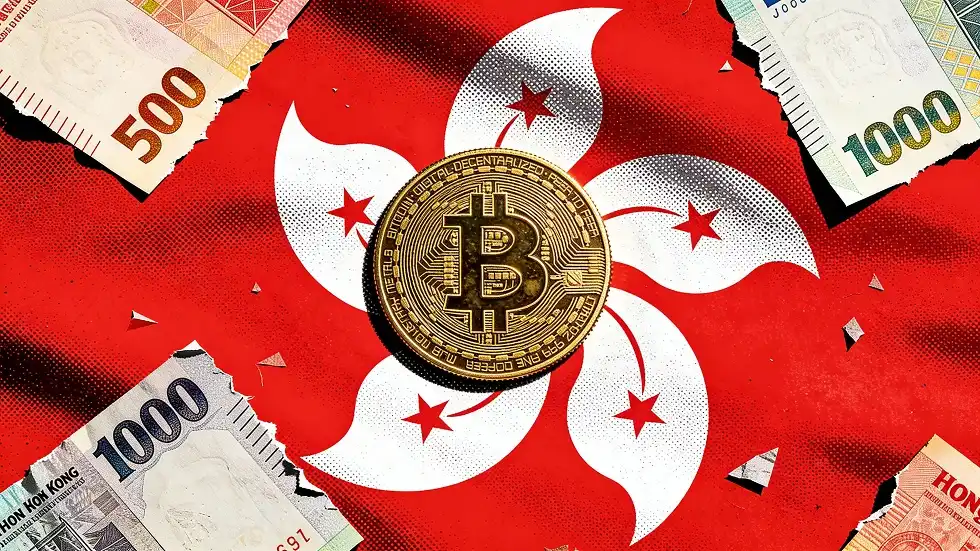
Курс биткойна обновил исторический максимум, достигнув $112 тыс. Эксперты объясняют рост биткойна инициативами Дональда Трампа по развитию крипторынка и интересом других стран к нему. При этом с начала года курсы большинства других криптовалют упали на 30–50% по мере того, как биткойн забирал себе все большее внимание инвесторов.

С начала апреля биткойн постоянно рос в цене, поэтому многие аналитики считали установление нового рекорда лишь вопросом времени. С начала июля поддержку этой криптовалюте оказал и рост интереса к высокотехнологичному сектору, что в том числе отразилось на котировках Nvidia. Накануне капитализация компании достигла рекордных $4 трлн.

Говоря о поддержке биткойна в среднесрочной перспективе, аналитики отмечают ведущую роль администрации Дональда Трампа и лично президента США, который неоднократно высказывался в пользу торгов криптовалютами. Компания Trump Media & Technology Group, владеющая соцсетью Truth Social, планирует запустить криптовалютный ETF, который будет инвестировать в биткойн. Еще весной в Конгрессе США началось согласование правил, которые обеспечат нормативную базу для стейблкойнов — формы цифрового доллара, широко используемой для платежей и торговли на крипторынках.

«Сдвиг в политике является четким и агрессивным,— сообщил “Ъ” глава консалтинговой компании deVere Group Найджел Грин.— Биткойн ведут в самое ядро американской экономики — крупнейшей в мире, а также в сферу регулирования корпоративных финансов и институциональных портфелей.

Это не просто хайп, это фундаментальное изменение политики».

На этом фоне власти других стран мира также пересматривают свое отношение к биткойну. ЦБ Чехии рассматривает возможность включения этой криптовалюты в свои валютные резервы. Суверенные фонды ряда стран Юго-Восточной Азии и Латинской Америки ведут активные переговоры с крупными держателями цифровых активов.

«Все больше центробанков, других государственных институтов и суверенных фондов рассматривают биткойн как стратегический актив,— отмечает Найджел Грин.— Они делают это не потому, что так пишут в газетах. Они готовятся к тому, что будет уже в ближайшем времени».

Рост курса биткойна происходит на фоне снижения курсов других криптовалют. В начале июля CryptoPresales выпустила исследование, в котором сообщалось, что за первое полугодие курс 75% криптовалют пережил двузначное падение. Такие токены и мемкойны, как Dogecoin, Avalanche, Shiba Inu и Polkadot, с начала года потеряли половину своей стоимости. Ether в начала года потерял 23%, а LiteCoin — 15%. По данным анализа CoinMarketCap, 18 из 25 крупнейших криптовалют мира закончили первое полугодие в «красной зоне». Неудивительно, что на этом фоне инвесторы, интересующиеся криптоактивами, все чаще обращаются именно к биткойну.

«Снижение интереса к мемкойнам, падение популярности в соцсетях и сдвиг интереса инвесторов к более практичным проектам привели к массовому снижению стоимости других криптовалют»,— отмечают исследователи CryptoPresales.

Lecturas Relacionadas

IOSG Founder: Ethereum Doesn't Need Another Leap of Technical Faith, It Needs a Musk-style Compromise

Jocy, founder of IOSG Ventures, argues that Ethereum does not need renewed technological faith but a "Musk-like compromise." The recent formation of ETHLabs—funded by major ETH holders like BitMine and Lubin—highlights a market-driven move to fill a gap left by the Ethereum Foundation (EF), signaling a loss of confidence in its decentralized, hands-off approach. The core critique contrasts Vitalik Buterin's (V) idealistic, technology-first vision with Elon Musk's pragmatic, business-driven execution. The author asserts Ethereum's current shortage is not another technical roadmap but a clear, real-world application narrative and a leader willing to engage directly with commercial realities—like Musk. Internal issues are emphasized, citing EF's management problems and talent drain. While the new decentralized model with independent nodes like ETHLabs addresses the single foundation's limitations, it risks fragmentation without cohesive direction. True cohesion, the author suggests, must come from a shared, compelling narrative around ETH's value, not just from aligned financial interests. Independence claims for new entities are seen as aspirational, needing years of transparency to build trust. The ultimate threat is not competitors like Solana, but the broader shift of attention and talent toward AI. Ethereum has a limited window—12 to 18 months—to recapture focus by delivering tangible, real-world applications. The conclusion urges V to shift from abstract ideals to grounded, pragmatic leadership. The time for this crucial pivot is running out.

marsbitHace 38 min(s)

IOSG Founder: Ethereum Doesn't Need Another Leap of Technical Faith, It Needs a Musk-style Compromise

marsbitHace 38 min(s)

Google Starts Selling TPUs, Big Tech Aims to Produce "Low-Cost Tokens" with AI Chips

Google has begun selling its proprietary TPU chips and AI computing hardware directly to third-party data centers and clients, marking a strategic shift. Previously only accessible via cloud rentals, TPUs are specialized processors designed for the matrix and tensor operations central to AI models. By combining thousands into supercomputing clusters managed by CPUs, Google achieves high-efficiency AI processing. This move enables Google’s Gemini AI to offer competitive token pricing, challenging rivals like OpenAI. It also signals a broader industry trend where AI compute is becoming a commoditized resource like electricity. While NVIDIA remains dominant with its CUDA ecosystem and high-performance GPUs, the focus is shifting from raw power to cost efficiency and system integration. Google’s approach mirrors NVIDIA’s by selling an entire ecosystem—hardware, software, and data center expertise—rather than just chips. This threatens NVIDIA’s grip on the mid-range inference market, where lower-cost, efficient solutions are increasingly demanded. Similarly, cloud providers like Huawei Cloud and Alibaba Cloud in China are developing their own AI chip ecosystems (e.g., Ascend, Zhenwu), packaging chips, clusters, and tools into full-stack solutions. They aim to reduce token costs and capture market share through integrated systems. In summary, the AI infrastructure race is evolving from a competition for the strongest chips to a contest for the most efficient and cost-effective systems. Google’s TPU sales highlight this transition, emphasizing that future success lies in delivering affordable, scalable AI compute as a foundational service.

marsbitHace 56 min(s)

Google Starts Selling TPUs, Big Tech Aims to Produce "Low-Cost Tokens" with AI Chips

marsbitHace 56 min(s)

Trading

Spot
Futuros
活动图片