《美丽大法案》惊险通关,一览 869 页文本背后的权力角逐

链捕手Publicado a 2025-07-04Actualizado a 2025-07-04

作者:Fairy,ChainCatcher

编辑:TB,ChainCatcher


在一场充满压力、拉锯、威胁的马拉松式表决后,美国众议院最终以218票对214票的微弱优势,通过了《美丽大法案》(One Big Beautiful Bill Act)。

这项长达869页的法案曾引发两党激烈争执,并导致特朗普与马斯克“公开决裂”。马斯克甚至扬言一旦通过,将于次日宣布成立“美国新政党”。

据白宫安排,特朗普将于北京时间5日凌晨 5 点签署该法案,这场“财政实验”即将拉开帷幕。

《美丽大法案》的惊险立法路

从最初提出到最终闯关成功,《美丽大法案》的立法之路几经波折。5月中旬,共和党议员便以“预算调和程序”启动立法进程,意图绕开参议院60票的传统门槛,仅凭简单多数推进。

(注:预算调和是一种特殊立法机制,允许与预算相关的法案在参议院仅凭51票通过。目前参议院共和党占53席,民主党占45席。)

5月22日,众议院以215比214的微弱优势通过该法案。投票前,因两党票数差距极小,共和党籍议长约翰逊在最后一刻作出几项修改,满足了部分共和党众议员的要求,但即便如此,投票时民主党全员反对,且共和党内部也有分歧。

6月4日,马斯克公开反对该法案,称之为“令人作呕”,并开始私下游说共和党议员,试图阻止总统签署法案。这使立法博弈进一步发酵,也将法案推向更高舆论热度。(相关阅读:掀翻美股,比特币暴跌,马斯克和特朗普“骂”出金融海啸?

进入参议院后,攻防战愈加激烈。6月29日,书记员通宵宣读长达940页的法案文本,耗时约16小时,成为华盛顿政治罕见场面。7月1日,在副总统万斯投下打破50对50僵局的关键一票后,法案终以51票通过参议院终稿。

7月3日,众议院再度表决参院版本,以218票对214票的相同差距完成最终通过。期间,民主党领袖杰弗里斯为拖延程序,单人演讲达8小时46分钟,创下众议院最长记录。

在整个过程中,特朗普高度介入,多次致电议员、在社交平台公开施压,并点名批评反对者“正在犯下大错”。

谁赢了,谁输了?法案背后的利益版图

最终版的《美丽大法案》长达869页,内容庞杂,最核心的条款聚焦于大规模减税与大幅削减社会福利支出。多项民调显示,美国公众普遍对该法案“并不买账”。


图源:金十数据

在法案的重锤落下,划出了显然的“赢家”与“输家”。

赢家阵营:富人、企业与传统能源

首先明确受益的是高收入群体与大型企业。法案不仅使特朗普2017年实施的个人与公司减税政策永久化,还进一步扩大了对资本利得、遗产税、企业研发支出和股东红利的减税优惠。

美国参议员伯尼·桑德斯披露的数据显示,该法案为最富有的1%的美国人提供9750亿美元的税收减免,同时为最富有的0.2%的美国人提供了2110亿美元的遗产税豁免,大型企业更是收获了9180亿美元的减税大礼。

此外,传统化石能源行业获得“绿灯式”补贴,而电动车、太阳能等清洁能源激励措施却被一刀砍掉——这也是马斯克之所以“暴走”的重要导火索之一。

输家阵营:低收入人群、年轻一代

与上述赢家形成鲜明对比的,是低收入家庭与社会边缘群体所面临的直接冲击。法案削减了超过1万亿美元的政府支出,其中重灾区是医疗补助与食品补助计划。新的参保门槛、工作要求与拨款机制变更,预计将在10年内导致超过1200万人失去医保资格。

根据 CBO 的测算,未来十年内,美国债务将因法案激增3.4万亿美元。这意味着政府将不得不举债更多以填补财政缺口,预计额外利息支出高达6000亿至7000亿美元。这笔沉重的利息负担最终将转嫁给子孙后代,挤压年轻一代在教育、住房等关键领域的投入和福利。

行业大佬眼中的加密机遇

虽然《美丽大法案》并未直接涉及加密货币议题,但业内人士普遍认为其通过对加密市场依然是利好消息。

KOL 加密大漂亮指出,美国每年将大幅增加财政赤字,未来美国国债规模会不断攀升,对比特币而言无疑是重大利好。同时,这项备受争议的法案依然顺利通过,也彰显了特朗普政府在国会中的强大控制力,利好接下来加密政策的通过。

DWF Labs 联合创始人Andrei Grachev的预测更是乐观,他表示随着《美丽大法案》的通过,叠加第四季度传统的市场活跃季节和可能的降息环境,比特币及相关加密股票极有望刷新历史新高。虽然山寨币市场也将部分受益,但中等市值的币种表现预计会相对逊色于比特币。

加密KOL Phyrex分析认为,法案虽未直接利好加密行业,但其背后反映的是美国内部去全球化的财政扩张,全球资本流动的剧烈重构,间接对于加密货币来说会有促进流动性的帮助,尤其是侨汇税会直接推动稳定币市值的上涨。

BitMEX 创始人 Arthur Hayes 则有不同看法。他认为,若特朗普的“大而美法案”通过后,美国财政部一般账户(TGA)补充可能导致美元流动性收紧,比特币将回落至9万至9.5万美元;若补充顺利平稳,比特币将在10万美元区间震荡,短期难突破11.2万美元历史高点。此外,其预计8月底美联储主席鲍威尔讲话前,市场可能横盘或小幅下跌,9月初流动性恢复后,比特币或迎来上涨。

“美丽大法案”落地之际,加密立法也进入加速期。美国众议院共和党领导层已宣布,7 月 14 日当周为“加密货币周”,将审议三项重要数字货币相关法案。(《GENIUS 稳定币法案》、《CLARITY 法案》、限制美联储发行央行数字货币的提案)

风已起,静候回响。


推荐阅读:

美国众议院通过《CLARITY 法案》,加密监管新时代的分水岭要来了?

《GENIUS 法案》“死而复生”,对加密行业意味着什么?

掀翻美股,比特币暴跌,马斯克和特朗普“骂”出金融海啸?

Lecturas Relacionadas

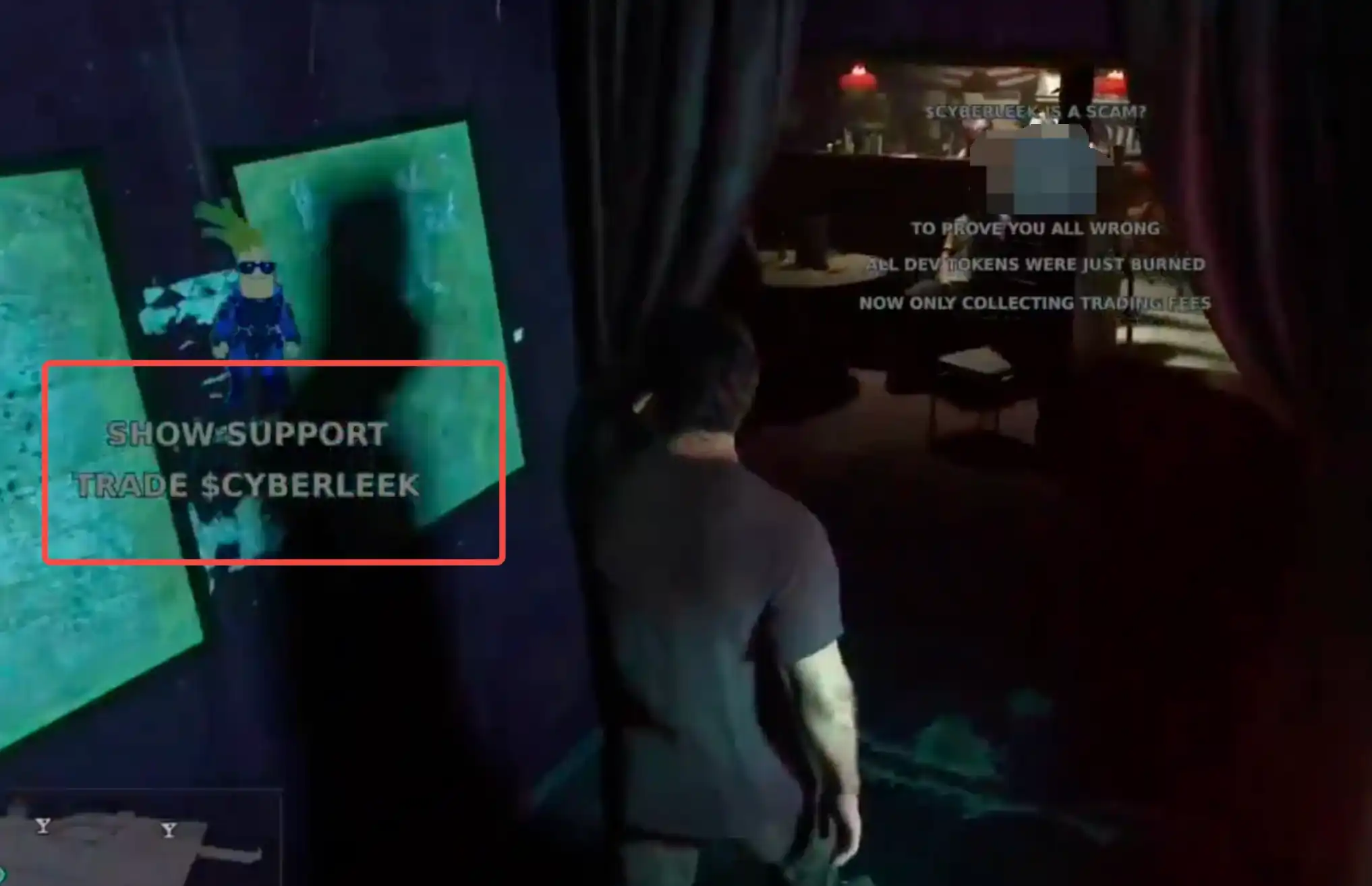
Hacker Leaks GTA6 and Launches a Token: Leaked Videos Become Ad Space for $CYBERLEEK, Must Buy Tokens to Vote for Next Clip

A hacker group called "CyberLeek" has leaked gameplay footage of the highly anticipated video game *GTA 6*, which is slated for release in 2026. Simultaneously, the group launched a meme token, $CYBERLEEK, on Solana. The leaks, which include maps and gameplay clips, are heavily watermarked with advertisements urging viewers to buy the token. Investigations of blockchain data reveal that the token was created and funded from a single wallet approximately eight hours before the first leak was released, suggesting a coordinated plan. The group has implemented a voting system where token holders can "vote" for the next type of content to be leaked by sending $CYBERLEEK tokens to a designated wallet—a process that permanently transfers the tokens to the hackers. This creates a self-sustaining cycle where interest in the leaks drives token purchases. Financially, the operation involved minimal upfront costs (less than $3,500 in out-of-pocket expenses) but generated significant revenue. On its first day, the token saw $15 million in trading volume, netting the creators an estimated $30,000 from transaction fees alone. While the group later burned a large portion of its developer-held tokens (worth over $1 million) to build trust, the fee-generating mechanism remains intact. The game's publisher, Take-Two Interactive, has initiated legal proceedings to identify the hackers. Despite this, the case demonstrates a new model where leaked intellectual property is used as leverage to promote and profit from a cryptocurrency, with meme token markets serving as an additional revenue stream.

marsbitHace 59 min(s)

Hacker Leaks GTA6 and Launches a Token: Leaked Videos Become Ad Space for $CYBERLEEK, Must Buy Tokens to Vote for Next Clip

marsbitHace 59 min(s)

Jensen Huang's Daughter: From Chef to an $8 Million Annual Salary

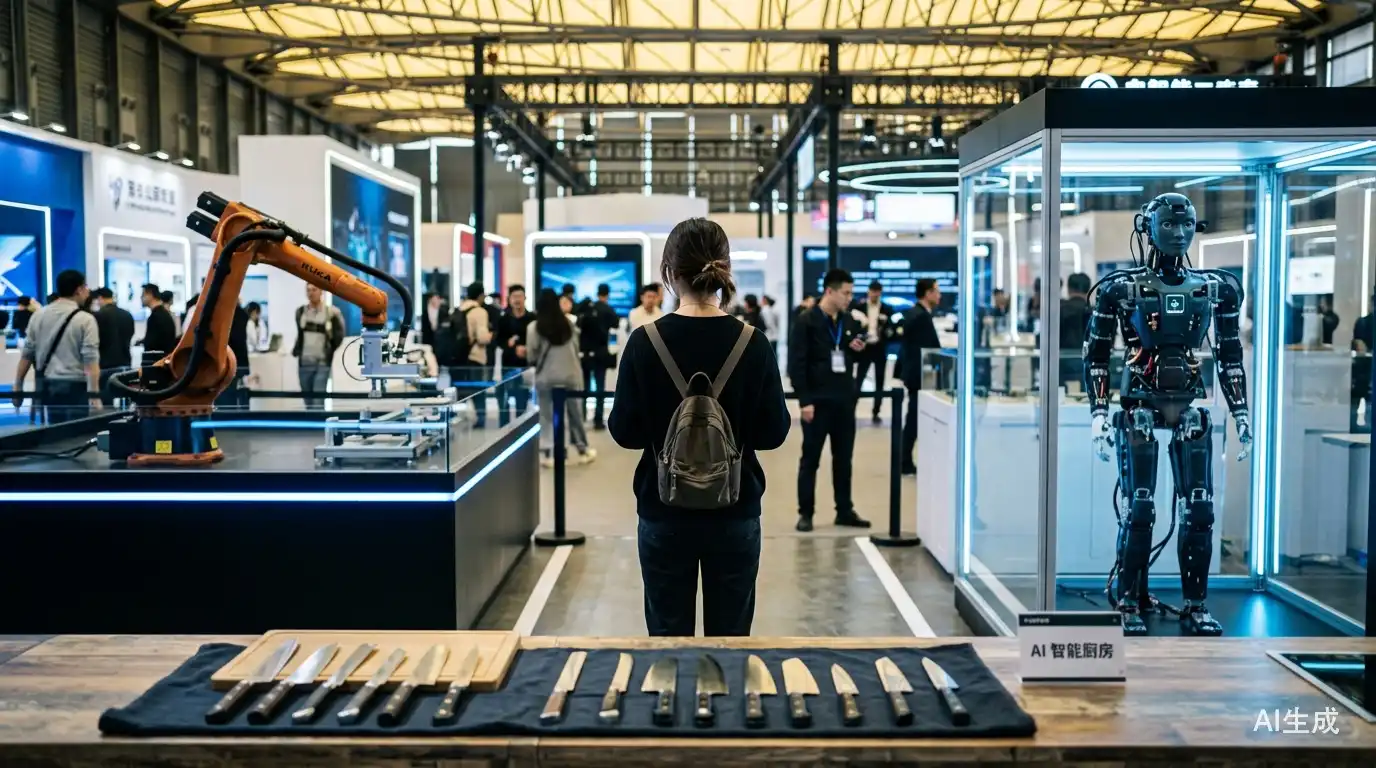
Madison Huang, daughter of NVIDIA founder Jensen Huang, recently made a rare public appearance in Beijing during the 2026 World Robot Conference. As the Senior Director of Product and Technology Marketing for NVIDIA's Physical AI Platform, with an annual salary of approximately $1.2 million, her visit focused on evaluating leading Chinese robotics companies like UBTech, Unitree, and others. This highlights NVIDIA's strategic interest in the burgeoning Chinese robotics ecosystem, a key battleground for the development of Physical AI—technology that enables machines to understand and interact with the physical world. Huang's career path is unconventional. Initially pursuing her passion, she studied culinary arts, worked as a chef, and later held a marketing role at LVMH. She joined NVIDIA as an intern in 2020 after completing an MBA, quickly rising through the ranks. Her brother, Spencer Huang, followed a similar path, closing a cocktail bar he co-founded to also join NVIDIA, where he now works on robotics software. Jensen Huang has publicly addressed nepotism concerns, humorously noting that some "second-generation" employees outperform their parents. The conference itself underscored China's vibrant robotics sector, marked by Unitree's recent blockbuster IPO and a pipeline of companies preparing to go public. While hardware development and manufacturing are advancing rapidly, industry leaders like Wang Xingxing of Unitree point to the next critical challenge: developing the "brain" or AI that allows robots to perform diverse, unseen tasks based on simple instructions. With massive manufacturing scale and diverse real-world testing scenarios, China is positioned as a central player in the global race to define the future of robotics.

marsbitHace 3 hora(s)

Jensen Huang's Daughter: From Chef to an $8 Million Annual Salary

marsbitHace 3 hora(s)

He Gave Wang Xingxing the First 2 Million, Now Serves as Chairman for the Next 'Unitree'

On August 19, 2024, Unitree Robotics, China's "first humanoid robotics stock," went public. Its founder, Wang Xingxing, started a decade ago with his self-developed XDog. In 2016, at a critical funding juncture, he received his first angel investment of 2 million RMB from Yin Fangming. This bet has since yielded a return of over 140 times. Yin Fangming is more than just a key investor. He was a co-founder of the AI robotics company ROOBO, whose own venture ultimately struggled. This firsthand experience with the hardware challenges in robotics gave him unique insight when backing Unitree, a company renowned for its hardware R&D and cost control. While his own company faltered, Yin continued investing shrewdly. He partially cashed out some Unitree shares early, reinvesting the proceeds into sectors like energy (e.g., solid-state battery firm TaiLan) and commercial aerospace (e.g., small launch vehicle developer XianDeng Aerospace). However, his most significant move after Unitree is his deep involvement with Galaxy General, a leading embodied AI unicorn. In July 2024, Yin stepped from behind the scenes to officially become its Chairman, indicating a role far beyond a typical investor. This comes as Galaxy General is viewed as preparing for future capital moves. Yin's career has consistently been ahead of the curve—from mobile internet to AI and robotics. Known for his foresight and low profile, he declined an interview for this story, offering only a statement encouraging support for visionary entrepreneurs like Wang Xingxing.

marsbitHace 3 hora(s)

He Gave Wang Xingxing the First 2 Million, Now Serves as Chairman for the Next 'Unitree'

marsbitHace 3 hora(s)

Trading

Spot
活动图片