Российский стейблкоин A7A5, оборот за 4 месяца - $9,3 млрд

cryptonews.ruPublicado a 2025-06-25Actualizado a 2025-06-25

Acruptoinvest.news: Усилия России по созданию альтернативных платежных систем за пределами западных финансовых рельсов могут набрать обороты благодаря новому криптовалютному активу, привязанному к рублю.

Согласно отчету Financial Times от 25 июня, стейблкоин, связанный с Россией, незаметно обработал транзакции на сумму более 9,3 млрд долларов всего за четыре месяца после своего запуска.

Стейблкоин под названием A7A5 был запущен в Кыргызстане в феврале 2025 года и позиционируется как первый цифровой токен, полностью обеспеченный российским рублем.

Токен позиционируется как независимый и прозрачный проект, но его связи с находящимися под санкциями субъектами позволяют предположить, что он может быть частью более широких усилий по обходу западных санкций и обеспечению возможности трансграничных платежей для российского бизнеса, находящегося под ограничениями США, ЕС и Великобритании.

Связи с Garantex, Grinex и обход российских санкций

A7A5 была связана с организациями, занесенными в черный список, включая Промсвязьбанк, российский банк, находящийся под ограничениями США и ЕС, и A7, компанию, связанную с неоднозначным бизнесменом Иланом Шором, который осужден за хищение 1 миллиарда долларов в Молдове.

Запуск токена произошел вскоре после того, как власти США закрыли Garantex, крупную российскую криптобиржу, обвиняемую в содействии незаконным транзакциям на сумму более 60 миллиардов долларов. Примерно в то же время в Киргизии была запущена новая биржа под названием Grinex, которая теперь служит основной торговой площадкой для A7A5.

До того, как Garantex был закрыт, значительные объемы USDT, как сообщается, были перемещены из кошельков Garantex в A7A5, а затем на Grinex. Аналитические компании блокчейна Elliptic и Global Ledger предполагают, что Grinex может быть платформой-преемницей, хотя Grinex отрицает какую-либо прямую связь.

Говорят, что Grinex обрабатывает сделки исключительно в A7A5, российских рублях и USDT. Сообщается, что торговая активность резко возрастает в рабочие часы в Москве, что указывает на концентрированную базу пользователей, привязанную к российскому бизнесу.

Исследователи Центра информационной устойчивости также отметили, что A7A5 может быть частью усилий России по распространению политического влияния за рубежом, и обнаружили онлайн-связи между токеном и веб-сайтами, используемыми в информационных кампаниях в Молдове.

Несмотря на опасения, команда A7A5 отрицает связь с незаконной платежной деятельностью и утверждает, что токен был создан для обслуживания растущего спроса на стейблкоины, привязанные к российскому фиату. По данным FT, генеральный директор Леонид Шумаков заявил, что Киргизия была выбрана из-за ее статуса «дружественной юрисдикции» и для того, чтобы помочь российским пользователям справиться с растущим международным давлением.

Эти замечания отражают более широкий натиск политиков по всему региону на разработку альтернативных способов оплаты. Еще в апреле российские чиновники выступали за местные альтернативы стейблкоинам, особенно после того, как власти США заморозили USDT на сумму 23 миллиона долларов на Garantex в рамках более широких международных репрессий.

Lecturas Relacionadas

A Trillion-Dollar Consumer Credit Market Lacks Key Players

The trillion-dollar global consumer credit market remains largely untapped by blockchain technology. While projects like Pharos have rapidly attracted millions in stablecoin deposits for short-term consumer loans in emerging markets, they represent early attempts to bring this massive asset class on-chain. The core challenge isn't technical tokenization, but the "repackaging" of countless small, heterogeneous loans into standardized, investable products that digital asset funds can understand and price. Current approaches primarily change the *distribution* of capital—using stablecoins for settlement and smart contracts for transparency—but do not eliminate underlying credit risk. Several models are emerging: Pharos and Huma Finance/Tala focus on connecting high-yield emerging market loans to global crypto capital. Figure stands out by building full-stack, regulated infrastructure, securing AAA ratings for its securitizations and proving blockchain assets can meet traditional institutional standards. Conversely, Goldfinch's difficulties highlight that on-chain transparency cannot replace offline credit underwriting and collection capabilities. The article identifies a four-layer value chain: 1) loan origination, 2) credit structuring & securitization, 3) on-chain infrastructure, and 4) capital. The current gap is in the second layer—the mature capital markets expertise for structuring, rating, credit enhancement, and institutional distribution. This is the critical link needed to transform scattered loans into large-scale, trustworthy on-chain credit assets, bridging traditional finance's rigor with blockchain's new capital pools.

marsbitHace 32 min(s)

A Trillion-Dollar Consumer Credit Market Lacks Key Players

marsbitHace 32 min(s)

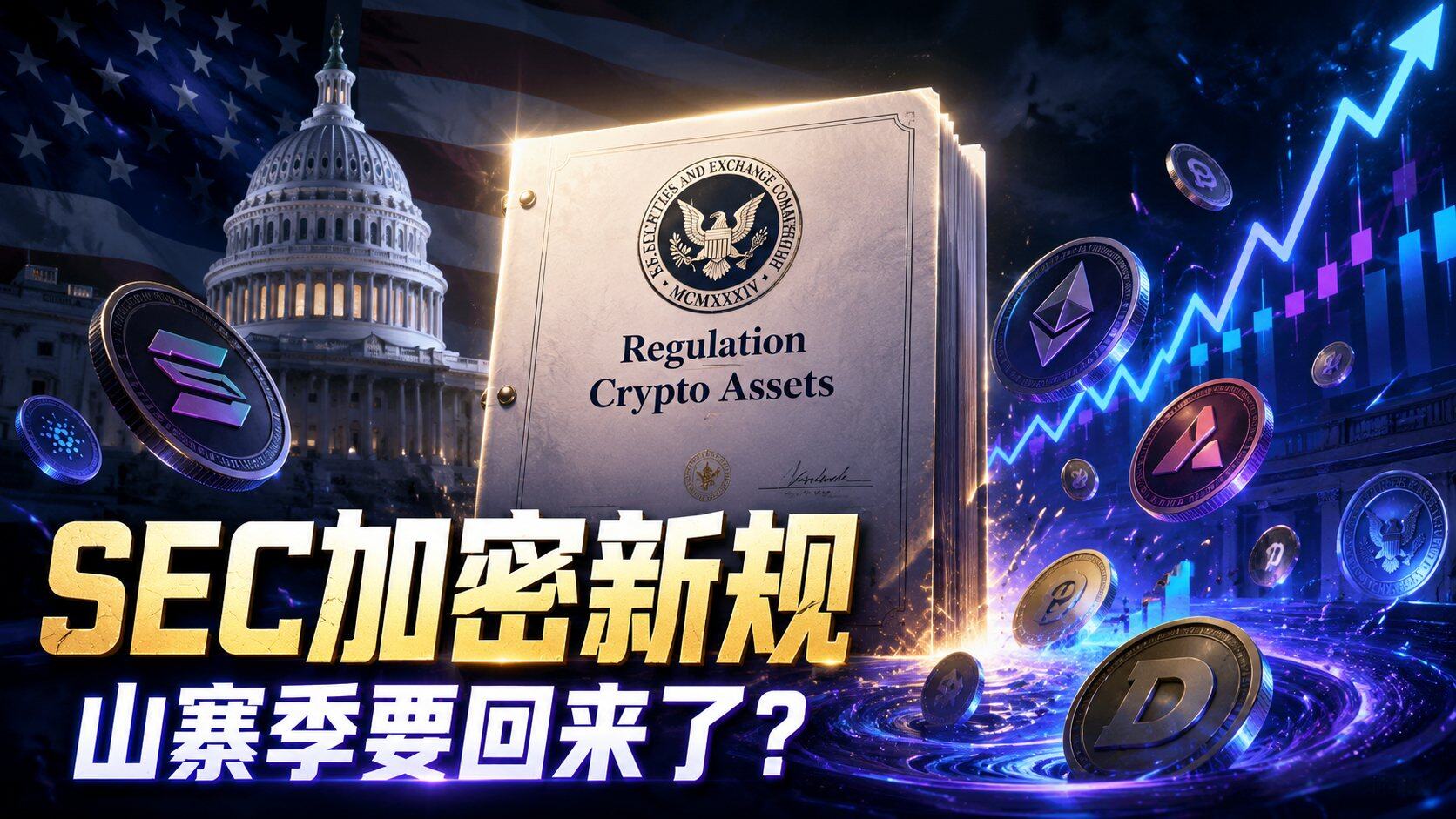
Interpretation of SEC's New Crypto Regulatory Rules: Fundraising Below $5 Million Exempt from Registration, Is Altcoin Season Making a Comeback?

The U.S. Securities and Exchange Commission (SEC) has proposed a new regulatory framework titled "Regulation Crypto Assets." This proposal aims to establish tailored exemptions for crypto asset fundraising and a pathway for tokens to transition out of being classified as securities. The core provisions include two exemptions from standard securities registration: 1. **Startup Exemption**: Allows early-stage projects to raise up to $5 million over four years with simplified, narrative-based disclosures, avoiding full registration. 2. **Fundraising Exemption**: Permits raising up to $75 million within any 12-month period. It requires audited financial statements and imposes ongoing reporting obligations, similar to the Regulation A+ framework. A key component is the **Investment Contract Safe Harbor**. This rule allows a token initially sold as an investment contract (a security) to lose that designation once the issuer has completed or permanently ceased the "essential managerial efforts" promised to investors. This theoretically clears regulatory hurdles for tokens where development is finished or abandoned. The proposal defines a narrow scope, applying only to crypto assets that are not securities themselves and are part of an investment contract involving no other assets. This SEC initiative is seen as a response to the stalled progress of the comprehensive *CLARITY Act* in Congress. It represents a shift from relying solely on the historical Howey test, which the SEC admits is ill-suited for dynamic crypto assets. The proposal is currently in a 60-day public comment period, with a final rule likely months away, leaving the U.S. regulatory landscape for crypto in a transitional state.

Odaily星球日报Hace 1 hora(s)

Interpretation of SEC's New Crypto Regulatory Rules: Fundraising Below $5 Million Exempt from Registration, Is Altcoin Season Making a Comeback?

Odaily星球日报Hace 1 hora(s)

Trading

Spot
活动图片