ЦБ призвал банки выявлять криптопереводы с помощью корпоративных карт

RBK-cryptoPublicado a 2025-06-04Actualizado a 2025-06-04

Регулятор предложил выявлять подозрительные операции с помощью онлайн-мониторинга «в режиме, приближенном к реальному времени»

Банк России рекомендовал кредитным организациям усилить контроль за переводами между картами физических лиц и корпоративными картами так называемых «технических компаний» — юрлиц без признаков реальной деятельности.

Как отмечает ЦБ, такие фирмы часто используются «теневым бизнесом», к которому регулятор относит онлайн-казино, криптовалютные обменники, финансовые пирамиды или наркоторговцев.

Банкам предложено выявлять такие операции с помощью онлайн-мониторинга «в режиме, приближенном к реальному времени», а также анализировать транзакционный профиль клиента. Если у клиента есть «контрагенты, которые ранее переводили деньги дропперам» или компаниям с признаками фиктивной деятельности, банк может ограничить операции, например, ввести лимиты на переводы от физлиц или запретить внесение наличных.

Дропами (или «дропперами») называют тех, кто предоставляет третьим лицам зарегистрированные на них банковские карты для транзита или обналичивания денег.

Телеграм-канал «РБК-Крипто» — подпишитесь и будьте в курсе самых главных и актуальных новостей о криптовалюте.

Присоединяйтесь к форуму «РБК-Крипто» в Telegram для обсуждения новостей и тенденций криптомира.

С 15 мая вступил в силу закон, ограничивающий переводы между физлицами до 100 тыс. руб. в месяц для тех, чьи реквизиты попали в базу ЦБ о мошеннических операциях. При превышении лимита потребуется обращаться в банк с паспортом, возможны блокировка карты и онлайн-доступа.

По словам опрошенных РБК Крипто юристов, «база дропов» уже затронула весь российский криптообмен. На практике в нее периодически попадают реквизиты не только дропов или преступников, но и легитимных участников p2p-переводов.

Формат p2p, по сути, стал единственным способом покупки и продажи криптовалюты для пользователей с российской картой. Новый лимит, по словам экспертов, затруднит вывод средств мошенниками, но и для добросовестных участников создаст дополнительные ограничения.

По оценкам Банка России, объем криптовалютных операций россиян вырос на 51,1% за четвертый квартал 2024 года и первый квартал 2025 года по сравнению с предыдущими двумя кварталами и достиг 7,3 трлн руб.

Доля торгов криптовалютой в США упала ниже 45%. Откуда спрос на рынке

Объем денежной массы в США достиг рекорда. Как отреагирует биткоин

В Иркутской области ввели порядок выявления майнеров. Как их будут искать

Lecturas Relacionadas

547 Million OP Tokens Transferred from User Airdrop to Ecosystem Fund: DAO Voting Becoming Sham Democracy

An Optimism governance vote approved the controversial transfer of 546.9 million OP tokens (12.7% of total supply, ~24% of circulating supply) from the remaining "User Airdrop" allocation to the Foundation-controlled "Strategic Ecosystem Fund." The vote passed with a decisive 849,000 OP vote from "Test in Prod," a core development team fully funded by the Optimism Collective, cast just 17 minutes before the deadline. The Foundation argued that broad user airdrops are ineffective for the current institutional expansion phase and that the funds are needed as a flexible "war chest" to secure enterprise clients like Bitpanda and Dunamu. Critics, including L2BEAT and researcher Polynya, opposed the move. They cited the Foundation's overly broad mandate, a lack of clear link to token holder interests, insufficient assessment of past ecosystem fund expenditures (~686M OP spent), and the rewriting of the original distribution promise made to users. The incident highlights deeper governance concerns beyond low voter turnout. It raises questions about the independence of votes from entities financially dependent on the Foundation and the ethical limits of DAO governance—specifically, whether a majority vote can legitimately redefine foundational promises and minority expectations. The move signals a shift from community-focused airdrops to enterprise-driven strategy, eroding user trust amid OP's significant price decline.

marsbitHace 12 min(s)

547 Million OP Tokens Transferred from User Airdrop to Ecosystem Fund: DAO Voting Becoming Sham Democracy

marsbitHace 12 min(s)

The Impact of Treasury Buybacks Lasts Only 24 Hours? Beston: We Have Many Tools, Just Wait and See

U.S. Treasury Secretary Besant, addressing market concerns on August 20, signaled that the Treasury's toolkit for intervening in the bond market is far from exhausted. This follows the previous day's announcement to double the size of long-term Treasury buyback operations to at least $40 billion per session, a move that only briefly lowered yields before they climbed again. Besant dismissed the short-lived market reaction as "noise," asserting that yields do not reflect underlying economic fundamentals, especially for illiquid 30-year bonds. He revealed that President Trump has tasked him with leading a new fiscal consolidation plan, expected to be announced soon, aimed at addressing high long-term borrowing costs. Concurrently, Besant announced a press conference for the following Monday to detail aggressive U.S. economic actions against Iran, suggesting that maximum economic pressure could reduce the likelihood of large-scale military conflict. On other topics, Besant reiterated a strong dollar policy, expressed confusion over a recent oil price surge (which he expects U.S. actions will curb), and noted that AI investment prospects are making corporations largely insensitive to yield levels when issuing debt, as they anticipate future productivity gains. Market analysts remain skeptical that Treasury operations alone can durably alter the trajectory of long-term yields, which are driven by broader concerns over fiscal deficits, debt supply, and inflation.

marsbitHace 1 hora(s)

The Impact of Treasury Buybacks Lasts Only 24 Hours? Beston: We Have Many Tools, Just Wait and See

marsbitHace 1 hora(s)

Introducing Hyperliquid, Advocating for Bill Passage: Key Points from Trump's Speech

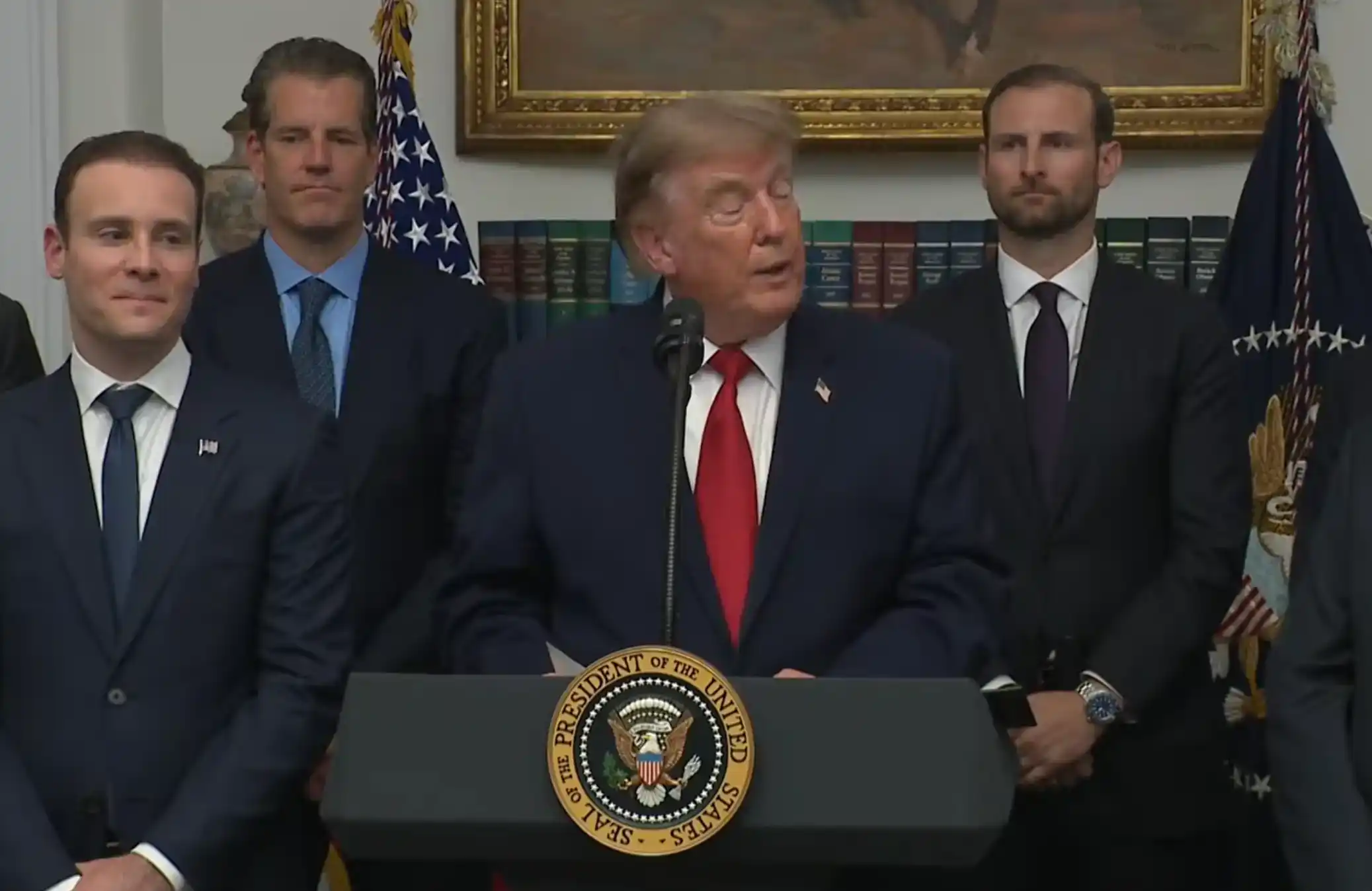
On July 20th, former President Donald Trump convened a roundtable in Washington D.C. with top executives from major U.S. financial, cryptocurrency, and tech firms, alongside key regulators. The meeting focused on maintaining U.S. competitiveness in global finance and AI, with a significant emphasis on the crypto industry. Trump highlighted his administration's previous actions, including signing the *GENIUS Act* to facilitate compliant, dollar-pegged stablecoins. He urged Congress to accelerate the passage of the *Clarity Act*, which aims to clearly distinguish between crypto securities and commodities, with a potential vote scheduled for September 15th. Regulators outlined key initiatives. The CFTC Chairman confirmed the launch of the first U.S.-regulated Bitcoin perpetual futures contract in May 2026 and announced efforts to bring the decentralized exchange protocol Hyperliquid into the U.S. under a compliant framework. The SEC Chairman proposed new rules to provide clarity for crypto startups seeking to raise capital through digital asset offerings legally. When asked about expanding the U.S. government's Bitcoin reserves, Trump stated he was "open to it" and would consult his regulatory team. The discussion also briefly touched on AI, with Trump proposing fast-track approvals for tech companies to build dedicated power plants to meet AI's energy demands.

marsbitHace 1 hora(s)

Introducing Hyperliquid, Advocating for Bill Passage: Key Points from Trump's Speech

marsbitHace 1 hora(s)

Trading

Spot
活动图片