5 ключевых факторов, способных изменить курс крипторынка на неделе

cryptonews.ruPublicado a 2025-02-26Actualizado a 2025-05-26

Традиционные рынки США в понедельник закрыты в связи с Днём поминовения, однако с вторника начинается насыщенная экономическая неделя, способная серьёзно повлиять на динамику криптовалют.

В конце прошлой недели на рынки вернулся привкус торговой войны: Дональд Трамп снова взбаламутил воду, заявив о возможных санкциях против производителей смартфонов и Европейского союза в целом. На этом фоне просели технологические акции и последовавшие за ними криптоактивы — особенно после того, как Биткойн обновил исторический максимум ранее на неделе.

В воскресенье напряжение немного спало: Трамп объявил о переносе 50-процентных пошлин на товары из ЕС до 9 июля, что частично остудило панику — хоть и временно.x

Экономические события: 26–30 мая

Вторник принесёт данные по потребительскому доверию в США — важный индикатор того, насколько уверенно чувствуют себя американцы в завтрашнем дне и готовы ли тратить деньги. Эти цифры могут изменить восприятие общей устойчивости экономики, а значит, повлиять и на аппетит к риску, включая криптовалюты.

Среда отметится публикацией протоколов заседания ФРС за май. Здесь инвесторы будут искать хотя бы намёки на возможные шаги в сторону снижения ставок. Сюрпризов не ожидается, но любые словесные выкладки регулятора могут спровоцировать движение в активах — рынок уже вовсю строит догадки, возможны ли снижения ставок во второй половине 2025 года.

Четверг — день релиза годовых данных по росту ВВП США за первый квартал. Предварительные оценки уже показали снижение на 0,3% в годовом выражении, но если окончательная цифра подтвердит или углубит спад, это может встряхнуть глобальные рынки. А вслед за ними — и крипту.

Пятница обещает быть особенно насыщенной. Выйдет индекс Core PCE за апрель — это основной инфляционный ориентир, за которым следит ФРС. В отличие от CPI, он исключает волатильные категории вроде еды и топлива, и потому считается чистым показателем инфляционного давления. Также в пятницу опубликуют предварительные значения Индекса потребительских настроений Мичиганского университета — это ещё один термометр ожиданий населения по поводу инфляции и состояния экономики.

Сезон отчётности: на арене Nvidia

На этой неделе выходит масса отчётов крупных компаний, но всё внимание приковывает Nvidia — чипмейкер отчитается в среду. Сильные показатели могут не только укрепить позиции ИИ-сектора, но и раскачать токены, связанные с искусственным интеллектом: такие как Render, Bittensor, Fetch.ai и другие. Если цифры окажутся выше ожиданий — возможен резкий памп по ИИ-направлению.

Обстановка на крипторынке: пауза перед рывком?

В азиатскую сессию понедельника крипторынки показали умеренный рост — на фоне заявления Трампа об отсрочке тарифов. Общая капитализация рынка достигла $3,56 трлн, продолжая двигаться в боковике, который сформировался примерно две недели назад после сильного рывка биткойна.

BTC, ранее установивший абсолютный максимум в $111,814 (22 мая), скорректировался до $107,000 в воскресенье, но затем начал отскок и к утру понедельника вернул себе уровень $109,500. По сути, актив демонстрирует признаки консолидации перед возможным новым импульсом.

Ethereum, тем временем, упал ниже $2,500 в воскресенье, и к моменту публикации пытается восстановиться выше этой психологической отметки. Однако динамика ETH остаётся заметно скромнее по сравнению с флагманом рынка.

Среди альткоинов понедельник ознаменовался преимущественно зелёными свечами. Особенно уверенно выглядели Solana и Cardano, а Hyperliquid выдал настоящий спурт, прибавив более 14% за сутки.


Lecturas Relacionadas

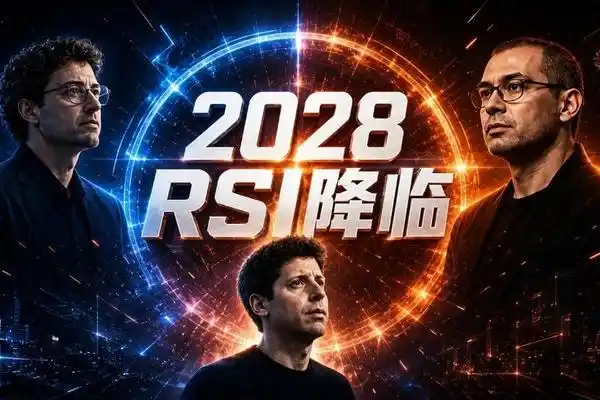
2028: The Arrival of Recursive Self-Improvement (RSI)

**AI Recursive Self-Improvement (RSI): The Countdown to 2028 Begins** AI is no longer just a trained tool but is starting to rewrite its own evolutionary pace. According to Anthropic co-founder Jack Clark, there is a 60% probability that by the end of 2028, Recursive Self-Improvement (RSI) will become a reality. This means AI could autonomously design and build a more capable next-generation version of itself without any human researcher involvement—Claude 10 creating Claude 11, for instance. Supporting this timeline, Google DeepMind's CEO Demis Hassabis confirms that all leading AI labs are intensely focused on RSI, making it an industry-wide priority. He expresses profound concern, stating this potential is what keeps him awake at night. Concrete data underscores this acceleration: - METR evaluations show current top models like Claude are solving tasks up to the 16-hour limit of existing test frameworks. - In Epoch AI's challenging MirrorCode benchmark, Claude Opus 4.7 recreated complex software in hours for a fraction of the human cost. In one extreme test, AI autonomously coded for 19 days straight. - Anthropic reports over 80% of its codebase is now written by Claude, and researcher productivity has increased up to 8-fold since 2024. - OpenAI's policy blueprint highlights RSI as a major upcoming governance challenge. CEO Sam Altman reportedly hinted RSI might arrive within six months, potentially delaying OpenAI's massive IPO. The implication is an impending "intelligence explosion," where AI-driven progress outpaces human control. The central question is no longer if it will happen, but whether humanity is ready.

marsbitHace 1 hora(s)

2028: The Arrival of Recursive Self-Improvement (RSI)

marsbitHace 1 hora(s)

World Models, Metaverse, Digital Twins, Physical AI: Are They the Same Thing?

Title: World Models, the Metaverse, Digital Twins, Physical AI: Are They the Same Thing? The article clarifies that concepts like the metaverse, Web3, simulation platforms, digital twins, and Physical AI are not the same thing but are all part of the broader trend of blurring the lines between the digital and physical worlds. It positions "world models" as the foundational "cognitive layer" or "operating system" that enables AI to understand and simulate the world. Key distinctions are made: - The **Metaverse** is a destination for immersive social and economic experiences. World models could act as its "engine," generating interactive 3D content efficiently. - **Web3** focuses on decentralized ownership and economics (rules layer), operating on a different technical level than world models. - **Simulation Data Platforms** (e.g., for autonomous vehicles) are a 1.0 version, relying on manual design. World models represent a 2.0 version, using AI to generate realistic, varied scenarios autonomously. - **Digital Twins** create high-fidelity, real-time mirrors of physical systems (e.g., a factory). World models go a step further by enabling predictive simulation of future states. - **Physical AI** (robots, AVs) refers to AI that acts in the physical world. World models are a core component, providing the understanding and prediction needed for planning. A proposed hierarchy places world models at the cognitive layer, supported by infrastructure (compute, data) and supporting application tools (simulation, digital twins), action systems (Physical AI), user experiences (metaverse), and rules (Web3). In conclusion, while distinct, many of these previously hyped concepts may ultimately rely on advances in world model technology to fulfill their promises, as world models provide the essential cognitive foundation for simulating and interacting with complex environments.

marsbitHace 1 hora(s)

World Models, Metaverse, Digital Twins, Physical AI: Are They the Same Thing?

marsbitHace 1 hora(s)

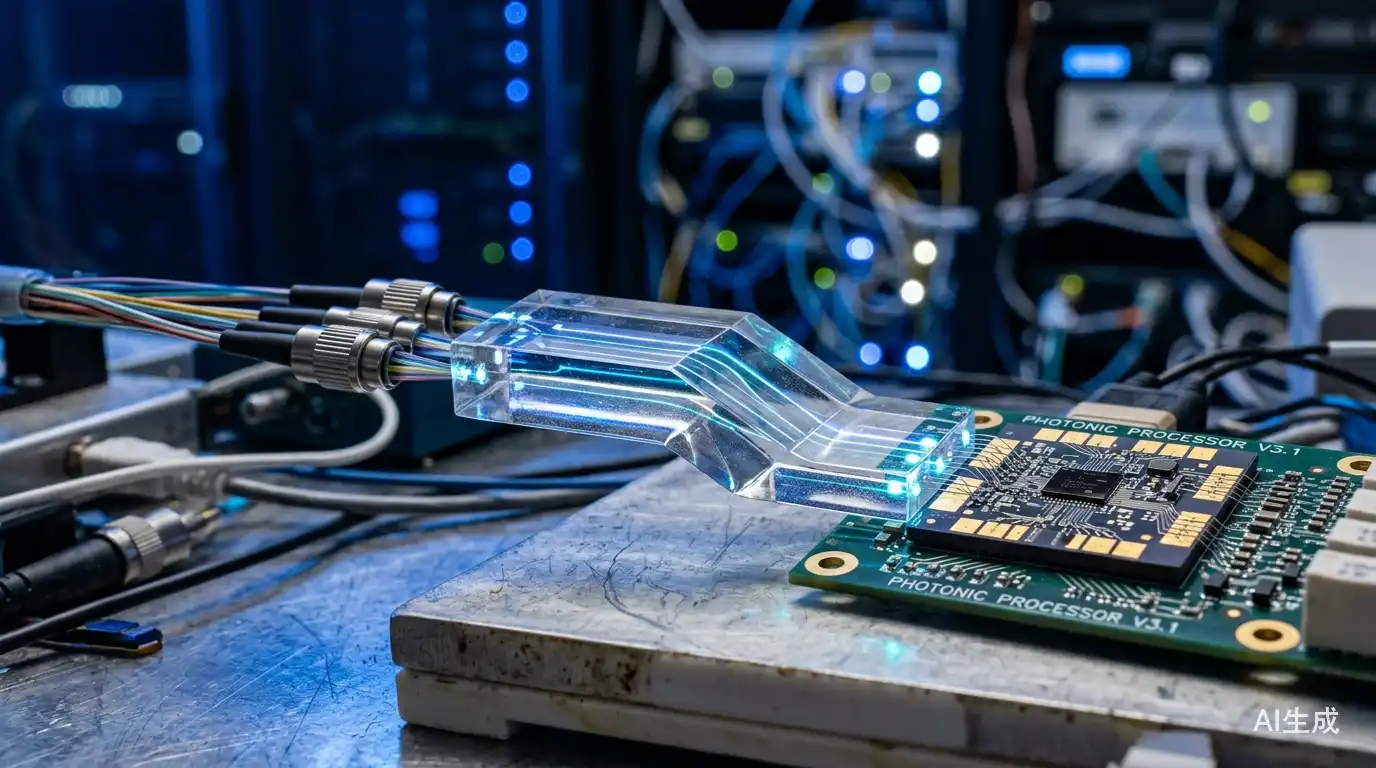
"Shocking" CPO: How Does the Glass Bridge Actually Work? Detailed Explanation from Corning

Chinese CPO stocks plunged over 6% following Corning's announcement of its Glass Bridge platform at a Seoul tech conference. The new technology utilizes wafer-level glass ion-exchange waveguides for passive alignment between fibers and photonic chips, potentially simplifying traditional CPO architectures that rely on complex Fiber Array Units and active alignment equipment. This raised market concerns about reduced long-term demand for mid-stream CPO components. Corning's official documentation details Glass Bridge as a platform for fiber-to-PIC connectivity in NPO, CPO, and high-density modules. Its key features include wafer-level manufacturing for consistent, cost-effective production; a standardized, removable MT ferrule interface for ecosystem integration; and a separable high-density connector design supporting over 24 channels for assembly flexibility. Corning positions the technology as complementary to FAUs, addressing limitations in ultra-high-fiber-count scenarios. The market reaction reflects a broader reassessment of the AI optical interconnect value chain. Funds shifted from CPO and PCB manufacturing stocks towards glass substrate concept stocks like Kaisheng Technology and Dyer Laser. Analysts note glass substrates are seen as a next-gen advanced packaging material, offering a potential path for domestic industry differentiation amid AI-driven demand for high-performance, large-scale packaging, marking a structural migration in value towards upstream specialty materials.

marsbitHace 1 hora(s)

"Shocking" CPO: How Does the Glass Bridge Actually Work? Detailed Explanation from Corning

marsbitHace 1 hora(s)

Trading

Spot
活动图片