Китай может отказаться от облигаций США в пользу золота и биткоина — исполнительный директор BlackRock

cryptonews.ruPublicado a 2025-04-26Actualizado a 2025-04-26

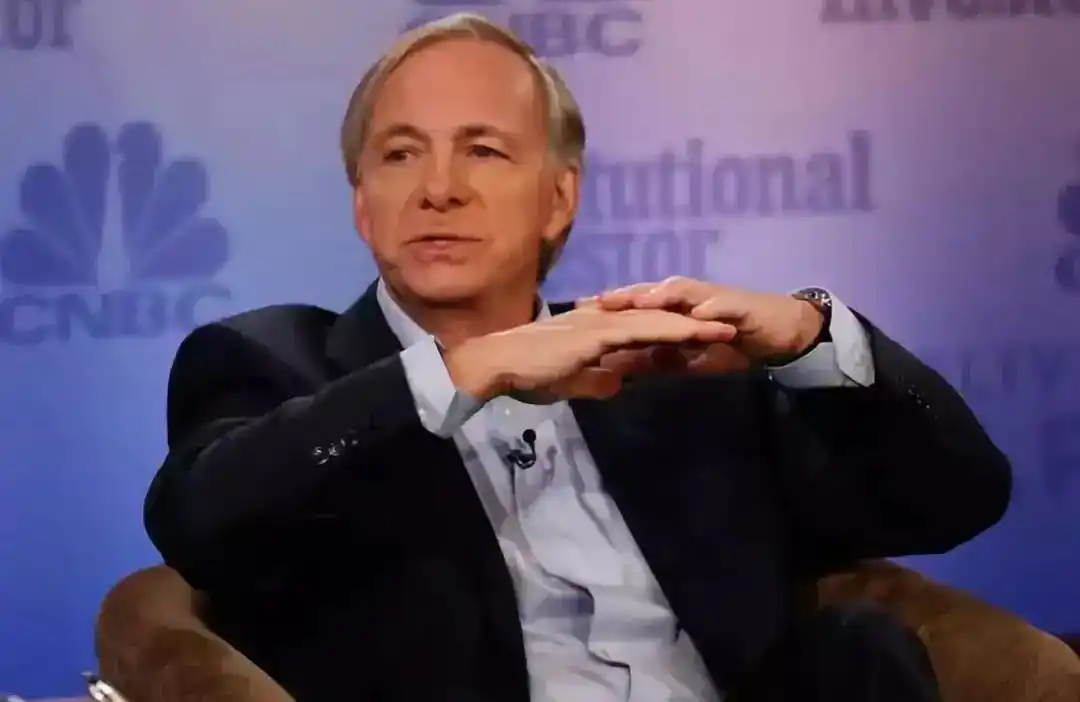
Центральные банки, особенно Китай, могут постепенно отказаться от американских казначейских облигаций, переориентируясь на золото и биткоин. Такое заявление сделал Джей Джейкобс (Jay Jacobs), глава тематических и активных ETF в BlackRock, в недавнем интервью телеканалу CNBC.

По словам Джейкобса, геополитическая напряженность и растущая глобальная неопределенность ускоряют стратегии диверсификации среди центральных банков разных стран. Он указал на долгосрочную тенденцию, при которой государства сокращают зависимость от долларовых резервов в пользу таких активов, как золото и, все чаще, биткоин.

«Вся эта диверсификация от традиционных активов в сторону золота и криптовалют […] началась три-четыре года назад», — пояснил Джейкобс, добавив, что недавняя фрагментация мира усилила стремление к альтернативным средствам сбережения.

Представитель BlackRock упомянул растущие опасения по поводу заморозки на Западе $300 млрд активов российского центрального банка. По его мнению, подобные события заставили такие страны, как Китай, пересмотреть свои резервные стратегии.

Геополитическая фрагментация как определяющая сила

В ходе интервью Джейкобс заявил, что BlackRock определил многополярность как ключевую силу, которая будет влиять на глобальные рынки в течение следующих десятилетий: «Мы действительно определили геополитическую фрагментацию как основную силу, которая станет мировым драйвером на протяжении следующих нескольких десятилетий».

Он отметил, что такая среда подпитывает спрос на некоррелирующие с фондовым рынком активы, при этом биткоин все чаще рассматривается наряду с золотом как актив-убежище.

«Мы наблюдали значительные притоки средств в ETF на золото. Мы видели значительные притоки в биткоин. И все это потому, что люди ищут активы с независимым поведением на рынке», — заявил Джейкобс.

Биткоин отделяется от фондового рынка

Примечательно, что Джейкобс не единственный, кто подчеркивает снижение корреляции биткоина с американскими акциями. Несколько аналитиков также отметили, что первая криптовалюта начинает отделяться от фондового рынка США.

22 апреля Алекс Сваневик (Alex Svanevik), соучредитель и генеральный директор криптоплатформы Nansen, заявил, что цена биткоина демонстрирует растущую зрелость в качестве глобального актива, становясь «менее Nasdaq и больше похожей на золото».

Он добавил, что биткоин оказался «удивительно устойчивым» в условиях торговой войны по сравнению с альткоинами и индексами вроде S&P 500, хотя и остается уязвимым к опасениям по поводу экономической рецессии.

Вторя этому мнению, компания QCP Capital в своем отчете от 21 апреля отметила, что разделяет славу золота в качестве средства хеджирования против макроэкономической неопределенности.

«С учетом того, что фондовые рынки завершили прошлую неделю в красной зоне, продолжая апрельское снижение, нарратив о биткоине как защитном активе или инструменте хеджирования инфляции снова набирает силу. Если эта динамика сохранится, она может обеспечить дополнительный импульс для институциональных инвестиций в биткоин», — резюмирует QCP Capital.

Lecturas Relacionadas

Trends in US Stocks (June 22): Strait of Hormuz Agreement Changes Course, Thursday's PCE and Micron to Determine Chip Sector Direction

U.S. Stock Market Outlook (June 22): Strait of Hormuz Deal Falters, Thursday's PCE & Micron to Set Chip Sector Direction. Geopolitical tensions resurged over the weekend as Iran's IRGC announced the closure of the Strait of Hormuz, and its negotiation team walked out after threats from Trump, pausing U.S.-Iran talks. This renewed risk premium is weighing on U.S. equity futures ahead of the open. Last week's market was driven by chip stocks, with the Philly Semiconductor Index hitting a record high. While the Fed's hawkish tone was overshadowed by initial deal optimism, the S&P 500 gained 0.9% for the week. SpaceX debuted strongly but ended with two down days. Key events this week: The status of U.S.-Iran negotiations remains the immediate variable for oil and energy stocks. Monday sees Marvell and Flex added to the S&P 500. Tuesday's MSCI reclassification could benefit South Korean semiconductors and memory stocks. **Thursday, June 25th, is the critical day**, featuring the May Core PCE report and Micron's earnings. Hotter PCE data could solidify expectations for two 2024 rate hikes, while softer data would rapidly reprice rate cut bets. Micron's report is a key test for the AI narrative; the market will scrutinize its 2027 HBM supply visibility, HBM4 progress, and its position in Nvidia's Vera Rubin supply chain. Nvidia's AGM and a potential OpenAI GPT-5.6 release will make Thursday a pivotal 24 hours for AI. Friday concludes with the Russell reconstitution, elevating small-cap volatility. In summary, last week's gains face a true test. The path hinges on two concurrent threads: geopolitical developments with Iran and the AI narrative defined by Micron's guidance and Nvidia's updates. The chip sector's record highs are vulnerable if Thursday brings hot PCE data and conservative guidance from Micron. Conversely, positive outcomes could reaffirm the AI bull case, making this week's volatility a potential entry window.

marsbitHace 54 min(s)

Trends in US Stocks (June 22): Strait of Hormuz Agreement Changes Course, Thursday's PCE and Micron to Determine Chip Sector Direction

marsbitHace 54 min(s)

OpenAI's "Most Open" Move: Codex No Longer Exclusively Favors GPT

OpenAI has significantly opened up its Codex programming agent by introducing a "model provider" configuration layer that allows users to connect it with various open-source models, not just its proprietary GPT. Through a configuration file or a simple `--oss` command-line flag, Codex can now route requests to local services like Ollama or LM Studio, or to third-party APIs such as Mistral or DeepSeek. This move is seen as one of OpenAI's most "open" steps, potentially lowering costs and enhancing privacy for developers who can run code generation offline. However, integration isn't seamless for all models. Codex primarily uses OpenAI's newer Responses API, while many open-source models rely on the older Chat Completions interface. This creates compatibility issues, especially for advanced features like function calling. The developer community is already building "routing" or adapter layers (e.g., CC Switch, LiteLLM) to translate between these protocols, enabling hybrid setups where GPT handles planning and open-source models handle execution. Analysts interpret this as a strategic shift for OpenAI: from competing solely on model superiority to controlling the platform and interface standards. By making Codex a flexible, pluggable entry point for AI-assisted programming, OpenAI aims to become the central hub in the developer toolchain ecosystem, even as users gain the freedom to switch underlying models.

marsbitHace 1 hora(s)

OpenAI's "Most Open" Move: Codex No Longer Exclusively Favors GPT

marsbitHace 1 hora(s)

When 500 Million People Abandon ChatGPT

ChatGPT's Global AI Assistant Market Share Drops Below 50% Three and a half years after its groundbreaking launch, ChatGPT faces a pivotal moment. While it remains the largest AI assistant globally, its market share has fallen below 50% for the first time, reaching 46.4% as of May, according to Sensor Tower's 2026 AI landscape report. Google's Gemini (27.7%) and Anthropic's Claude (10.3%) are now its main competitors, with Grok, Perplexity, and others also gaining ground. The market has evolved from awe and initial adoption into a phase of product comparison, ecosystem integration, and commercialization. User behavior has matured significantly. Loyalty is low; users readily switch between assistants for specific tasks. Gemini benefits from deep integration within Google's ecosystem (Search, Gmail, Android), while Claude has carved a niche among productivity-focused users with strong retention, nearly matching ChatGPT's. User choice is now influenced by a complex mix of capability, ecosystem, price, use case, and even brand trust. Commercialization is accelerating. AI app downloads continue but growth is slowing, while user spending is rising. Over $4.2 billion was spent in-app during H1 2026. Claude leads in premium subscription conversion rates (13%). OpenAI is expanding its revenue streams, testing ads shown to 17% of ChatGPT users daily by May. This shift highlights the immense financial pressure of model training and inference costs. Despite revenue growth, OpenAI's cash burn is intense, reaching $3.7 billion in Q1 2026. The company projects this could rise to $25-57 billion in the coming years, underscoring the industry-wide challenge of scaling profitably. The symbolism is clear: ChatGPT no longer defines the AI assistant market alone. The era of a single dominant product is over. Gemini, Claude, and specialized tools are collectively shaping user habits and business models. As AI assistants move from novelty to utility—judged on accuracy, efficiency, and value—they are becoming embedded in everyday digital life. ChatGPT may have lost its majority, but AI as a whole is winning, entering a mature, competitive, and diverse new phase.

marsbitHace 1 hora(s)

When 500 Million People Abandon ChatGPT

marsbitHace 1 hora(s)

Trading

Spot
Futuros
活动图片