«Сбер» выпустил ЦФА на индекс какао. Какие условия

RBK-cryptoPublicado a 2025-03-17Actualizado a 2025-03-17

Инструмент позволяет инвесторам получить доступ к международному рынку агрокультуры

«Сбер» представил цифровой финансовый актив (ЦФА) на индекс какао. Цена токенов привязана к международной цене какао через расчетный фьючерс на Мосбирже, говорится в пресс-релизе компании.

Российские цифровые финансовые активы (ЦФА) представляют собой токенизированные версии реальных активов, которые выпускаются с применением технологии блокчейн. К этой категории не относятся криптовалюты или токены, которые торгуются на криптобиржах.

ЦФА выпускаются только через операторов информационных систем (ОИС), официально одобренных Банком России. К таким операторам относятся «Сбер», Альфа-банк, платформы «Атомайз», «Мастерчейн» и другие.

В отличие от токенов, которые на крипторынке принято относить к категории токенизированных «активов реального мира» (real world asserts, RWA), ЦФА не используют публичные блокчейн-сети, а применяют частные блокчейны и собственные правила оцифровки активов.

Материалы по теме:

ЦФА, стейблкоин и цифровой рубль. Где разница и при чем тут криптовалюта

Токенизация активов на крипторынке не похожа на ЦФА. Как это устроено

Что относят к группе RWA на крипторынке. Как зарабатывают на токенизации

Новый инструмент позволяет инвесторам получить доступ к международному рынку какао, такие ЦФА также могут выступить защитой возможного ослабления рубля, поскольку в цену токена заложена валютная переоценка базового актива, сообщили в «Сбере». Компаниям, которые используют какао в качестве сырья, предлагается использовать эти ЦФА для хеджирования рисков роста цен на агрокультуру.

«Какао — это не только напиток, но и глобальный товарный актив, который пользуется устойчивым спросом и торгуется на биржах по всему миру. Поэтому мы разработали ЦФА на какао, сочетающий традиционную привлекательность сырьевых рынков и инновационные технологии. Наш продукт помогает инвесторам диверсифицировать активы и достигать финансовых целей», — заявил директор департамента глобальных рынков Сбербанка Александр Зозуля.

Телеграм-канал «РБК-Крипто» — подпишитесь и будьте в курсе самых главных и актуальных новостей о криптовалюте.

Присоединяйтесь к форуму «РБК-Крипто» в Telegram для обсуждения новостей и тенденций криптомира.

Отмечается низкий порог входа в торги — один ЦФА эквивалентен одному килограмму какао. Токены доступны компаниям и частным лицам, имеющим статус квалифицированных инвесторов.

ЦФА на индекс какао выпускаются сроком до четырех месяцев, но предусмотрено досрочное погашение. Токены доступны на платформе «Цифровые активы» Сбербанка до 8 июля 2025 года.

Рынок ЦФА в России за 2024 год вырос более чем в 4 раза. За счет чего

Объем ЦФА за время существования этого рынка достиг 684 млрд руб., согласно отчету «Сбера», выпущенному в конце февраля. В исследовании отмечается, что около 98% выпусков приходится на долговые токены, на рынке появляется все больше гибридных и индексных инструментов, таких как ЦФА на индекс какао или ЦФА на бензин и дизтопливо, выпущенных в конце прошлого года.

Toncoin подорожал после вылета Дурова в Дубай. Какие перспективы у токена

Аналитики связали создателя токена LIBRA с запуском еще одной скам-монеты

Суд отклонил апелляцию британца о поиске биткоинов на свалке. Что дальше

Lecturas Relacionadas

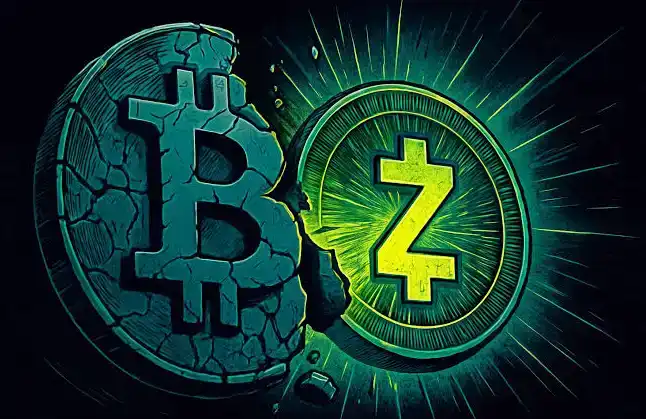
Grayscale Reassesses Zcash: In the Era of AI Surveillance, What is Financial Privacy Worth?

Grayscale Research reevaluates Zcash (ZEC) in the context of AI-powered financial surveillance. The report posits that stablecoins, transparent blockchains, and AI analytics tools are increasing the traceability of digital finance, potentially reigniting mainstream demand for financial privacy as a core monetary attribute. While AI could drive a third wave of privacy concern, Zcash's investment thesis hinges on whether this theoretical demand translates into sustained adoption. Zcash, operational for nearly a decade, uses zero-knowledge proofs to offer users a choice between transparent and shielded transactions, placing control of information disclosure back in users' hands. Recent infrastructure improvements—like wallet enhancements, mining pool expansions, and protocol upgrades—have reduced usability barriers. On-chain data shows shielded transactions comprise ~90% of transaction count, with ~25% of circulating ZEC in shielded pools, indicating existing use. However, significant risks remain. These include regulatory hurdles for exchanges and custodians dealing with shielded assets, past protocol vulnerabilities (theoretical, now patched), long-term quantum computing threats, and execution risks for future scalability upgrades. Grayscale's analysis suggests ZEC's current low market share (~0.6% of the "digital currency" crypto sector) offers valuation upside *if* the market reprices privacy. A scenario analysis notes that capturing 5% of this sector could imply a ~9x valuation increase, though this is a simplified sensitivity test, not a price target. Ultimately, Zcash's opportunity lies in the unresolved question: in an AI-monitored era, what price will the market assign to financial privacy? Validating the thesis requires monitoring growth in real shielded usage, wallet usability, upgrade timelines, and regulatory accessibility, not just price appreciation.

marsbitHace 37 min(s)

Grayscale Reassesses Zcash: In the Era of AI Surveillance, What is Financial Privacy Worth?

marsbitHace 37 min(s)

AI Democratizes Hacking, Bitcoin Red Team White Hats Race in Speed-Based Attack-Defense Contest

AI is democratizing powerful hacking tools, putting them in the hands of those with little cybersecurity expertise. Cryptocurrency developers are now in a race to find system vulnerabilities before attackers do. The Bitcoin Red Team, a group of 20-25 volunteers including anonymous developers like Calle, has formed to urgently address these AI-augmented security threats within the Bitcoin ecosystem. Calle emphasizes that while the Bitcoin core protocol itself is secure, the real risk lies in the wallets, applications, services, and other third-party software built on top of it—the software most users interact with. Incidents like the Coldcard wallet hack and the emergence of powerful Chinese AI models have accelerated their proactive security auditing efforts. The team both accepts audit requests from Bitcoin projects and proactively scans major open-source projects. They report found vulnerabilities to developers and refine their classification standards. Notably, Calle states the team frequently uses Chinese AI models over US counterparts, as the latter's strict safety guardrails often block cybersecurity research tasks, hindering their utility for finding or fixing vulnerabilities. Calle warns that AI is erasing the information asymmetry that previously protected some vulnerabilities. It lowers the technical barrier, allowing non-experts to exploit simple flaws. He describes the current state of Bitcoin software as "on fire" and believes the direct financial incentive of cryptocurrency makes it a first target in this industry-wide shift, with other sectors to follow. The era of security through obscurity is over.

marsbitHace 58 min(s)

AI Democratizes Hacking, Bitcoin Red Team White Hats Race in Speed-Based Attack-Defense Contest

marsbitHace 58 min(s)

Trading

Spot
活动图片