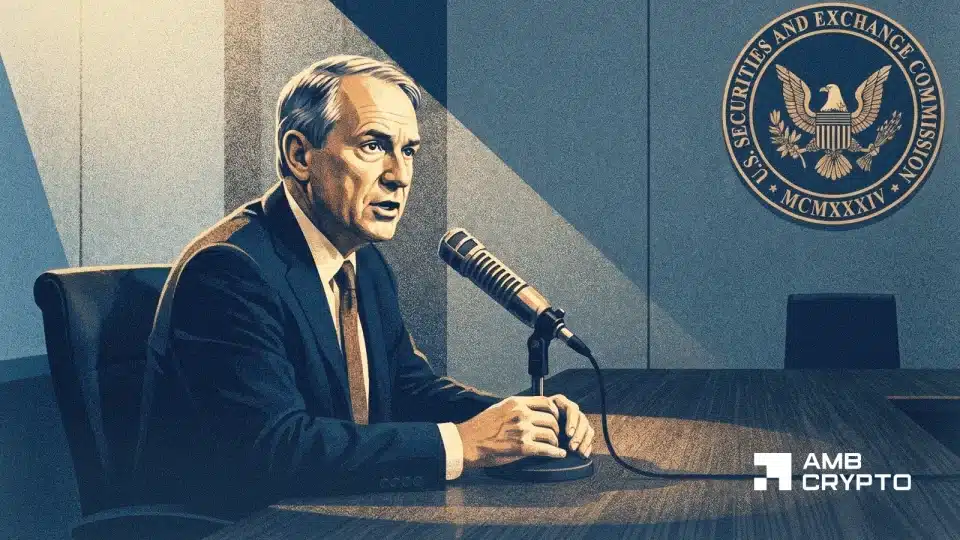
Американские биткоин-накопления превысили зарубежные на 65%

cryptonews.ruPublicado a 2024-03-09Actualizado a 2025-01-09

Под контролем частных и правительственных организаций из США находится на 65% больше первой криптовалюты, чем у всех аналогичных зарубежных структур вместе взятых. Об этом сообщил глава аналитического сервиса CryptoQuant Ки Юн Джу.

Исследователи сравнили суммарные биткоин-сбережения криптомайнеров, бирж, ETF, компаний вроде MicroStrategy, правительственных структур и других организаций внутри и за пределами США.

Согласно данным CryptoQuant, американский показатель превысил зарубежный весной 2024 года. К сентябрю разброс между ними увеличился до 25%. По состоянию на декабрь разница превысила 65%.
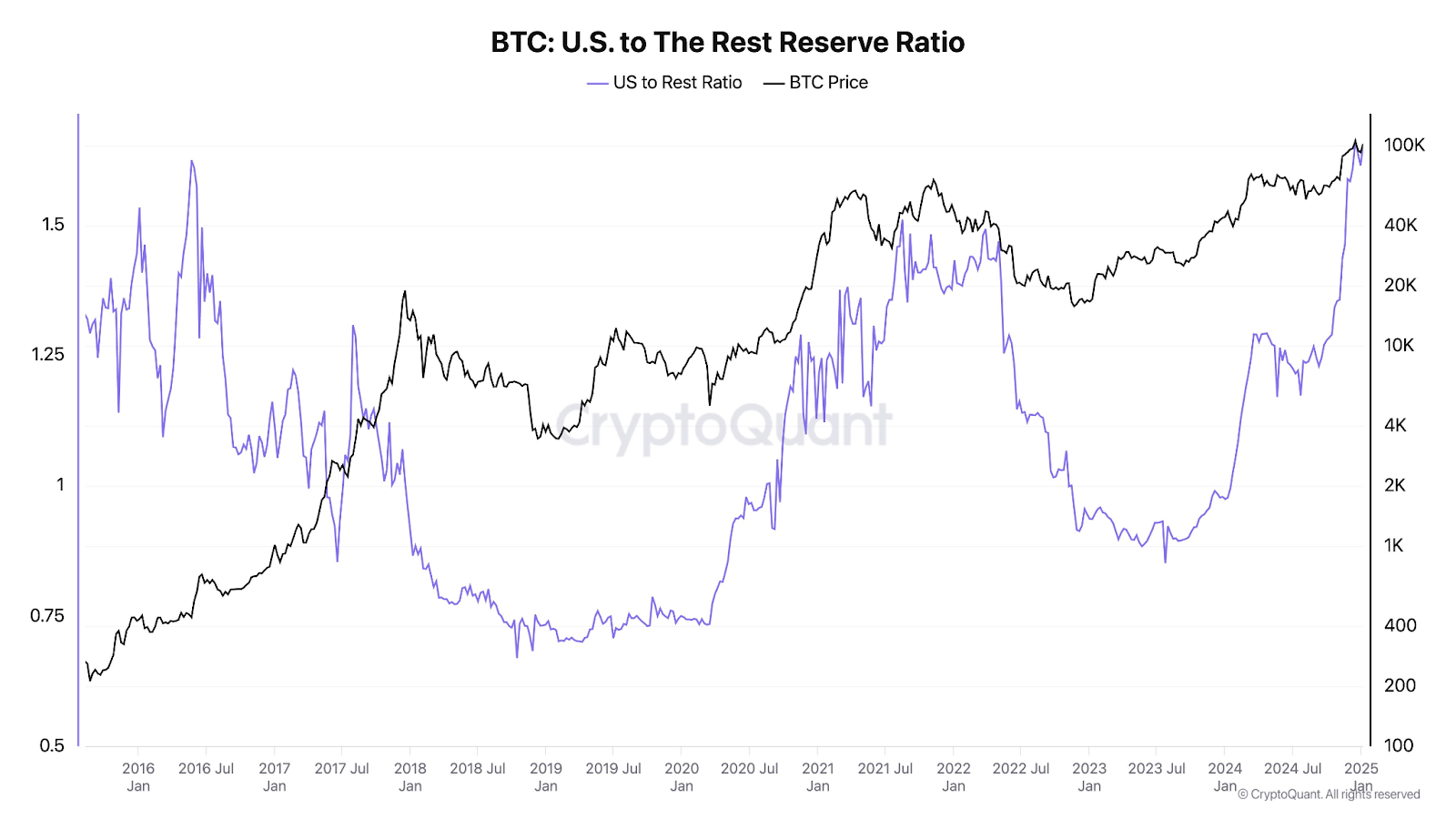
Соотношение суммарного объема американских биткоин-сбережений к зарубежным (фиолетовый) и цена BTC (черный). Данные: X.

Одним из ключевых факторов со стороны США выступили биткоин-ETF. В январе 2024 года американские власти одобрили запуск 11 спотовых биржевых фондов. По данным SoSoValue, на момент написания общий чистый приток составляет $106,82 млрд — 5,74% от общей капитализации первой криптовалюты.

Известная масштабными закупками монет MicroStrategy также внесла существенный вклад в суммарный показатель США. По состоянию на 7 января компания держала 447 470 BTC, из которых 258 320 BTC куплены в 2024 году.

Напомним, 30 декабря 2024 года федеральный суд США разрешил Министерству юстиции продать 69 370 BTC, конфискованных у маркетплейса Silk Road.

Lecturas Relacionadas

77 Bloody Codes: When the '$5 Wrench' Shatters the Privacy Myth of France's Crypto Elite

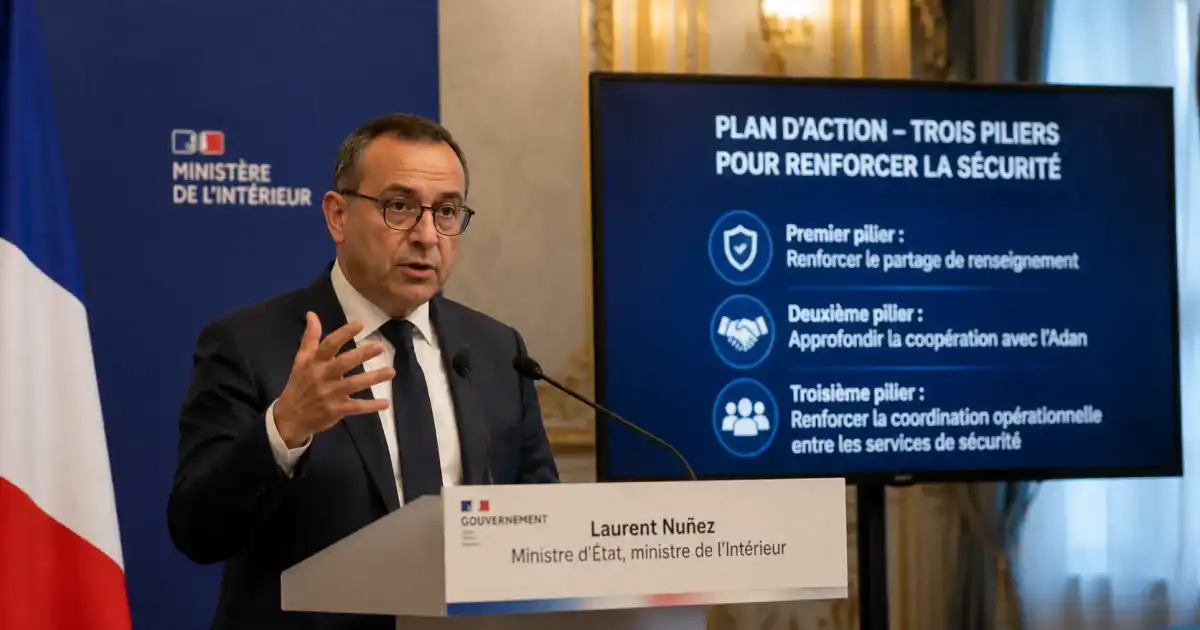
**Summary** In the first half of 2026, France recorded 77 violent crimes—including kidnappings, illegal confinement, and extortion—targeting cryptocurrency holders, a 71% increase over the 45 cases in all of 2025. This equates to an attack every 2.3 days, making France a global hotspot for so-called "wrench attacks," where criminals use physical violence to coerce victims into surrendering crypto assets. High-profile cases include the 2025 kidnapping of Ledger co-founder David Balland, who was shown with a severed finger in a ransom video, and an attempted kidnapping of the family of Paymium's CEO in Paris. Prosecutors note these are not isolated incidents but part of structured criminal networks, sometimes involving minors. Several factors contribute to France's vulnerability: a large holder base (approx. 7.3 million people), the presence of major crypto firms and executives, a culture of public disclosure among enthusiasts, and potential data leaks. The trend is spreading across Europe, which now accounts for over 40% of such global attacks. Research indicates a correlation between Bitcoin price surges and increased wrench attacks. In response, French Interior Minister Laurent Nuñez announced a three-pillar action plan focusing on enhanced intelligence sharing, deeper cooperation with the industry association Adan, and improved operational and cross-border coordination. Authorities have made over 200 arrests in the past year. Security experts warn that digital asset safety now extends to the physical world. They advise holders to use hardware wallets, avoid disclosing holdings on social media, enable multi-factor authentication, and report suspicious activity. The situation underscores the urgent need for the crypto community to shift from a "show-off" culture to one of discretion as physical security becomes paramount.

marsbitHace 58 min(s)

77 Bloody Codes: When the '$5 Wrench' Shatters the Privacy Myth of France's Crypto Elite

marsbitHace 58 min(s)

Both OpenAI and Anthropic are 'Developing Their Own Chips' — Beyond Cost, the Control Over Computing Power is Paramount

OpenAI and Anthropic are both advancing plans to develop custom AI chips, driven by the need to control computing power and reduce costs. According to reports, Anthropic is in early-stage development of its own chips and in talks with Samsung for manufacturing, while OpenAI is collaborating with Broadcom and TSMC, aiming to deploy its first inference chip by late 2026. The primary motivation extends beyond just lowering expenses. For these large model companies, chips are core production assets. By designing specialized hardware (ASICs) tailored to their specific model architectures—OpenAI's being more sparse and Anthropic's more dense—they aim to achieve deeper software-hardware co-design. This synergy can significantly improve inference speed, energy efficiency, and overall unit economics, offering advantages that off-the-shelf GPUs cannot. This move does not signify an immediate replacement for suppliers like Nvidia. The process from design to deployment takes 18-24 months, and Nvidia's GPU ecosystem remains deeply entrenched. Instead, custom chips provide a strategic alternative and negotiating leverage, allowing companies to use them for specific, high-volume workloads like inference while still relying on external GPUs and TPUs for other tasks. The trend reflects a broader industry shift where AI competition is evolving from pure algorithmic prowess to integrated control over the entire software-hardware stack. Companies like Google, Amazon, Meta, and Microsoft are already on this path. For foundries like Samsung, securing orders from AI leaders like Anthropic represents a significant opportunity to expand its footprint in the advanced semiconductor market for AI. Ultimately, the race for "computing sovereignty" is now a central battleground for major AI players.

marsbitHace 1 hora(s)

Both OpenAI and Anthropic are 'Developing Their Own Chips' — Beyond Cost, the Control Over Computing Power is Paramount

marsbitHace 1 hora(s)

Trading

Spot
活动图片