Сдвиг предложения криптовалюты после того, как Aptos и Kaspa разблокировали токены стоимостью в миллионы

cryptonews.ruPublicado a 2024-07-04Actualizado a 2025-01-04

  • Aptos и Movement лидируют в разблокировке токенов, на этой неделе было выпущено более 149 миллионов долларов.
  • Разблокирование 44,92% запасов Neon EVM повышает ликвидность и потенциальные колебания рынка.
  • Ethena демонстрирует значительный рост на 13,32% на фоне объема торгов в размере 571 млн долларов США до разблокировки.

Aptos, Movement и Kaspa входят в число ведущих проектов, выпустивших токены на этой неделе января 2025 года, наряду с Neon EVM, Ethena, io.net и Optimism.

🔓 Weekly Cliff Unlocks : 6 — 12 Jan '25

🔥 $242.68m + 🔥

🌟 Unlock Highlights 🌟$APT (2.03%) — $105.07m$MOVE (2.22%) — $44.78m$KAS (0.72%) — $22.32m$NEON (44.92%) — $19.79m$ENA (0.42%) — $13.51m$IO (2.50%) — $11.10m$OP (0.33%) — $8.41m
.
( % of cir. supply) pic.twitter.com/mlQJH5LzAw

— Tokenomist (prev. TokenUnlocks) (@Tokenomist_ai) January 3, 2025

Aptos и движение для разблокировки основных частей

Aptos (APT) разблокирует токены стоимостью $105,07 млн, что составляет 2,03% от его оборотного предложения. Это происходит, когда APT торгуется по $9,85 за токен с 24-часовым объемом торговли $246,94 млн. Aptos вырос на 5,40% за последние 24 часа, отражая бычьи настроения.

Читайте также: CryptoRank: разблокировка токена Aptos добавит $161 млн в обращение

Далее Movement (MOVE) разблокирует $44,78 млн в токенах, что составляет 2,22% от его предложения. Его текущая цена $0,946311 и 24-часовой объем торгов $280,93 млн подчеркивают его активную торговлю. Цена Movement выросла на 6,63% за последний день, что указывает на растущий интерес инвесторов.

Kaspa, Neon EVM и Ethena: разблокировка и потенциальное влияние

Аналогично, Kaspa (KAS) разблокирует токены на сумму $22,32 млн, что составляет 0,72% от его оборотного предложения. Он стоит $0,128434 при объеме торгов $102,27 млн. KAS вырос на 4,54% за последние 24 часа.

Neon EVM (NEON) выделяется другой динамикой. Его разблокировка стоит $19,79 млн и представляет 44,92% от его предложения. При цене $0,379958 он имеет скромный объем торговли в $2,43 млн и незначительный 24-часовой прирост в 1,70%.

В то же время Ethena (ENA) выпустит $13,51 млн в токенах, что составляет 0,42% от ее предложения. При цене $1,20 объем торгов за 24 часа составляет $571,85 млн, а рост цены составляет 13,32%.

Оптимизм и io.net также разблокируют токены

Optimism (OP) разблокирует $8,41 млн в токенах, что составляет 0,33% от его предложения. Его текущая цена $1,99 и объем торгов $287,49 млн отражают сильную активность рынка. Optimism вырос на 5,60% за последний день, что говорит о позитивном настрое.

Наконец, io.net (IO) выпустит токены на сумму $11,10 млн, что составляет 2,50% от его предложения. При цене $3,56 и объеме торгов $146,12 млн io.net вырос на 2,37% за последние 24 часа.

Lecturas Relacionadas

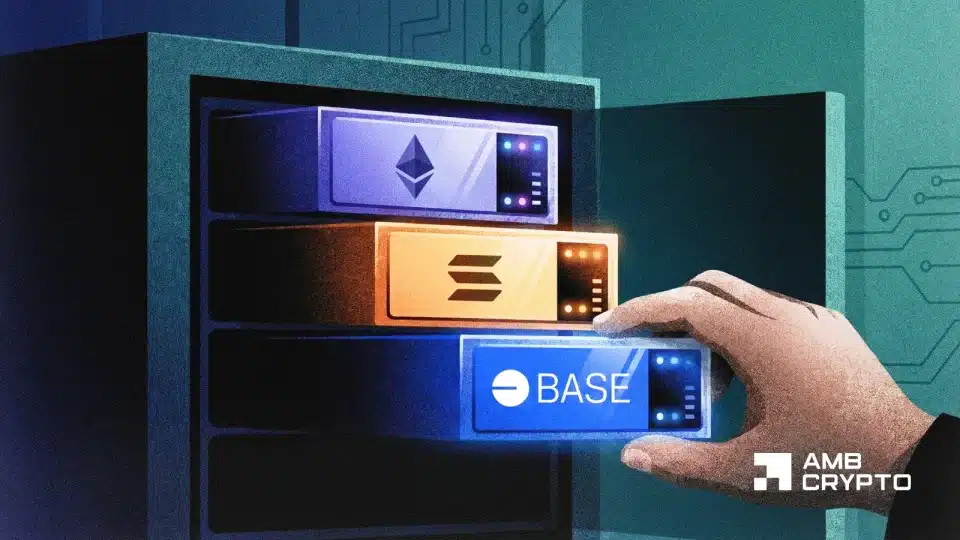
Why 2026 could redefine Ethereum, Solana, Base and Avalanche

Blockchain infrastructure is undergoing a major coordinated transformation, driven by institutional demand for reliability, compliance, and predictable settlement. Over $30 billion in Real-World Assets (RWA) on-chain has exposed network weaknesses. Major blockchains are responding with foundational upgrades, moving beyond incremental speed improvements. Ethereum's "Glamsterdam" upgrade, planned for H1 2026, will significantly increase gas limits and introduce features like PBS (pre-blocked state) for enhanced settlement and parallel execution. Solana's "Alpenglow," targeting a mainnet launch in H2 2026, focuses on reducing finality time dramatically and freeing network resources to improve reliability. Beyond speed, compliance is critical. Base's "Beryl" upgrade in Q3 2026 will introduce a standardized, regulatory-compliant token framework (B20). Avalanche's "Octane" upgrade aims to boost transaction processing and reduce costs for enterprise applications. Even Bitcoin is evolving with the potential activation of OP_CAT by late 2026/early 2027. The competition is shifting. While technical upgrades are widespread, institutions will ultimately allocate capital based on proven execution, operational resilience, and regulatory compatibility during market stress. Ethereum currently leads in tokenized assets, while networks like Base and Solana are strengthening their institutional offerings. The blockchain that best delivers reliable, compliant, and uninterrupted service is poised to attract the greatest share of future institutional capital.

ambcryptoHace 11 min(s)

Why 2026 could redefine Ethereum, Solana, Base and Avalanche

ambcryptoHace 11 min(s)

Tiger Research: Take RWA Tokenization Overseas First

This article discusses the strategic choices facing financial institutions in jurisdictions lacking mature regulatory frameworks for Real-World Asset (RWA) tokenization. With the market growing rapidly, institutions must choose between waiting for local legislation, using regulatory sandboxes, or—the recommended priority—expanding into overseas markets to gain early experience. Successfully launching cross-border RWA tokenization requires meticulous preparation across six key areas: establishing an overseas base (e.g., Hong Kong, Singapore, the U.S.), securing necessary licenses, defining the tokenized asset (with bonds being simpler than non-standard assets), defining the target investor scope, deciding on settlement currencies/payment flows, and designing operational requirements like custody and on-chain governance. The article outlines two primary strategic paths: a direct "onshore" path and a "native on-chain" path. The direct path involves setting up a legal entity and obtaining licenses in a mature jurisdiction like Hong Kong, Singapore, or the U.S., leveraging existing platforms (e.g., DigiFT, Securitize) for efficiency. The alternative native on-chain path involves partnering with compliant, decentralized platforms (e.g., Ondo, Plume Nest) that use structures like offshore SPVs to facilitate tokenization and access DeFi liquidity, offering speed and broader reach but with greater structural complexity. The core argument is that institutions should not wait for perfect domestic regulation. A detailed hypothetical case study illustrates the multi-step, 6-12 month process of launching an overseas tokenized bond. The key takeaway is that the essence of a tokenization business lies not in the technology but in successfully executing the entire sales and operational process. The market is moving forward, and the time to act is now.

marsbitHace 22 min(s)

Tiger Research: Take RWA Tokenization Overseas First

marsbitHace 22 min(s)

Trading

Spot
活动图片