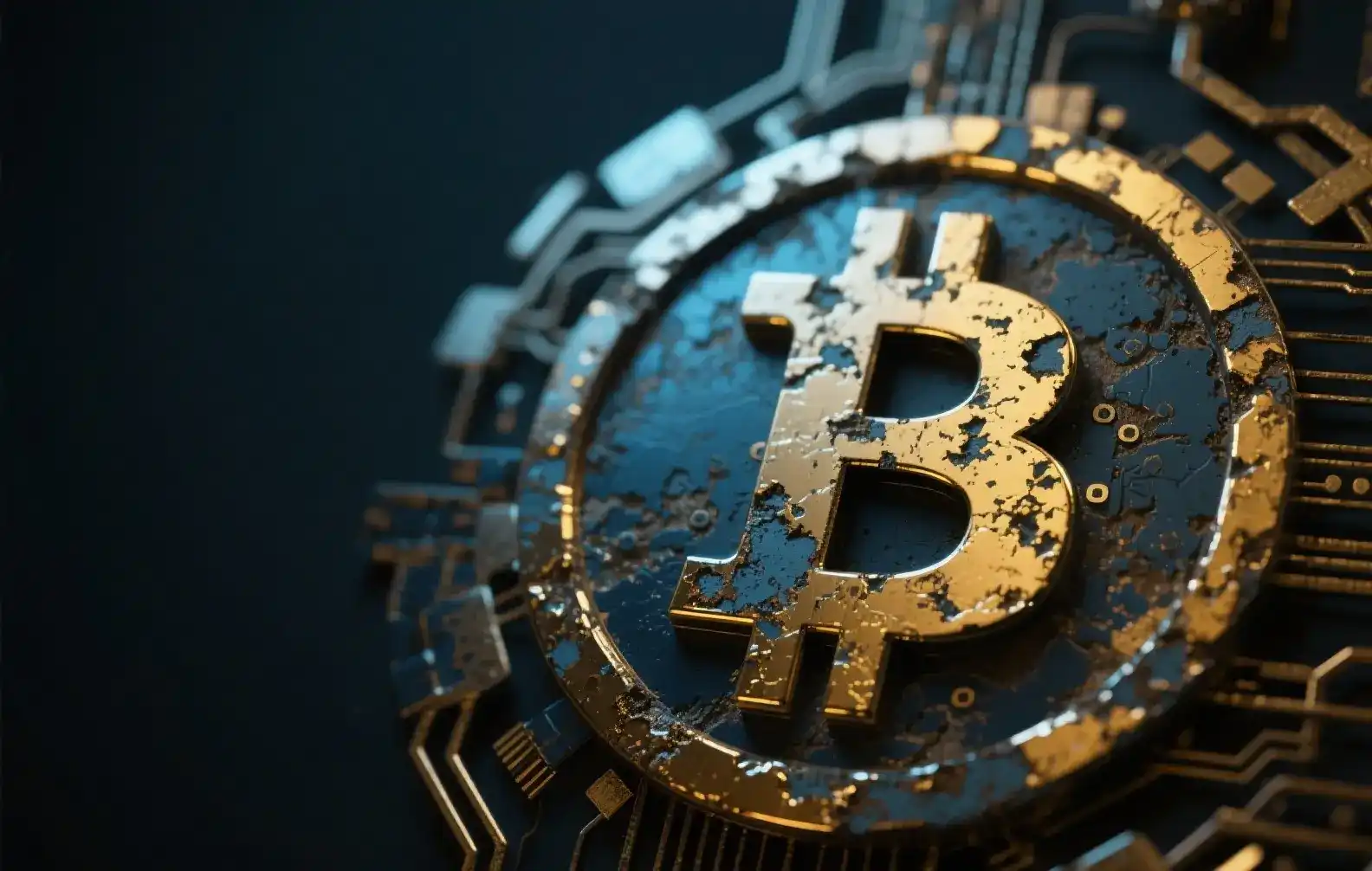
Антон Силуанов: Для госинвестиций в биткоин риск слишком велик

investing.ruPublicado a 2024-12-27Actualizado a 2024-12-27

Силуанов не отрицает возможность государственных инвестиций в криптовалюты в будущем, возможно, лет через пять или десять. Однако сейчас, по мнению главы Министерства финансов, «лучше поменьше заработать, но сохранить порох сухим».

«Американцы говорят о том, что резервы можно держать в криптовалюте. Но поскольку крипта, как видите, это очень волатильный инструмент, то я не думаю, что следует вкладывать государевы деньги в актив, с которым непонятно, что будет завтра. Могут сказать: если бы в начале года мы вложили средства в биткоин, то заработали бы на этом два конца. Но государство деньгами не рискует, важнее их сохранить и не потерять», ― объяснил министр.

На днях Антон Силуанов признал, что криптовалюты используются российскими компаниями для торговли с зарубежными партнерами.

Читайте оригинальную статью на сайте Bits.media

Lecturas Relacionadas

BIS Report Compliance Observations: The True Risks of Stablecoins Go Beyond 'De-pegging'

The BIS report, "Anchoring trust in money: innovation beyond stablecoins," highlights that the primary risks of stablecoins extend beyond potential de-pegging. It argues that the core challenge is whether stablecoins can be integrated into a financial system that is identifiable, monitorable, accountable, and regulatable. While acknowledging efficiency gains like faster payments and programmability, BIS emphasizes that money requires an institutional framework—including legal certainty, liquidity support, and financial integrity controls—which many stablecoins currently lack. The report details compliance risks, noting that while blockchain transactions are transparent, address visibility does not equate to identity or purpose clarity. This creates a systemic risk as pseudonymity, non-custodial wallets, and cross-chain bridges can undermine AML/CFT controls. Furthermore, these risks can spill over into the traditional financial system through on- and off-ramps. The future direction, per BIS, is not to prohibit innovation but to embed regulatory rules—such as identity verification and transaction screening—directly into the technological infrastructure of tokenized finance. The key takeaway for compliance is that any new financial instrument must clearly address questions of customer identification, transaction monitoring, accountability, and cross-border rule consistency to be viable as a mainstream payment tool.

marsbitHace 2 hora(s)

BIS Report Compliance Observations: The True Risks of Stablecoins Go Beyond 'De-pegging'

marsbitHace 2 hora(s)

Trading

Spot
活动图片