Ripple становится первой блокчейн-компанией получившей лицензию от DFSA Дубая

cryptonews.ruPublicado a 2024-05-01Actualizado a 2024-10-01

Ripple получает принципиальную лицензию от Управления по финансовым услугам Дубая (DFSA), став первой компанией на основе блокчейна, получившей лицензию от регулятора.

С помощью этой лицензии Ripple намерена расширить свои платежные услуги из Дубайского международного финансового центра (DIFC) в другие части Объединенных Арабских Эмиратов (ОАЭ), одновременно расширяя свои операции на Ближнем Востоке.

Стоит отметить, что это одобрение официально делает Ripple первой компанией на основе блокчейна, получившей лицензию DFSA.

Особенности лицензии

Согласно объявлению , одобрение позволит Ripple запустить инфраструктуру цифровых активов корпоративного уровня для более широкой клиентской базы в ОАЭ. В частности, компания представит свои трансграничные платежные услуги, включая Ripple Payments Direct (RPD), из DIFC в другие части ОАЭ.

Расширение соответствует обязательству Ripple предоставлять компаниям более быстрые, экономичные и эффективные решения для трансграничных платежей. Компания из Сан-Франциско планирует достичь этой цели путем интеграции соблюдения нормативных требований с текущими инвестициями в соответствующие области, такие как хранение и ликвидность.

Реагируя на развитие событий, генеральный директор Ripple Брэд Гарлингхаус похвалил дальновидный подход ОАЭ к регулированию, который помогает компаниям, стремящимся инвестировать и расширяться в стране.

Ripple расширяет свое присутствие в ОАЭ

Компания впервые открыла свою региональную штаб-квартиру в Дубае в 2020 году. Ripple продолжает расширять свое присутствие в регионе, особенно в DIFC.

В прошлом году Ripple добилась одобрения DFSA использования XRP в DIFC, что позволило лицензированным фирмам включить токен в свой бизнес.

В августе Ripple заключила партнерство с Innovation Hub DIFC для содействия внедрению блокчейна в ОАЭ благодаря программе фонда XRP на 1 млрд. Благодаря этому партнерству Ripple связывает начинающих разработчиков в регионе с обширной сетью DIFC.

Кроме того, недавно Ripple возобновила сотрудничество с Нью-Йоркским университетом в Абу-Даби для поддержки исследований в области блокчейна и других студенческих инициатив.

Ripple имеет 55 лицензий

Новая лицензия является частью более широкой стратегии Ripple по сотрудничеству с регулирующими органами и политиками по всему миру для интеграции соответствующих блокчейн- и криптотехнологий, которые дополняют существующую финансовую систему.

Ripple, имеющая более 55 лицензий по всему миру, в том числе от Денежно-кредитного управления Сингапура (MAS), Департамента финансовых услуг Нью-Йорка (NYDFS) и Центрального банка Ирландии (CBI), продолжает уделять первостепенное внимание соблюдению нормативных требований с целью поддержки внедрения блокчейна в финансовые услуги.

Lecturas Relacionadas

Doubao and Qwen Will Discontinue Agent Functionality on July 15

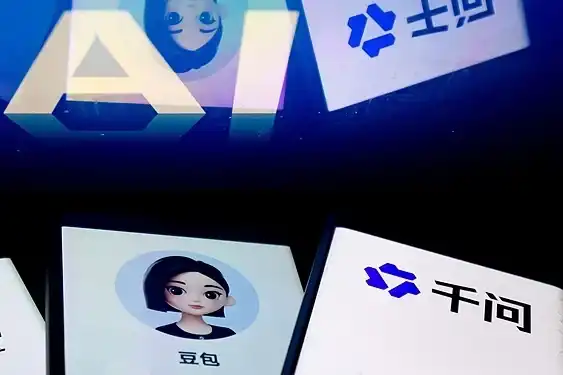
On July 4th, Doubao and Tongyi Qianwen announced the impending shutdown of their user-created "AI Agent" features. Doubao confirmed its agent feature will be taken offline on July 15, directing users to ByteDance's CatBox app for similar needs. On the same day, Tongyi Qianwen notified users, specifying that personalized interactive agents and user-built agent functions will cease on July 10, with all agent features and services completely deactivated by July 15. After this date, access to agent configurations and historical chat records will be lost. This adjustment impacts core user scenarios like role-playing, personal assistants, and vertical tool agents. The shutdown date coincides with the official implementation of China's "Interim Measures for the Administration of Artificial Intelligence Human-like Interactive Services" on July 15. The new regulations impose strict rules on "human-like emotional interaction services," requiring platforms to implement measures like anti-addiction systems, minor verification, and content moderation. This move is widely seen as a proactive step by the platforms to align with regulatory timelines and mitigate compliance risks. Additionally, commercial challenges are a key driver. Analysis suggests that casual, human-like chat agents generate high-frequency, low-value interactions, leading to high computational costs with poor monetization. As the AI application market shifts from user growth to proving value, sustaining such "high-cost, low-efficiency" user-generated content becomes difficult. Both platforms have outlined transition plans. Doubao will allow data viewing and self-backup for a period after shutdown, with data scheduled for permanent deletion by October 15. Tongyi Qianwen similarly advised users to save important content via copying or screenshots before the deadline. This strategic retreat from C-end agent features signals a broader market shift. Compliance capability and sustainable business models are replacing user scale and feature richness as the new core competitive dimensions. Tongyi Qianwen's recent move to fully open its Agent and Skill platforms to third-party enterprises and developers further underscores a strategic pivot from low-value C-end services to high-value B-end enterprise scenarios.

marsbitHace 1 hora(s)

Doubao and Qwen Will Discontinue Agent Functionality on July 15

marsbitHace 1 hora(s)

Why Did Codex and ChatGPT Merge? What's Next for Codex? OpenAI Core Leader Answers Everything

In 2026, OpenAI's Codex saw explosive growth, with weekly active users surging over 5x to 5 million since January, driven largely by the February launch of its desktop app. Codex desktop lead Andrew Ambrosino explains key shifts behind its evolution. A core change is the inversion of development costs: implementation is now cheap, while curation and taste—judging which of many AI-generated prototypes is valuable—have become the new scarcities. Ambrosino defines taste as a blend of aesthetics, systems thinking, direction, and semantic coherence in interaction. He notes AI still struggles with design because evaluating it requires human cultural context and abstract reasoning about how components relate—capabilities beyond current models. Timing is critical: the same Codex app would have failed months earlier; success hinges on the model's capabilities at launch. Roles are blurring within his team, with engineers, designers, and PMs overlapping significantly. However, Ambrosino cautions against eliminating specialized roles entirely, as each field retains deep expertise. On AI-assisted development, the focus has shifted from measuring code written by AI to distinguishing between supervised and unsupervised generation. A current challenge is teaching models to simplify code, not just add complexity. The merger of Codex and ChatGPT stems from observed user behavior: non-developers adopted Codex for general knowledge work despite its developer-centric interface. This revealed a collapsing boundary between specialized tools and universal assistants. The vision is a "home base" that orchestrates tasks across external professional tools (like Excel or Premiere Pro) via connectors, rather than rebuilding everything internally. An internal example showed Codex helping edit video by interacting with Premiere Pro's files and even writing a plugin for it. The future direction is a unified, extensible platform that serves as a central hub for automating and managing work across any specialized tool the user employs.

marsbitHace 1 hora(s)

Why Did Codex and ChatGPT Merge? What's Next for Codex? OpenAI Core Leader Answers Everything

marsbitHace 1 hora(s)

Trading

Spot
活动图片