在比特币主导的市场下跌中、TON在停机后略有恢复

金色财经Publicado a 2024-08-28Actualizado a 2024-08-28

市场波动中 Toncoin 的稳定

在当天早些时候遭受重大损失后,Toncoin 缩减了跌幅,在东亚交易时段恢复至不到 1% 的跌幅。此次下跌最初是由比特币 (BTC) 领跌的更广泛的市场下跌引发的,比特币 (BTC) 下跌了 6%。根据 COINOTAG 指数的数据,与 COINOTAG 20 (CD20)(最大加密货币的基准)相比,这一表现明显优于后者,后者下跌了 6.5% 以上。

主要市场走势的影响

加密货币市场的压力主要归因于超过 3 亿美元的加密货币期货清算后的多头挤压。这是自 8 月初以来最重大的清算事件。在这种情况下,之前利用价格上涨假设进行杠杆操作的交易者被迫抛售,从而导致价格下跌。比特币的急剧下跌与 Toncoin 的相对稳定形成鲜明对比,表明其交易叙述具有潜在的弹性。

清算洞察和市场心理

CoinGlass 的数据显示,比特币期货的未平仓合约已从 340 亿美元降至 310 亿美元,表明交易员的热情正在减弱。大量资金撤出进一步加剧了市场的担忧,在美国上市的比特币交易所交易基金 (ETF) 遭遇 1.27 亿美元的净流出,打破了之前连续八天的流入势头。这一趋势表明,投资者在之前的市场反弹后开始撤退,他们越来越谨慎。

仔细研究以太币和人工智能代币

与此同时,以太坊 (ETH) 连续第九天遭遇资金外流,345 万美元流出以太坊 ETF 产品。以太坊主网目前正面临一种“身份危机”,这反映在当前的交易量和情绪中。同样,尽管英伟达预计盈利强劲,但人工智能代币也受到了不利影响,NEAR 和其他各种山寨币均出现明显下跌,重申了市场总体看跌情绪。

机构参与加密货币

尽管经济低迷,但机构投资者的兴趣依然强劲,Hex Trust 等托管公司最近的举动就是明证。它们的新质押产品可能会吸引更多机构资本进入加密货币领域,这表明机构投资者在市场动荡和不确定性中仍在寻找价值。

结论

在更广泛的市场动态推动加密货币动荡的时期,Toncoin 最近的稳定成为焦点。尽管挑战依然存在,特别是对于 BTC 和 ETH 等主要资产而言,但该领域的持续机构参与和创新发展凸显了持续的潜在需求。随着交易者和投资者重新调整策略,了解这些市场情绪对于驾驭不断变化的数字资产格局至关重要。

Lecturas Relacionadas

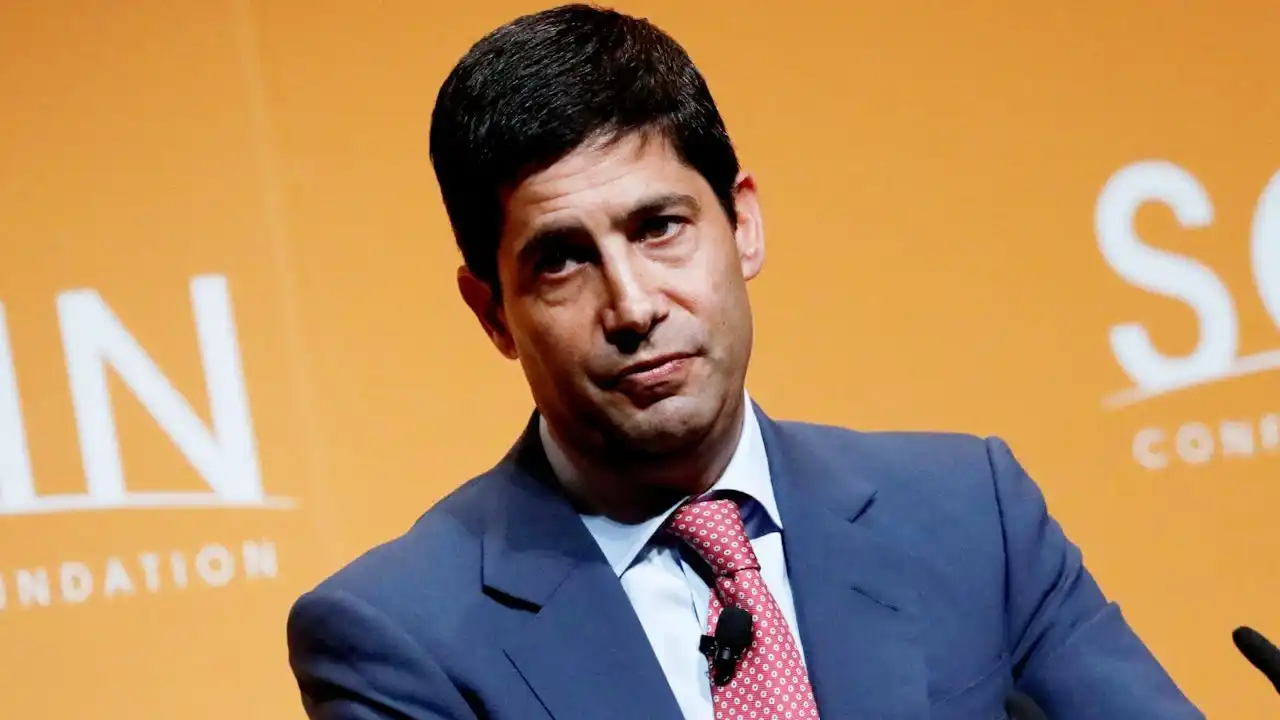
Warsh's First Conundrum: Rate Cuts, Inflation, and a Fractured Fed

Walsh's First Dilemma: Rate Cuts, Inflation, and a Divided Fed Kevin Warsh officially assumed the Fed Chairmanship on May 15th, inheriting a central bank deeply divided over inflation. Contrary to market expectations of a dovish stance due to his appointment by President Trump, Warsh's historical record shows early and consistent hawkish concerns about inflation. The Fed he leads is fractured, with three FOMC members recently dissenting against even hinting at future rate cuts. The immediate challenge is surging inflation. While the Iran-related oil shock is a temporary factor, core CPI and services inflation are accelerating, showing signs of becoming entrenched—echoing the Fed's 2022 "transitory" misstep. Warsh faces the task of building consensus within a committee where several members believe policy may not be restrictive enough, especially if the neutral interest rate (r-star) is higher than currently estimated. Politically, Warsh is caught between Trump's desire for rate cuts and the economic reality of persistent price pressures. Any move perceived as bowing to political pressure could undermine Fed independence. Market implications are significant. Long-term Treasury yields (e.g., 30-year at 5.19%) could rise further, especially if the June FOMC statement hints at possible tightening. Tech stocks face continued valuation pressure from higher rates. The key variable is progress in Iran negotiations; a breakthrough before the June meeting could temporarily ease oil-driven inflation, but stubborn services inflation would remain. All eyes are on Warsh's first post-FOMC press conference on June 17th. His wording on inflation and policy will reveal how much the market has mispriced his stance and the Fed's likely path forward.

marsbitHace 15 min(s)

Warsh's First Conundrum: Rate Cuts, Inflation, and a Fractured Fed

marsbitHace 15 min(s)

Harvard and Others Exit, Six Core Talents Depart in a Month: What's Happening to Ethereum?

Ethereum faces significant internal and external pressures, marked by a wave of high-profile departures from its core development team and a loss of confidence from major institutional investors. Within four months, at least seven key figures—including researchers, protocol leads, and a former executive director—have left the Ethereum Foundation. This exodus, partly triggered by controversy over a new "mission statement" requiring employee sign-off, risks derailing critical roadmap upgrades like PeerDAS and Verkle trees, and has already contributed to delays in the planned Glamsterdam upgrade. Compounding the internal instability, major institutions are reducing their exposure. Goldman Sachs slashed its iShares Ethereum Trust holdings by approximately 70%, and Harvard's endowment fund completely exited its $87 million Ethereum ETF position. Concurrently, the Ethereum Foundation itself has been unstaking and selling ETH for "treasury rebalancing," further unsettling the market. These challenges emerge as Ethereum's competitive dominance erodes. Its share of the total DeFi market has fallen to around 54%, with rivals like Solana and Base gaining ground. In fee revenue, it was recently outpaced by newer chains like Hyperliquid. Furthermore, a trend of institutions exploring proprietary or hybrid blockchains (exemplified by Circle's Arc) threatens Ethereum's position as the premier settlement layer for institutional assets. While founder Vitalik Buterin's vision for Ethereum as a secure, decentralized "technical sanctuary" and "world computer" remains clear, its realization is threatened by the concurrent loss of execution capability, institutional patience, and market share during a critical competitive phase.

链捕手Hace 55 min(s)

Harvard and Others Exit, Six Core Talents Depart in a Month: What's Happening to Ethereum?

链捕手Hace 55 min(s)

IOSG | After the Halving of Developer Count: Crypto Isn't Dead, It's Just Handing Over Talent to AI

IOSG Report: Crypto's Developer Exodus Masks a "Talent Deleveraging" and Migration to AI The number of monthly active crypto developers on GitHub has roughly halved from its 2022 peak to around 23,000. This decline is not a sign of industry collapse but a "talent deleveraging." The exodus consists largely of newcomers who entered during the bull market, while the cohort of established developers (2+ years of experience) has grown to a record high, now contributing about 70% of the code. These core builders are consolidating in ecosystems with real users and activity, like Bitcoin and Solana. The crypto industry has forged a unique skill set: building operational, trusted systems from scratch in environments with no external authority, near-zero tolerance for error, and missing rules. This involves creating trust through pure code/mechanisms and making judgments under profound technical and economic uncertainty. This capability is finding new, high-value applications in the AI era, which faces structurally similar problems: trust in opaque autonomous systems, a lack of governance frameworks, and coordination among self-interested AI agents. Key migration patterns include: 1. **Direct Hardware/Infrastructure Translation:** Projects like CoreWeave pivoted from GPU mining to AI compute supply. 2. **Mechanism Design & Trust Engineering:** Crypto's experience in decentralized coordination and incentive design (e.g., via tokenomics, staking/slashing) is being applied to critical AI challenges: * **Compute Aggregation & Verification:** Solving trust and efficiency problems in decentralized GPU networks (e.g., Hyperbolic). * **AI Agent Governance:** Using cryptoeconomic mechanisms to align the behavior of multiple autonomous AI agents (e.g., EigenLayer's approach). * **Autonomous Agent Payments:** Leveraging stablecoins and programmable money for fast, permissionless micro-transactions between AI agents (e.g., x402 protocol). The builder's role is evolving from "writing smart contracts" to "designing trust mechanisms for autonomous AI systems." This convergence is reflected in hiring trends at major firms and significant capital allocation from top venture funds like Paradigm and a16z into the crypto-AI intersection. While regional approaches differ—with the US focusing more on foundational protocol innovation and Asia on application-layer integration—the core thesis remains: the systemic skills honed in crypto's trustless environments are becoming a scarce and critical asset for scaling AI.

marsbitHace 56 min(s)

IOSG | After the Halving of Developer Count: Crypto Isn't Dead, It's Just Handing Over Talent to AI

marsbitHace 56 min(s)

Trading

Spot
Futuros

Artículos destacados

Cómo comprar TON

¡Bienvenido a HTX.com! Hemos hecho que comprar The Open Network (TON) sea simple y conveniente. Sigue nuestra guía paso a paso para iniciar tu viaje de criptos.Paso 1: crea tu cuenta HTXUtiliza tu correo electrónico o número de teléfono para registrarte y obtener una cuenta gratuita en HTX. Experimenta un proceso de registro sin complicaciones y desbloquea todas las funciones.Obtener mi cuentaPaso 2: ve a Comprar cripto y elige tu método de pagoTarjeta de crédito/débito: usa tu Visa o Mastercard para comprar The Open Network (TON) al instante.Saldo: utiliza fondos del saldo de tu cuenta HTX para tradear sin problemas.Terceros: hemos agregado métodos de pago populares como Google Pay y Apple Pay para mejorar la comodidad.P2P: tradear directamente con otros usuarios en HTX.Over-the-Counter (OTC): ofrecemos servicios personalizados y tipos de cambio competitivos para los traders.Paso 3: guarda tu The Open Network (TON)Después de comprar tu The Open Network (TON), guárdalo en tu cuenta HTX. Alternativamente, puedes enviarlo a otro lugar mediante transferencia blockchain o utilizarlo para tradear otras criptomonedas.Paso 4: tradear The Open Network (TON)Tradear fácilmente con The Open Network (TON) en HTX's mercado spot. Simplemente accede a tu cuenta, selecciona tu par de trading, ejecuta tus trades y monitorea en tiempo real. Ofrecemos una experiencia fácil de usar tanto para principiantes como para traders experimentados.

469 Vistas totalesPublicado en 2024.12.10Actualizado en 2025.03.21

Cómo comprar TON

Discusiones

Bienvenido a la comunidad de HTX. Aquí puedes mantenerte informado sobre los últimos desarrollos de la plataforma y acceder a análisis profesionales del mercado. A continuación se presentan las opiniones de los usuarios sobre el precio de TON (TON).

活动图片