深入探讨Sui的核心技术:有何独到之处?

Odaily星球日报Publicado a 2024-08-15Actualizado a 2024-08-15

Resumen

Sui在过去一周和一个月中,分别在山寨Layer 1中领跑,涨幅达47%和13% 。

原文作者:David C,Bankless

原文编译:Ismay,BlockBeats

编者按:本文深入探讨了 Sui 的面向对象数据模型、Sui Move 编程语言、网络结构以及动态 NFT 标准等核心技术,并介绍了其简化用户体验的 zkLogin 和提供可靠交易基础设施的 DeepBook。虽然 Sui 在面对成熟的 EVM 生态和其他竞争对手时仍有不少挑战,但其独特的创新或许能为其在竞争激烈的加密市场中赢得一席之地。

几乎没有什么比山寨 Layer 1 更能引发加密货币的热议了。

虽然这些新链总是承诺比以太坊更大、更快、更好,但真正能够兑现这些巨大承诺的却寥寥无几。这一轮周期中,一批新的竞争者涌现,其中由风投支持的 Sui 获得了不少关注。

Sui 是 Facebook 已终止的 Diem 项目的衍生项目,它从 a16z、Coinbase 和 Jump 等机构筹集了 3.3 亿美元,并于 2023 年 5 月上线。自那时起,其锁定总价值已超过 6 亿美元。Sui 本周也在加密市场上大放异彩,在过去一周和一个月中,分别在山寨 Layer 1 中领跑,涨幅达 47% 和 13% 。

我们之前曾从项目的角度讨论过 Sui,但还没有深入探讨过其技术。

Sui 的技术有何独特之处?

Sui 声称其区块链拥有一系列独特元素支撑。下面,让我们深入探讨其面向对象的数据模型、Sui Move 语言、网络结构和动态 NFT 标准。

面向对象的数据模型

Sui 采用了一种独特的面向对象的数据模型,将链上的所有数据组织成独特的「对象」,这些对象包含所有权、交易历史和定义细节,从而允许对涉及不同对象的交易进行高效的并行处理。

与以太坊通过账户跟踪状态并要求顺序处理不同,Sui 的这种方法旨在简化链上整体的状态管理,理论上可以增强其可扩展性。虽然 Solana 也支持并行处理,但它同样依赖于需要仔细冲突管理的账户模型。Sui 的面向对象模型旨在避开这些复杂性,可能使其更为简化并具有更强的可扩展性。

Sui Move

Sui Move 是基于 Diem 的 Move 语言修改而成,专为 Sui 的面向对象模型量身打造,着重于安全性。该语言将资源(如代币)视为不可变的,从而防止复制或销毁,并消除双重支付或重入攻击等威胁。在 Sui 上,系统内置了诸如 Move 字节码验证器等安全措施,这些措施会在代码被允许上链之前进行检查。

网络结构

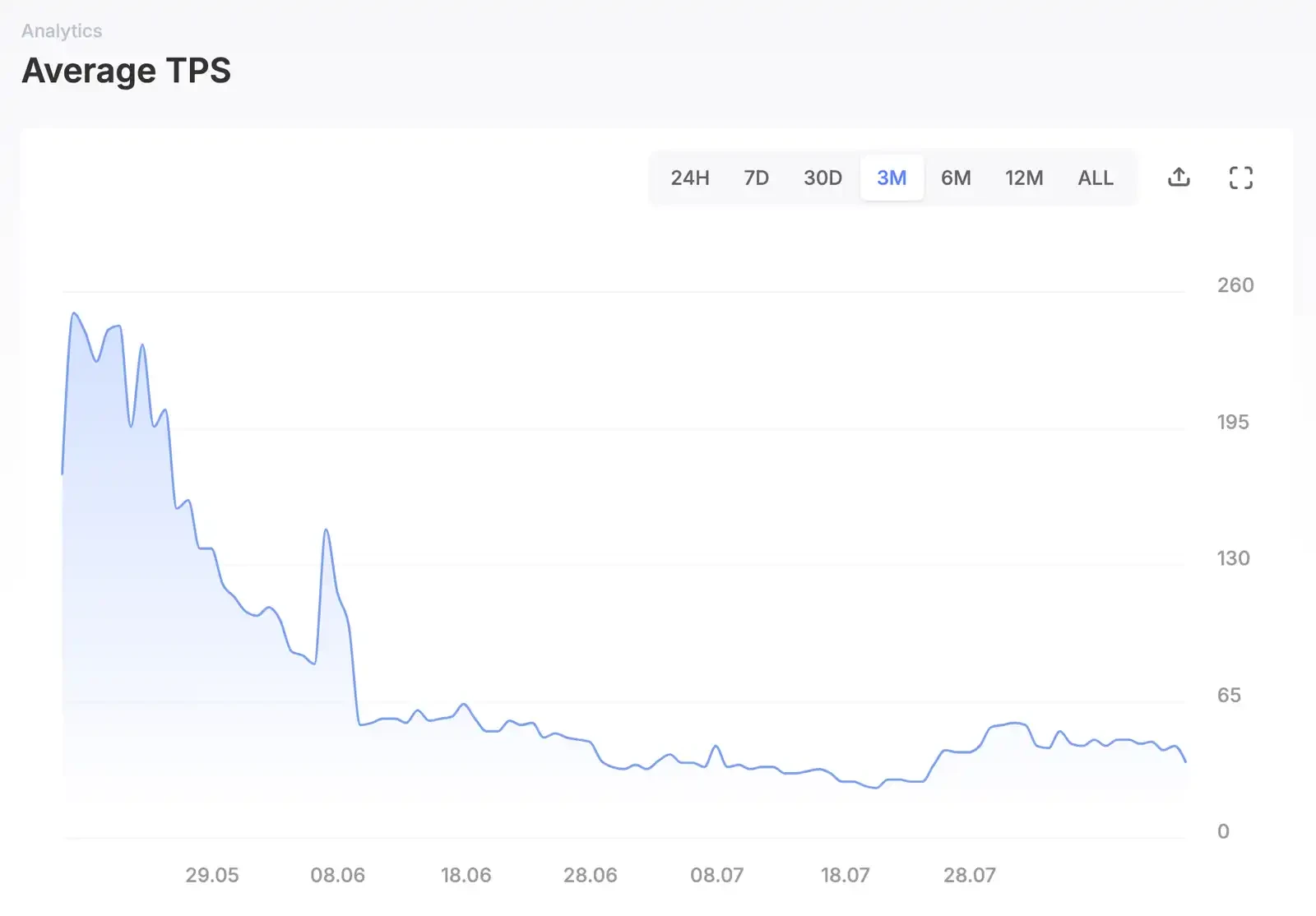
Sui 的面向对象数据模型和共识机制旨在使其能够快速高效地处理大量交易。与将交易批量处理不同,Sui 的验证节点单独并行处理每笔交易。涉及不同对象的不同交易可以同时处理,无需等待区块填充。由于交易之间不需要相互等待,这一特性理论上允许 Sui 每秒处理数十万笔交易,尽管其过去 30 天的平均 TPS 仅为 36 。
深入探讨Sui的核心技术:有何独到之处?

动态 NFT 标准

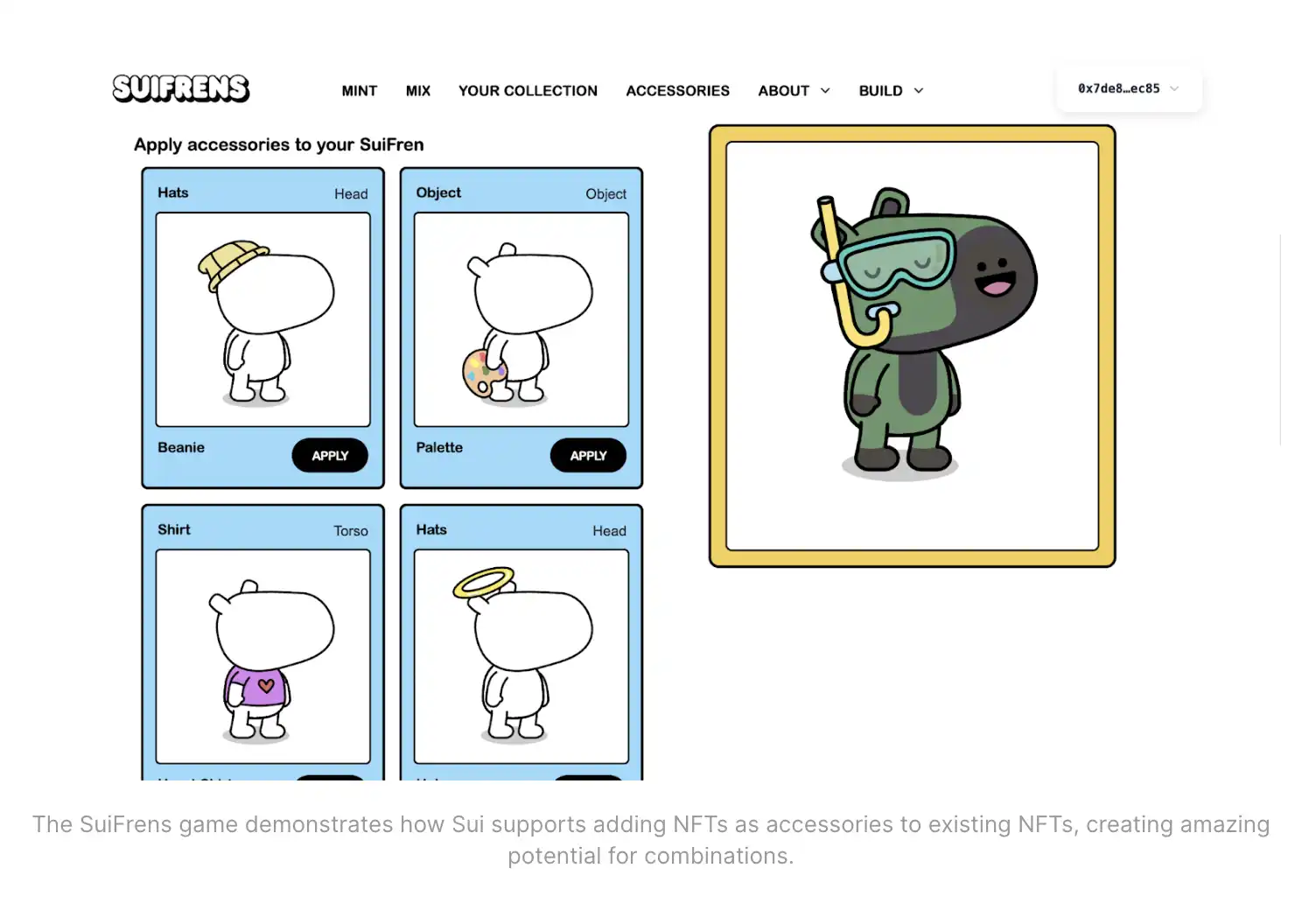
Sui 开发了默认支持动态使用的 NFT 标准。

与所有 Sui 数据一样,NFT 被视为对象,这使得它们能够随着时间的推移改变行为。这也支持组合性,允许 NFT 在创建后与其他资产组合成更复杂的资产,或更新新的属性。例如,一张 NFT 票可以更新以显示它已被使用,或者艺术作品可以随着时间的推移进行修改。这些标准可能对 NFT 创作者具有吸引力,因为 Sui 还支持自动版税支付,确保原始创作者能够直接通过区块链而非外部平台获得未来销售的百分比收益。
深入探讨Sui的核心技术:有何独到之处?

其他 Sui 特点

Sui 还喜欢宣传其开箱即用的解决方案,如 zkLogin 和 DeepBook,旨在简化用户认证并降低在链上构建 DeFi 的门槛。

zkLogin

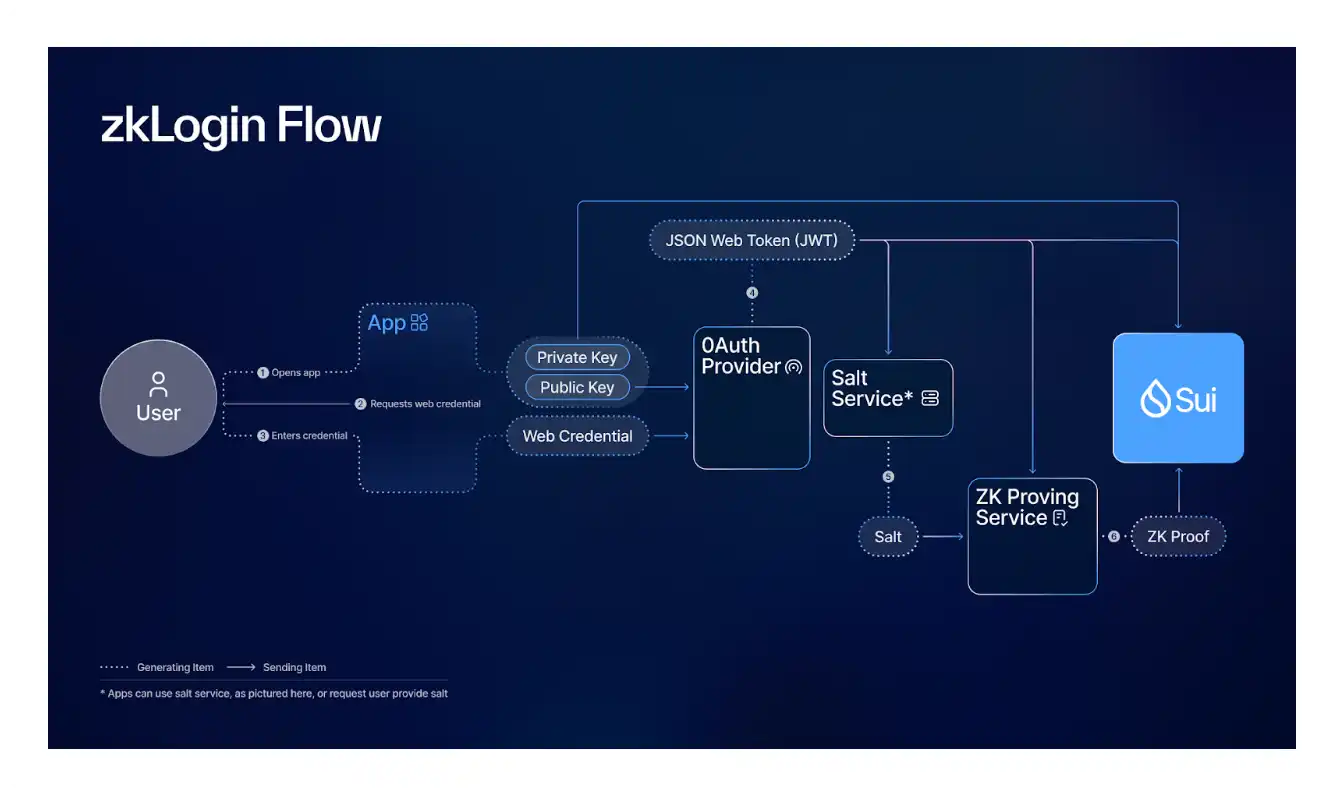
zkLogin 通过允许用户使用熟悉的 Web2 凭证(如 Google 或 Twitch)登录基于 Sui 的应用,简化了链上访问,消除了设置经典钱包的需求。尽管这似乎与加密隐私的理念相悖,但 zkLogin 利用零知识证明将 Web2 凭证安全地链接到 Sui 地址。
深入探讨Sui的核心技术:有何独到之处?

DeepBook

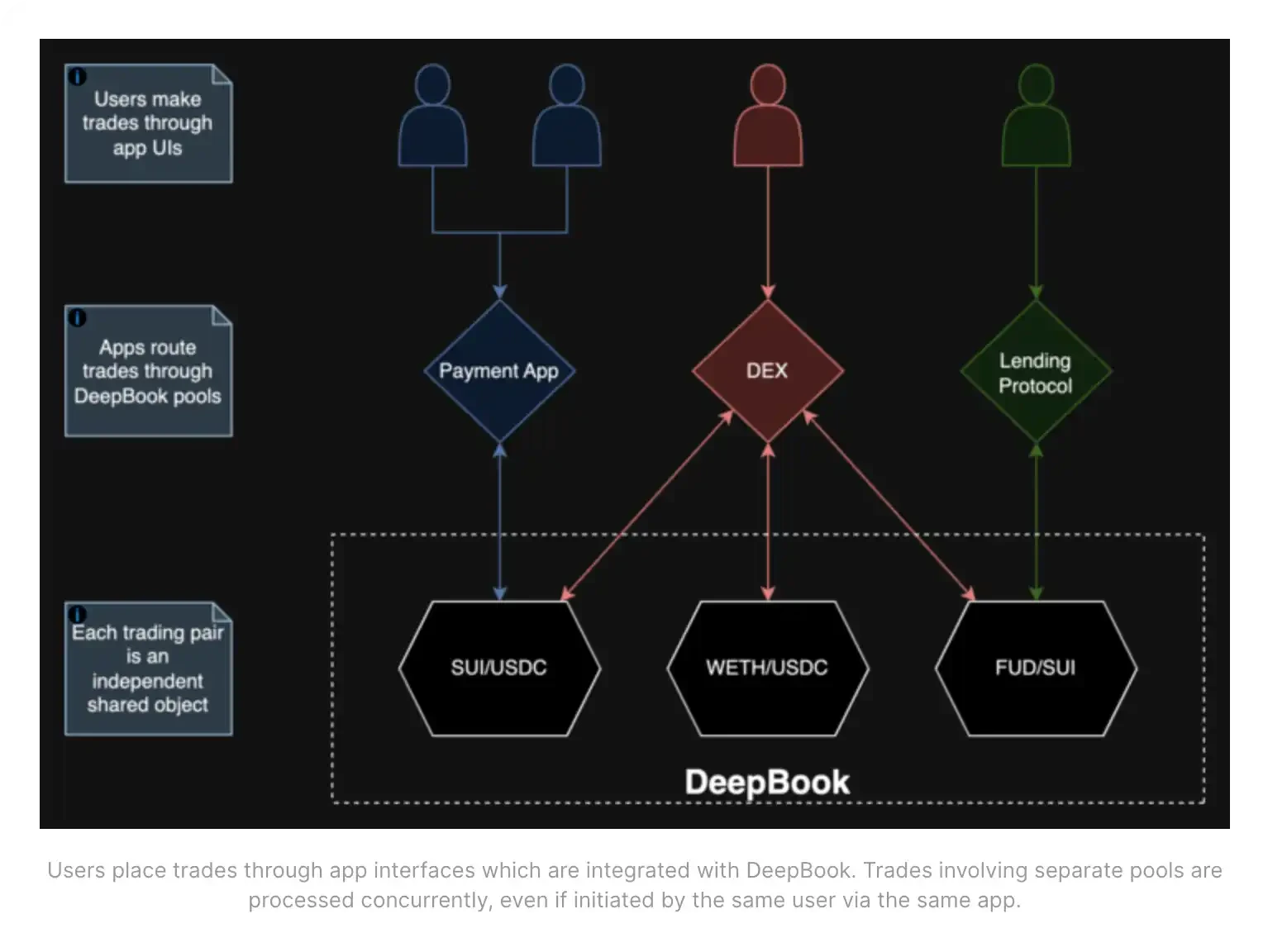
DeepBook 是一个开源的中央限价订单簿(CLOB),作为 Sui 生态系统内的共享流动性层。通过为 DeFi 提供可靠的交易基础设施,DeepBook 让开发者可以专注于构建新功能,而无需管理基础的交易逻辑或启动自己的流动性池。借助 DeepBook,每种资产都有其独立的流动性池,防止交易对之间的干扰,确保交易处理更顺畅、更快速。
深入探讨Sui的核心技术:有何独到之处?

总结

尽管 Sui 在说服用户放弃 EVM 或在其他拥有更深 DeFi 流动性的山寨 L1(如 Solana)之上选择它的道路上面临挑战,但市场总是愿意给一个新的网络一个公平的机会。不过,随着 Monad 和 MegaETH 等高性能 EVM 链的出现,竞争愈发激烈,对于那些拥有大量私募资金支持的山寨 L1 来说,前方的道路可能会更加艰难。

总的来说,Sui 确实可能为加密领域带来一些独特的进步。至于上述特点是否足以让 Sui 在这个已经非常拥挤的领域中更进一步,我们将留给你来判断。

原文链接

Criptos en tendencia

Lecturas Relacionadas

Former SpaceX Engineer Reconstructs Financial Execution System Using First Principles

Former SpaceX engineer Lex Li applies "First Principles Thinking" to financial infrastructure with Plan Execution Lab, recently raising angel funding at a $50M post-money valuation. The team argues that the core function of finance is capital allocation, and the critical gap is not in trading but in execution, which remains highly manual and fragmented. While assets, liquidity, and settlement have migrated on-chain, execution workflows (monitoring, risk management, liquidity coordination) are still human-native. In an era of accelerating AI agents, strategy decay is rapid, shifting the competitive edge from having the best strategy to having the most robust execution network. Plan Execution Lab introduces two core components: 1. **PlanX**: A Financial Execution Protocol designed as infrastructure for the migration from CEX to DEX, providing on-chain execution capabilities, liquidity access, risk management, and capital orchestration. 2. **Xgent**: An Autonomous Financial Runtime. Users define investment intents, risk preferences, and constraints; Xgent automatically constructs an execution graph, verifies it, and handles ongoing execution and optimization—streamlining the process from Intent to Autonomous Execution. The long-term vision is to create the "Bloomberg Terminal for Autonomous Finance"—a shared operating environment and execution network built collectively by participants like execution nodes, liquidity providers, and autonomous agents. The future of finance, they contend, belongs not to isolated algorithms but to open, collaborative execution networks.

marsbitHace 20 min(s)

Former SpaceX Engineer Reconstructs Financial Execution System Using First Principles

marsbitHace 20 min(s)

Former SpaceX Engineer Reconstructs Financial Execution System from First Principles

Plan Execution Lab, a financial infrastructure project founded by former SpaceX engineer Lex Li, has raised angel funding at a $50M post-money valuation. The startup is applying "first principles thinking" from Li's SpaceX experience to rethink financial market execution. Their analysis posits that while assets, liquidity, and settlement have moved on-chain, the execution layer remains fundamentally human-dependent and fragmented. In the era of AI Agents, strategy advantages decay rapidly, shifting the competitive edge from isolated algorithms to robust **execution networks**. Plan Execution Lab's solution is a two-part system: **PlanX**, a Financial Execution Protocol designed to facilitate the migration from centralized exchanges (CEX) to on-chain markets by providing core on-chain execution capabilities; and **Xgent**, an Autonomous Financial Runtime. Xgent allows users to define investment goals and constraints, then autonomously constructs and manages the execution logic—moving from **Intent to Execution Graph to Verification to Autonomous Execution**. The long-term vision is to create the "Bloomberg Terminal for Autonomous Finance"—an operating environment not for humans, but for agents and execution nodes. The future financial system, they argue, will be a collaborative network built by diverse participants contributing execution capabilities, not secret strategies. The core competition will shift to who builds the most powerful and adaptive execution network.

链捕手Hace 21 min(s)

Former SpaceX Engineer Reconstructs Financial Execution System from First Principles

链捕手Hace 21 min(s)

First Long-Horizon Doc2Repo Training Dataset: Code Agents Move Beyond Bug Fixing and Begin Creating Repositories

With the advancement of LLM Code Agents, the research focus is shifting towards long-horizon, real-world tasks, moving beyond simple bug fixes to full repository generation. To address this, researchers from Renmin University of China introduced the DeNovoSWE dataset. This dataset focuses on long-term software engineering tasks, specifically the "document-to-repository" challenge—generating an entire, executable code repository from a task description. The DeNovoSWE construction method employs a Divide & Conquer approach. It breaks down target repositories into core capabilities and uses a multi-agent Draft-Critic-Repair workflow to automatically generate high-quality, evaluation-aligned task documents. The dataset also implements difficulty-aware filtering to balance quality and diversity. The result is a high-quality, anti-leakage dataset of 4,818 instances. Experiments show that models trained on DeNovoSWE achieve significant improvements in long-horizon repository generation. For instance, Qwen3-30B-A3B-Instruct's performance on the BeyondSWE-Doc2Repo benchmark increased from 5.8% to 47.2%, and on NL2RepoBench from 4.3% to 23.0%. Similar gains were observed with stronger backbones, demonstrating that dedicated long-horizon training data is crucial for advancing Code Agents from maintainers to architects capable of planning and building complete software projects from scratch.

marsbitHace 36 min(s)

First Long-Horizon Doc2Repo Training Dataset: Code Agents Move Beyond Bug Fixing and Begin Creating Repositories

marsbitHace 36 min(s)

Even CZ Praised Hyperliquid as 'Awesome', But Its Biggest Moat Might Also Be Its Biggest Risk

In an episode of Galaxy Brains, Binance founder CZ praised Hyperliquid as "awesome" but clarified that while its product is strong, Binance cannot compete in its specific niche due to Hyperliquid's no-KYC, decentralized model. CZ noted he would not personally operate such a model, highlighting the inherent legal and compliance risks tied to its access advantage. The discussion underscores a core market structure conflict: on-chain perp platforms like Hyperliquid thrive on open, low-barrier access, which regulated exchanges like Binance cannot replicate without abandoning their global compliance posture. However, this very advantage makes Hyperliquid a clear target for regulatory scrutiny. The UK FCA has already issued a warning against Hyperliquid for potentially offering unauthorized services to UK users, framing it as a financial services provider rather than neutral infrastructure. Historical cases like the CFTC's action against bZeroX and Ooki DAO further illustrate that regulators may pursue decentralized structures if they facilitate leveraged trading for retail users without proper controls. Meanwhile, regulated venues like Cboe are developing US-compliant "continuous futures" that mimic perpetual exposure, narrowing the product gap. Hyperliquid's long-term edge may increasingly hinge on its access model—the very feature most exposed to regulatory pressure. The key question is whether its "access premium" can withstand escalating legal challenges as on-chain perps gain mainstream attention.

marsbitHace 54 min(s)

Even CZ Praised Hyperliquid as 'Awesome', But Its Biggest Moat Might Also Be Its Biggest Risk

marsbitHace 54 min(s)

Trading

Spot
Futuros

Artículos destacados

Cómo comprar SUI

¡Bienvenido a HTX.com! Hemos hecho que comprar SUI Network (SUI) sea simple y conveniente. Sigue nuestra guía paso a paso para iniciar tu viaje de criptos.Paso 1: crea tu cuenta HTXUtiliza tu correo electrónico o número de teléfono para registrarte y obtener una cuenta gratuita en HTX. Experimenta un proceso de registro sin complicaciones y desbloquea todas las funciones.Obtener mi cuentaPaso 2: ve a Comprar cripto y elige tu método de pagoTarjeta de crédito/débito: usa tu Visa o Mastercard para comprar SUI Network (SUI) al instante.Saldo: utiliza fondos del saldo de tu cuenta HTX para tradear sin problemas.Terceros: hemos agregado métodos de pago populares como Google Pay y Apple Pay para mejorar la comodidad.P2P: tradear directamente con otros usuarios en HTX.Over-the-Counter (OTC): ofrecemos servicios personalizados y tipos de cambio competitivos para los traders.Paso 3: guarda tu SUI Network (SUI)Después de comprar tu SUI Network (SUI), guárdalo en tu cuenta HTX. Alternativamente, puedes enviarlo a otro lugar mediante transferencia blockchain o utilizarlo para tradear otras criptomonedas.Paso 4: tradear SUI Network (SUI)Tradear fácilmente con SUI Network (SUI) en HTX's mercado spot. Simplemente accede a tu cuenta, selecciona tu par de trading, ejecuta tus trades y monitorea en tiempo real. Ofrecemos una experiencia fácil de usar tanto para principiantes como para traders experimentados.

495 Vistas totalesPublicado en 2024.12.12Actualizado en 2026.06.02

Cómo comprar SUI

Discusiones

Bienvenido a la comunidad de HTX. Aquí puedes mantenerte informado sobre los últimos desarrollos de la plataforma y acceder a análisis profesionales del mercado. A continuación se presentan las opiniones de los usuarios sobre el precio de SUI (SUI).

活动图片