Мемкоин Pacmoon переходит с блокчейна Blast на Solana

investing.ruPublicado a 2024-08-08Actualizado a 2024-08-08

Happycoin.club - Одна из крупнейших по рыночной капитализации в сети Blast мемная монета Pacmoon переходит на блокчейн Solana. Об этом заявили разработчики актива, объяснив своё решение «нулевой социальной поддержкой» со стороны блокчейна Blast, который не стимулирует развитие собственных токенов.

Мы считаем, что токены, сообщество и культура — это то, что делает блокчейн успешным. Однако Blast никогда не фокусировался на этом, — написал один из разработчиков Pacmoon, известный под псевдонимом LambolandNFT.

При переходе с Blast на блокчейн Solana мемкоин Pacmoon будет переименован в ARMY. Владельцам PAC рекомендуется сжечь свои токены, чтобы получить право на участие в раздаче ARMY на Solana. Сделать это надо до 14 августа.

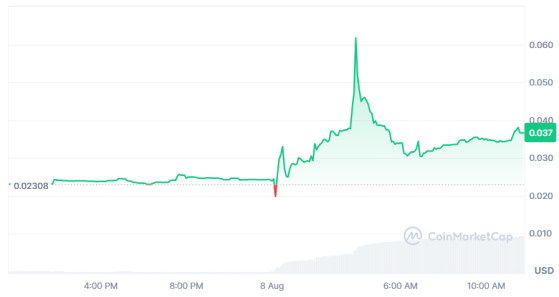
После новостей цена PAC взлетела более чем на 50% и достигла уровня $0,044, который в последний раз наблюдался в середине июля 2024 года.

Эксперты уверены, что переход Pacmoon на другой блокчейн поставит мемкоин в более выгодное положение, поскольку Solana уже завоевала репутацию успешной стартовой площадки для мемных токенов.

С другой стороны, PAC, а точнее, уже ARMY, придётся столкнуться с более мощными конкурентами. Например, с крупнейшим в сети активом dogwifhat, рыночная капитализация которого приближается к $1,7 млрд. В настоящее время капитализация PAC равняется $16 млн.

Читайте оригинальную статью на сайте Happycoin.club
Criptos en tendencia

Lecturas Relacionadas

Collateral Dollars: How Does a 'Second-Layer Dollar' Above Stablecoins Form?

Collateral Dollars: How Does a "Second Layer of Dollars" Form on Top of Stablecoins? Most assume stablecoins replicate Eurodollar functions, expanding the offshore dollar system. However, stablecoins primarily replace specific functions like operational dollar balances for settlement. They do not inherently create new dollar credit; they substitute existing claims. The key question is: what happens when financial intermediaries use stablecoins as collateral to create a new layer of dollar-denominated claims? This "collateral dollar" channel operates through secured lending, not direct money creation. A money-like event only occurs when a liability issued against the controlled stablecoin is funded, rolled over, or accepted at near-par value by another balance sheet. The discount (haircut) prices the gap between "effective control over the token" and "reliable convertibility to bank dollars." Elasticity stems not from the stablecoin itself but from the liability issued against it and the willingness of third-party balance sheets to treat that liability as a near-par asset. Compared to the traditional Eurodollar system—where elasticity originates from bank deposit creation—the stablecoin collateral chain is structurally different. Eurodollar deposits are credit-expansive from inception. Stablecoins are initially substitutive; elasticity emerges later if an intermediary's liability against them gains monetary acceptance. Stablecoins disrupt specific tiers of the offshore dollar system, mainly replacing operational settlement balances. They do not replace the need for full dollar balance-sheet capacity (credit lines, hedging, maturity transformation). For systemic impact, the second-layer liability must pass three tests: transferability, funding capacity, and monetary acceptance (being fundable or held at par by others). Pressure transmission also differs. In the Eurodollar system, stress moves up a hierarchy of claims. In a stablecoin collateral chain, the second-layer liability can lose its money-like status well before the underlying stablecoin faces a run, often triggered by haircut increases and margin calls that create a dynamic spiral of falling token prices and rising discounts. In conclusion, the "collateral dollar" is not the stablecoin itself. It is the second-layer liability issued against a controlled token balance that is willing to be funded and maintained at near-par value. Its existence depends on that liability surviving the leap from "token liquidity" to "bank dollar liquidity."

marsbitHace 1 hora(s)

Collateral Dollars: How Does a 'Second-Layer Dollar' Above Stablecoins Form?

marsbitHace 1 hora(s)

Trading

Spot

Artículos destacados

Cómo comprar BLAST

¡Bienvenido a HTX.com! Hemos hecho que comprar Blast (BLAST) sea simple y conveniente. Sigue nuestra guía paso a paso para iniciar tu viaje de criptos.Paso 1: crea tu cuenta HTXUtiliza tu correo electrónico o número de teléfono para registrarte y obtener una cuenta gratuita en HTX. Experimenta un proceso de registro sin complicaciones y desbloquea todas las funciones.Obtener mi cuentaPaso 2: ve a Comprar cripto y elige tu método de pagoTarjeta de crédito/débito: usa tu Visa o Mastercard para comprar Blast (BLAST) al instante.Saldo: utiliza fondos del saldo de tu cuenta HTX para tradear sin problemas.Terceros: hemos agregado métodos de pago populares como Google Pay y Apple Pay para mejorar la comodidad.P2P: tradear directamente con otros usuarios en HTX.Over-the-Counter (OTC): ofrecemos servicios personalizados y tipos de cambio competitivos para los traders.Paso 3: guarda tu Blast (BLAST)Después de comprar tu Blast (BLAST), guárdalo en tu cuenta HTX. Alternativamente, puedes enviarlo a otro lugar mediante transferencia blockchain o utilizarlo para tradear otras criptomonedas.Paso 4: tradear Blast (BLAST)Tradear fácilmente con Blast (BLAST) en HTX's mercado spot. Simplemente accede a tu cuenta, selecciona tu par de trading, ejecuta tus trades y monitorea en tiempo real. Ofrecemos una experiencia fácil de usar tanto para principiantes como para traders experimentados.

95 Vistas totalesPublicado en 2024.12.11Actualizado en 2026.06.02

Cómo comprar BLAST

Discusiones

Bienvenido a la comunidad de HTX. Aquí puedes mantenerte informado sobre los últimos desarrollos de la plataforma y acceder a análisis profesionales del mercado. A continuación se presentan las opiniones de los usuarios sobre el precio de BLAST (BLAST).

活动图片