可拉伸的“果冻”电池可以改变可穿戴设备和大脑植入物

币界网Publicado a 2024-07-18Actualizado a 2024-07-19

币界网报道:

两个研究小组独立开发了柔性电池,可以拉伸和变形而不会失去功能,这可能会彻底改变可穿戴技术和生物医学植入物的电源。

中国南京大学的一个团队创造了一种锂离子电池,其长度可达原始长度的5000%。研究人员表示,这为“可拉伸储能设备的开发开辟了一条新途径”

根据美国化学学会的一份报告,可穿戴或可植入设备需要灵活的电源,而之前的方法依赖于编织织物或“折纸”等折叠组件

报告指出:“对于真正具有延展性的电池,每个部分——收集电荷的电极和电荷平衡的中间电解质层——都必须是弹性的。”并补充说,使用液体也有挑战。因此,该团队开发了一种特殊的聚合物。

图片来源:南京大学

在他们的实验的简要总结中,该团队解释说,它使用乙二醇、甲基醚丙烯酸酯和银纳米线等材料来制造可以转移到柔性基板上的电极。他们还合成了一种优异的可拉伸聚合物电解质来制造电池,该电池表现出优异的机械性能和电化学性能。

研究人员观察到:“由于高电导率,电极可以在初始和100%应变状态下点亮LED。”。该团队分享了一张电池供电的LED在拉伸前后都保持点亮的图像。

虽然前景光明,但南京大学的原型目前可以在大约70次完全充电循环中保持健康,远低于标准锂基电池在性能退化开始前的300-500次循环。

报告总结道:“仍有改进空间,但这种制造完全可拉伸的固体电池的新方法可能是可穿戴或可植入设备向前迈出的有希望的一步,这些设备可以随着身体弯曲和移动。”。

灵感来自鳗鱼

与此同时,在英国,剑桥大学的研究人员发表了他们自己的柔性电源的研究结果,将其描述为“果冻电池”。这种方法的灵感来自电鳗鱼,模仿电鳗鱼的层状结构——能够导电的有机柔性组织。

主要作者Stephen O'Neill在一份新闻稿中说:“很难设计出一种既具有高拉伸性又具有高导电性的材料,因为这两种特性通常是相互矛盾的。”。

剑桥团队的电池利用水凝胶,这是一种含水量超过60%的聚合物三维网络。这些结构也可以拉伸并恢复原状,而不会失去功能。

该项目的研究论文写道:“在这里,我们合成了超分子聚离子网络,它具有高拉伸性(>1500%)、压缩性(>90%)和快速自恢复性。”。

由于化合物分子形成的可逆键,果冻电池的层粘附力很强。

图片来源:剑桥大学

该论文解释说:“超分子交联使分层试样在界面断裂之前能够伸长其初始长度的10倍以上。”。

团队负责人Oren Scherman是梅尔维尔聚合物合成实验室的教授兼主任,他与该大学工程系的O'Neill和George Malliaras教授合作。

Scherman在新闻稿中说:“我们可以定制水凝胶的机械性能,使其与人体组织相匹配。”。“由于它们不含金属等刚性成分,水凝胶植入物被身体排斥或导致瘢痕组织积聚的可能性要小得多。”

剑桥大学的研究小组建议,他们的果冻电池也可以植入大脑,用于输送药物或治疗癫痫等疾病。除了灵活性之外,水凝胶还表现出非凡的韧性,能够承受压缩而不会发生永久变形,并且在损坏时能够自我修复。

开发这些技术是全球优先事项。世界经济论坛将柔性电池列为2023年“十大新兴技术”之一。这些进步有望扩大可穿戴设备、物联网应用、柔性智能手机和脑机接口(BCI)等领域的可能性。

由Ryan Ozawa编辑。
Lecturas Relacionadas

Stripe Helps Revolut Issue a Euro Stablecoin

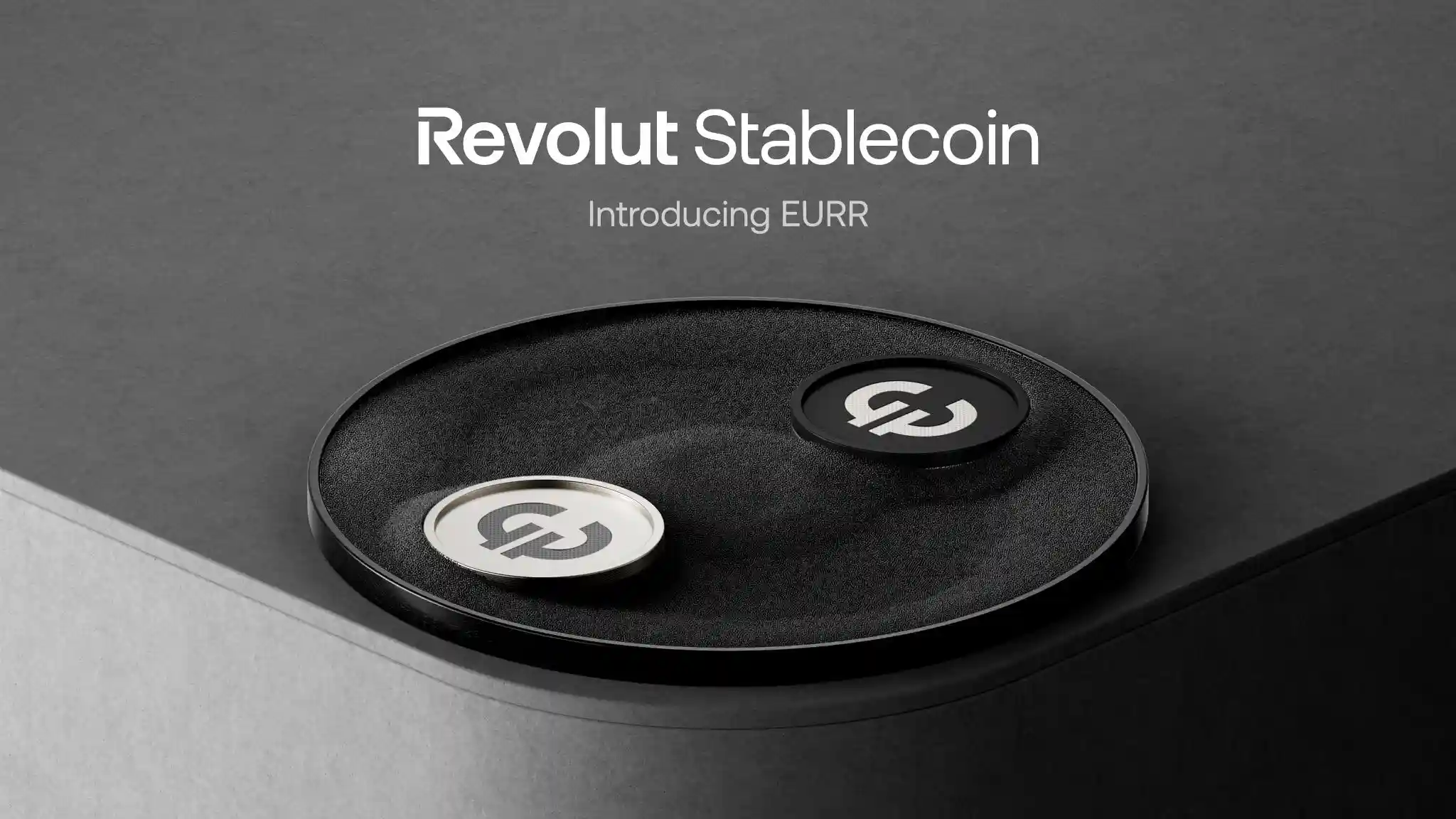
On August 26th, Revolut announced the rollout of EURR, a new euro-pegged stablecoin, to select users in Denmark, Poland, and Portugal, with plans to expand across the European Economic Area. The stablecoin, issued 1:1 against the euro on Ethereum and Polygon, is not issued by Revolut itself. Instead, it is issued by Bridge Building S.A., a Stripe-owned, Luxembourg-based electronic money institution licensed under the MiCA framework. This structure positions Revolut as the distribution channel for its over 80 million users, while Stripe/Bridge provides the compliant issuance infrastructure and reserve management. EURR's launch is essentially a cold start, with a circulating supply of only 374 tokens. It enters a euro stablecoin market dominated by Circle's EURC and Société Générale's EURCV, which itself is a tiny fraction of the massive dollar stablecoin market led by USDT and USDC. EURR's primary advantage is Revolut's vast user base, aiming to onboard retail banking customers to on-chain finance. However, its utility for the average Revolut user, who already enjoys fast euro transfers, remains tied to specific crypto-native use cases like DeFi. The launch coincides with Revolut's MiCA-driven phasing out of USDT for European users, positioning EURR as a compliant replacement. More broadly, the partnership highlights Stripe's strategy through its Bridge acquisition: building a "stablecoin-as-a-service" or "issuance-as-a-service" platform. Stripe aims to provide the compliant backend infrastructure—issuance, reserves, redemption—allowing other companies like Revolut to launch branded stablecoins easily, potentially reshaping the industry's competitive landscape from direct token competition to infrastructure services.

marsbitHace 9 min(s)

Stripe Helps Revolut Issue a Euro Stablecoin

marsbitHace 9 min(s)

U.S. Financial Risks Benefit Gold and Bitcoin! Record Capital Inflow Over the Last Five Trading Days! Here's All the Data

Concerns over U.S. fiscal prospects and growing government debt are driving investors towards both gold and Bitcoin. Over the last five trading days, a record $7 billion flowed into gold and Bitcoin ETFs. Approximately $3.4 billion entered the SPDR Gold Shares (GLD) fund, while BlackRock's spot Bitcoin ETF (IBIT) saw around $1.5 billion in inflows, placing both among the top ten U.S. ETFs by weekly capital inflow. Bloomberg notes the simultaneous strong inflows into both assets as particularly remarkable, a shift from past behavior where investors typically favored gold as a safe haven during market stress. Recent investor behavior has changed due to expectations of increased U.S. government borrowing, concerns about the dollar, and policies aimed at lowering long-term interest rates, boosting demand for assets with limited supply. The concurrent rise in the value of gold and Bitcoin indicates investors are turning to alternative assets to hedge against risks within the traditional financial system, especially amid heightened debates on U.S. debt sustainability. Experts suggest this strong ETF inflow may signal that institutional investors are increasingly viewing Bitcoin as a portfolio diversification tool similar to gold, though Bitcoin's high price volatility means the risk profiles of the two assets remain significantly different.

cryptonews.ruHace 10 min(s)

U.S. Financial Risks Benefit Gold and Bitcoin! Record Capital Inflow Over the Last Five Trading Days! Here's All the Data

cryptonews.ruHace 10 min(s)

Tokenized Deposits Could Raise US Lending Costs: Dallas Fed Economists

Tokenized deposits could increase U.S. lending costs and make bank funding less stable, according to an analysis by Dallas Fed economists. Rosy Leigh and Sreeni Ramaswamy note that instant settlement capabilities, programmable deposit tokens, and AI could allow depositors chasing higher yields to move funds faster between banks, reducing deposit tenures and increasing their sensitivity to interest rates. The economists estimate that a 10% increase in deposit rate sensitivity could reduce banks' capacity to hold long-term loans by around $700 billion over a ten‑year equivalent. A 10% reduction in deposit tenures could lower capacity by about $580 billion. These scenarios do not imply a direct, proportional cut in lending but highlight potential pressures. U.S. banks are developing blockchain networks for moving tokenized deposits around‑the‑clock while keeping funds within the regulated banking system. Thirty‑nine state banking associations recently formed the BankChain alliance to build a nationwide network, while The Clearing House is developing a separate network with major banks. Institutions like Standard Chartered and HSBC have also tested cross‑border tokenized deposit transactions via blockchain. Banks may respond to more volatile deposits by holding more liquid assets (like reserves and Treasuries) or relying more on wholesale debt—which would likely raise borrowing costs for consumers and businesses. The authors cite Brazil's Pix instant payment system as a comparative example, where increased use raised bank liquidity holdings and reduced credit intermediation.

cryptonews.ruHace 12 min(s)

Tokenized Deposits Could Raise US Lending Costs: Dallas Fed Economists

cryptonews.ruHace 12 min(s)

Trading

Spot
活动图片