IoTex 2.0 如何推动DePIN革命?

币界网Publicado a 2024-07-18Actualizado a 2024-07-18

币界网报道:

来源:陈剑 来源:X,@jason_chen998

全流通的Depin龙头IoTex发布2.0版本

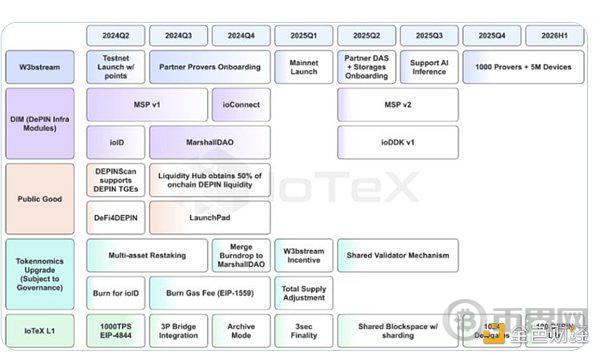
今天,作为全流通的Depin龙头,IoTex正式发布了2.0版本。距离1.0版本的发布已经过去了整整7年,新版本的白皮书内容丰富,体现了团队强烈的做事意愿。如下图Roadmap所示,2.0版本的主要基调是将原本的一个物联网Layer1公链彻底升级为一整套Depin解决方案与开放平台体系,也符合本次2.0的理念“属于所有人的AI和DePIN”。尽管表面上看起来只是像OP一样支持了在IoTex之上搭建Layer2,但具体的改进远不止这些,主要包括四部分:W3bstream、DIM、Public Good、经济模型。
W3bstream:链下计算与认证

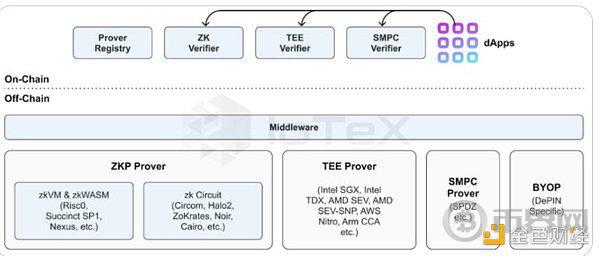
作为Depin公链,最主要的职责是确保链下的众多设备的工作量是真实可信的,并及时上传至链上完成认证与奖励分发。W3bstream号称世界上第一个去中心化的链下计算网络,通过ZK、全同态加密、可信执行环境、多方计算实时生成现实世界活动证明,并将这些证明发布到链上,从而奖励设备的持有者。为了实现计算的快速性,IoTex最新发表的论文将ZKP的性能提升了30%,成为世界上最快的zkSNARK证明器。W3bstream还可以用于链下AI计算并确保计算过程的可信度,构建AI数据集,在这一点上与AO的位置相似。除此以外,还需要确保链上钱包与链下设备的一致性,和硬件设备接入的统一性,这在后续的DIM中也有相应解决方案。
DIM:模块化基础设施

DIM(Depin Infra Modules)通过一系列模块化的方式为Depin项目提供开箱即用的能力,首先包括MSP模块化安全池,打造Depin基础设施的统一可信层,从而让L2更快速地启动。由于Depin同时包括大量链上与链下的内容,需要从头构建自己的去中心化架构以提升可信度。MSP可以理解为Depin领域的Eigenlayer,包括三个角色:DIM的构建者、质押者和验证者。其中,构建者最为重要,即第三方开发者为Depin打造的数据流、处理、存储、自动化等模块。MSP提供了贿选机制,确保质押者可以从中获得足够的激励。

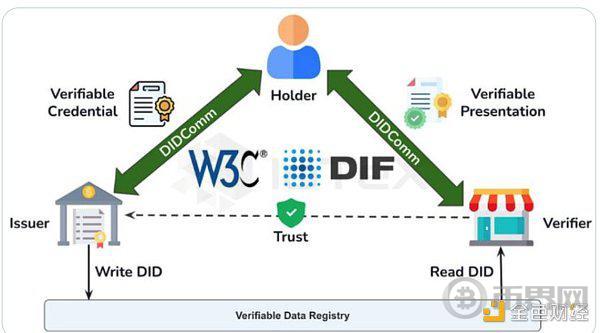
ioID的存在同样是为了解决Depin领域同时出现大量链上地址与链下设备交互时产生的身份不一致问题。ioID使用钱包地址作为链上身份,DID作为链下身份,并将其进行映射关联。链下设备的身份认证是一个难点,因为设备种类繁多。在ioID中,Depin设备可以通过集成IoTex的SDK直接在设备内即时生成DID,即为每个设备创建一个NFT。用户通过MetaMask登录网站,存入最低10个IOTX Token作为设备启动过程中的Gas费,在设备生成好DID后,网站上读取到对应的DID并进行绑定注册,从而实现链上与链下的关联。
ioConnect:通用嵌入式SDK

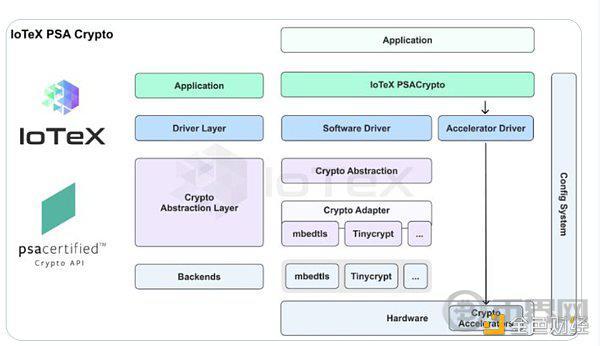
ioConnect是一个通用嵌入式SDK,用于消除Depin硬件设备的复杂性。尽管ioID可以为各种不同类型的硬件生成DID,但硬件设备和芯片种类繁多、标准不统一的问题依然存在。为此,IoTex开发了更通用的标准SDK,易于硬件设备接入联网。
ioDDK:构建L2应用链

在DIM的最后是ioDDK,允许Depin项目基于IoTex之上搭建L2应用链,并继承IoTex的安全性。IoTex上线这些年里,没有发生过一起宕机事故或黑客盗窃事件。

除了DIM提供的模块化组件外,IoTex在Public Good领域也提供了DePinScan,用于让用户、矿工和投资者监控Depin项目的增长情况,从而发现早期项目。DePin Liquidity Hubs是一个专门用于Depin Token的Dex,为早期Depin项目提供流动性。

经济模型:通胀与通缩机制

最后是经济模型的调整。在2.0版本中,IoTex同时具备通胀和通缩机制,形成动态的平衡对冲。在通胀方面,IoTex的质押节点将收到对应的Token作为奖励。同时,IoTex在2.0中引入了类似于以太坊的Gas燃烧通缩机制,使用ioID为设备创建链上身份时也需要销毁一定数量的Token。如果IoTex网络能够在业务层面实现良好的增长,则会形成一个正向飞轮,使用的人越多,Token销毁的数量也越多。

Lecturas Relacionadas

When Real Estate Ownership Goes Digital: What Happens to Your Rights, Risks, and Liquidity?

"Tokenizing Real Estate: Rights, Risks, and the Path to Liquidity" While tokenizing real-world assets (RWA) gains traction, real estate presents unique complexities. Beyond technical token issuance, critical challenges remain: enforcing legal rights, managing the underlying physical asset, and creating genuine secondary market liquidity. This article explores these issues through OneAsset, a Dubai-based commercial real estate (CRE) tokenization platform. OneAsset moves away from simply offering asset fragmentation. Instead, it focuses on institutional-grade infrastructure, prioritizing asset quality, legal enforceability, and operational fundamentals. Each property is held in an independent, single-asset vault, backed by a legally separate Special Purpose Vehicle (SPV) for bankruptcy remoteness. Investors acquire tokens representing the economic rights to a specific property, with precise legal claims defined by the underlying SPV structure. OneAsset emphasizes that tokenization cannot transform a poor-quality asset. Its initial focus is on institutional investors and quality Dubai-based CRE, selected for stable tenant cash flows and a clear regulatory environment. The platform integrates compliance by design, aiming to embed investor qualification and transfer rules directly into the token architecture. A core insight is that asset fragmentation does not automatically create liquidity. True liquidity depends on the asset's inherent quality—its location, cash flow, and valuation—as well as sufficient buyer demand. The goal is not just tradability, but making real estate rights more easily priced, verified, and reallocated. Looking ahead, the article discusses the potential for "AiFi" (AI-powered finance). For AI agents to autonomously allocate capital, investment assets like real estate tokens must become truly "machine-readable." This requires a high degree of standardization in legal rights, valuations, cash flows, and compliance data—a direction OneAsset is pursuing through its structured data reporting. In conclusion, real estate tokenization is shifting from a technology narrative to a focus on asset fundamentals. Blockchain can enhance efficiency and programmability, but it cannot replace sound underwriting, property management, or legal execution. The real work begins after the asset is on-chain.

marsbitHace 15 min(s)

When Real Estate Ownership Goes Digital: What Happens to Your Rights, Risks, and Liquidity?

marsbitHace 15 min(s)

After Affecting Two Generations, Meta Ordered to Pay $18 Billion in Damages

After more than two decades, a legal parallel has emerged. In 1998, major U.S. tobacco companies settled for $206 billion, leading to strict advertising bans and warning labels that significantly reduced smoking rates. On August 26, 2026, Meta reached a landmark settlement with U.S. attorneys general, agreeing to pay up to approximately $18 billion and implement mandatory changes to Facebook and Instagram. This historic settlement, one of the largest against a tech company, stems from allegations that Meta deliberately designed addictive features like infinite scroll and push notifications, harming youth mental health and violating child privacy laws. Facing a potential $1.4 trillion lawsuit and a series of unfavorable jury verdicts, Meta chose to settle on the eighth day of trial to avoid a catastrophic ruling. The core of the agreement is not just the financial penalty, which Meta will pay over 10 years, but a series of strict, 10-year product mandates for young users. These include a hard two-hour daily time limit (combined across apps), a default "nighttime block" from midnight to 6 AM, restricted notifications during school hours, hidden "like" counts, an optional non-algorithmic feed, and stronger age verification. An independent auditor will monitor compliance. Crucially, roughly 30% ($5.3 billion) of Meta's payment is contingent on YouTube and TikTok adopting similar measures and paying around $5 billion each. This move aims to create an industry-wide standard and prevent Meta from being competitively disadvantaged. The settlement is being likened to Big Tobacco's "tobacco moment." By legally framing addictive algorithm design as a "public nuisance," it sets a powerful precedent. Nearly 3,000 similar cases are pending against other social media giants, signaling a fundamental shift in regulatory pressure. The era where platforms could deny the addictive impact of their designs on children is effectively over.

marsbitHace 21 min(s)

After Affecting Two Generations, Meta Ordered to Pay $18 Billion in Damages

marsbitHace 21 min(s)

Trading

Spot
活动图片