Roaring Kitty再复出?哪些GME概念Meme值得关注

Odaily星球日报Publicado a 2024-06-03Actualizado a 2024-06-03

Resumen

新瓶装旧酒,名人效应老套路。

原文作者:深潮 TechFlow

大玩家又回来了。

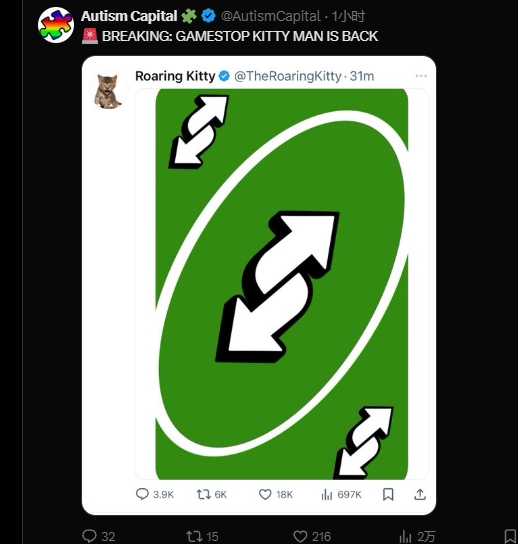
在沉寂了半个月后,做多游戏驿站股票一战成名的 Roaring Kitty今天在推特上发布一张 UNO 卡牌游戏中的「翻转牌」。
Roaring Kitty再复出?哪些GME概念Meme值得关注

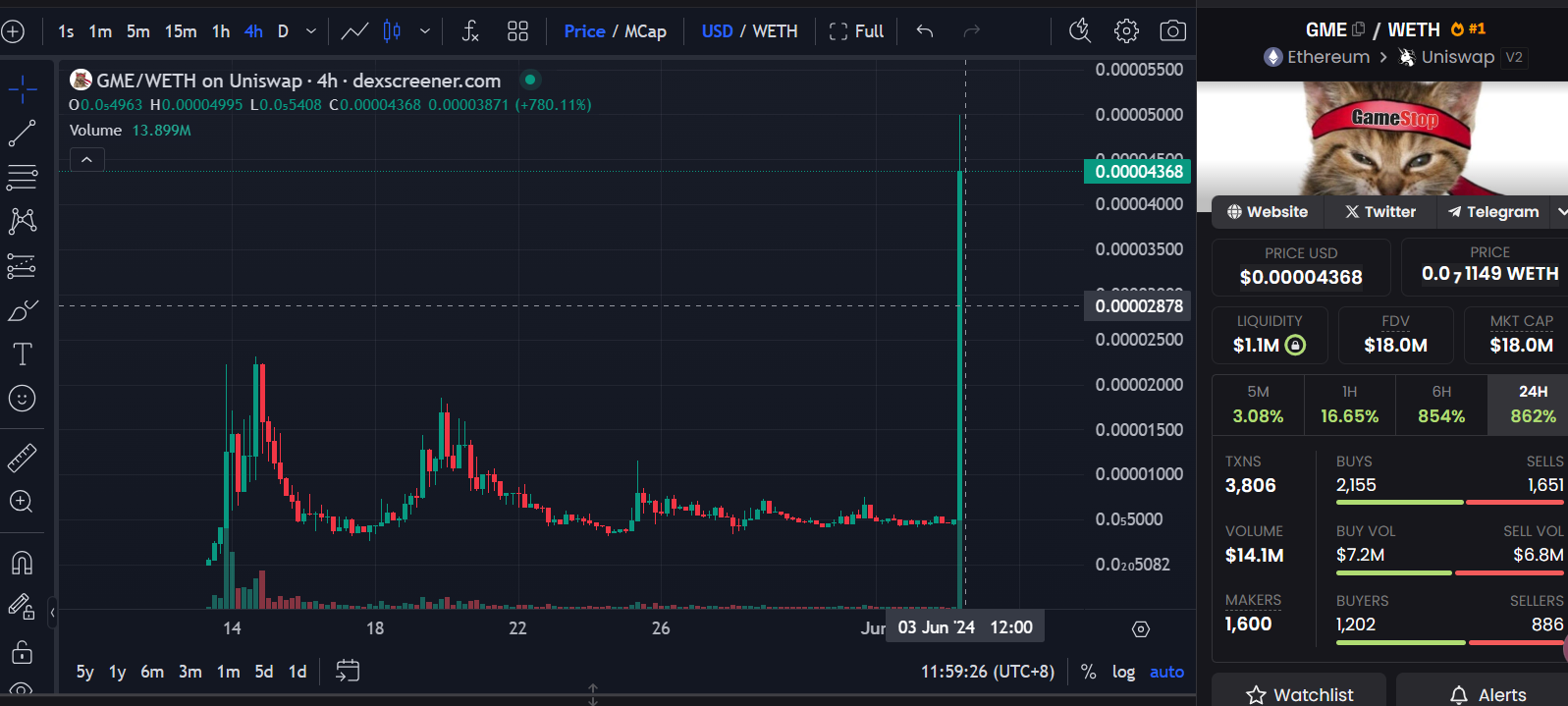
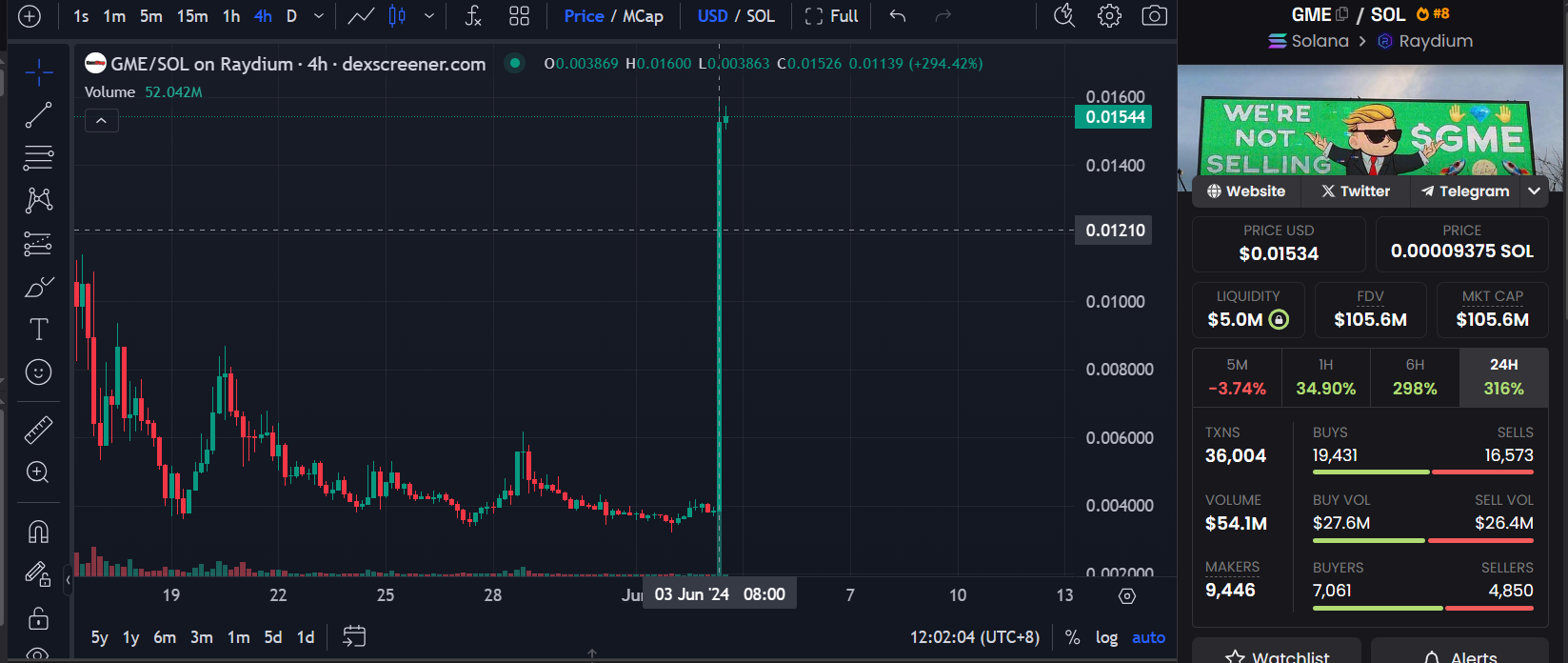
不管这条推文到底有何暗示 or 明示,由于 Roaring Kitty 个人形象已经和 Wall Street Bets Themed 这一概念深度绑定,此条推文一出,游戏驿站股票$GME 的 Solana 链同名代币$GME 短时上涨接近 300% ,而在 ETH 链的$GME 更是飙升近 800% 。
Roaring Kitty再复出?哪些GME概念Meme值得关注Roaring Kitty再复出?哪些GME概念Meme值得关注

新瓶装旧酒,名人效应老套路?

在上个月 Roaring Kitty 时隔三年首次发推,随之引发$GME 和同名代币大爆涨,在此期间 Roaring Kitty 不断地在推特发布各种不同的影视片段。

即使是此般看上去不知所云的表达却同样引起人们的 fomo,Roaring Kitty 在推特发出的每一条短片几乎都有同名的 memecoin 跟风炒作。

对于 Roaring Kitty 本人来说或许只是一时兴起地表达,但对于韭菜们来说却不能不在意,毕竟每条推文都可能是未经发掘的金矿。

与名人自身概念强关联的标的拉盘,这种事看着离谱,但对币圈玩家来说,早已见证了市场一波又一波的爱屋及乌。

马斯克通过推文多次表达对$DOGE 的喜爱之后,$DOGE 的价格貌似就与他的一言一行强绑定了。

在 21 年马斯克每一次提到 Dogecoin,随之而来的就是$DOGE 巨大的泵,屡次不爽。此般造富效应的影响力像雪球一样越滚越大,甚至到后来对于马斯克推文的监控已经到了卷毫秒级。

时至今日,马斯克依然是币圈的顶流,市场上仍有无数双眼睛紧盯他的每一条推特,期待能从某条推文中出现财富密码。

Roaring Kitty再复出?哪些GME概念Meme值得关注

之前炒作的“创始人与小动物”概念也是如此,V神的猫、Solana 创始人 Toly 的龙、Ploygon 创始人 Sandeep 的宠物象等等......

致使人们的趋之若鹜的必然不是可爱的小动物本身,宠物板块炒作的本质还是名人影响力的下沉。

名人自身的影响力吸引人们对标的 meme 炒作的目光,再加之部分名人自身也主动为 meme“带货”,就像油罐上的火星,遇之即燃。

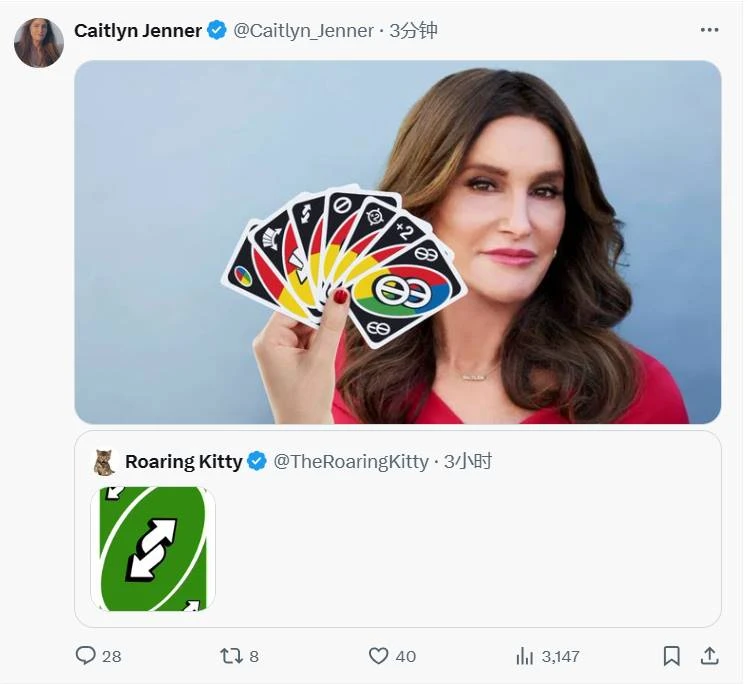
当然作为影响力本身的名人们自是深谙其道,上周爆火的$Jenner 币原型Caitlyn Jenner蹭热点的速度也是相当快:
Roaring Kitty再复出?哪些GME概念Meme值得关注

哪些 GME 概念 Meme 值得关注?

同名股票代币

$GME

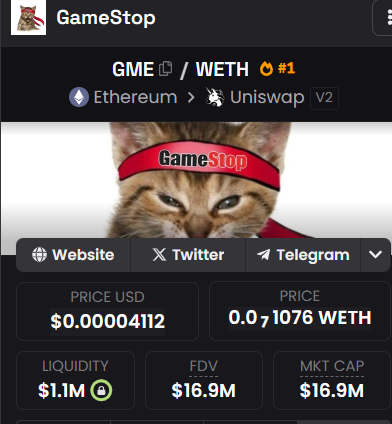
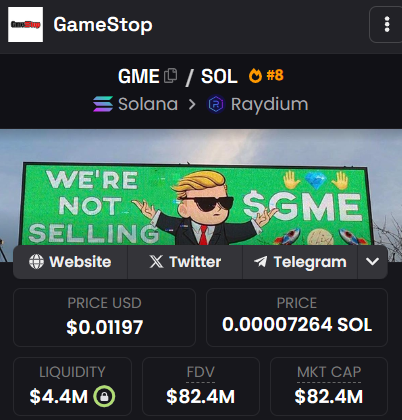
两个游戏驿站股票的同名代币$GME 是当前最火标的:
Roaring Kitty再复出?哪些GME概念Meme值得关注Roaring Kitty再复出?哪些GME概念Meme值得关注

$AMC

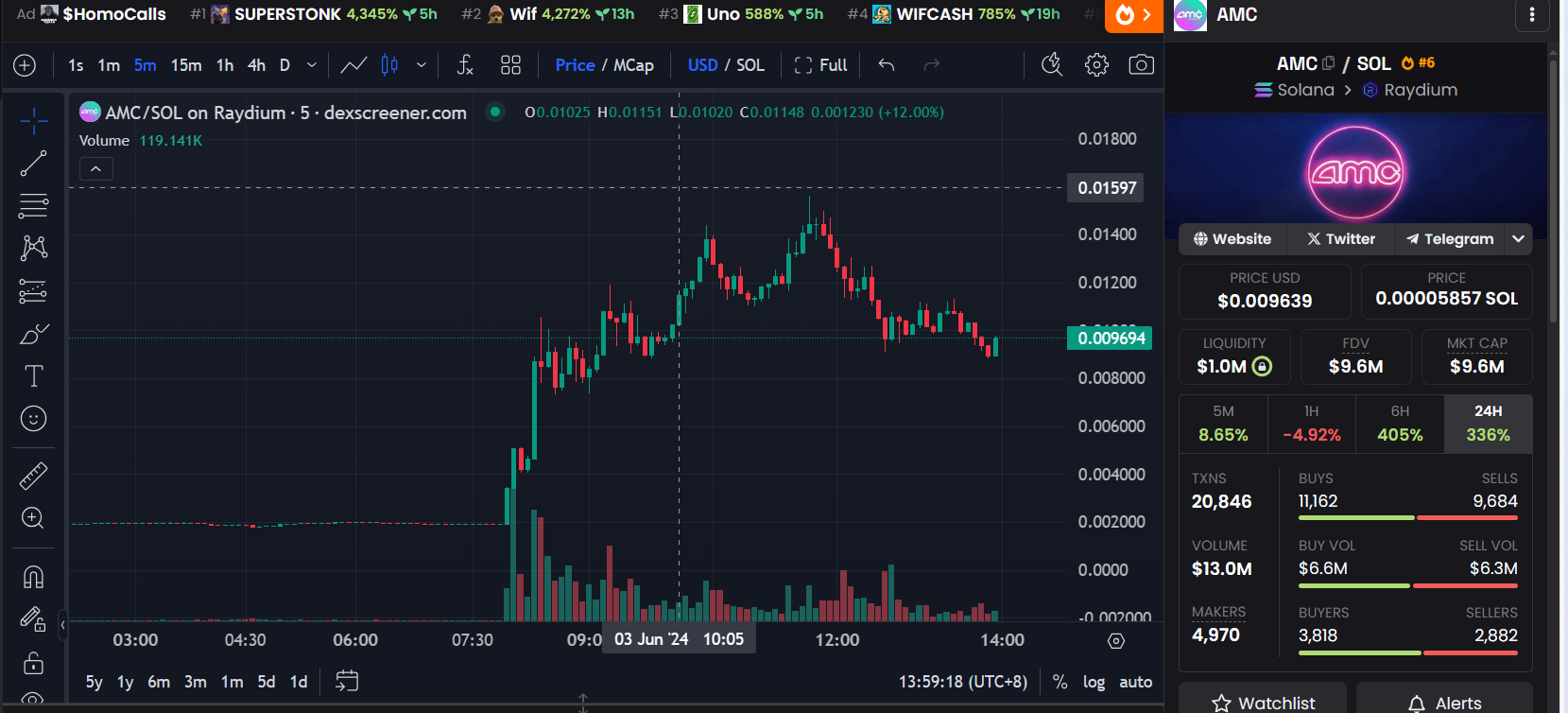
和$GME 的叙事类似,$AMC 也是美股$AMC 的同名代币,作为北美最大影院的$AMC 也是北美散户热衷炒作的标的,从价格表现看$AMC 也明显受到 Roaring Kitty 的推文影响,拉升接近 700% 后回落。
Roaring Kitty再复出?哪些GME概念Meme值得关注

人物同名代币

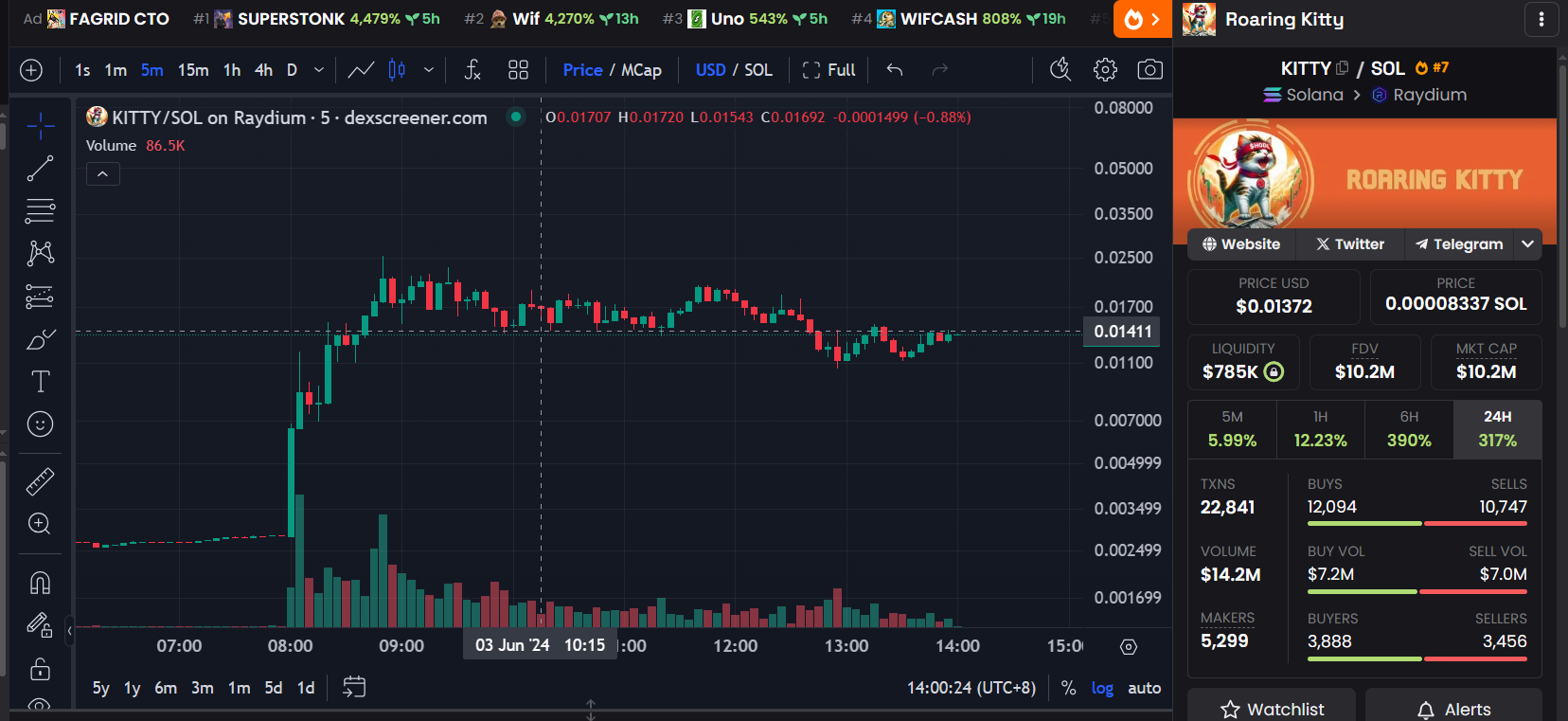
$Kitty是 Roaring Kitty 的同名代币,在 5 月 Roaring Kitty 时隔三年首次发推后旋即暴涨,今天也随着 Roaring Kitty 的新动态拉升将近 1000% 后回落。
Roaring Kitty再复出?哪些GME概念Meme值得关注

Wall Street Bets 概念

$WSB 与$WSM

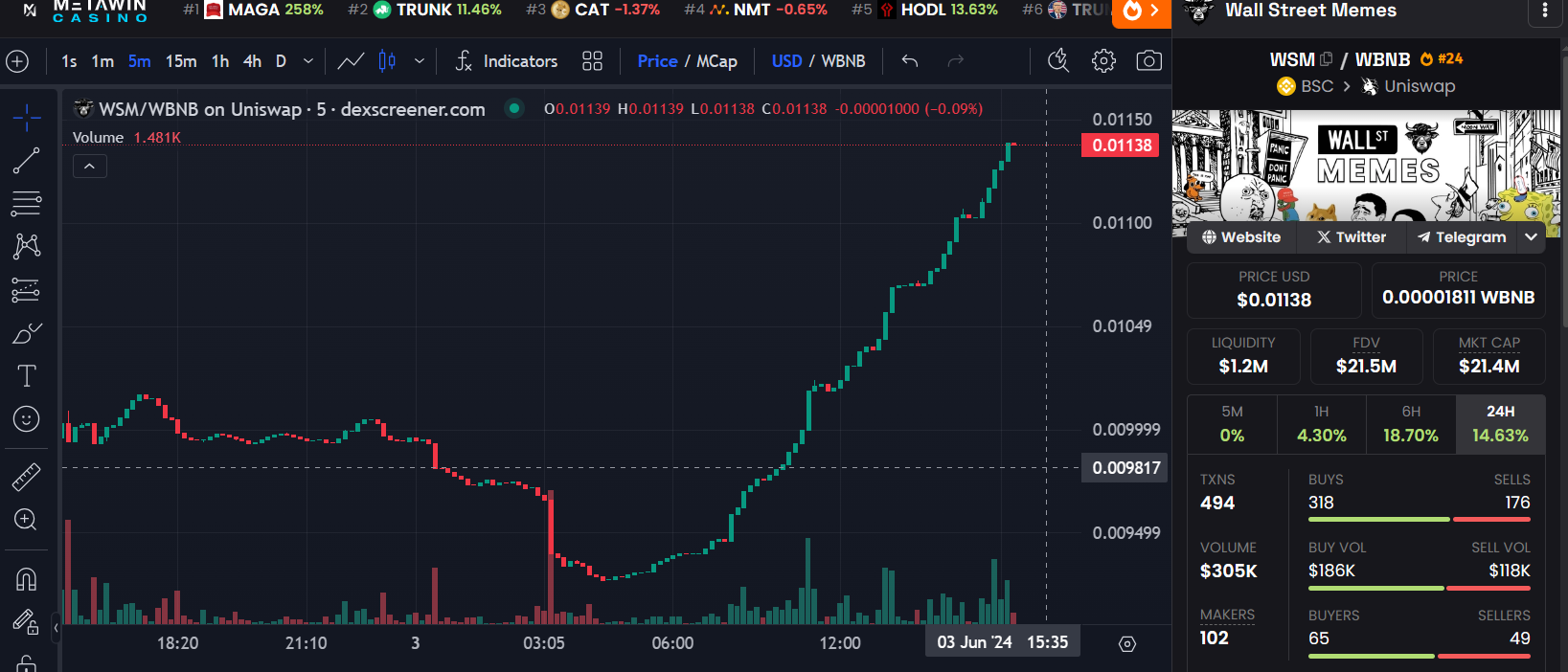
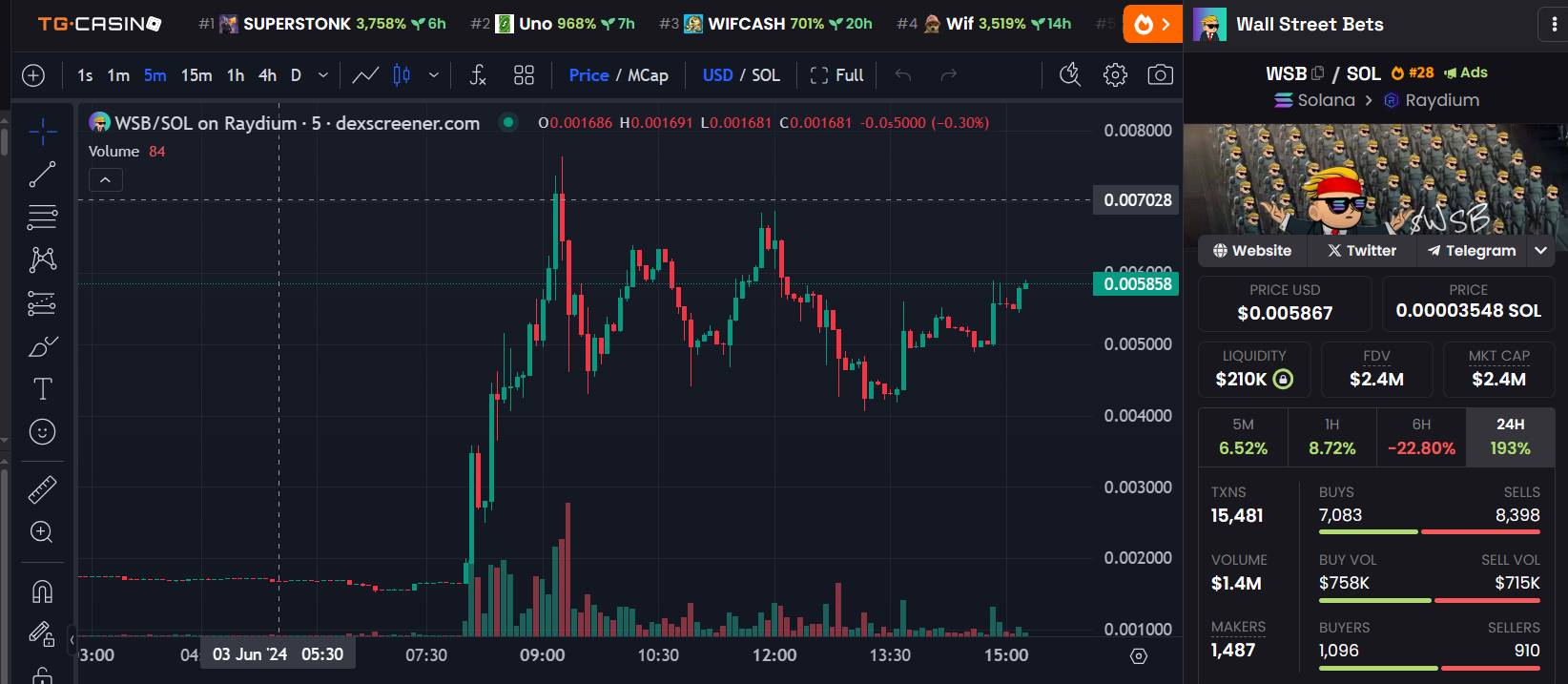
还有直指华尔街赌注主题的$WSB 与$WSM
Roaring Kitty再复出?哪些GME概念Meme值得关注

Roaring Kitty再复出?哪些GME概念Meme值得关注

可见现在市场的需求越来越简单粗暴了,注意力经济的财富效应一次又一次地碾压纯基本面党,大家都需要自己的投入掷地有声,一则消息就能直接拉盘那是再好不过,所以现在 Roaring Kitty 的一张图片就能轻松推动上亿美元的资金流动。

马斯克的狗,V神的猫,Kitty 的 GME,其实一切都没变过......

注意力就像名人手中的令旗,只需伸手轻轻一挥,散户们说是召之即来也不为过。

只是注意力也有保质期,市场更愿意为不断涌现的新热点买单,即便这个新热点只是换了张皮的老故事。

Roaring Kitty 这次“复出”是否只是他的一时兴起还仍未可知,但可以确定的是加密市场永远不缺新鲜的热点和甘愿为热点买单的拥趸。
原文链接

Lecturas Relacionadas

What to Watch for as Walsh Takes the Stage at Jackson Hole?

Fed Chair Kevin Warsh is set to speak at the Jackson Hole symposium at a critical juncture for U.S. monetary policy. With inflation still above the 2% target, long-term Treasury yields near 2007 highs, and fiscal interventions adding complexity, investors seek clarity on how the Fed will navigate conflicting priorities. The core challenge extends beyond potential rate signals. Warsh’s communication style, which avoids detailed forward guidance, has created a market "uncertainty premium." Investors, lacking a clear framework, demand higher compensation for risk, impacting bond yields and global borrowing costs. Meanwhile, the Treasury’s recent expansion of long-term bond buybacks—aimed at improving liquidity—has blurred the lines between monetary policy and debt management, raising questions about the Fed’s independence amid political pressure to lower financing costs. Warsh appears willing to let elevated long-term yields do some of the tightening work traditionally done by short-term rates. While this approach has logic, it risks undermining policy credibility if markets perceive the Fed is accommodating political goals. The key test at Jackson Hole is whether Warsh can outline a coherent, testable policy framework that explains how the Fed will achieve its inflation target, assess the role of long-term rates, and maintain its operational independence. Absent this, market uncertainty and the associated premium are likely to persist.

marsbitHace 10 min(s)

What to Watch for as Walsh Takes the Stage at Jackson Hole?

marsbitHace 10 min(s)

One Vote Could Make SOL's Daily Burn Rate Soar 14 Times

Solana's first formal on-chain governance vote concluded on August 27th, coinciding with SOL hitting a yearly high. Three key proposals aimed at reshaping the network's tokenomics were decided. Solana's core challenge is a massive usage-to-value capture gap. Despite processing 120x more transactions than Ethereum and leading in DEX volume, its fee revenue is significantly lower due to its fee structure. Currently, most fees (priority fees) go to validators, with only a small base fee partially burned. This results in high net inflation (approx. 6k SOL issued vs. ~650 burned daily). The three proposals seek to address this: **SGP-0001** establishes the formal governance framework. **SGP-0002** (Double Deflation Acceleration) proposes doubling the annual reduction rate of new SOL issuance from 15% to 30%, aiming to reach the terminal inflation rate by 2029 instead of 2032, reducing issuance by an estimated 18.9 million SOL. **SGP-0003** (Resource & Entry Fee Restructuring) would split the base fee into a fixed "entry fee" for block producers and a variable, fully burned "resource fee." This could increase daily SOL burns by ~14x to 7,500-9,000. Major stakeholders like Helius, Jupiter, and Jito support the changes. However, opposition exists, notably from Solana Company (HSDT), whose revenue is 99.4% from staking. They argue rapid changes could disrupt institutional adoption. Critics also highlight a potential conflict where validators can vote against reduced staking yields using delegated SOL without explicit voter consent. The outcome of these votes provides a directional mandate. If passed, they represent a significant step towards aligning Solana's immense network activity with tangible economic value for SOL holders.

marsbitHace 29 min(s)

One Vote Could Make SOL's Daily Burn Rate Soar 14 Times

marsbitHace 29 min(s)

Chinese Venture Capital Is Shifting from 'Selecting People' to 'Selecting Cities'

Chinese Venture Capital: Shifting from "Picking Founders" to "Picking Cities" The article discusses a significant shift in China's venture capital (VC) landscape. Historically, VC investments heavily focused on the individual founder's vision, track record, and capability, as seen in early internet-era successes like Wang Xing (Meituan), Li Bin (Nio), and Li Xiang (Li Auto). The belief was that betting on exceptional people was the key to success. However, the rise of hard tech startups—in fields like semiconductors, robotics, AI, and biotech—has changed this calculus. These industries depend heavily on deep, localized ecosystems: specialized talent pools, established supply chains, manufacturing bases, and application scenarios. A city's industrial "resume" now significantly impacts a startup's chances. Examples include Shenzhen's dominance in robotics, Beijing's concentration of AI firms, Suzhou's biotech cluster, and Hefei's successful bet on semiconductor giant ChangXin. This shift is further driven by changes in funding sources. Government-guided funds and state-owned capital now dominate VC limited partners (LPs). These "patient capital" investors prioritize local economic development, job creation, and industrial chain growth alongside financial returns. Their early bets signal viability to other investors. Ultimately, the VC logic remains about managing risk and increasing the odds of success. In the hard tech era, a supportive city ecosystem provides crucial resources—talent, suppliers, R&D, and policy stability—that a single founder cannot easily assemble. The investment due diligence process has thus expanded from evaluating just the founder to also evaluating the founder's city. Consequently, capital is concentrating in a few regions with strong, focused industrial foundations, challenging other cities to build compelling, credible ecosystems to attract investment.

marsbitHace 1 hora(s)

Chinese Venture Capital Is Shifting from 'Selecting People' to 'Selecting Cities'

marsbitHace 1 hora(s)

Trading

Spot
活动图片