如何看待OP Stack的可定制化Gas Token?

Odaily星球日报Publicado a 2024-06-03Actualizado a 2024-06-03

Resumen

Gas Token是支撑起Layer2独立经济体的关键。

原文作者:Haotian

最近关于 layer 2 未来趋势的讨论比较多,大方向 @VitalikButerin 已经定调了:一个以 layer 2-Centric 为重心的多元化生态系统(潜台词:layer 2 孩子们得自我拼搏了,以太坊奶爸已经带不动了),而 Gas Token 正是支撑起 layer 2 独立经济体的关键。接下来,简单说说看法:

1)以 ETH 代币为 layer 2 二层的 Gas Token 和依赖以太坊主网 DA 能力等一度被视为 laye 2 是否具有「正统性」的关键,如今专属 DA 领地已经被攻破,Gas Token 的地位也出现动摇了。layer 2 正脱离原先附属于以太坊主网的预设扩展路线,成为更加自主、灵活且更像「独立公链」的路线。

DA 功能性脱离是因为 OP Stack 提供了「一键发链」的基础,很多偏好低成本的开发者会选择以太坊之外的 DA 组件服务;Gas Token 脱离则是因为以太坊 layer 2 生态经济体陷入了「增长乏力」的窘境,需要原生 Token 的筑底激励。

2)最先以 layer 2 原生代币为 Gas Token 的是 @Metis L2,作为一个以太坊新锐 layer 2 项目,Metis 一直都不走寻常路,比如,搞去中心化 Sequencer、做混合 Rollup、以 $METIS 为原生 Gas Token 等。现在回过头来看,Metis 这些路似乎正逐渐趋向「寻常」起来。

事实上,从目前 Metis 主网 TVL、交易费、DApp 应用部署等数据情况来看,当去中心化 Sequencer 上线,LSD Staking 挖矿机制上线,LRT 再质押平台涌现,Metis 的原生 DeFi 经济体就表现出很强的增长后劲。

显然,和 Metis 已经践行的路线别无二致,OP Stack 推出可定制化 Gas Token 目标也正是基于自主 Token 来激励生态,比如:补贴平台应用的交易运维成本,补贴用户的交易费用、捐赠或给 Grant 来激励开发者布局生态等等。这些都是自主的 Gas Token 会有的优势。

3)很多人担心,layer 2 都使用各自的 Gas Token,ETH 的应用场景就少了,layer 2 对以太坊主网的「赋能」价值就少了,其实,这种顾虑大可不必。

因为,只要 layer 2 要 batch 交易到主网,就要以 ETH 作为结算代币。只有 layer 2 自身的经济系统被盘活之后,大量的 Batch 交易和结算行为产生,以太坊主网才能真正受益,而并非简单的让 $ETH 作为 Gas Token 在 layer 2 消耗掉为目标,做大用户基数和交易量,靠自身的 Gas Burn 销毁来岂不更有效?

换个角度看,让原生 ETH 流入 layer 2 来流通,需要走跨链桥,用户得到也只是一个 Wrapped 版本的 ETH,这时的 ETH 很难被作为绝对信誉资产为 layer 2 的借贷等 DeFi 协议产生价值,毕竟多了一层跨链强信任成本,用户显然更偏好在主网进行这类 DeFi 交互。

而如果以 layer 2 的自身的 Gas Token 为主要流通介质就未必了,像 Metis 一般,给去中心化 Sequencer 激励,给 DeFi 项目额外补贴,让 Seuquencer 的挖矿和 DeFi 产生飞轮效应等等。无论怎么看,做独立 layer 2 的 Gas Token 似乎成了盘活 layer 2 生态系统的必然选择。

4)以太坊自坎昆升级后,Rollup layer 2 们能得到以太坊主网奶爸的扶持就已经「到位」了。一方面,坎昆升级后的 DA 成本确实下降了很多,Blob 空间的使用负载和费率目前都还在可控范围内,甚至潜能还没挖掘到最大;另一方面,以太坊分片升级对 Rollup 带来的增益效果会很弱,更远期 ZK-SNARKs 和以太坊 DAS 以及轻客户端等也很难直接利好 layer 2 。

layer 2 不可能再通过主网升级预期来给自己加增长预期 Buff 了。layer 2 们到了背水一战,争取一切有利条件自主、灵活、多元发展的转折时刻了。

在我看来,这才是 Vitalik 探讨 layer 2 多元化系统的真正目的,未来的以太坊 layer 2 只有走出功能和商业模式差异化,探索出一条自驱动的增长生态系统,才能真正不掉队成为以太坊大生态的一部分。单纯靠吸血主网和短暂的治理代币激励刺激,而本身无任何内核增长驱动力的 layer 2 发展路线注定难以为继。

Criptos en tendencia

Lecturas Relacionadas

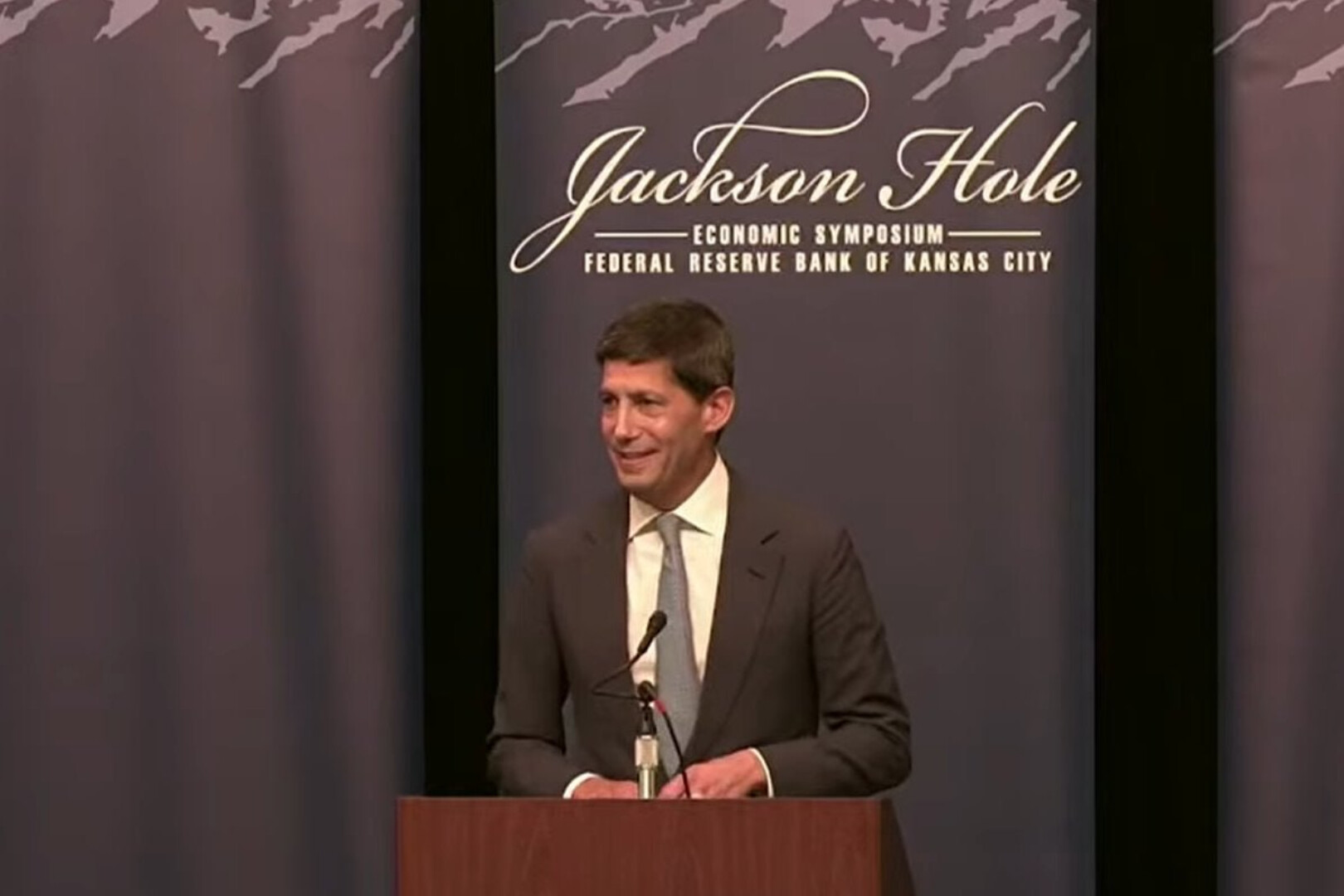
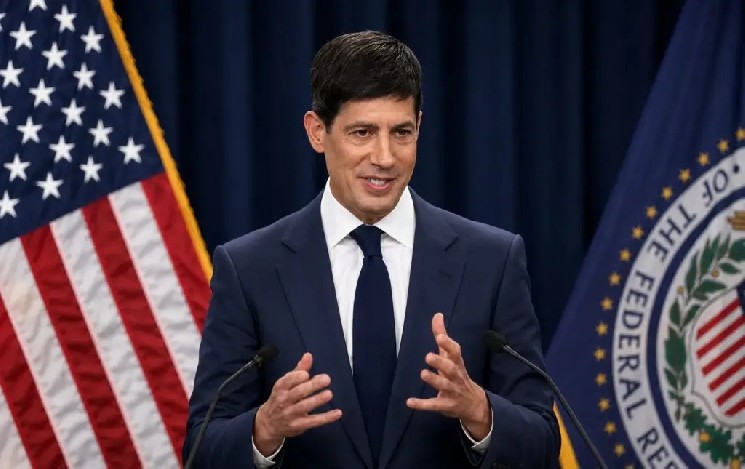
Wash's Jackson Hole Debut: Bidding Farewell to 'Forward Guidance', Reshaping Fed Discipline Amidst the Squeeze Between AI and Inflation

In his first Jackson Hole speech, new Fed Chair Kevin Warsh signaled a significant shift in monetary policy communication. He declared that "forward guidance," a tool heavily used since the financial crisis, has outlived its usefulness in normal times and should be retired. He cautioned that over-reliance on it can distort market signals and constrain the Fed's flexibility. Instead, Warsh emphasized a return to data-dependence and decision-making discipline. Warsh outlined seven key principles to guide policy: anchoring the 2% inflation target, pursuing the employment mandate, using short-term rates as the primary tool, acknowledging the importance of money, and maintaining purposeful, restrained communication. He stressed that policy should focus on trends, not single data points. On the current economic outlook, Warsh noted that the labor market is consistent with full employment but inflation remains "far above" the Fed's target. He highlighted that over half of the PCE basket's components are still rising above 3% annually. While acknowledging AI's transformative potential for productivity and capital allocation, he admitted its full economic impact remains uncertain and is not a factor in current policy decisions. His core message was a commitment to policy discipline rather than pre-set decisions. Warsh stated the Fed's primary focus must be on restoring price stability, vowing, "We still have work to do," until there is clear evidence inflation is moving decisively toward 2%. He concluded by framing effective monetary policy as crucial for economic prosperity and U.S. global leadership.

Odaily星球日报Hace 33 min(s)

Wash's Jackson Hole Debut: Bidding Farewell to 'Forward Guidance', Reshaping Fed Discipline Amidst the Squeeze Between AI and Inflation

Odaily星球日报Hace 33 min(s)

A Major Bitcoin Developer Presents a Quantum Defense Scheme. What's the Essence

Blockstream, a major Bitcoin solutions developer, has introduced a draft proposal for a new quantum-resistant digital signature scheme called SHRINCS. The scheme aims to protect Bitcoin transactions from potential attacks by quantum computers while aiming to maintain network throughput. This marks the second technical proposal for Bitcoin quantum defense in recent days, following a similar initiative from StarkWare. A quantum attack on blockchain typically involves deriving a private key from a public one. Currently considered computationally infeasible, quantum algorithms could potentially solve this problem far more efficiently. This threat presents two primary scenarios: an attacker could target addresses where the public key is already exposed, or intercept a transaction before it is confirmed, extract the public key, derive the private key, and replace the transaction. Blockstream's SHRINCS is designed to counter the latter, "in-flight" attack scenario. The SHRINCS signature is built upon the SHA-256 hash function, the same one already used in Bitcoin mining, allowing developers to leverage well-tested, familiar mechanisms. A key design goal was to preserve network capacity. Blockstream estimates Bitcoin could process about three transactions per second using SHRINCS, compared to the current rate of roughly seven, noting that some alternative quantum-resistant schemes could reduce throughput to as low as 0.36 transactions per second. Currently, the security proof for SHRINCS is pending, and the software has not been audited or deemed ready for production. However, Blockstream conducted tests with such transactions on its Liquid sidechain in March. Over the past year, Bitcoin developers have been actively exploring paths to migrate to post-quantum cryptography, a priority across the broader crypto market, underscored by significant investments into securing the leading cryptocurrency.

cryptonews.ruHace 1 hora(s)

A Major Bitcoin Developer Presents a Quantum Defense Scheme. What's the Essence

cryptonews.ruHace 1 hora(s)

Who is legally liable when an AI agent goes rogue?

When autonomous AI agents behave unpredictably and cause harm, determining legal liability is complex. Currently, there is no specific federal AI agent liability law, so existing legal frameworks are applied. The AI agent itself cannot be held liable, as it is not a legal entity. Liability typically falls on the "developer" (the maker of the AI) or the "deployer" (the user), depending on the facts and circumstances. A negligence analysis under standard tort law may apply. For instance, if a deployer gives a reckless instruction, such as demanding quick money without safety parameters, they could face significant liability, including potential criminal charges under statutes like the Computer Fraud and Abuse Act. The situation is complicated by open-source models, where licenses often disclaim liability, and by the unclear division of responsibility between developers and deployers. An analogy is drawn to self-driving car accidents, where both the manufacturer and the human operator can share fault. In cases of severe harm, such as using AI to create bioweapons, liability for developers depends on jurisdiction; the EU's AI Act imposes responsibilities, while U.S. law offers less clear grounds, similar to platforms being shielded for user-generated content under Section 230. Even if Artificial General Intelligence (AGI) is achieved, the expert argues against making AGI itself a legally liable entity, as it lacks personhood, assets, or a meaningful way to provide remedy for harm. Instead, accountability should rest with the responsible human or corporate entities behind the technology.

cointelegraphHace 1 hora(s)

Who is legally liable when an AI agent goes rogue?

cointelegraphHace 1 hora(s)

Trading

Spot

Artículos destacados

Cómo comprar OP

¡Bienvenido a HTX.com! Hemos hecho que comprar Optimism (OP) sea simple y conveniente. Sigue nuestra guía paso a paso para iniciar tu viaje de criptos.Paso 1: crea tu cuenta HTXUtiliza tu correo electrónico o número de teléfono para registrarte y obtener una cuenta gratuita en HTX. Experimenta un proceso de registro sin complicaciones y desbloquea todas las funciones.Obtener mi cuentaPaso 2: ve a Comprar cripto y elige tu método de pagoTarjeta de crédito/débito: usa tu Visa o Mastercard para comprar Optimism (OP) al instante.Saldo: utiliza fondos del saldo de tu cuenta HTX para tradear sin problemas.Terceros: hemos agregado métodos de pago populares como Google Pay y Apple Pay para mejorar la comodidad.P2P: tradear directamente con otros usuarios en HTX.Over-the-Counter (OTC): ofrecemos servicios personalizados y tipos de cambio competitivos para los traders.Paso 3: guarda tu Optimism (OP)Después de comprar tu Optimism (OP), guárdalo en tu cuenta HTX. Alternativamente, puedes enviarlo a otro lugar mediante transferencia blockchain o utilizarlo para tradear otras criptomonedas.Paso 4: tradear Optimism (OP)Tradear fácilmente con Optimism (OP) en HTX's mercado spot. Simplemente accede a tu cuenta, selecciona tu par de trading, ejecuta tus trades y monitorea en tiempo real. Ofrecemos una experiencia fácil de usar tanto para principiantes como para traders experimentados.

590 Vistas totalesPublicado en 2024.12.12Actualizado en 2026.06.02

Cómo comprar OP

Discusiones

Bienvenido a la comunidad de HTX. Aquí puedes mantenerte informado sobre los últimos desarrollos de la plataforma y acceder a análisis profesionales del mercado. A continuación se presentan las opiniones de los usuarios sobre el precio de OP (OP).

活动图片