ETF也撑不住了?比特币再遭重挫,日内跌超4%

jin10Publicado a 2024-04-02Actualizado a 2024-04-02

由于市场对美国现货比特币ETF的需求降温、对美联储放松货币政策的押注减少,比特币价格在本周大幅下跌。

周二欧盘前,比特币在70000美元关口附近大幅回落,日内跌超4%,现有所回升。
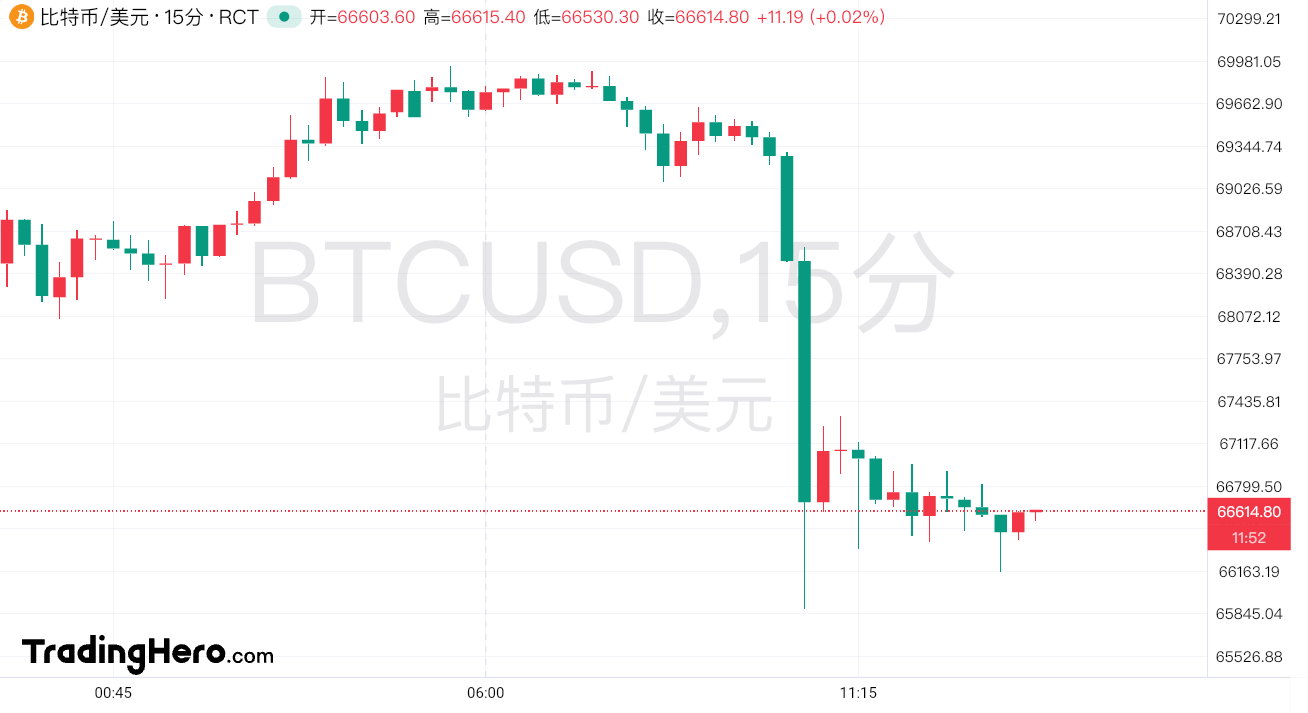
今年加密货币的大幅上涨正在失去动力,原因是挥之不去的美国价格压力导致投资者抑制对美联储降息的押注,从而推高了美国国债收益率和美元。对于数字资产等投机市场来说,这是一个恐怕更加难以上涨的背景。

OSL SG Pte的交易主管Stefan von Haenisch表示,市场对美联储看法的改变对加密货币产生了影响,随着本周的到来,加密货币出现了抛售,没有哪个角落不受影响,尤其是那些过去6个月跑赢比特币的代币,比如meme币。

自3月中旬达到73798美元的峰值以来,比特币已经下跌了约10%。大笔资金流入美国现货比特币ETF的现象有所缓解,这也令这一全球最大的数字资产承压。

据外媒收集的数据显示,周一,投资者从这10款现货ETF中净撤出了8600万美元。自1月11日上市以来,这些产品已吸引了约120亿美元的资金。

比特币与其他风险敏感资产的相关性意味着更广泛的市场催化剂也很关键。道琼斯工业股票平均价格指数和标普500指数本身也处于创纪录高位,此外,本周将有大量经济数据出炉,数据可能会影响到人们对美联储降息步伐的预期,这种宏观前景对比特币也很重要。

DACM联合创始人Richard Galvin表示,在美国最新经济数据发布后的过去12个小时里,加密市场看起来“疲软”。

昨日公布的数据显示,美国制造业自2022年9月以来首次意外扩张,投入成本攀升。报告发布后,市场对美联储今年的宽松幅度预期降至65个基点左右,低于政策制定者的预期。

本月,对于比特币来说,“减半”事件可能是一大利好,即新比特币代币的供应量将减少一半,一些交易员将这一四年一度的事件视为比特币的重大利好,尤其是现货比特币ETF的通过使得市场对比特币的需求加剧之际,预计“减半”将在18天后发生。

不过,也有一些包括摩根大通在内的华尔街分析师认为,比特币进一步上涨的最令人期待的催化剂之一可能最终会导致其价格下跌。鉴于自2023年初以来该代币已经翻了两番,“恐高”情绪可能会加剧,进一步的上涨将很难实现。

Lecturas Relacionadas

'Bear' Doomsday Prophecy: AI 'Reaching Its Peak', U.S. Stocks to Top Out Fastest in Q3, Down 30-50%

"A Short Seller's Dire Prediction: AI Boom Fading, US Stocks to Peak by Q3 with 30-50% Decline" Prominent macro investors Jeffrey Gundlach and Felix Zulauf warn that the AI-driven market rally is nearing its end, forecasting a major US stock market correction of 30-50%, potentially beginning as early as Q3. Their analysis points to alarming parallels with historical market tops, citing extreme concentration in the top AI-related stocks within the S&P 500. Zulauf's bearish thesis hinges on unsustainable capital expenditure trends among major cloud companies, negative free cash flow emergence, and soaring semiconductor prices. Gundlach highlights dangerous parallels to the 1999 tech bubble peak. A key divergence from conventional wisdom is Gundlach's view that long-term Treasury yields will not fall meaningfully even during a recession, due to America's structurally out-of-control fiscal deficits and soaring interest costs. He warns this could force the government into yield curve control or even a sovereign debt restructuring. Both investors express severe concerns about the opaque private credit market, drawing parallels to the pre-2008 financial crisis environment. They allege widespread rating inflation, misrepresented credit quality, liquidity illusions, and fraudulent asset valuations within this sector. The analysis links the AI boom and private credit crisis through financing costs. They argue that as AI companies' cash flows weaken and they seek funding, a high and sticky long-term interest rate environment will severely stress lower-rated corporate borrowers, exposing cracks in credit markets. Finally, they predict a regime shift where the US dollar weakens and US equities underperform global markets, marking the end of their long dominance. The stage is set for a significant market reversal.

marsbitHace 8 min(s)

'Bear' Doomsday Prophecy: AI 'Reaching Its Peak', U.S. Stocks to Top Out Fastest in Q3, Down 30-50%

marsbitHace 8 min(s)

Why Does No One Buy DeFi Insurance?

**Title: Why Isn't DeFi Insurance Being Bought?** DeFi insurance, which promised automated, unbiased payouts via smart contracts, has failed to gain traction. The core issue is economic: high premiums severely erode the yields that attract users to DeFi in the first place. For example, insuring a USDC deposit on Aave V3 could cost 1.5–2.5% of the annual yield, leaving a net return barely above a savings account. For riskier platforms like Maple Finance or Ethena, premiums can even turn net yields negative. Consequently, users often forgo insurance, as it nullifies their profit motive. The market also suffers from structural flaws. First, DeFi risks are highly correlated (e.g., an oracle failure can impact multiple protocols simultaneously), unlike the independent risks in traditional insurance. This makes large-scale events potentially catastrophic for insurers. Second, the total capital in DeFi insurance pools (e.g., Nexus Mutual's ~$81.5M) is minuscule compared to the hundreds of billions in total value locked (TVL), creating a massive capacity gap. A single major hack could drain the entire industry's reserves. Furthermore, the governance model where tokenholders vote on claims creates a conflict of interest, incentivizing them to deny payouts to protect their own funds. As a result, the sector is shrinking. While pioneers like Nexus Mutual are pivoting to preventative measures (bug bounties) and seeking external capital via reinsurance, the fundamental problems remain. DeFi insurance represents a public good—its stability benefits the entire ecosystem—but without a mechanism to share costs, a "tragedy of the commons" ensues where no one is willing to pay, leaving the system vulnerable.

marsbitHace 22 min(s)

Why Does No One Buy DeFi Insurance?

marsbitHace 22 min(s)

Trading

Spot
Futuros
活动图片