Nigeria's Central Bank Enlists Gluwa Nigeria to Boost eNaira Systems, Adoption

CoinDeskPolicyPublicado a 2024-03-06Actualizado a 2024-03-07

Resumen

Adoption of the central bank digital currency pales in comparison to cash use in the country.

  • The Central Bank of Nigeria wants to connect the eNaira to Gluwa's Credal blockchain API technology.
  • The arrangement will ensure easier loan origination, tracking, settlement and scoring for local fintech lenders.

The Central Bank of Nigeria is working with blockchain technology firm Gluwa Nigeria to make the eNaira digital currency's systems more efficient and boost adoption in the country of more than 226 million people.

The central bank plans to issue application programming interfaces (APIs) to Gluwa for integration with the company's Credal blockchain technology. APIs are software intermediaries that allow applications to talk to each other.

The "core objective is to harness the power of blockchain technology to enhance financial inclusion, improve eNaira functionality, and foster financial innovation," Gluwa said in a release shared with CoinDesk.

Advertisement
Advertisement

Connecting through Credal is intended to ensure easier loan origination, tracking, settlement, and credit scoring for local fintech lenders.

Nigeria has been trying to broaden acceptance of the central bank digital currency (CBDC) since its launch in 2021. The number of eNaira wallets increased more than 12-fold between October 2022 and March 2023 to 13 million and the value of transactions climbed 63% to 22 billion naira ($14 million) in the first four months of last year.

The country has a $220 billion informal economy that thrives on cash, and eNaira adoption has not caught up with cash use in Africa's most populous country in part owing to a lack of merchants that accept it.

Edited by Sheldon Reback.

Lecturas Relacionadas

Stock Price Doubles Within the Year, Plummets 20% After Resumption, Baolai Medical's 'Chip Backdoor Listing' Script Ends

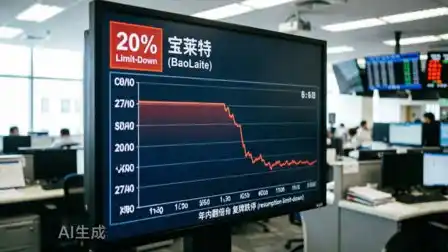
On August 10, 2026, BPL (300246.SZ) resumed trading after a nearly week-long suspension and immediately fell by a 20% limit-down. This plunge was triggered by the termination of a planned controlling stake transfer, dashing earlier market speculation. In January 2026, Zhejiang Quwei Zhihe Partnership entered as a significant shareholder, sparking hopes. Investors speculated that its backer, Weigu Information—a specialized "little giant" company in high-reliability solid-state storage chips—might be seeking a backdoor listing through BPL. This "cross-industry restructuring" expectation fueled a strong rally, with BPL's stock price more than doubling in 2026 prior to the halt. However, the deal was called off on August 7, directly causing the sharp sell-off. Underlying BPL's vulnerability is its fundamentally weak business. The company, a medical device firm, is mired in losses, having reported three consecutive years of net losses totaling over 200 million yuan. Its core hemodialysis business is squeezed by government procurement price cuts, while growth in its patient monitor segment has stalled. Furthermore, BPL faces imminent debt pressure with convertible bonds worth approximately 218 million yuan due in September 2026, and its current stock price is far below the conversion price. The failed control transfer may represent a delayed release of negative news, but BPL's core challenges remain: reversing operational losses and addressing its urgent liquidity crisis.

marsbitHace 2 hora(s)

Stock Price Doubles Within the Year, Plummets 20% After Resumption, Baolai Medical's 'Chip Backdoor Listing' Script Ends

marsbitHace 2 hora(s)

Trading

Spot
活动图片