SignalPlus波动率专栏(20240115):BTC或遭受抛压,IV再度走高

Odaily星球日报Publicado a 2024-01-15Actualizado a 2024-01-15

Resumen

数字货币方面,BTC价格于12~13日再度走跌约8%并一度下探42000美元关口,现在维持在43000下方震荡。

SignalPlus波动率专栏(20240115):BTC或遭受抛压,IV再度走高

SignalPlus波动率专栏(20240115):BTC或遭受抛压,IV再度走高

上周五(12 JAN)美国 PPI 意外走软引发了美债收益率的短线跳水,其中两年期下破 4.2% 后在低位小幅震荡,现报 4.146% ,十年期一度降至 3.93% 附近后在这几日逐渐收复失地,报 3.974% 。美国三大股指涨跌不一,道指下跌 0.31% ,标普和纳指接近平收(+ 0.08% /+ 0.017% )。

SignalPlus波动率专栏(20240115):BTC或遭受抛压,IV再度走高

Source: SignalPlus, Economic Calendar

数字货币方面,BTC 价格于 12 ~ 13 日再度走跌约 8% 并一度下探 42000 美元关口,现在维持在 43000 下方震荡。分析指出,继 ETF 获批后,GBTC 的成交额以超过总量一半的水平高居榜首,从数据上看,GrayScale 在成功将其从信托转为 ETF 后,曾经一度达到 50% 的负溢价的正逐渐消失,且其高达 1.5% 的高昂管理费用更让人有理由相信持有者会有将其出售或转换成其他 ETF 的意愿,但从 Arkham 的数据中我们看到,当前灰度 BTC 持仓高达 266 亿美金,近几日流出的资金约为 16.7 亿美元,这就意味着灰度或许并没有因为客户持续卖出 GBTC 而紧跟着大量抛售 BTC,尽管同时也有人指出 Arkham 统计的地址可能不够全面,但一如加密货币 KOL Neuner 说的,“ 250 亿美元是一个相当大的数字,即使只有 20% 被赎回,那也意味市场上将有 50 亿美元的成交额”,比特币“可能会面临一段时间的抛压”。

期权方面,随着工作日的到来,隐含波动率曲线前端大幅走高,BTC 近两周的 IV 基本都在 55% ~ 60% ,ETH 曲线相对较陡,中远期仍与 BTC 存在较高的溢价。Vol Skew 仍处在过去三个月的较低位置。

成交方面相对平淡,BTC 中远期 50000-C 仍是买入热点,截止目前该行权价上已有累计 23, 110 BTC 的 OI,远高于其他点位。

SignalPlus波动率专栏(20240115):BTC或遭受抛压,IV再度走高

Source: Bloomberg, ETF 管理费用对比

SignalPlus波动率专栏(20240115):BTC或遭受抛压,IV再度走高

Source: Arkham,灰度持仓变化

SignalPlus波动率专栏(20240115):BTC或遭受抛压,IV再度走高

Source: Binance & TradingView

SignalPlus波动率专栏(20240115):BTC或遭受抛压,IV再度走高

Source: Deribit (截至 15 JAN 16: 00 UTC+ 8)

SignalPlus波动率专栏(20240115):BTC或遭受抛压,IV再度走高

Source: SignalPlus

SignalPlus波动率专栏(20240115):BTC或遭受抛压,IV再度走高

Source: SignalPlus

SignalPlus波动率专栏(20240115):BTC或遭受抛压,IV再度走高

Source: Laevitas

SignalPlus波动率专栏(20240115):BTC或遭受抛压,IV再度走高

Source: Deribit Block Trade

SignalPlus波动率专栏(20240115):BTC或遭受抛压,IV再度走高

Source: Deribit Block Trade

SignalPlus波动率专栏(20240115):BTC或遭受抛压,IV再度走高

您可在 ChatGPT 4.0 的 Plugin Store 搜索 SignalPlus ,获取实时加密资讯。如果想即时收到我们的更新,欢迎关注我们的推特账号@SignalPlus_Web3 ,或者加入我们的微信群(添加小助手微信:xdengalin)、Telegram 群以及 Discord 社群,和更多朋友一起交流互动。

SignalPlus Official Website:https://www.signalplus.com
Lecturas Relacionadas

After semiconductors lead the gains, are funds buying into AI orders or a macroeconomic rebound?

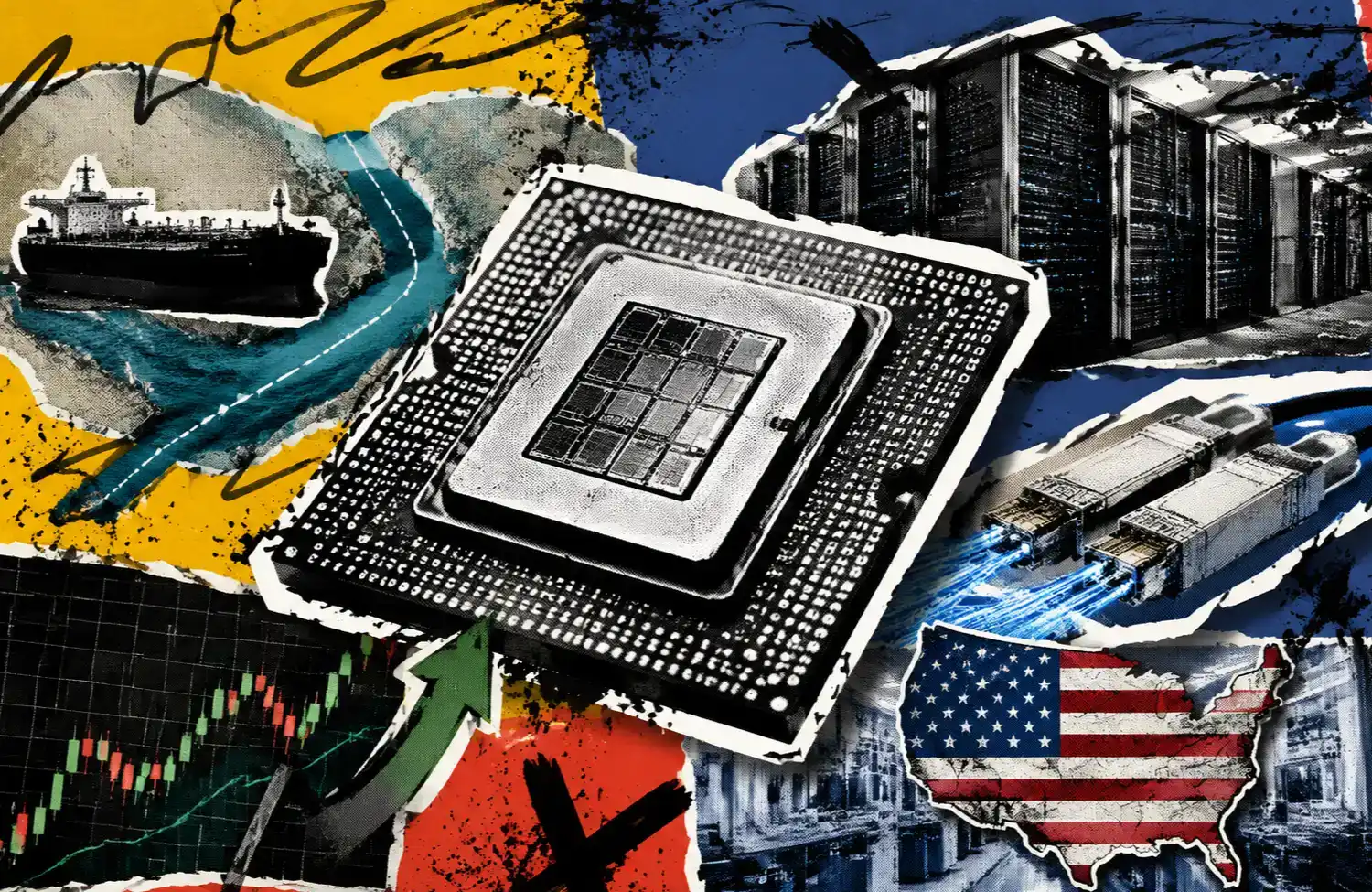
After US-Iran talks led to a temporary ceasefire and framework for reopening the strategic Strait of Hormuz, U.S. stocks rose on June 18, with the Nasdaq gaining 1.9%. The semiconductor and AI hardware sectors outperformed. This rally stemmed primarily from reduced geopolitical risk, which lowered oil prices and inflation expectations, easing discount rate pressure on high-valuation growth stocks like tech. The key question is not whether tech rebounded, but the nature of the rebound. The market appears to be selectively repricing AI infrastructure plays rather than broadly chasing AI narratives. Gains were concentrated in chips, optical interconnects, memory, and domestic manufacturing—segments tied to tangible data center build-outs and capital expenditure. Intel's ~10% surge, fueled by a Trump statement about potential Apple collaboration, exemplifies this mixed dynamic. It reflects policy catalysts and domestic manufacturing sentiment more than confirmed fundamentals. Meanwhile, strong earnings from companies like Astera Labs (revenue up 93% YoY) provided concrete evidence of AI-driven demand in hardware. In essence, the rally represents a risk-premium recalibration. Lower Middle East tensions opened a valuation repair window, and capital flowed first into AI infrastructure segments with visible near-term revenue streams. The sustainability of this move hinges on upcoming Q2 earnings, specifically continued strength in cloud provider capex, AI server orders, and hardware company guidance. Policy hopes alone are insufficient; the cycle needs validation from orders and financials.

marsbitHace 5 min(s)

After semiconductors lead the gains, are funds buying into AI orders or a macroeconomic rebound?

marsbitHace 5 min(s)

The Entire Internet Hails Noam's Joining, But OpenAI's Loss Bill Just Got Thicker

While the AI community celebrates Noam Shazeer, co-author of the "Attention Is All You Need" paper, joining OpenAI as Head of Architectural Research, the company's audited financials reveal a starkly different reality. In 2025, OpenAI reported $13.07 billion in revenue but a massive $20.92 billion operating loss. Even excluding a one-time accounting charge, the cash burn is severe, with $3.7 billion consumed in Q1 2026 alone. This high-profile hiring occurs against a backdrop of significant internal research talent drain, with key founders and researchers departing as the company's focus shifts from exploratory research to product iteration. Meanwhile, OpenAI's fundamental business model faces a deep crisis. It paid Microsoft $10.59 billion for compute in 2025, while its vast user base of 9 billion weekly actives includes only 50 million paying customers, making growth a direct driver of escalating costs. The article argues Shazeer's recruitment is less about technical necessity and more about crafting a compelling narrative for OpenAI's upcoming IPO, aiming to justify a rumored $1 trillion valuation to future public market investors. It contrasts OpenAI's strategy with Anthropic's reported path to profitability, which relies on a strong enterprise customer base and cost control, rather than star-powered narratives. Ultimately, the piece concludes that while Shazeer's architectural work may take 1-2 years to materialize, OpenAI's financial clock is ticking much faster, with its massive losses undercutting the celebratory headlines.

marsbitHace 1 hora(s)

The Entire Internet Hails Noam's Joining, But OpenAI's Loss Bill Just Got Thicker

marsbitHace 1 hora(s)

Trading

Spot
Futuros
活动图片