一文带你了解近期比特币资产发行新协议

Odaily星球日报Publicado a 2023-12-30Actualizado a 2023-12-30

Resumen

继Oridinals、Atomicals、Pipe等协议之后,比特币最近又有哪些新的资产发行协议,他们有哪些创新,表现又如何呢?

一、Rune.Alpha

Rune Alpha 之所以能够火起来,主要是由于最近讨论度很高的“符文”概念。之前推文中已经介绍了“符文”的概念与由来,这里再简单介绍一下。

“符文(Runes)”的概念最初由 Casey 提出,因 BTC Core 核心开发者 Luke 对“铭文”的反对而再次受到重视。“符文”和“铭文”的一点本质区别是“符文”存储在 UTXO,而基于 Ordinals 的 BRC-20 之类的“铭文”是存在比特币脚本的隔离见证数据中的 JSON 文本。

我们这里要介绍的 Rune Alpha 虽然自称是“符文”,但是根据 Rune Alpha 白皮书中所说,它是建立在 ordinals 协议 0.11.1 版本的一个新的铭文协议,和 Casey 提出的“符文”并不相同。所以 Rune Alpha 其实并非“符文”,只是在名字上蹭到了“符文”的热度。

但是,是不是真“符文”其实也不重要,Rune Alpha 已经成功蹭到了热度,在币圈你可以名声臭,但是绝对不能没有名气。该协议的第一个代币 $cook 的铸造成本为十几 U 左右,目前场外价格涨到了 400 U,目前并未推出交易市场。

二、CBRC-20 

CBRC-20 是通过 Ordinals 为比特币上的可替代代币制定的高效元协议标准提案。通过利用 ord 0.10+ 中引入的新 metadata 和 metaprotocol 字段(允许将任意属性直接存储在 Inscription 信封内),CBRC-20 保持相同 BRC-20 元协议的功能逻辑,同时降低每个铭文的成本并简化索引过程。

既然 CBRC-20 是对 BRC-20 的一种升级版本,那么他实现了哪些优化呢?

  • 降低了记入成本

部署、铸造或转移任何 CBRC-20 代币只需在代币上刻上数字 “ 0 ” 即可完成。作为文本文件,与其他元协议序数代币标准相比,铭文成本降低了 10 倍。

  • 简化索引

CBRC-20 提供了一种简单的方法来索引 CBRC-20 元协议状态,因为所有信息都可以直接在每个铭文的信封中获取。

  • MIME 数据的灵活性

CBRC-20 标准允许使用任何 MIME 数据来部署、铸造或传输 CBRC-20 代币。示例:对代币发出指令内容只需填入” 0 “,作为文本内容与其他 Ordinals 元协议相比,成本降低了 10 倍。

  • 兼容 Ordinals 协议更高版本

与仅限于 Ordinals 0.9 版功能的 BRC-20 不同,CBRC-20 可以利用 Ordinals 0.10 版及更高版本中引入的最新功能。

目前 CBRC-20 团队并未开发自己的市场,而是通过各种巧妙方法使自家代币上线了交易市场。

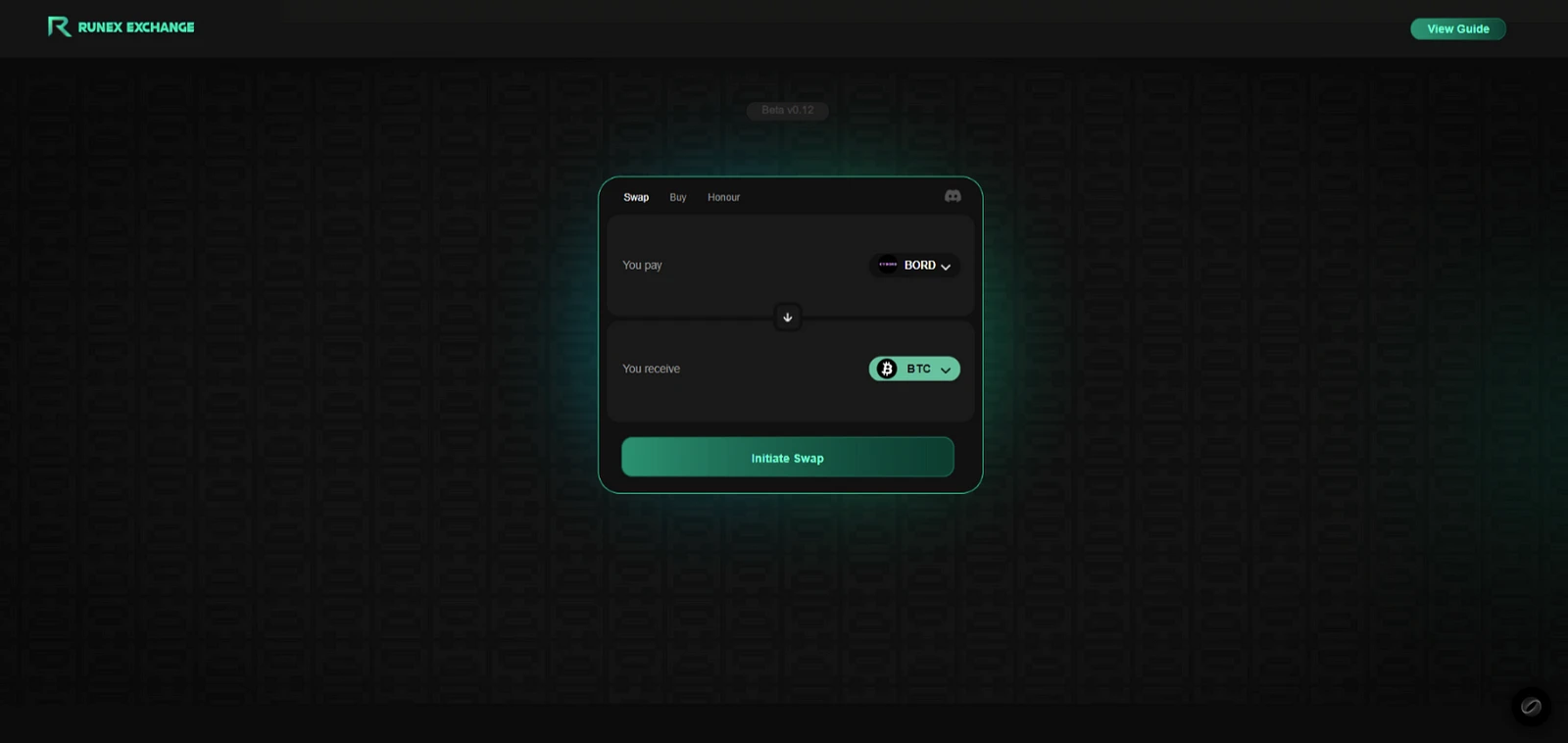
  • 一个是通过 RuneX 直接上线铭文 SWAP;

一文带你了解近期比特币资产发行新协议

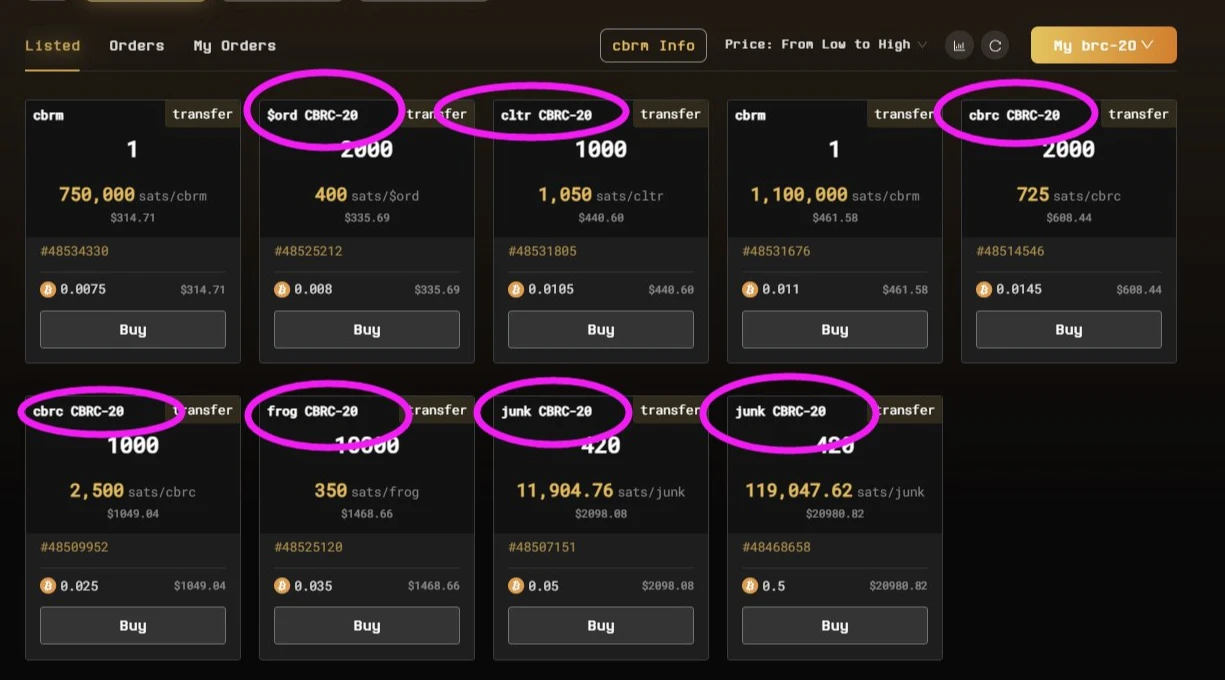
  • 另一个是通过油猴爆改 Unisat,直接强制上架 Unisat。铭刻出来的转移铭文都是 cbrm 合集,创始人做了一个油猴插件,直接可以读取 Unisat 上面铭文信息,然后就可以看到具体是哪一个铭文了。
一文带你了解近期比特币资产发行新协议

除了上线上面两个交易市场外,社区自发做出了 CBRC-20 代币的交易市场,还将 CBRC-20 代币依附于 BRC-20 代币,进行一种类似”特洛伊木马“方法将 CBRC-20 代币上线 Unisat,但是该方法实验性质较强,对资产的安全没有保障。

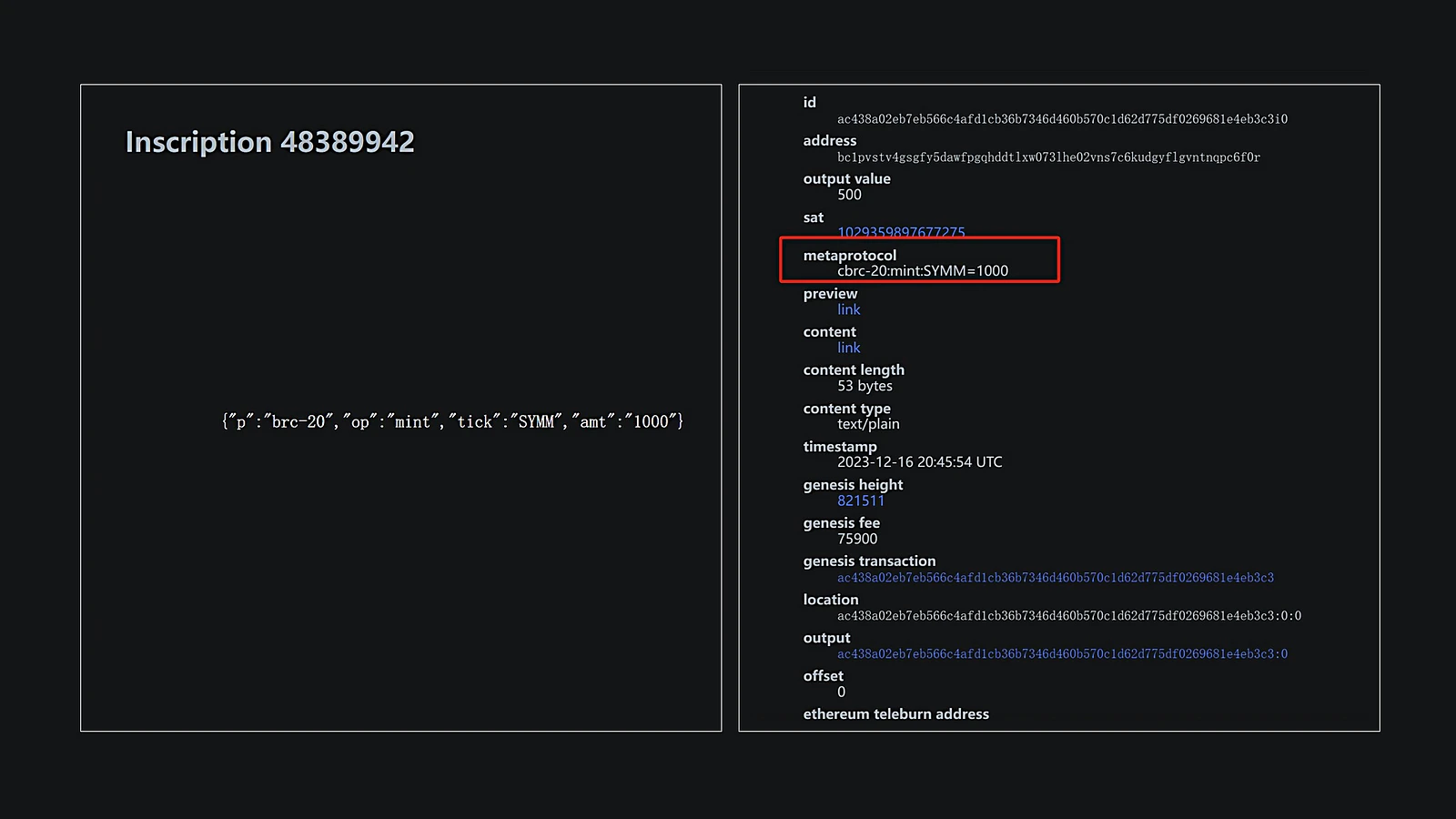
最近创始人开启一项 OSMOSIS 实验,并部署了第一个元-元协议铭文 $SYMM。如何理解”元协议“和“交叉索引”呢?

“元协议”是 Ordinals 社区用来描述可交互“协议”的术语。通过链上信息的链下索引(如 BRC-20、SNS、Bitmap 等)形式化。

由于两个 BRC/CBRC 元协议的非重叠性质,因此可以铭刻一次同时完成完成两个元协议的部署/铸造/传输等操作。如果持有者同时持有两者,那手中的 $SYMM 则“valid”(有效)。下图为一个二合一的 $SYMM 铭文左图是铭刻。
一文带你了解近期比特币资产发行新协议

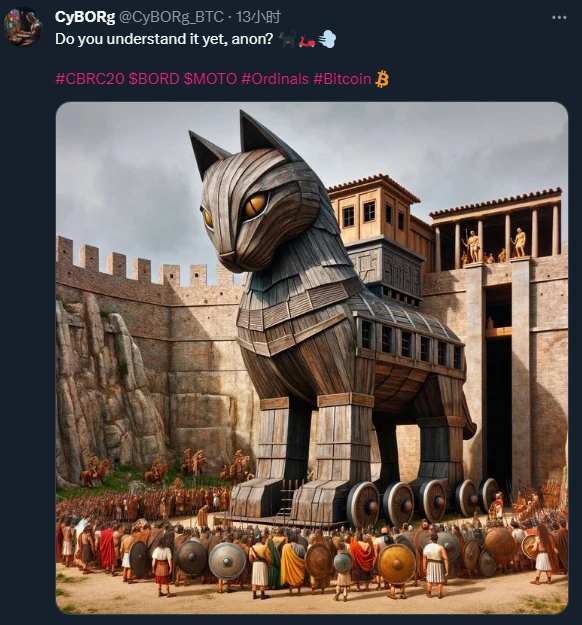
总览来看 CBRC-20 如同”特洛伊木马“一般,利用 CBRC-20 的铭刻方法同时铭刻多个协议的铭文,从而对其他协议进行了某种程度的”吸血鬼攻击“。就像创世人经常在推特发的特洛伊木马一样,CBRC-20 实现了“借壳上市”。
一文带你了解近期比特币资产发行新协议

三、BTNS

Broadcast Token Naming System(BTNS,广播代币命名系统)是 BTC 早期持有者和开发成员之一 @jdogresorg,构建的处于 BTC 主链的生态系统。其基本构想是通过每一笔的 BTC 链上传输附加上广播信号,以区块链上记录作为数据依据,通过账本索引为手段,来让 BTC 发布自己的链上原生资产 token 和 NFT 成为可能。

BTNS-420 是 @jdogresorg 基于 BTNS 进行构建的集成资产发布和转移等多种生态特征的代币协议标准,BTNS-420 的出现让 BTNS 的构想成为可能。

BTNS 代币和铭文、符文有什么区别?

  • 首先 BTNS 生态的代币资产没有对 BTC 进行更改和占用更符合 BTC 生态的风向标。而铭文符文都依赖于 BTC 这一货币本身进行存储,其会产生大量的 BTC 代币占用和资源浪费。基于广播的形式进行的资产铸造更为公开公正,虽然索引是由 @jdogresorg 进行构建,但是所有的广播数据跟随 BTC 的交易信息进行区块存储的,完全透明公开可查询,索引的存在更多的是对资产的总量进行限制和追踪,而不是中心化的想索引谁就去索引谁。

  • BTNS 没有任何的潜在风险,因为 BTNS 已经做到了完全开源,并且所有的基础设施建设都是基于 BTC 本身具有的特性和功能进行延伸开发,没有重大争议性讨论。

BTNS 带来了哪些价值?

  • BTNS 将发布基于 BTC 主链的资产从不可能变成了可能,并且完全依赖于 BTC 本身的特性,其发布让 BTC 可以总量无损耗占用的情况下构建所有的资产。随着更多的完善其非常可能将 BTC 变成完全可玩、环保的主流生态链(注意是生态链,而不是一个价值币)

  • 最近的铭文符文革命带来的 BTC 拥堵问题。笔者认为如果引入 BTNS 来构建生态,其本身框架以及升级的代币协议允许空投、公平索引(指规定或者特定指令索引)等方式,使得资产不再靠抢,不是先到先得,gas 高先得,是更为公平的获得方式选择,如登记地址空投、规定区块限制、甚至可以做到低 gas 交易索引

据社区所说,@jdogresorg 正在度假,暂停了开发工作,目前从其推特更新来看,也确实是这个情况。所以本该开发的市场,到现在也没有进度。

总结

以上就是最近比特币新协议的介绍了,其中 Rune Alpha 和 CBRC-20 都没有脱离铭文的概念,都是基于 Ordinals 的一种资产发行方式,但 CBRC-20 在创新性上做得更好,让同时铸造多种协议的铭文成为了可能。BTNS 在概念上是比这两者大的,BTNS 属于元协议的范畴,而 Rune Alpha 和 CBRC-20 都属于“二层协议(指基于 Ordinals 这种原协议开发的标准或协议)”,并且 BTNS 以“广播”的形式,使比特币上的资产发行不再占用比特币(这里不对占用与否的优劣进行评价)。

相关网站

Rune Alpha 官网:https://runealpha.xyz/

CBRC-20 官网:https://cybord.org/explore.html

参考文章

1.《BRC-20 白皮书》

2.《CBRC-20 白皮书》

3.Casey Rodarmor’s Blog

4.《Rune Alpha 白皮书》

免责声明:本站所有内容可能涉及项目风险事项,仅供科普与参考之用不构成任何投资建议。请理性看待,树立正确的投资理念,提高防范风险意识。建议在交互与持有之前,综合考虑各种相关因素,包括但不限于个人购买目的以及风险承受能力等。 版权须知:引用信息版权属于原媒体及作者。如未经鉴叔 J Club 同意,其他媒体、网站或个人不得转载本站文章,鉴叔 J Club 保留追究上述行为法律责任的权利。

Lecturas Relacionadas

Why Are the Most Believers in AGI Buying NVIDIA Put Options?

The article analyzes the significant, market-moving 13F filing for Q1 2026 by Situational Awareness LP (SALP), a fund managed by former OpenAI researcher Leopold Aschenbrenner. While Aschenbrenner is a prominent believer in the accelerated arrival of AGI and has built the fund as a focused bet on AI infrastructure, the filing revealed large new put option positions (totaling billions in notional value) on key AI/semiconductor names like Nvidia, SMH ETF, Broadcom, and AMD. The article argues this is not a bearish turn on AI but a sophisticated hedging strategy. Given the macro backdrop in late March (rising oil prices, inflation concerns, higher-for-longer interest rates), the fund is managing volatility in its high-beta, high-valuation portfolio of AI infrastructure plays (like Bloom Energy, CoreWeave, Core Scientific). The puts act as "insurance" against a potential systemic pullback in the AI trade. Simultaneously, SALP maintained or added to core long positions in companies tied to power, data centers, compute, and storage—the "bottlenecks" expected to capture AI capital spending. It trimmed or exited some Q1 winners (e.g., Lumentum) and reduced leverage (e.g., selling CoreWeave calls), suggesting a rotation from crowded, high-momentum trades towards assets with clearer long-term fundamental pathways. The key takeaway is an evolution in the AI investment theme: from a broad, linear rally to a more discerning, "show-me-the-money" phase. The focus shifts from simply buying the AI narrative to identifying companies that can convert capex into tangible revenue, while actively managing portfolio risk in a volatile macro environment. The strategy reflects a move from unilateral bullishness to "offense with defense."

marsbitHace 17 min(s)

Why Are the Most Believers in AGI Buying NVIDIA Put Options?

marsbitHace 17 min(s)

AI Saved a Group of New Energy Investors

The article "AI Saves a Group of New Energy Investors" details a remarkable turnaround in the green energy investment sector, driven by its convergence with artificial intelligence infrastructure. After a prolonged downturn marked by valuation slumps and funding cold spells since 2022, the sector has experienced a dramatic resurgence in 2026. This shift is attributed to new policies, particularly the "AI-Energy Synergy" national strategy, which mandates green power and energy storage systems for new large-scale computing centers. This redefines green electricity and storage from traditional manufacturing into core, indispensable assets for AI's operational backbone, creating a new narrative where "computing power equals electricity, and green power equals assets." This paradigm change is reflected in surging market performance. Power stocks like Datang Power have seen massive gains, and green energy ETFs have recorded significant capital inflows. The IPO market is also active, with companies like Sige New Energy listing successfully. Investment and financing have accelerated sharply, with major expansion projects and large-scale IPOs like China Resources New Energy's record-breaking offering. Notably, some top projects have seen valuations rebound by approximately 60%. The article highlights that the previous industry trough became a prime investment window. With AI-driven demand predicted to create massive power shortfalls (e.g., a projected 55GW gap for data centers), sectors like energy storage, grid upgrades, and green power are seeing explosive growth. Investors are now prioritizing areas like power management, large-scale storage, virtual power plants, and supporting technologies like liquid cooling—the "pick-and-shovel" plays of the AI infrastructure boom. Examples like KKR's highly successful investment in cooling company CoolIT Systems underscore the lucrative opportunities. In conclusion, the integration with AI has sparked a fundamental revaluation of new energy assets. For investors who endured the sector's低谷, a harvest season has arrived, with the broader investment upswing seemingly just beginning.

marsbitHace 46 min(s)

AI Saved a Group of New Energy Investors

marsbitHace 46 min(s)

Learn Codex with the "Morning Briefing": Six Replicable Levels of Use

This article introduces a "Morning Briefing" as a simple, progressive framework for learning to effectively use Codex (an AI assistant), moving from basic information gathering to a more sophisticated, autonomous work partner. It outlines six actionable levels: **Level 1: Basic Information Query.** Start by simply asking Codex to check your Slack, Gmail, and Calendar to summarize what needs your attention today. **Level 2: Personalization with an Agents File.** Create a persistent file containing your default preferences for the briefing's format and content, so it's consistently useful. **Level 3: Automation.** Set the briefing to run automatically every weekday morning, creating a reliable starting point for your day. **Level 4: Project-Specific Briefings.** Instead of one overwhelming summary, create separate, dedicated threads for different projects (e.g., a launch, recruitment), each with its own focused briefing. **Level 5: Drafting Follow-Up Actions.** Elevate the briefing from a summary to an action starter by having it draft replies, prepare meeting notes, or highlight stalled decisions—ready for your review. **Level 6: Building a Memory System (Vault).** Integrate a knowledge vault (a structured file system) where important recurring information (project statuses, key people, decisions) is stored and updated. The briefing consults this vault to provide richer context and learns over time. The approach's strength is its incremental nature. Each level teaches a core Codex capability (connectors, personalization, automation, project context, assisted work, persistent memory) within a familiar, practical workflow, avoiding overwhelming theoretical concepts. It transforms a simple daily check-in into a personalized, evolving work operating system.

marsbitHace 1 hora(s)

Learn Codex with the "Morning Briefing": Six Replicable Levels of Use

marsbitHace 1 hora(s)

Trading

Spot
Futuros
活动图片