
SignalPlus宏观研报(20231213):通胀温和下降,加密市场恐将再次探底

Odaily星球日报Publicado a 2023-12-13Actualizado a 2023-12-13

Resumen

CPI方面,我们仍继续看到相同的趋势:核心商品价格保持疲软,而服务业则维持在3-4%的范围内,为美联储“期待”价格通胀继续降温至2%提供了恰好足够的空间。加密货币方面,在周一 BTC的小规模闪崩后市场没有太多进展,价格处于盘整。

SignalPlus宏观研报(20231213):通胀温和下降,加密市场恐将再次探底

SignalPlus宏观研报(20231213):通胀温和下降,加密市场恐将再次探底

SignalPlus宏观研报(20231213):通胀温和下降,加密市场恐将再次探底

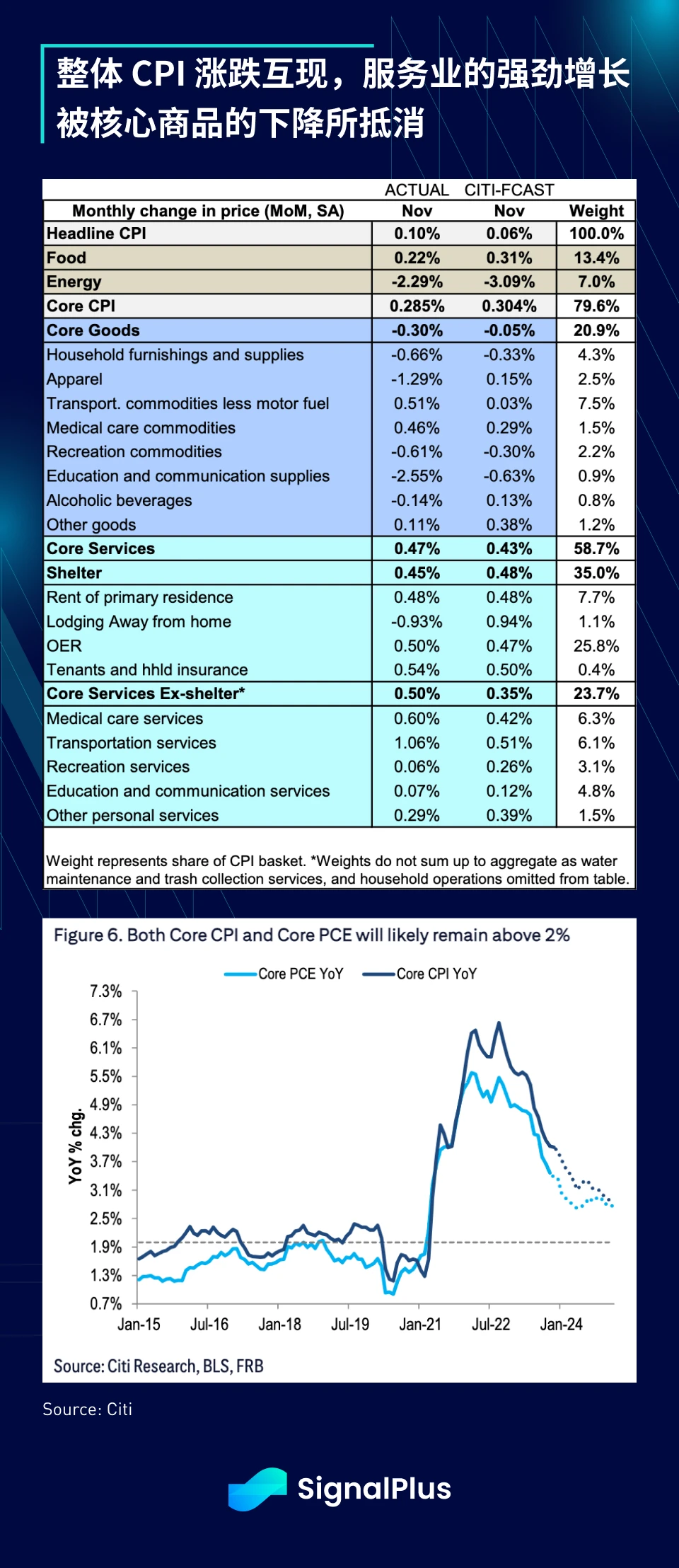
“回升”、“持稳”、“略有下降”,这是三个主流媒体昨天关于 CPI 数据的标题,基本上,CPI 满足了每个人的部分期待,不过深入研究细节的话,本次数据可能更偏向强劲。

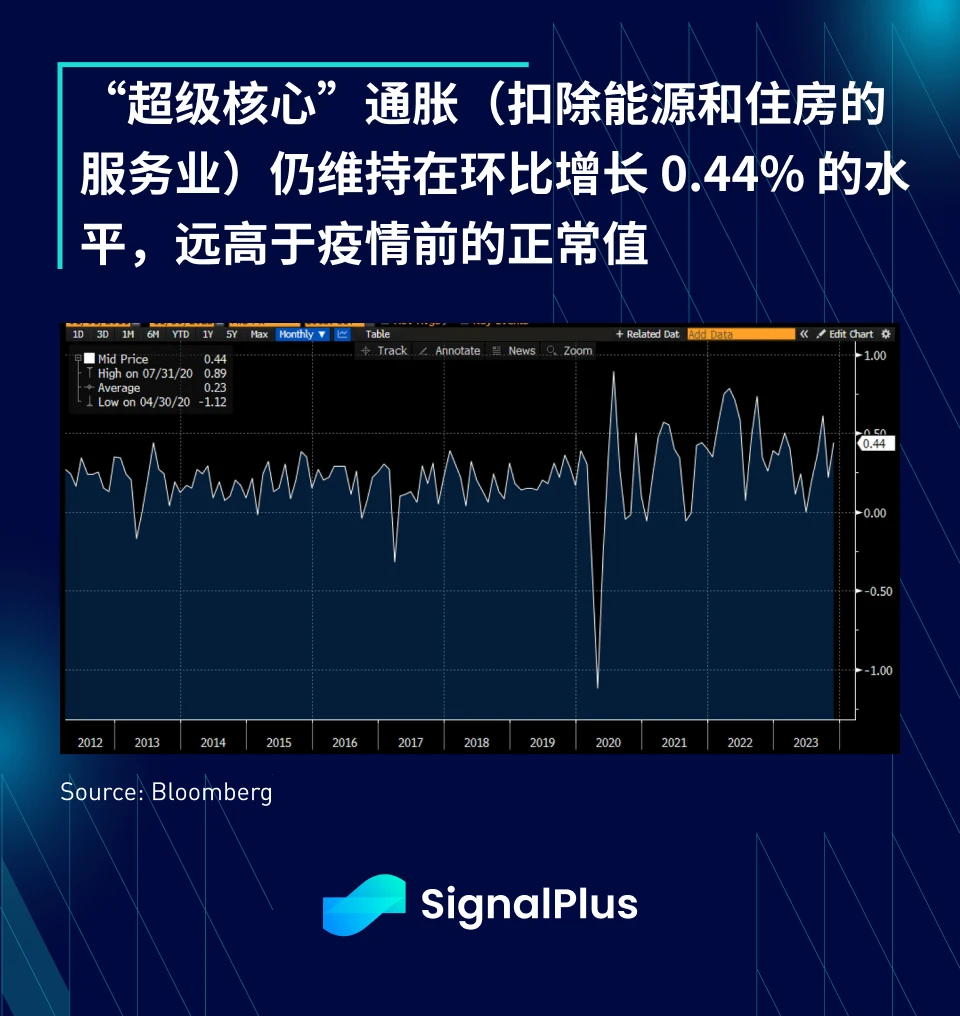
11 月整体 CPI 环比上涨 0.1% ,核心 CPI 上涨 0.3% (均走强),而 CPI 年增速放缓至 3.1% (基数效应),核心 CPI 年增稳定维持在 4.0% ,价格的疲软主要集中在能源(-2.3% )、汽油(-6% ),而服务(+ 0.5% )、房屋(+ 0.4% )和住房成本(+ 0.4% )仍继续推动 CPI 增长,此外,先前美联储偏好的“超级核心” 指数(扣除能源和住房的服务业)仍维持在环比增长 0.44% 的水平,依旧远高于疫情前的标准。

简而言之,我们仍继续看到相同的趋势:核心商品价格保持疲软,而服务业则维持在 3 – 4% 的范围内,为美联储“期待”价格通胀继续降温至 2% 提供了恰好足够的空间,然而,考虑到核心和超级核心通胀压力挥之不去,我们认为美联储有机会传达比市场目前所预期的更加鹰派的声音。
SignalPlus宏观研报(20231213):通胀温和下降,加密市场恐将再次探底

SignalPlus宏观研报(20231213):通胀温和下降,加密市场恐将再次探底

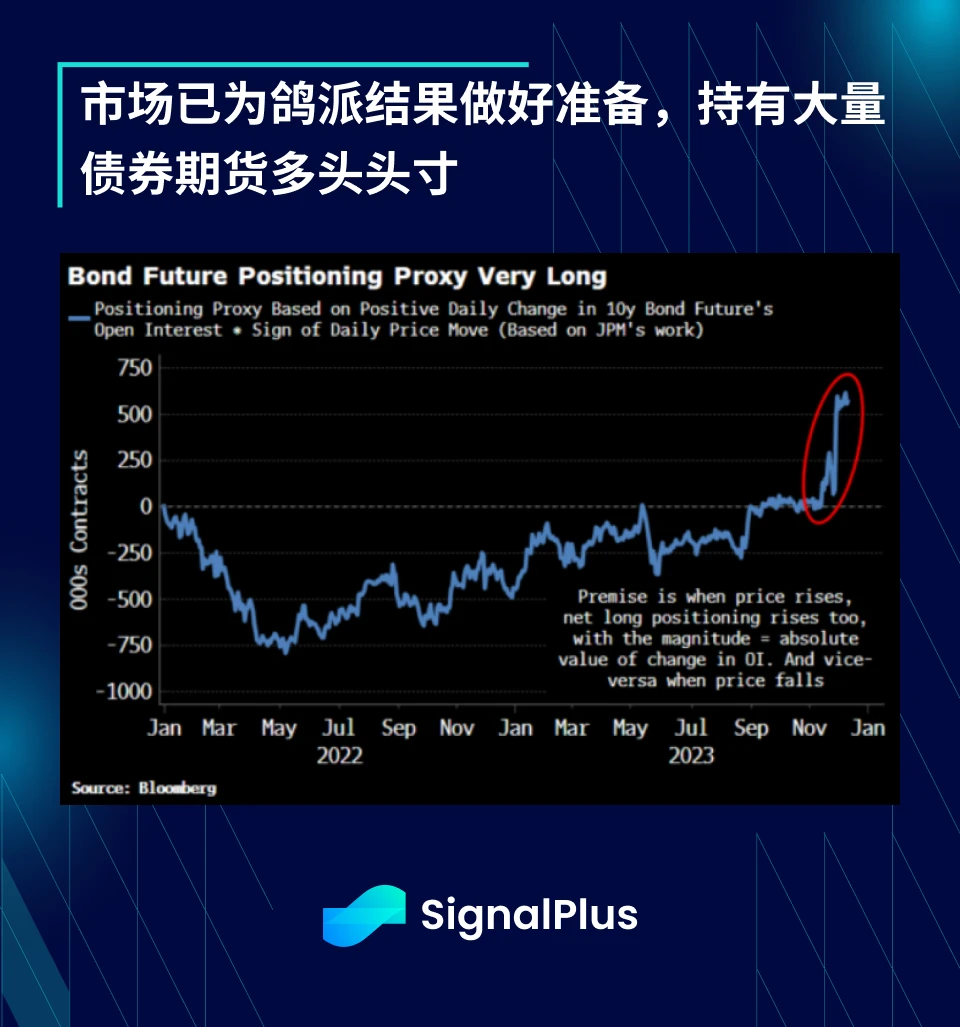
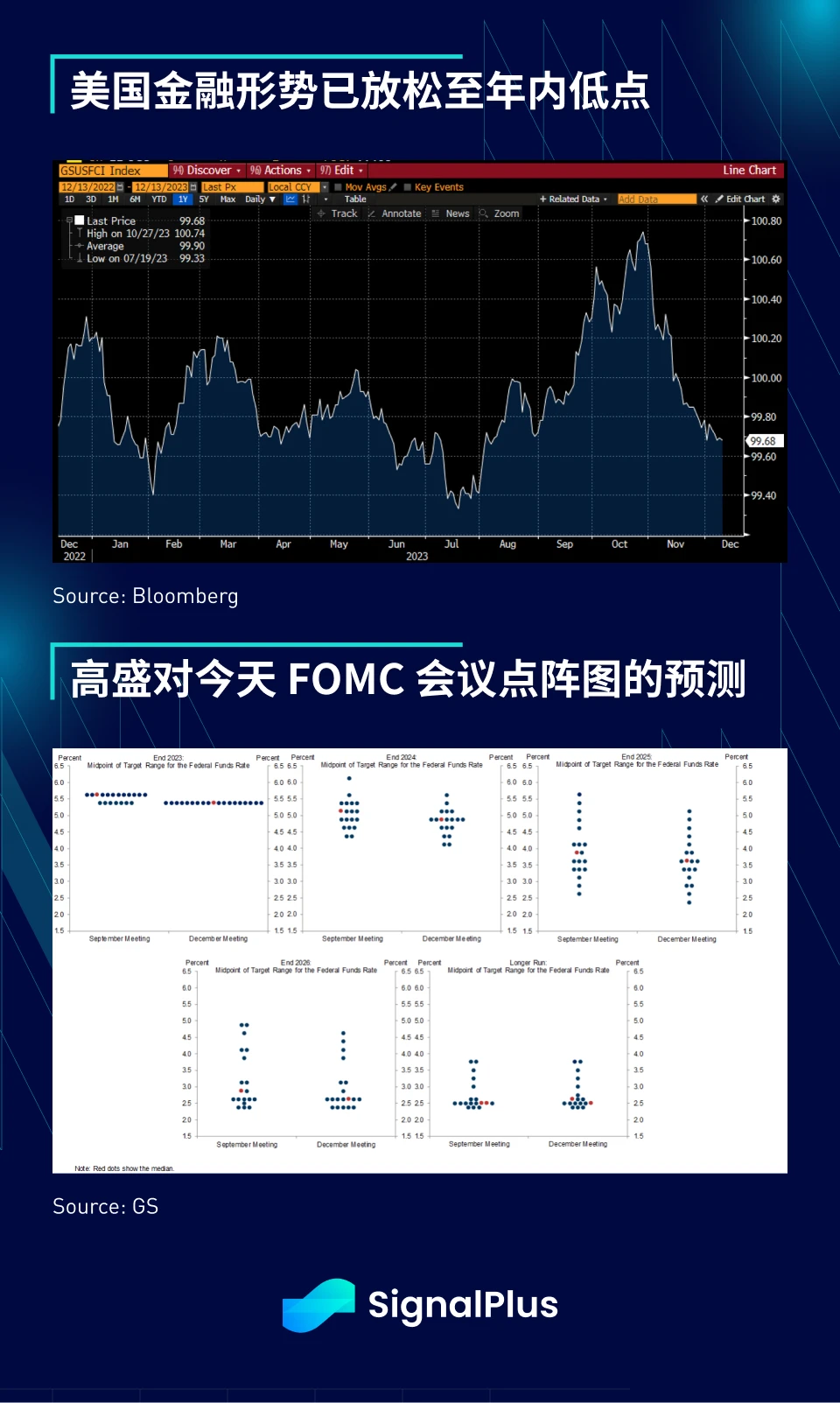
债券和股市都围绕著 CPI 数据经历了来回波动,不过流动性开始出现假期减弱的早期迹象,风险资产最终收高;至于今天的 FOMC 会议,虽然美联储可能对金融形势的快速放松感到不满,但考虑到委员会可能需要下调通胀预测和点阵图中值,Powell 将很难传达鹰派论点,另外,经济放缓的迹象加上令人失望的硬数据也可能会说服美联储考虑提前进行“保险式”降息,甚至在通胀显著降至 2% 目标之前。

简而言之,Powell 将很难在今天的会议上完全达到鹰派的标准,今天的会议应该更有机会偏向鸽派。
SignalPlus宏观研报(20231213):通胀温和下降,加密市场恐将再次探底

SignalPlus宏观研报(20231213):通胀温和下降,加密市场恐将再次探底

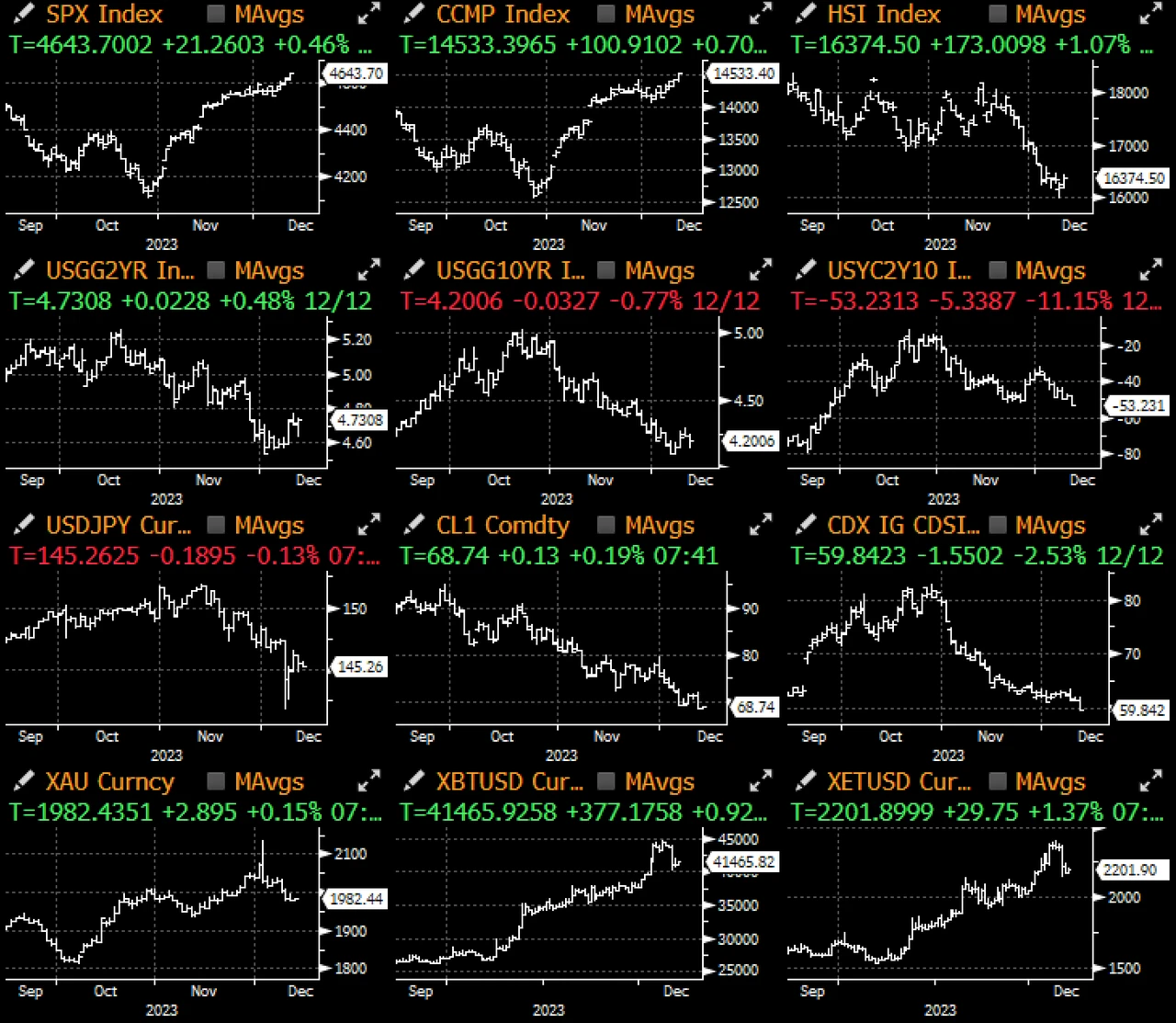
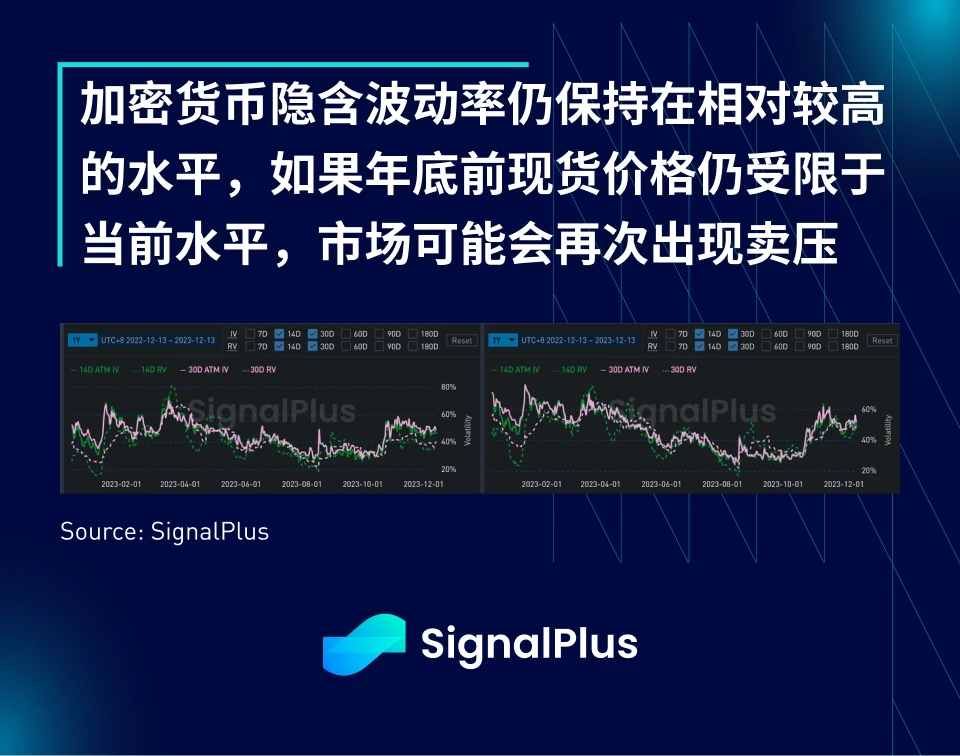
加密货币方面,在周一 BTC 的小规模闪崩后市场没有太多进展,价格处于盘整,然而,参考金价的走势,在突破 2130 美元的历史高点后出现急剧下跌,然后持续往 1980 美元回落,我们预期加密货币价格继续在当前水平盘整,有一些机会走跌,隐含波动率也开始从近期的高点回落,在即将进入年底假期的此时,建议谨慎持有仓位。

SignalPlus宏观研报(20231213):通胀温和下降,加密市场恐将再次探底

SignalPlus宏观研报(20231213):通胀温和下降,加密市场恐将再次探底

您可在 ChatGPT 4.0 的 Plugin Store 搜索 SignalPlus ,获取实时加密资讯。如果想即时收到我们的更新,欢迎关注我们的推特账号@SignalPlus_Web3 ,或者加入我们的微信群(添加小助手微信:xdengalin)、Telegram 群以及 Discord 社群,和更多朋友一起交流互动。

SignalPlus Official Website:https://www.signalplus.com

Lecturas Relacionadas

USDC Begins Nested Issuance, Coinbase Launches Custom Stablecoin Branding Service

Coinbase has launched its "Custom Stablecoins" platform, enabling businesses to offer branded stablecoins. The first client is Flipcash, a social payments app, which has introduced USDF. USDF is a Solana-based stablecoin, pegged 1:1 to USDC, and is designed to serve as a stable pricing and settlement unit for Flipcash's user-created community currencies. This move shifts the focus of stablecoins from being standalone assets or investment products to becoming embedded payment and settlement components within broader applications. For businesses like Flipcash, the core need is not to become a stablecoin issuer, but to integrate stable, reliable digital cash functionality—handling pricing, payments, and settlements—without managing the complex underlying infrastructure of issuance, reserves, on-chain contracts, fiat on-ramps, and compliance. Coinbase's platform provides this infrastructure as a service, positioning the exchange as a stablecoin infrastructure provider. While USDC remains the foundational reserve asset, the branded token (e.g., USDF) offers applications a tailored, user-facing financial tool. This development highlights a potential path for stablecoins to become ubiquitous backend utilities in social, gaming, and e-commerce applications, though it also brings significant regulatory and operational complexities associated with handling real user funds.

链捕手Hace 1 hora(s)

USDC Begins Nested Issuance, Coinbase Launches Custom Stablecoin Branding Service

链捕手Hace 1 hora(s)

Detained for 37 Days: The First Wave of People Who Got Rich from 'AI Gateways' Are Starting to Go to Jail

A prominent AI proxy service operator was reportedly detained for 37 days and is now on bail pending trial, highlighting the legal risks in China's booming but unregulated AI intermediary market. These services act as "AI scalpers," providing domestic users with access to restricted overseas models (like OpenAI, Claude) by bundling APIs, handling payments, and bypassing network blocks, all for a fee. Their controversial profitability stems from practices like bulk-registering accounts to resell free credits, exploiting refund policies, overcharging for tokens, substituting cheaper models, and illegally selling user conversation data. Major figures, including cryptocurrency entrepreneurs, are now entering this space. Legally, these operations face severe risks. Their core model often involves unauthorized API access and operating without required telecom licenses, potentially constituting illegal business operations. They fail to meet data security obligations for the vast amounts of user data they process, risking charges for failing to fulfill network security duties. Crucially, the unauthorized collection and sale of user data, which can include personal and commercial secrets, easily meets the threshold for the crime of infringing on personal information. The case underscores a critical juncture for the AI industry. While proxies lower access barriers, they expose user data to unsecured middlemen and undermine the business models of AI developers, forcing them to divert resources to security and distorting market value perceptions. The article argues that the industry's sustainable future depends on building trust, protecting data, and fostering compliant competition, moving away from its current "wild growth" phase.

marsbitHace 1 hora(s)

Detained for 37 Days: The First Wave of People Who Got Rich from 'AI Gateways' Are Starting to Go to Jail

marsbitHace 1 hora(s)

Putting Markets On-Chain: Canton Network Quietly Becomes the New Backbone of Institutional Finance

**Title: Letting the Market Itself Go On-Chain: Canton Network Quietly Becomes the New Backbone for Institutional Finance** **Summary:** The Canton Network, a blockchain platform designed for institutional finance, is gaining significant traction. A key sign of its maturity was Visa's recent entry as a super-validator, a proposal approved in just three days—highlighting prior, extensive collaboration between traditional finance and crypto. Unlike public chains like Ethereum that prioritize transparency and asset onboarding, Canton focuses on enabling confidential, compliant business operations for regulated institutions. Its core design features built-in **data visibility control**, meaning transaction details are only shared between direct counterparties. This privacy is fundamental, allowing competing institutions (like banks Goldman Sachs, JPMorgan, and BNP Paribas, all validators) to interact on the same network without exposing sensitive positions or strategies. Developed by Wall Street veterans at Digital Asset, Canton has taken a slow, deliberate approach to onboard real financial activity. It now handles over **$9 trillion monthly** in transaction volume, primarily from real-world institutional use cases like **tokenized repo agreements**, Treasury settlements, and collateral mobility. Major live applications include **JPM Coin** for institutional payments and **DTCC's tokenized U.S. Treasuries** project. Canton's native token, **CC**, is framed as a "network utility asset" with zero pre-mine or VC allocations. Its value is intended to be driven by the volume of real financial activity on the network. Looking ahead, Canton aims to become the invisible foundational layer for global finance—enabling atomic settlement (where payment and asset delivery occur simultaneously), 24/7 capital flows, and the native issuance and settlement of various asset classes, from corporate bonds to potentially equities. The main challenges are no longer technical but involve navigating fragmented global regulations and integrating with legacy financial systems.

marsbitHace 2 hora(s)

Putting Markets On-Chain: Canton Network Quietly Becomes the New Backbone of Institutional Finance

marsbitHace 2 hora(s)

Trading

Spot
Futuros
活动图片