解析Nostr Assets首次Fair Mint规则及产投收益情况「BTC生态」

Odaily星球日报Published on 2023-12-08Last updated on 2023-12-08

Abstract

投入资产价格波动较大,可能存在折价风险。

原创 | Odaily星球日报

作者 | 南枳

解析Nostr Assets首次Fair Mint规则及产投收益情况「BTC生态」

昨日,Nostr Assets Protocol 宣布了其首次 Fair Mint(NOSTR)的具体细则。本次 Fair Mint 共分为三步:

第一阶段:投入,用户质押 Treat 和 Trick 资产,获得抽奖资格;

第二阶段:抽奖,通过区块哈希值进行奖池抽奖;

第三阶段:申领,从官方界面申领代币。

投入阶段

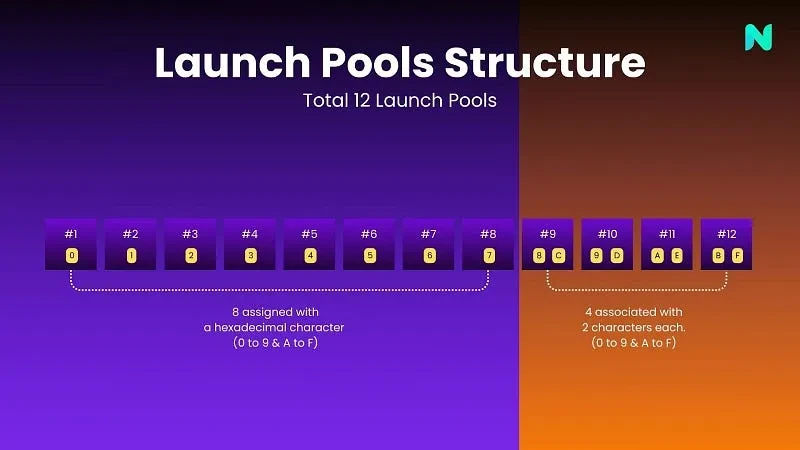
开始时间为 2023 年 12 月 11 日。官方设置了 12 个奖池,后四个奖池获奖概率为前八个奖池的双倍。
解析Nostr Assets首次Fair Mint规则及产投收益情况「BTC生态」

用户选择 12 个奖池中的 1 个,投入 Treat 和 Trick 资产,并获得池内排名

该阶段有以下几个重点:

  • 投入阶段可以持续增加投入资产,排名也是实时的,直至阶段结束。

  • 投入阶段不可退出,一阶段结束时返还 50%  ,二阶段(抽奖)结束后返还 50% 。

抽奖阶段

  • 每个区块,按照区块哈希值的十六进制尾号,选择 12 个奖池中的 1 个;

  • 抽中的奖池前 50 名获得一次奖励(再次抽中则为 51-100 名);

  • 共抽取 300 次, 15000 个获奖地址,前 100 次获得 2160 枚 NOSTR, 101-200 名为 1080 枚, 201-300 名为 540 枚。

解析Nostr Assets首次Fair Mint规则及产投收益情况「BTC生态」

该阶段有以下几个重点:

  • 如果前 200 个区块没有足够的获胜者,多余的份额将在最后分发,每个人将获得 540 个代币;

  • 每个 Nostr 地址只能投入一个奖池;

  • 每个 Nostr 地址只能获奖 1 次。

代币详情

  • 总量: 21, 000, 000 枚

  • Fair Mint 量: 18, 900, 000 枚

  • 获奖数: 2160 枚(前 5000 名获奖者), 1080 枚(后 5000 名获奖者), 540 枚 (后 5000 名获奖者)

  • 持续时间: 300 个区块,约 2.1 天(注:比特币网络一个区块约 10 分钟)

产投估算

Treat&Trick 流通量:约8700 万枚(总量 4.2 亿枚)

Treat&Trick 价格: 0.4 USDT(截至 12 月 8 日 13 时)

情况①:假设所有参与人投入数量一致,则单地址投入数量为 8700000/15000 = 5600 枚

情况②:假设所有参与人按照获奖额度决定投入数量,则 15000 地址中,三档投入比例为 4: 2: 1 ,因此最低投入数为 8700000/15000/7* 3 = 2484 枚,最高为 2484 × 6 = 14904 枚。

成本计算

情况①,成本为 5600* 0.4 = 2240 USDT;情况②,最低成本为 993 USDT,最高成本为 2980 USDT。

收益预估

按照每枚 1 USDT 计算,NOSTR 对应的市值为 2100 万美元,接近 Fair Mint 公布前的 Treat&Trick 市值。

情况①下,单号收益约为 18, 900, 000/15000 × 1 = 1260 美元,成本为 2240 美元×预计下跌率,若 Fair Mint 后下跌 56% ,则零收益。

情况②下,最低单号收益约为 540 美元,成本为 993 美元×预计下跌率,若 Fair Mint 后下跌 54 % ,则零收益。

风险提示

因本此 Fair Mint 昨日才公布使用 Treat&Trick 作为投入资产,Treat&Trick 价格短期内上升幅度巨大,存在 Fair Mint 结束后资产大幅折价风险

比特币生态近期有所退潮,NOSTR 市值预估不明,存在估值不及预期风险

Related Reads

Where Will the Money for the Next Bull Market Come From?

Where Will the Money for the Next Crypto Bull Run Come From? Bitcoin's sharp decline from $126,000 to $90,000 has caused panic and a liquidity crunch. However, structural tailwinds are emerging: the SEC plans an "Innovation Exemption" rule, the Fed is expected to begin a rate-cutting cycle, and global institutional pathways are maturing. The myth of Digital Asset Treasuries (DATs) is fading. Their buying power is insufficient (under 5% of the crypto market) and they can become net sellers during downturns. The real catalysts are institutional. The end of Fed quantitative tightening and potential rate cuts could inject liquidity. A crypto-friendly Fed leadership could further open the banking system to crypto. The SEC's shifting stance, moving crypto from a "threat" to a regulated asset class, reduces compliance barriers. Three key pipelines could deliver the next wave of capital: 1. **Institutional Entry:** Global Bitcoin and Ethereum ETFs provide a standardized entry point. Mature custody and settlement infrastructure (e.g., from BNY Mellon) enables efficient capital deployment. Even a 1-3% allocation from pensions and sovereign wealth funds would represent trillions. 2. **Real-World Assets (RWA):** Tokenizing traditional assets (bonds, real estate) creates a bridge to TradFi. The RWA market, projected to grow 50x to multi-trillions by 2030, offers massive, stable, yield-bearing assets for DeFi (e.g., MakerDAO's use of U.S. Treasuries). 3. **Infrastructure Upgrades:** Layer 2 solutions reduce costs and speed up transactions for institutional use. Stablecoins, with a $166B market cap and $4T in on-chain volume, have become a pillar for compliant, efficient settlements. The money is expected to arrive in phases: a short-term policy-driven rebound (2025-2026), followed by gradual institutional allocation (2026-2027), and finally long-term structural growth powered by RWA integration (2027-2030). The next bull run will be built not on retail speculation, but on institutional trust and infrastructure.

深潮Hace 1 hora(s)

Where Will the Money for the Next Bull Market Come From?

深潮Hace 1 hora(s)

Trading

Spot
Futures
活动图片