押注 RWA 赛道,MakerDAO 与 Frax 孰优孰劣?

长文源:foresightnewsPublicado a 2023-10-31Actualizado a 2023-11-07

Resumen

Frax 的创新性产品值得关注,但 MakerDAO 是真正的现金流之王。

Frax 的创新性产品值得关注,但 MakerDAO 是真正的现金流之王。


撰文:Wajahat Mughal

编译:Peng SUN,Foresight News


作为去中心化稳定币,MakerDAO 与 Frax 现在都以大量 RWA 资产作为储备,那么这两个 DeFi 巨头谁更胜一筹?今天,本文将从储备、收益率与收益来源、收入、未来规划、治理代币等方面对二者进行比较分析。


Maker 和 Frax 是 DeFi 赛道的两个头部协议。Maker 发行的是超抵押去中心化稳定币 DAI,Frax 则推出了去中心化稳定币 FRAX 以及围绕 FRAX 构建的一系列金融产品。


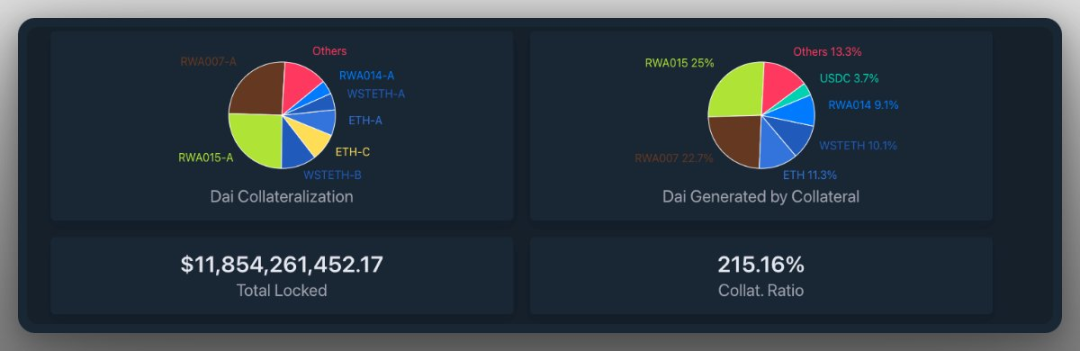
DAI 的储备包括 ETH、稳定币和 RWA,其中大部分是美国国债。FRAX 储备状况近期有所变化,Terra 之后开始从算法稳定币转向抵押稳定币,目前抵押率已接近 100%,之后也不会将 FXS 作为储备。此外,近期 Frax 将 sFRAX 作为 RWA 储备资产,之后还会推出 FXB(债券)。
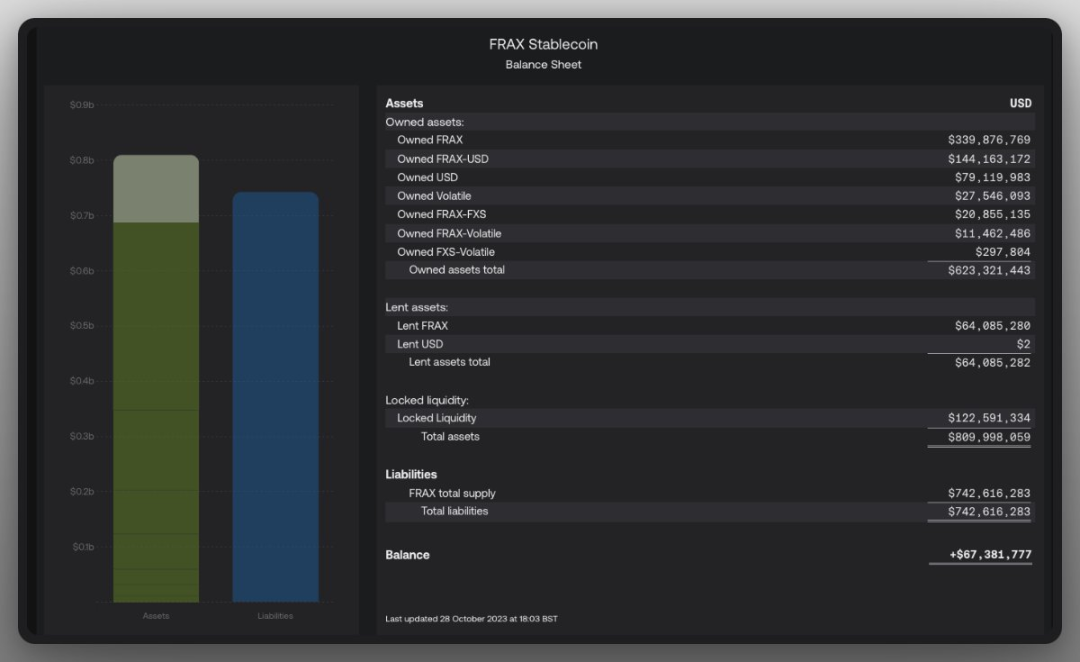


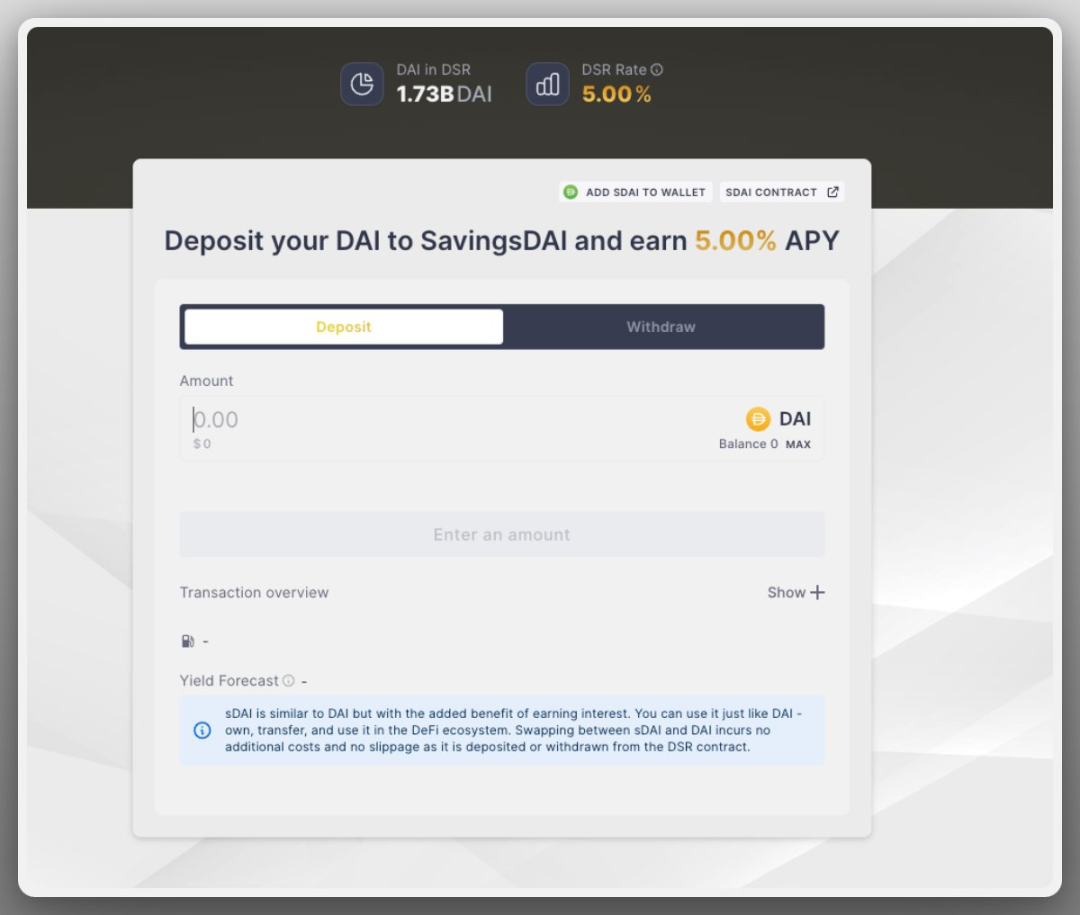
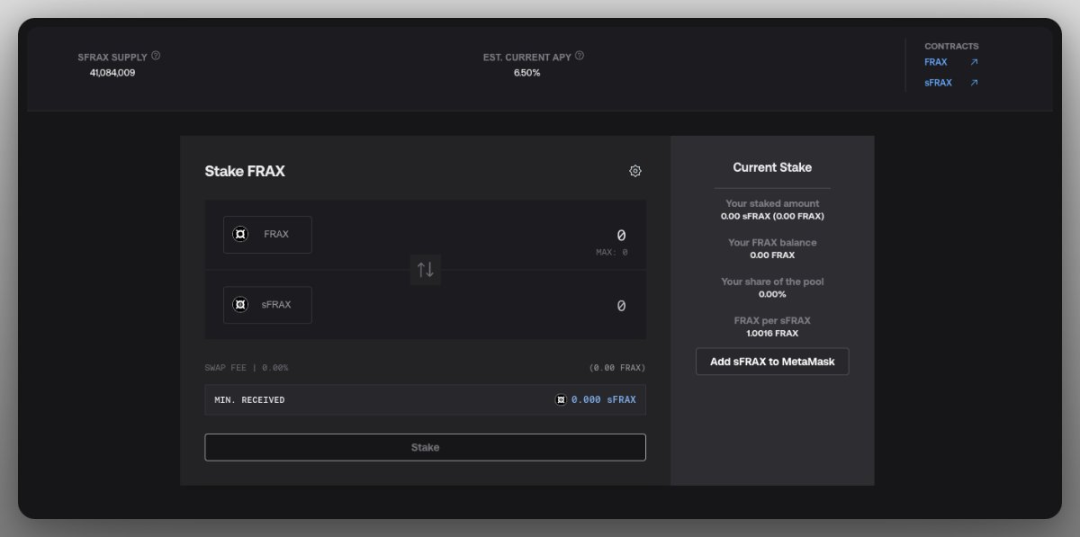
在收益率方面,当前 sFRAX 的年化是 6.5%,供应量为 4100 万枚;sDAI 的年化是 5%,当前供应量是 17.3 亿枚。DAI 的供应量很大,但 FRAX 收益率暂时更高。


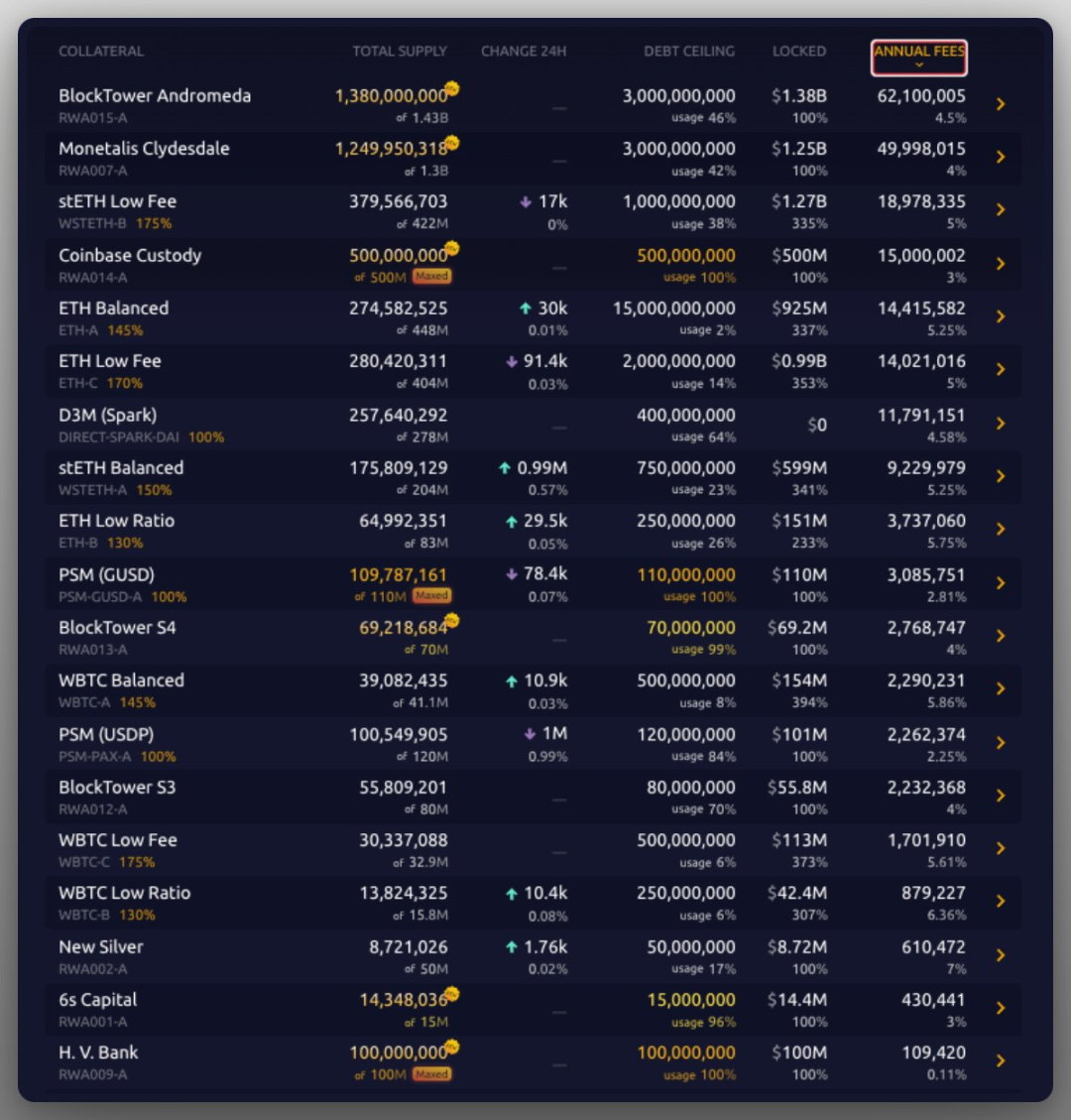
从 makerburn 数据可见,Maker 的 sDAI 收入主要来自各种 RWA 国债利率收益;Frax 的 sFRAX 收益是美联储储备余额利息(IORB)利率,其链下合作伙伴 FinresPBC 则充当 IORB 利率和 sFRAX 之间的中介,将收益转移给 sFRAX。


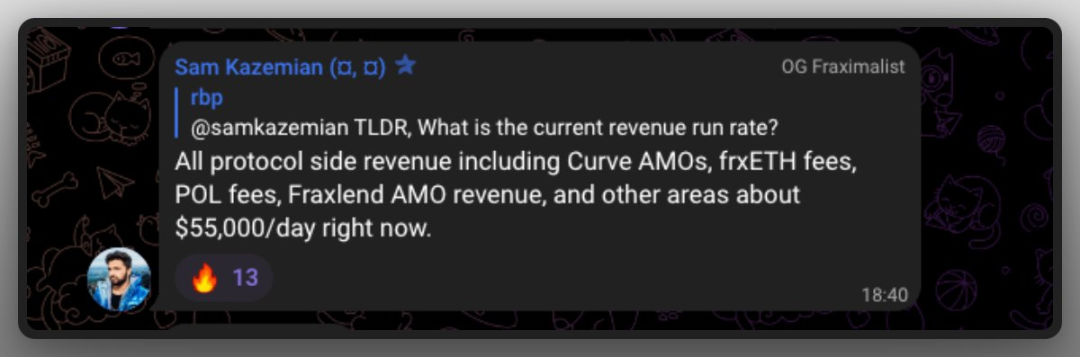
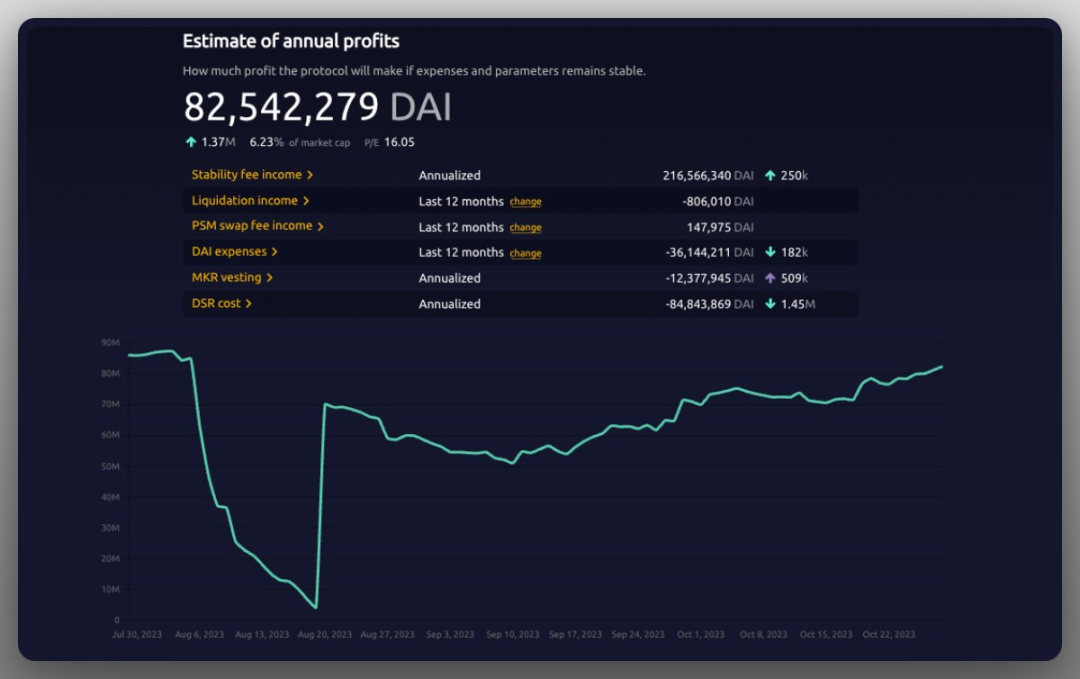
由于供应量最大,Maker 是目前 DeFi 赛道最赚钱的协议之一。FRAX 收入来源很多,包括国债收益、AMO(自动化市场操作)以及 ETH LSD,目前年化收入为 2000 万美元。


作为治理代币,MKR 通过协议收入持续回购代币,目前市值已有 13 亿美元;FXS 现在市值是 4.5 亿美元,之后也将从协议中获得收入(目前所有努力都是为了使抵押率达到 100%)。
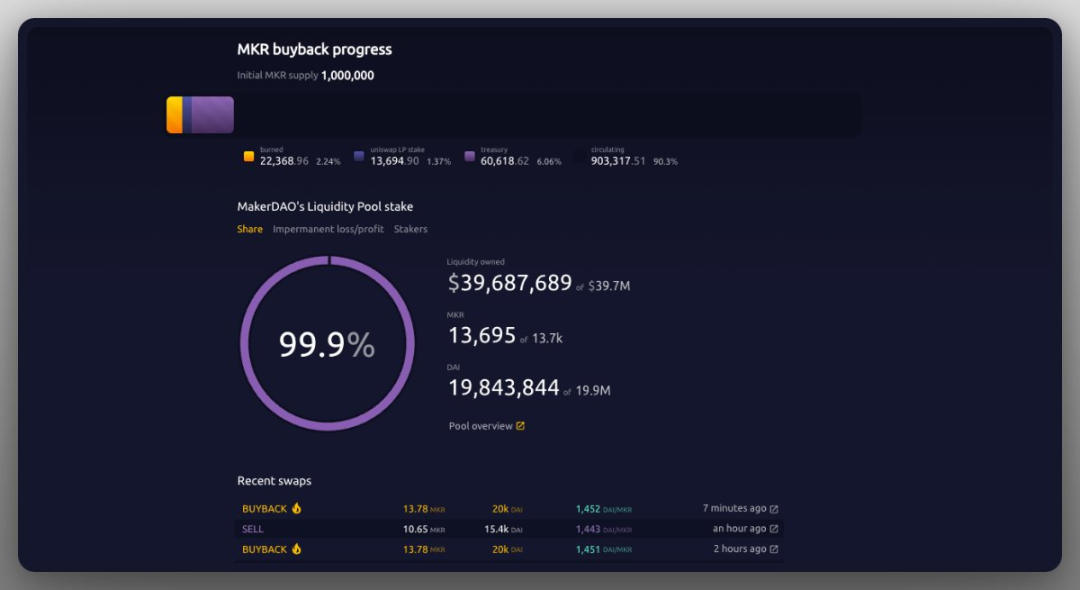


总体来说,这两个协议都很出色,Maker 仍然是现金流之王,Frax 则不断推出具有创新性的产品。更何况,它们对于未来的发展也都有着新的规划。


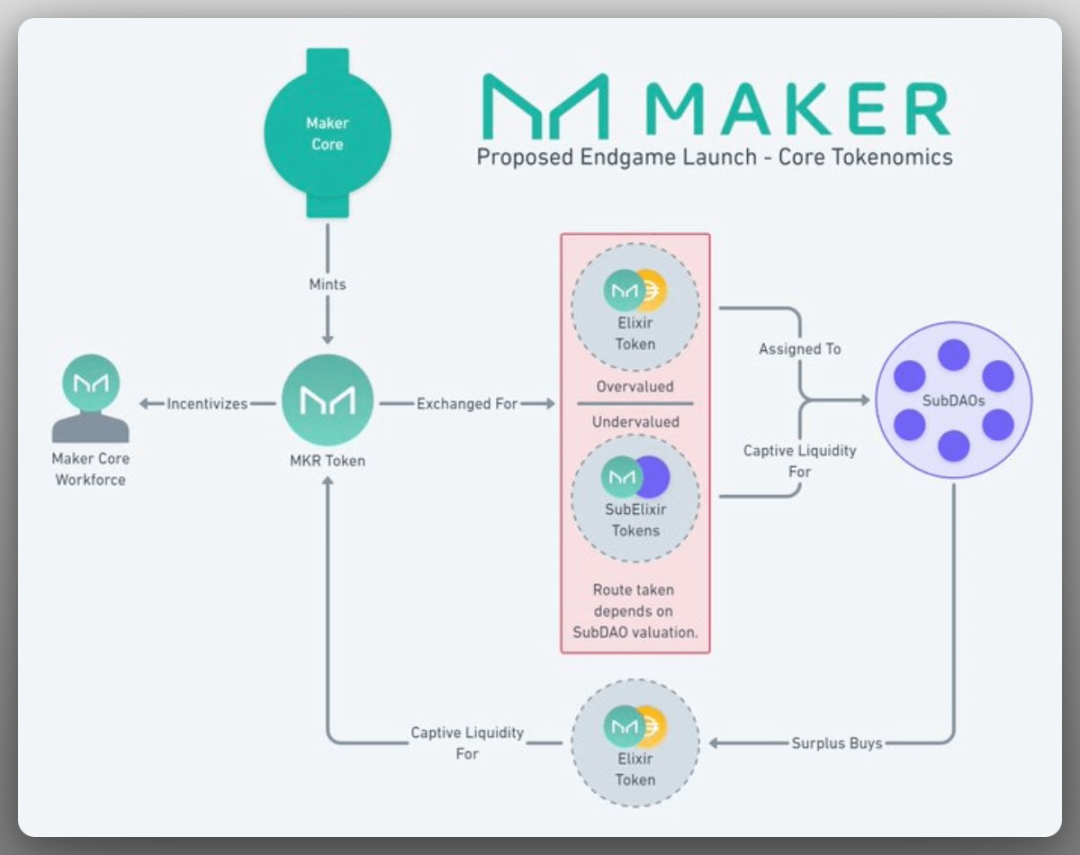
具体而言,Maker 的 Endgame 包括代币品牌重塑、移除中心化稳定币、推出子 DAO、AI 集成以及最终的 Maker Chain。Frax 则专注于 Frax 债券、frxETH 质押产品更新以及以太坊上的新 Layer2 Frax Chain。


我个人比较喜欢 Frax,因为 Frax 生态及其产品真的很有意思,但不得不佩服 Maker,这是真正的资产现金流之王。

Lecturas Relacionadas

More and More People Are Using Xiaohongshu as an AI Incubator

"More and more people are turning Xiaohongshu into an AI incubator," observes an article exploring a shift in China’s tech innovation landscape. The AI wave is no longer dominated by experienced tech experts; instead, young people—often with humanities backgrounds, and increasingly Gen Z or even younger—are driving creativity. This reflects a broader trend: AI is transforming entrepreneurship from a capital-heavy, top-down model into a lightweight, accessible process. The rise of "AI Native" creators was highlighted at a recent Xiaohongshu hackathon, where diverse teams showcased projects targeting highly specific, everyday problems—from AI-generated PPT improvements to brain-controlled wheelchairs and apps that simplify communication with hairstylists. The winning project, "Pocket Guitar," offers a portable, user-friendly music tool that mimics real guitar playing. These innovators embrace a "Build in Public" approach: they share ideas, progress, and failures openly on Xiaohongshu, turning development into a collaborative, community-driven process. This method helps validate demand, recruit team members, and grow user bases organically. For instance, one 23-year-old founder assembled a distributed team through technical discussions on the platform, while a 13-year-old award winner used AI to learn coding and solve real-world problems. Two key factors enable this movement: AI democratization (lowering technical barriers) and the power of social communities (enabling open collaboration and instant feedback). Xiaohongshu, originally a lifestyle and shopping guide platform, has thus evolved into a vital innovation infrastructure. It connects creators with real user needs, facilitates low-cost prototyping, and fosters a culture of co-creation. This shift signals a new era of innovation—defined not by grand narratives and scale, but by granular insights, individual creativity, and trust-based community support. Xiaohongshu’s role is expanding from answering "what to buy" to "what to create," positioning it as a potential "App Store for the AI era."

marsbitHace 31 min(s)

More and More People Are Using Xiaohongshu as an AI Incubator

marsbitHace 31 min(s)

Institutional Adoption of Prediction Markets Stuck at the Third Stage

Prediction markets are transitioning from niche platforms focused on elections and sports to mainstream financial tools, as highlighted at Kalshi Research's inaugural conference. While sports still dominate trading volume (around 80%), non-sports categories like macroeconomics, politics, and entertainment are growing faster, signaling a shift from entertainment-based trading to information and risk management tools. Institutions, including Wall Street firms, are increasingly using prediction markets for data reference (Stage 1 adoption), with some progressing to system integration (Stage 2). However, full-scale trading (Stage 3) is limited due to the lack of margin trading, requiring full collateral for positions—a barrier for leverage-dependent entities. Kalshi is working with regulators to introduce margin mechanisms. Key insights from participants like Goldman Sachs and CNBC emphasize the value of real-time pricing for events (e.g., Fed decisions, tariffs), providing benchmarks previously unavailable. The path to maturity mirrors historical financial instruments like options, with expectations that prediction markets will become institutional staples within five years. Political leaders, including Trump and Schumer, now cite Kalshi odds, underscoring its growing influence. The platform rewards domain expertise over traditional finance backgrounds, attracting diverse participants from fields like music and poker. Ultimately, prediction markets are evolving into critical infrastructure for pricing uncertainty.

marsbitHace 1 hora(s)

Institutional Adoption of Prediction Markets Stuck at the Third Stage

marsbitHace 1 hora(s)

Trading

Spot
Futuros
活动图片