Is It A Good Idea To Buy Curve Now? Here’s What This Founder Thinks

newsbtcPublicado a 2023-08-01Actualizado a 2023-08-01

Resumen

In the wake of a massive exploit, the price of the Curve (CRV) token has declined drastically, recording double-digit losses in the last day. This has led to what some...

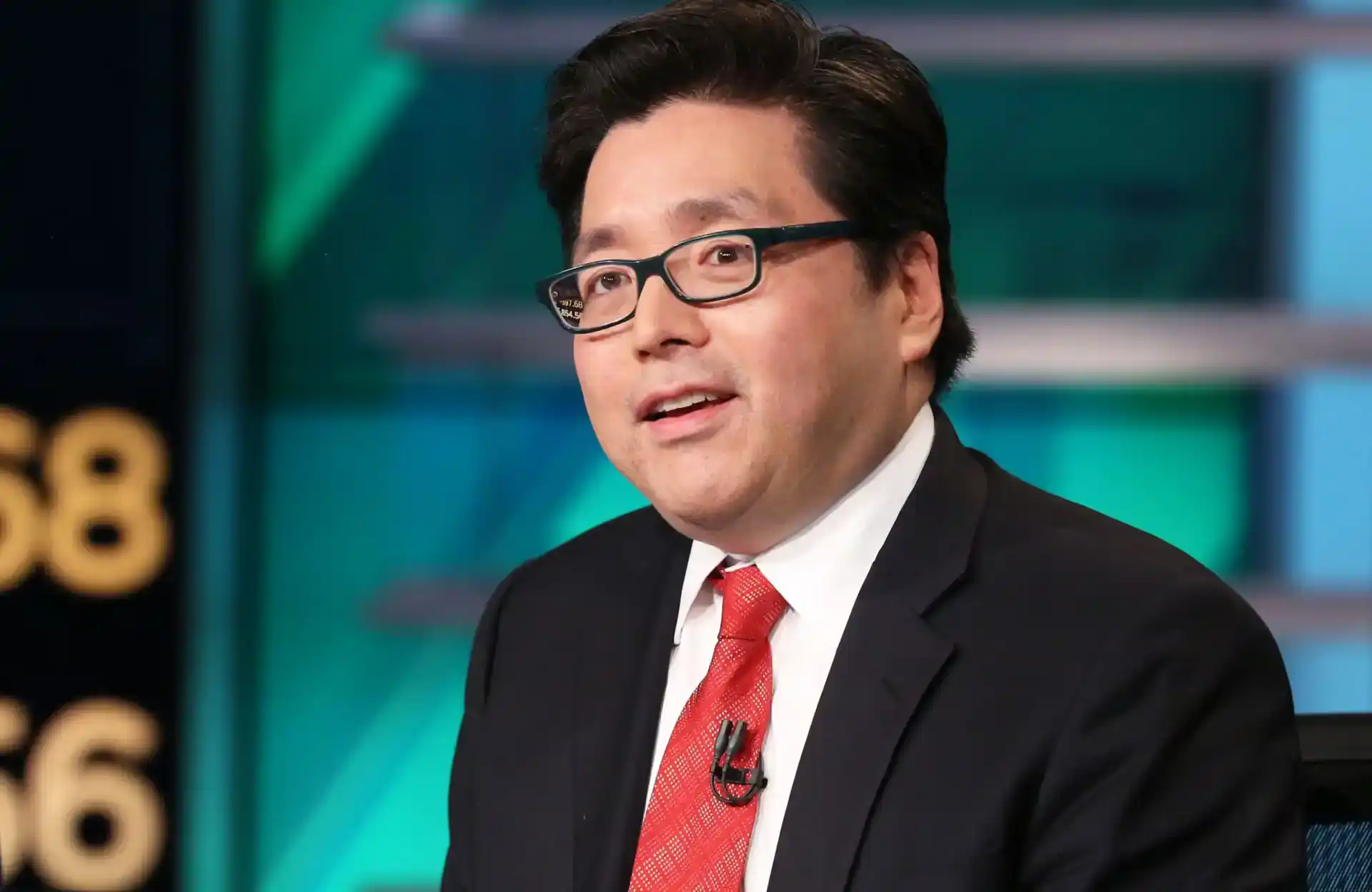
In the wake of a massive exploit, the price of the Curve (CRV) token has declined drastically, recording double-digit losses in the last day. This has led to what some would call an opportunity to buy cheap coins and Matrixport and Bitdeer founder Jihan Wu is one of the believers.
A Good Time To Buy Curve (CRV)?
Jihan Wu recently tweeted that he bought the CRV dip. According to Wu, he remains a strong believer in the token because of its future applications.
Wu’s tweet comes at a time when Decentralized Finance (DeFi) platform Curve DAO’s native token CRV has been down by more than 12% in the last 24 hours. This dip came following an exploit in some of Curve’s stablecoin pools. 
The exploit on the protocol reportedly occurred due to a bug in the Vyper programming language, which is used to power part of the DEX’s ecosystem. 
Despite this occurrence, Wu believes that this is a good time to invest in the CRV tokens as these tokens will play a significant role in the coming RWA (Real World Assets) wave in reference to the tokenization of physical assets.
“In the coming RWA wave, $crv is one of the most important infrastructures. I have BTFD. NFA,” the founder said in the tweet.
Without a doubt, the tokenized industry is growing and boasts immense potential. Last year, a World Economic Forum survey projected the tokenized assets industry to account for almost 10% of the global GDP by 2027. 
The tokenization of real-world assets will involve bringing physical assets like houses, arts, and precious metals on-chain. This will undoubtedly provide easier access and promote fractional ownership of these assets. 

Curve (CRV) price chart from Tradingview.com

CRV price declines over 14% following exploit | Source: CRVUSD on Tradingview.com
As Wu has highlighted, DeFi protocols like Curve and tokens like CRV will play an integral role in facilitating transactions involving the transfer and trade of these tokenized assets. 
DeFi Security Remains A Stumbling Block
The several exploits on DeFi protocols continue to remain a huge problem in the DeFi ecosystem and something which many consider a stumbling block to the wider adoption of DEXs over CEXs by many crypto users. Recently, Curve Finance’s Omnipool platform, Conic Finance, suffered an exploit that resulted in the hacker stealing over $3 million in Ether.
A report from Web3 portfolio app De.Fi found that over $204 million was lost to hacks and exploits in the DeFi ecosystem in Q2 of 2023 alone. The number of incidents (117) in Q2 this year translated to an “almost 7 times” increase in comparison with Q2 of 2022 (17 incidents). 
According to the report, over $665 million have been lost to such exploits this year. And these breaches further highlight the need for DeFi protocols to implement enhanced security mechanisms on their platforms.

Lecturas Relacionadas

When Real Estate Ownership Goes Digital: What Happens to Your Rights, Risks, and Liquidity?

"Tokenizing Real Estate: Rights, Risks, and the Path to Liquidity" While tokenizing real-world assets (RWA) gains traction, real estate presents unique complexities. Beyond technical token issuance, critical challenges remain: enforcing legal rights, managing the underlying physical asset, and creating genuine secondary market liquidity. This article explores these issues through OneAsset, a Dubai-based commercial real estate (CRE) tokenization platform. OneAsset moves away from simply offering asset fragmentation. Instead, it focuses on institutional-grade infrastructure, prioritizing asset quality, legal enforceability, and operational fundamentals. Each property is held in an independent, single-asset vault, backed by a legally separate Special Purpose Vehicle (SPV) for bankruptcy remoteness. Investors acquire tokens representing the economic rights to a specific property, with precise legal claims defined by the underlying SPV structure. OneAsset emphasizes that tokenization cannot transform a poor-quality asset. Its initial focus is on institutional investors and quality Dubai-based CRE, selected for stable tenant cash flows and a clear regulatory environment. The platform integrates compliance by design, aiming to embed investor qualification and transfer rules directly into the token architecture. A core insight is that asset fragmentation does not automatically create liquidity. True liquidity depends on the asset's inherent quality—its location, cash flow, and valuation—as well as sufficient buyer demand. The goal is not just tradability, but making real estate rights more easily priced, verified, and reallocated. Looking ahead, the article discusses the potential for "AiFi" (AI-powered finance). For AI agents to autonomously allocate capital, investment assets like real estate tokens must become truly "machine-readable." This requires a high degree of standardization in legal rights, valuations, cash flows, and compliance data—a direction OneAsset is pursuing through its structured data reporting. In conclusion, real estate tokenization is shifting from a technology narrative to a focus on asset fundamentals. Blockchain can enhance efficiency and programmability, but it cannot replace sound underwriting, property management, or legal execution. The real work begins after the asset is on-chain.

marsbitHace 23 min(s)

When Real Estate Ownership Goes Digital: What Happens to Your Rights, Risks, and Liquidity?

marsbitHace 23 min(s)

After Affecting Two Generations, Meta Ordered to Pay $18 Billion in Damages

After more than two decades, a legal parallel has emerged. In 1998, major U.S. tobacco companies settled for $206 billion, leading to strict advertising bans and warning labels that significantly reduced smoking rates. On August 26, 2026, Meta reached a landmark settlement with U.S. attorneys general, agreeing to pay up to approximately $18 billion and implement mandatory changes to Facebook and Instagram. This historic settlement, one of the largest against a tech company, stems from allegations that Meta deliberately designed addictive features like infinite scroll and push notifications, harming youth mental health and violating child privacy laws. Facing a potential $1.4 trillion lawsuit and a series of unfavorable jury verdicts, Meta chose to settle on the eighth day of trial to avoid a catastrophic ruling. The core of the agreement is not just the financial penalty, which Meta will pay over 10 years, but a series of strict, 10-year product mandates for young users. These include a hard two-hour daily time limit (combined across apps), a default "nighttime block" from midnight to 6 AM, restricted notifications during school hours, hidden "like" counts, an optional non-algorithmic feed, and stronger age verification. An independent auditor will monitor compliance. Crucially, roughly 30% ($5.3 billion) of Meta's payment is contingent on YouTube and TikTok adopting similar measures and paying around $5 billion each. This move aims to create an industry-wide standard and prevent Meta from being competitively disadvantaged. The settlement is being likened to Big Tobacco's "tobacco moment." By legally framing addictive algorithm design as a "public nuisance," it sets a powerful precedent. Nearly 3,000 similar cases are pending against other social media giants, signaling a fundamental shift in regulatory pressure. The era where platforms could deny the addictive impact of their designs on children is effectively over.

marsbitHace 28 min(s)

After Affecting Two Generations, Meta Ordered to Pay $18 Billion in Damages

marsbitHace 28 min(s)

Trading

Spot
活动图片