除了OpenSea,上榜《时代》百大影响力企业的还有哪些元宇宙公司?

区块律动Publicado a 2022-03-31Actualizado a 2022-03-31

Resumen

《时代》眼中的元宇宙翘楚是怎么样的?

今年《时代》杂志的 100 大最具影响力企业榜单已经出炉,律动 BlockBeats 整理翻译了其中和加密、元宇宙相关的公司以及《时代》给出的评语:
OpenSea:给 NFT 加把火
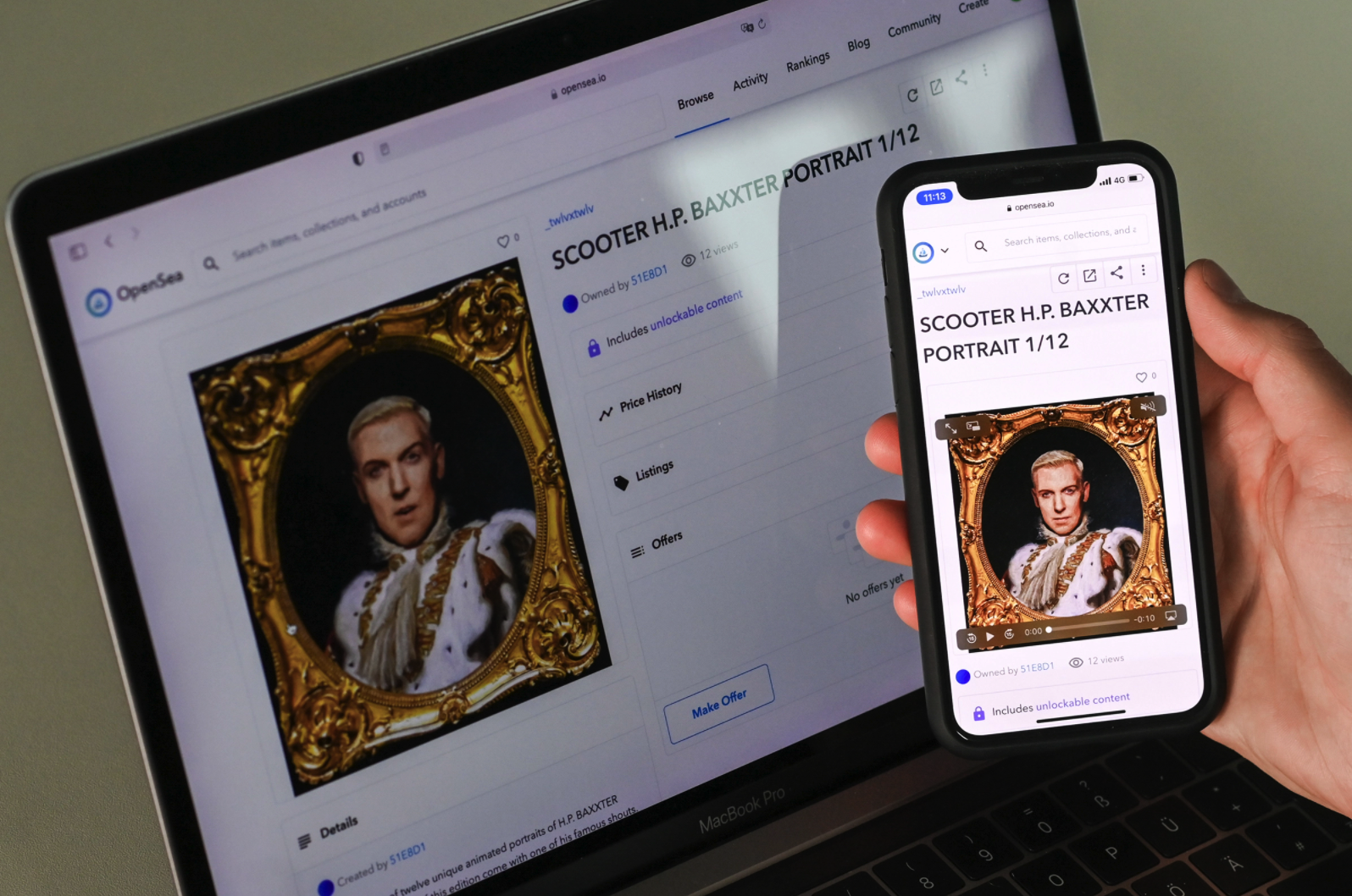
一件以 Scooter 主唱 H.P. Baxxter 为特色的数字艺术品在 OpenSea 上拍卖
OpenSea 2021 年的交易额超过 140 亿美元,是前一年总额的 646 倍。OpenSea 已经巩固了它全球最受欢迎的 NFT 市场地位,NFT 这种基于区块链的技术让对数字艺术、数据等的所有权主张成为可能。
OpenSea 首席执行官兼联合创始人 Devin Finzer 说:「除了艺术和创意工作,NFT 的用例正在扩展到票务、游戏、音乐和时尚。可能有一天,我们拥有的几乎所有东西都会在区块链上得到证明。」
OpenSea 现在有 100 多万用户,但它的迅速崛起并非完全顺利,例如它还在与平台上盗版侵权的行为作斗争。
苏富比:拍卖数字珍宝

Creation of My Metaverse (Between this World and the Next) by Serwah Attafuah,2021 年 6 月 4 日上拍苏富比
这家拥有 278 年历史的拍卖行在 2021 年卖出了价值 73 亿美元的艺术品,这要部分归功于它愿意投身于炙手可热的 NFT 业务。
苏富比的大部分销售仍然涉及更熟知的艺术形式,如波提切利或班克西的作品,但去年苏富比拍卖会上售出了 1 亿美元的 NFT,从「无聊猿」到万维网源代码。
虽然佳士得和其他拍卖行也对这种新技术表现出兴趣,但苏富比是第一家在元宇宙开设虚拟画廊的大拍卖行,这帮助它在一场颠覆几个世纪以来竞标和销售规范的技术革命发生时脱颖而出。
The Sandbox:数字圈地运动
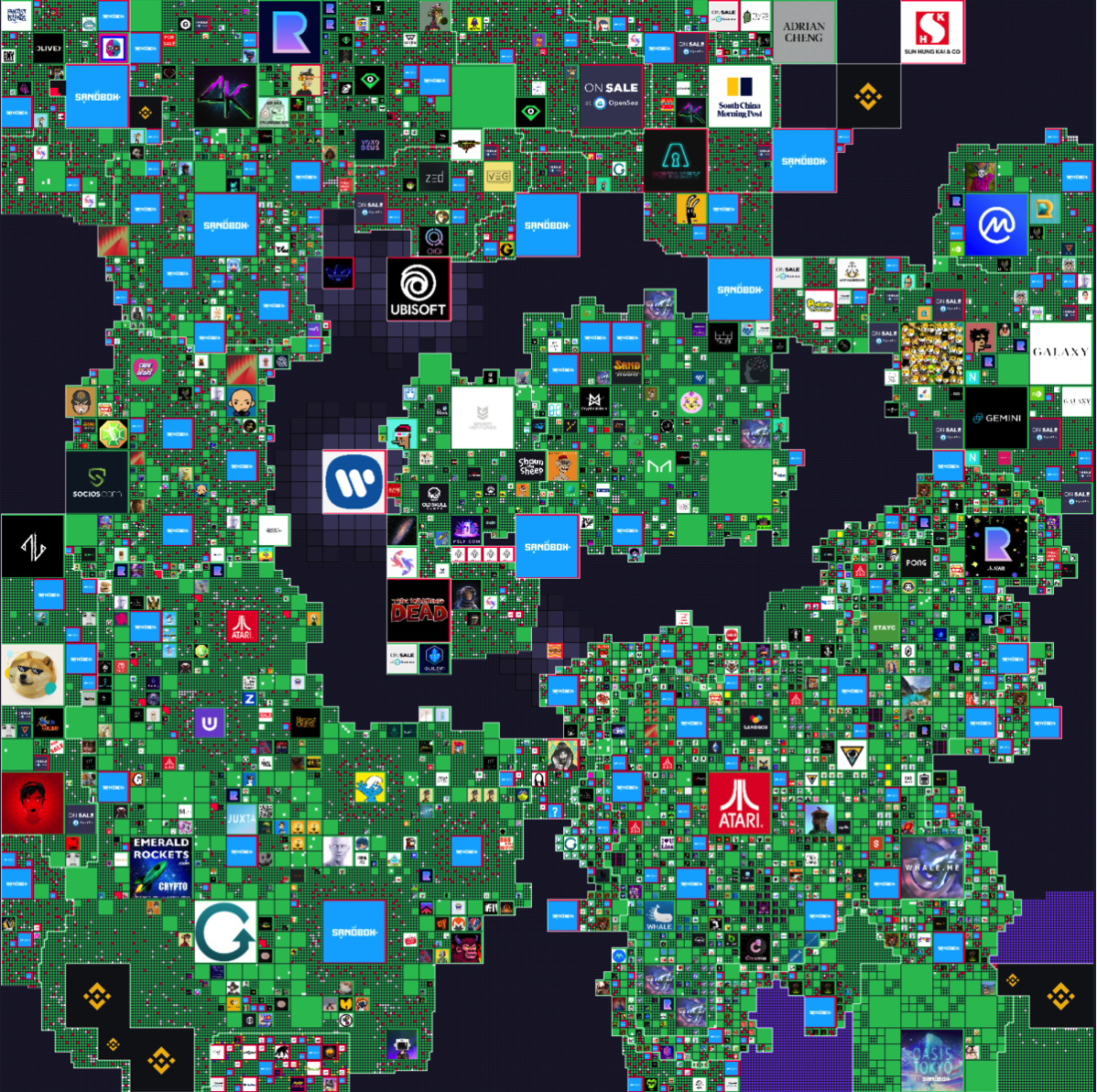
2022 年 2 月的 The Sandbox 地图
房地产几乎总是一种热门投资——在 The Sandbox 这个基于区块链的虚拟世界中似乎依旧如此。
The Sandbox 已经售出了至少 20 亿美元的数字「土地」。在 The Sandbox 的 210 万用户中,有 19,000 名(同比增长 375%)「拥有这个新世界的一部分,并正在为建设它做出贡献,」The Snadbox 联合创始人 Sebastien Borget 表示。
大品牌和名人也在参与其中:2 月,Gucci 以未披露金额购买了 The Sandbox 的土地,以建立互动购物体验,而 Snoop Dogg 则以大约 475 美元一个的价格售出了数千个可玩的 Avatar。
Meta:让元宇宙成为主流
2021 年 10 月 28 日,美国纽约举行的虚拟 Facebook Connect 活动上,Facebook 公司首席执行官马克 · 扎克伯格身着击剑服装
在去年 10 月的一次主题演讲中,当时的 Facebook 首席执行官马克 · 扎克伯格以一个卡通 Avatar 形象现身,并宣布了两项重大消息:Facebook 将更名为 Meta,并将自此专注于构建「元宇宙」。元宇宙是一个虚拟领域,信徒们说它是互联网的未来。
这一举动立即让元宇宙这一概念成为主流,迫使微软和谷歌等竞争对手同样大肆宣传类似的努力,也引发了对形形色色元宇宙相关公司的投资狂潮。但此后投资者对这一想法的降温,加之苹果的 Ad Targeting 禁令,现在 Meta 的市值几乎是去年 6 月万亿美元市值的半数。
除此之外,公众对吹哨人 Frances Haugen 的披露仍然感到担忧——他说该公司对 Facebook 伤害用户心理健康和全球民主的了解远比之前透露的要多。
Rec Room:虚拟游乐场
随着几乎所有技术主管都突然谈论元宇宙,Rec Room 被推到了风口浪尖。
3700 万名玩家用该公司的社交虚拟现实应用,创建和分享大量的游戏和其他数字体验,Rec Room 已成为元宇宙中最大、最多样化和最早的成功案例之一。
首席执行官兼联合创始人尼克-法伊特说:「这个平台已经成为人们可以聚在一起形成有意义的联系、建立社区和分享创造力的地方。」
Together Labs:元宇宙货币
Together Lab 的 VCOIN
社交平台 IMVU 一直是元宇宙游戏中的大玩家,有 700 万月活量。去年,IMVU 母公司 Together Labs 更进一步推出了 VCOIN,这是一种基于区块链的加密货币,用户可以在 IMVU 内消费或兑换成法币。Together Labs 首席执行官 Daren Tsui 表示,VCOIN 是唯一一个美国证券交易委员会发出无异议函(No-action Letter)的活跃使用加密货币,为其他元宇宙建立自己未来的加密货币奠定了「基石」。
Rendever:VR 的新用途
Rendever 的虚拟现实平台通过 VR 和直播节目,让社区老年居民能够再次享受生活
过去的两年里,老年人遭受了两种流行病的折磨:一种是新冠病毒,另一种是由旨在减少病毒传播的社会隔离。
Rendever 为后者提供了一种高科技解决方案:通过虚拟现实,Rendever 为老年人创造了共享体验,以对抗孤独(与痴呆和中风等健康风险息息相关)和改善身体健康。
Rendever 的技术已在美国、加拿大和澳大利亚的 400 多家疗养院中使用,联合创始人兼首席执行官凯尔·兰德 (Kyle Rand) 表示该技术正在「让全球参与者生活得更美好」。

Lecturas Relacionadas

Ratio's CEO Says Multi-Currency Stablecoins Could Eliminate Costly FX Conversions in Asia

The CEO of Ratio, John Cho, argues that multi-currency stablecoins could save Asia billions by eliminating costly foreign exchange conversions in regional trade. While USD stablecoins like USDT and USDC work for global settlements, local Asian trade is conducted in local currencies like the Korean won or Singapore dollar. Forcing these transactions through USD intermediaries creates unnecessary costs and currency risk. Cho envisions a complementary ecosystem where local-currency stablecoins work alongside USD stablecoins, enabling seamless cross-border settlements without conversion friction. A key pain point in traditional banking is the need for pre-funded Nostro and Vostro accounts, which lock up vast amounts of working capital. Blockchain-based settlement layers like Ratio offer a 24/7 alternative, using on-chain liquidity to enable instant execution even when traditional channels are closed. Modern Web3 infrastructure providers are focusing on pragmatic integration with existing corporate systems like ERPs, allowing businesses to gradually shift volumes to digital channels for better speed, cost, and reduced slippage. Clear regulation is cited as the critical catalyst for widespread institutional adoption. As jurisdictions like the U.S. advance legislation (e.g., the CLARITY Act) and Asian countries are expected to pass their own stablecoin laws within 12-24 months, regulatory uncertainty is receding. The ultimate vision is for regulated stablecoins to become an invisible settlement layer integrated into national payment systems, where payments simply happen on-chain, erasing the boundary between traditional banking and digital assets.

cryptonews.ruHace 4 min(s)

Ratio's CEO Says Multi-Currency Stablecoins Could Eliminate Costly FX Conversions in Asia

cryptonews.ruHace 4 min(s)

Huang Xiaoming, Li Bin, Lei Jun, Liang Wenfeng... Who Are the Biggest Winners in the CXMT IPO Feast?

Changxin Technology, a leading Chinese memory chip manufacturer, successfully listed on the Shanghai Stock Exchange's STAR Market (科创板) on July 8, 2026. Its share price surged from the IPO price of 8.66 yuan to close at 49 yuan on the first day, catapulting its market capitalization to 3.28 trillion yuan, making it the most valuable A-share company and triggering a massive wealth creation event. The biggest winners were the company's founder, Zhu Yiming, and its employees. Zhu Yiming's family wealth skyrocketed nearly 300% to approximately $13.9 billion, with his direct stake in Changxin valued at around 80 billion yuan. Additionally, over 6700 employees benefited from stock ownership plans, creating at least 237 new millionaires (in CNY). Zhu also pledged to donate 768 million shares, worth over 37.6 billion yuan, for future employee incentives over a ten-year period. Several prominent investors and corporate clients also reaped significant paper gains from the IPO. Notable figures include: * **Liang Wenfeng**, founder of DeepSeek, whose funds netted a paper profit of approximately 827 million yuan. * **Kong Jianping**, founder of Nano Labs, saw his indirect holdings valued at roughly 940 million yuan. * **Li Bin**, founder of Nio, whose company's strategic investment of 158 million yuan is now worth about 740 million yuan. * **Lei Jun**, founder of Xiaomi, whose subsidiary holds shares currently showing a paper gain of over 736 million yuan. Xiaomi clarified this is a corporate investment, not direct personal wealth. The article notes that while this IPO created immense wealth for insiders and large investors, retail investors who were lucky enough to win an allotment in the lottery typically profited by around 20,000 yuan. The listing solidifies Changxin's position as China's premier domestic memory chipmaker.

marsbitHace 14 min(s)

Huang Xiaoming, Li Bin, Lei Jun, Liang Wenfeng... Who Are the Biggest Winners in the CXMT IPO Feast?

marsbitHace 14 min(s)

IOSG: From Hot Storage to Cold Memory – Decentralized Storage in the AI Era's Storage Boom

This article explores the stark contrast between the booming AI storage sector and the currently undervalued decentralized storage market. It argues their core value propositions differ fundamentally: AI storage is a "hot data efficiency" system designed to maximize computational throughput, GPU utilization, and business monetization by accelerating data flow into processors. In contrast, decentralized storage represents a "cold data trust" system, prioritizing data immutability, censorship resistance, and the preservation of long-term human memory. The analysis details the multi-layered AI storage architecture, from high-bandwidth memory (HBM) and enterprise SSDs for high-performance needs to data lakes for capacity. It highlights how AI has repositioned storage from a cost center to a critical efficiency engine. Decentralized storage, exemplified by Filecoin and Arweave, is examined for its distinct philosophies and current challenges, including product-market fit, retrieval latency, and enterprise adoption hurdles. Despite its current quiet phase, the article posits that decentralized storage holds unique future value for AI data provenance, public dataset archiving, compliance, and safeguarding civilizational records against censorship. The conclusion suggests that while the market currently rewards efficiency, the need for trusted, permanent data layers may eventually lead to a revaluation of decentralized storage's role.

marsbitHace 19 min(s)

IOSG: From Hot Storage to Cold Memory – Decentralized Storage in the AI Era's Storage Boom

marsbitHace 19 min(s)

Exploring ChangXin Technology's Hefei Headquarters: The Rising Campus Ignites Changgang CBD, Grassroots Employees 'Witness' Wealth Creation Myth

"On-the-Ground Visit to CXMT's Hefei Headquarters: Campus Boom Ignites Changgang 'CBD,' While Rank-and-File Employees Watch Wealth Creation Myth from the Sidelines." Following CXMT's (ChangXin Memory Technologies Inc., 688825.SH) explosive stock market debut on July 27, where its share price surged over fivefold, a site visit to its Hefei headquarters reveals a stark contrast. While the company's市值 soared, making it A-share's most valuable firm,基层员工 indicate the wealth creation has largely bypassed them. Employees reveal that股权激励 is restricted to managerial levels (Grade 9科长 and above), with most普通员工 at Grades 11 or 12. Salaries, while considered high for Hefei at around 200,000 RMB annually, fall short of the millions speculated online. Work routines remain demanding, with long hours, phone confiscation in sensitive areas, and strict保密 protocols forbidding unauthorized external communication. Simultaneously, CXMT's expansion is visibly transforming the once-rural Changgang area. Ongoing construction includes multiple new phases, with an industrial chain of supporting companies集聚 around the campus. This growth has spurred local development: housing prices initially skyrocketed, and a vibrant commercial district dubbed "Changgang CBD" now thrives, catering to the潮汐效应 of shift workers. The area has evolved from construction sites to a bustling hub, though the company's stringent安保, including high-voltage perimeter fencing, underscores its sensitive nature. The report concludes that while CXMT's rise fuels regional economic activity, the immediate financial rewards of its上市 are not shared by its frontline workforce.

marsbitHace 20 min(s)

Exploring ChangXin Technology's Hefei Headquarters: The Rising Campus Ignites Changgang CBD, Grassroots Employees 'Witness' Wealth Creation Myth

marsbitHace 20 min(s)

Huang Xiaoming, Li Bin, Lei Jun, Liang Wenfeng... Changxin IPO Feast, Who's the Biggest Winner?

Changxin Technology's IPO on the Shanghai STAR Market created significant wealth for its stakeholders. Founder Zhu Yiming and his family saw their wealth surge nearly 300%, with his stake in Changxin alone valued at approximately 80 billion RMB. Over 6700 employees benefited, creating at least 237 new millionaires. Several prominent figures also profited. Liang Wenfeng, founder of Deepseek, saw a paper gain of 827 million RMB through his funds' participation. Kong Jianping, founder of Nano Labs, holds an indirect stake worth around 940 million RMB, representing a roughly 44x return on his 2020 investment. Former Midea executive Huang Xiaoming gained approximately 503 million RMB. Strategic investors included industry partners. Nio, represented by founder William Li, pledged 158 million RMB for shares now showing a paper gain of about 740 million RMB. Similarly, a Xiaomi subsidiary acquired shares resulting in an over 736 million RMB gain, though the company clarified this is a corporate investment, not directly attributable to founder Lei Jun's personal wealth. Founder Zhu Yiming further plans to donate shares worth over 37.6 billion RMB for future employee incentives. The IPO solidified Changxin's position as a leading domestic memory chip maker, triggering a widespread wealth creation event for its network of founders, employees, and investors.

Odaily星球日报Hace 34 min(s)

Huang Xiaoming, Li Bin, Lei Jun, Liang Wenfeng... Changxin IPO Feast, Who's the Biggest Winner?

Odaily星球日报Hace 34 min(s)

Trading

Spot
活动图片