Blur 创始人回应“刷量”:我们为NFT市场引入做市商,将推动整个行业向前发展

FPublicado a 2023-03-01Actualizado a 2023-03-01

Resumen

“Blur的策略为 NFT 市场引入了做市商,从而带来了更高的流动性。”

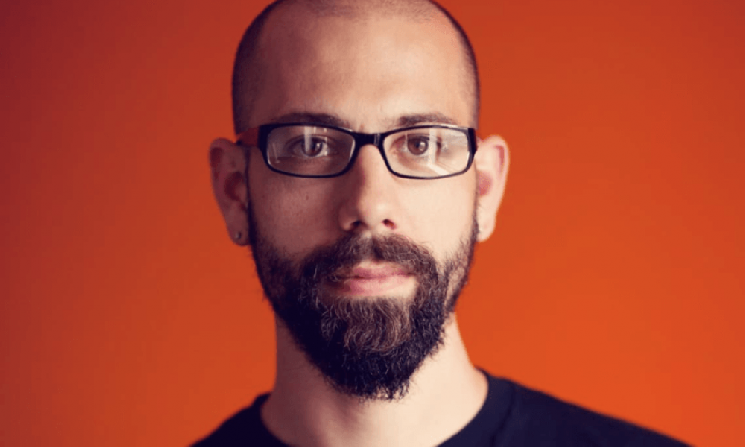
近期因为 Blur 第二阶段的空投预期,使得 NFT 市场的交易变得史无前例地旺盛。然而这种因「刷空投」而带来的交易量上涨引发了市场对其不可持续性以及市场操控的担忧。对此,Blur 的创始人认为 Blur 的激励机制实际上是为 NFT 领域引入「做市商」概念,并进一步推动 NFT 行业向前发展:

1/5 传统市场和代币市场的绝大部分交易量来自少量做市商(实际上不到 10 家)。做市商的交易活动与收藏家的交易活动是完全不同的。我看到了很多关于该方面的误读,所以在此进行解释。

2/5 在 Blur 之前 NFT 领域鲜有做市商的存在。Franklin 和 Machi Big Brother(黄立成)是最早一批有一定交易规模(相较而言)的「做市商」,他们相当于是 NFT 领域的 Jump Trading 和 Jane Street。而当该领域成熟后你会看到越来越多的做市商。

3/5 大家需要了解的是,做市商不是刷量交易员。它们提供流动性并从围绕资产真实价值波动的价差中获利。他们进行的每笔交易都会向创作者支付版税。

4/5 他们的交易活动与 NFT 爱好者习惯的交易活动不同。但是他们的加入可以让更多的玩家进入这个领域。它们提供的流动性使购买新的收藏品变得更加安全,从而带来更高的交易量和更高的创作者收入。

5/5 随着基础设施和流动性的改进带来的推动力,代币的世界呈现出爆炸式增长。未来 NFT 也将迎来大规模的增长,而做市商的加入仅仅是个开始。

除了上述的推文之外,Pacman 还引用了此前在芝加哥期权交易所的做市商工作的 Sugar Shane 的一些观点。Sugar Shane 认为,传统领域的做市商通过低买高卖还获取利润,并为新建立的交易平台提供流动性,因此对做市商而言需要专业的交易策略来实现。

不过 Sugar Shane 也直言,对于 Blur 来说,在过去几个月时间里该平台上的大量的交易者不能称为真正的交易员,因为他们的出价和卖价并未设置合理的价差,这部分用户只是希望获取更多的代币空投。但是,究竟是保持合理的利差的获利更高,还是唯「刷空投」是图的获利更高,只能等 Blur 下一轮空投发放时才能见分晓了。

总体而言,Pacman 认为其项目运营的策略为 NFT 市场引入了做市商,从而带来了更高的流动性,但这些流动性很有可能随着空投活动的结束而极速萎缩。Blur 能否在如此短暂的时间内建立起稳定的做市商机制以及用户习惯,仍有待继续观察。


Criptos en tendencia

Lecturas Relacionadas

E Fund "Quits Drinking"

"Yi Fang Da 'Gives Up Alcohol'" - Summary The article analyzes the recent portfolio adjustments of star fund manager Zhang Kun, focusing on his flagship funds, the Yi Fang Da Blue Chip Select and Yi Fang Da Quality Select. The key trend highlighted is a significant and ongoing reduction in exposure to the consumer sector, particularly liquor (baijiu) stocks like Kweichow Moutai and Wuliangye, which were once core holdings. This shift is driven by several factors: a downturn in the consumer sector's business cycle post-pandemic, with slowing earnings growth for major players; a change in consumer behavior towards value over premium brands; and high channel inventory pressures, especially in the liquor industry. These fundamentals have led to a prolonged phase of valuation contraction for consumer stocks. Concurrently, market capital has rotated aggressively towards the high-growth technology sector, especially AI-related chains, which have dominated fund inflows. This style shift has further diminished the attractiveness of traditional consumer "core assets" for many funds. As a result, Zhang Kun's funds have drastically cut their consumer stock allocations. For example, the Blue Chip Select's baijiu holding proportion has fallen from over 40% to around 20%, and its overall top 10 holdings concentration dropped sharply. This mirrors a broader trend in the active equity fund industry, where allocations to consumer staples have plummeted to multi-year lows while technology holdings have surged. The article concludes that while the consumer sector's valuations are now at historical lows, offering some margin of safety, the fundamental outlook remains challenging due to weak macro consumption recovery and intense internal competition. Therefore, the sector is likely to see only sporadic rebounds rather than a sustained recovery, continuing to weigh on the performance of funds still heavily invested in it. Zhang Kun's timely reduction of Korean semiconductor holdings in his Asia Select fund amid a market crash is also noted as a contrast to his domestic strategy.

marsbitHace 5 min(s)

E Fund "Quits Drinking"

marsbitHace 5 min(s)

Before the Second Attempt at Hong Kong IPO, Topstar 'Hands Out' 548 Million in Related-Party Orders

Tosda, an industrial robotics firm, is making its second attempt at a Hong Kong listing shortly after its first application lapsed. The company has undergone a significant strategic shift, pivoting away from its lower-margin intelligent energy and environmental management system (IEEMS) business to focus on core robotics and machinery. This "revenue-reduction, profit-growth" strategy saw revenue nearly halve from 2022 to 2025, but resulted in a sharp turnaround to profitability, with a 1147% year-on-year increase in Q1 2026 net profit. This restructuring involved spinning off the IEEMS business, leading to a substantial jump in related-party transactions. Following the departure of a former executive, two newly associated companies are expected to handle up to 548 million RMB worth of IEEMS orders in 2026, with Tosda acting as a platform charging a 3% management fee. While profitability has improved, several financial concerns remain. Accounts receivable collection cycles have lengthened, inventory—particularly for robots—has surged significantly despite falling revenue, and the company faces challenges in overseas market expansion. Notably, overseas business currently has a lower gross margin than domestic operations. The company was also recently reprimanded by regulators for accounting inaccuracies related to revenue recognition and bad debt provisions. The success of its strategic pivot and its second listing attempt will depend on managing these financial risks, the transparency of its new business model, and the long-term performance of its core robotics segment.

marsbitHace 16 min(s)

Before the Second Attempt at Hong Kong IPO, Topstar 'Hands Out' 548 Million in Related-Party Orders

marsbitHace 16 min(s)

Is the AI Bull Market in Jeopardy? Philadelphia Semiconductor Index Breaks Below Key Support at 11,200 Points

The Philadelphia Semiconductor Index (SOX) faces a critical technical and fundamental test. It recently breached a key short-term support level around 11,200 points—a level that held in mid-July—and closed below it. Technical indicators have deteriorated, with the 21-day moving average crossing below the 50-day, signaling bearish momentum. Should the 11,200 support fail, the next major support is the 200-day moving average. The sell-off, which saw memory chip stocks like Micron and Western Digital plunge over 10%, stems from growing concerns about the cyclicality and quality of AI demand. Market participants question the sustainability of the AI capital expenditure boom, highlighted by divergences between the capital expenditures of mega-cap tech firms and semiconductor index performance. However, some positive structural shifts are emerging. Institutional positioning has normalized, unwinding the previously crowded "long semiconductors, short Mag 7" trade, leaving cleaner positioning. Seasonal tailwinds are also approaching, as the NDX historically performs well after this period, potentially supporting a rebound if retail inflows resume. The core question is whether the SOX can hold the 11,200 support. A failure could trigger further declines toward the 200-day moving average, while a successful defense, combined with lighter positioning and seasonal support, could offer a recovery window for the sector.

marsbitHace 16 min(s)

Is the AI Bull Market in Jeopardy? Philadelphia Semiconductor Index Breaks Below Key Support at 11,200 Points

marsbitHace 16 min(s)

Qualcomm and Arm Fall Together: The Bill for Memory Price Hikes Finally Arrives at Mobile Chip Companies

After posting Q2 FY2026 results, Qualcomm and Arm both saw their shares decline, reflecting the impact of memory price increases on the smartphone chip sector. Qualcomm's revenue of $9.95B slightly beat expectations, but EPS of $2.21 fell short. More concerning was its guidance for next quarter, with EPS projections below analyst estimates. The company directly attributed a >$1.50 per share annual EPS headwind to rising memory costs and supply constraints in Android phones, prompting planned price hikes. While automotive revenue grew 61% and is approaching one-third of phone revenue, the mobile segment declined 20%. Qualcomm also confirmed a significant reduction in its modem share for the upcoming iPhone and outlined a plan for data center revenue to replace all Apple-related income by FY2027. Arm's results surpassed expectations with revenue of $1.29B and EPS of $0.45, and its guidance was also strong. However, its stock fell. Key concerns included royalty revenue failing to set a new record and a downward revision to full-year royalty growth guidance from ~20% to the high-teens, citing weak smartphone demand and high memory prices. Despite robust growth in its data center business, Arm's premium valuation (over 100x forward P/E) means even beating expectations isn't enough to push the stock higher, as any sign of uncertainty is magnified. Ongoing global antitrust investigations add another risk factor. The situation highlights a broader shift. Memory price surges, which boosted Samsung's profits, are now pressuring chip designers. Meanwhile, the semiconductor sector saw significant corrections in July, with the hardest-hit stocks often being those with the biggest AI-driven gains year-to-date. Qualcomm, lacking such a premium, was an exception.

marsbitHace 31 min(s)

Qualcomm and Arm Fall Together: The Bill for Memory Price Hikes Finally Arrives at Mobile Chip Companies

marsbitHace 31 min(s)

Trading

Spot

Artículos destacados

Cómo comprar BLUR

¡Bienvenido a HTX.com! Hemos hecho que comprar Blur (BLUR) sea simple y conveniente. Sigue nuestra guía paso a paso para iniciar tu viaje de criptos.Paso 1: crea tu cuenta HTXUtiliza tu correo electrónico o número de teléfono para registrarte y obtener una cuenta gratuita en HTX. Experimenta un proceso de registro sin complicaciones y desbloquea todas las funciones.Obtener mi cuentaPaso 2: ve a Comprar cripto y elige tu método de pagoTarjeta de crédito/débito: usa tu Visa o Mastercard para comprar Blur (BLUR) al instante.Saldo: utiliza fondos del saldo de tu cuenta HTX para tradear sin problemas.Terceros: hemos agregado métodos de pago populares como Google Pay y Apple Pay para mejorar la comodidad.P2P: tradear directamente con otros usuarios en HTX.Over-the-Counter (OTC): ofrecemos servicios personalizados y tipos de cambio competitivos para los traders.Paso 3: guarda tu Blur (BLUR)Después de comprar tu Blur (BLUR), guárdalo en tu cuenta HTX. Alternativamente, puedes enviarlo a otro lugar mediante transferencia blockchain o utilizarlo para tradear otras criptomonedas.Paso 4: tradear Blur (BLUR)Tradear fácilmente con Blur (BLUR) en HTX's mercado spot. Simplemente accede a tu cuenta, selecciona tu par de trading, ejecuta tus trades y monitorea en tiempo real. Ofrecemos una experiencia fácil de usar tanto para principiantes como para traders experimentados.

88 Vistas totalesPublicado en 2024.12.10Actualizado en 2026.06.02

Cómo comprar BLUR

Discusiones

Bienvenido a la comunidad de HTX. Aquí puedes mantenerte informado sobre los últimos desarrollos de la plataforma y acceder a análisis profesionales del mercado. A continuación se presentan las opiniones de los usuarios sobre el precio de BLUR (BLUR).

活动图片