Turkey Bans PancakeSwap Along With 45 Other Crypto Sites

TheCryptoTimesPublished on 2025-07-04Last updated on 2025-07-04

Turkey’s financial regulator, the Capital Markets Board (CMB), announced it had blocked 46 websites, including the popular decentralized exchange PancakeSwap. CMB blocked them from providing unauthorized crypto asset services to Turkish residents.

PancakeSwap is one of the world’s top decentralized exchanges, with over $325 billion in trading volume in June. Another affected platform is Cryptoradar. The CMB used the Capital Markets Law to justify the ban, although it’s unclear how it determined these platforms were offering services directly to Turkish users.

Turkey has been gradually increasing control over the crypto space. Since March 2025, the CMB has had full authority to regulate crypto service providers. In addition, since February, anyone making crypto transactions worth $425 or more must provide identification details. While Turks can still buy, hold, and trade cryptocurrencies, using them as a form of payment has been banned since 2021.

Additionally, Turkey is going a step further. The Ministry of Treasury and Finance, led by Mehmet Şimşek, is preparing strict new rules to combat money laundering and improve oversight. The new rules will require users to include a 20-character note with every crypto transfer.

Regulators in several countries have blocked crypto websites, saying they were unregistered or involved in illegal activities. Governments in Kazakhstan, Venezuela, the Philippines, Russia, and others have taken similar actions in the past.


Related Reads

Memecoin Market Cap Plunges by $100 Billion in 2025, CoinGecko Report

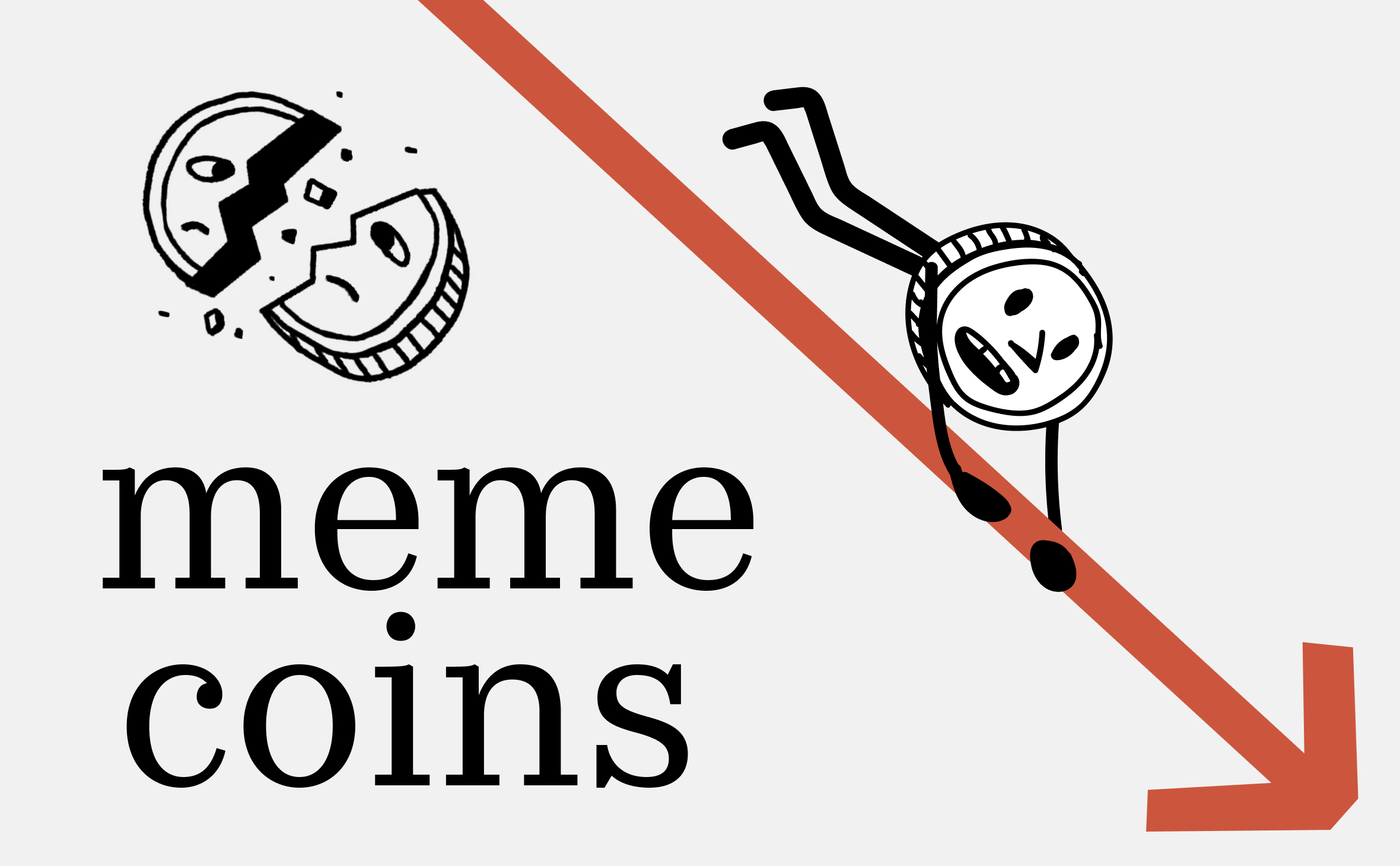
In 2025, the memecoin market capitalization plummeted by over $100 billion, according to a report by CoinGecko titled "2025 State of Memecoins." The decline began at the start of the year, coinciding with controversial token launches, including those of TRUMP, supported by Donald Trump's team, and LIBRA, which was promoted using the image of Argentine President Javier Milei without consent. The total market cap of memecoins had surged to a record $150 billion at the beginning of 2025, tripling the previous peak from the 2021 crypto bull run. This growth was fueled by platforms like Pump.fun, which facilitated the daily launch of thousands of new tokens. Dozens of these memecoins were even listed on major exchanges, including Binance and the typically cautious U.S.-based Coinbase. However, from the end of January and throughout the year, the sector's combined capitalization fell sharply, dropping to $47.2 billion by November. The report notes that despite the emergence of thousands of new tokens, the majority of the market's value remains concentrated in the "old guard" of memecoins: DOGE, SHIB, and PEPE. The report also highlights the "dark side" of the memecoin ecosystem, detailing prevalent fraudulent schemes such as "rug pulls" (sudden liquidity withdrawal), "sniping" (bot-driven instant token buys at launch), "bandling" (creating fake buy pressure), fake copies of popular tokens, and "honeypots" (tokens that become unsellable after purchase). The launch of the TRUMP token is identified as a pivotal event after which the market began its almost continuous downward trajectory.

RBK-cryptoHace 12 min(s)

Memecoin Market Cap Plunges by $100 Billion in 2025, CoinGecko Report

RBK-cryptoHace 12 min(s)

How Are Stablecoins Evolving from Crypto Assets to New Payment Infrastructure?

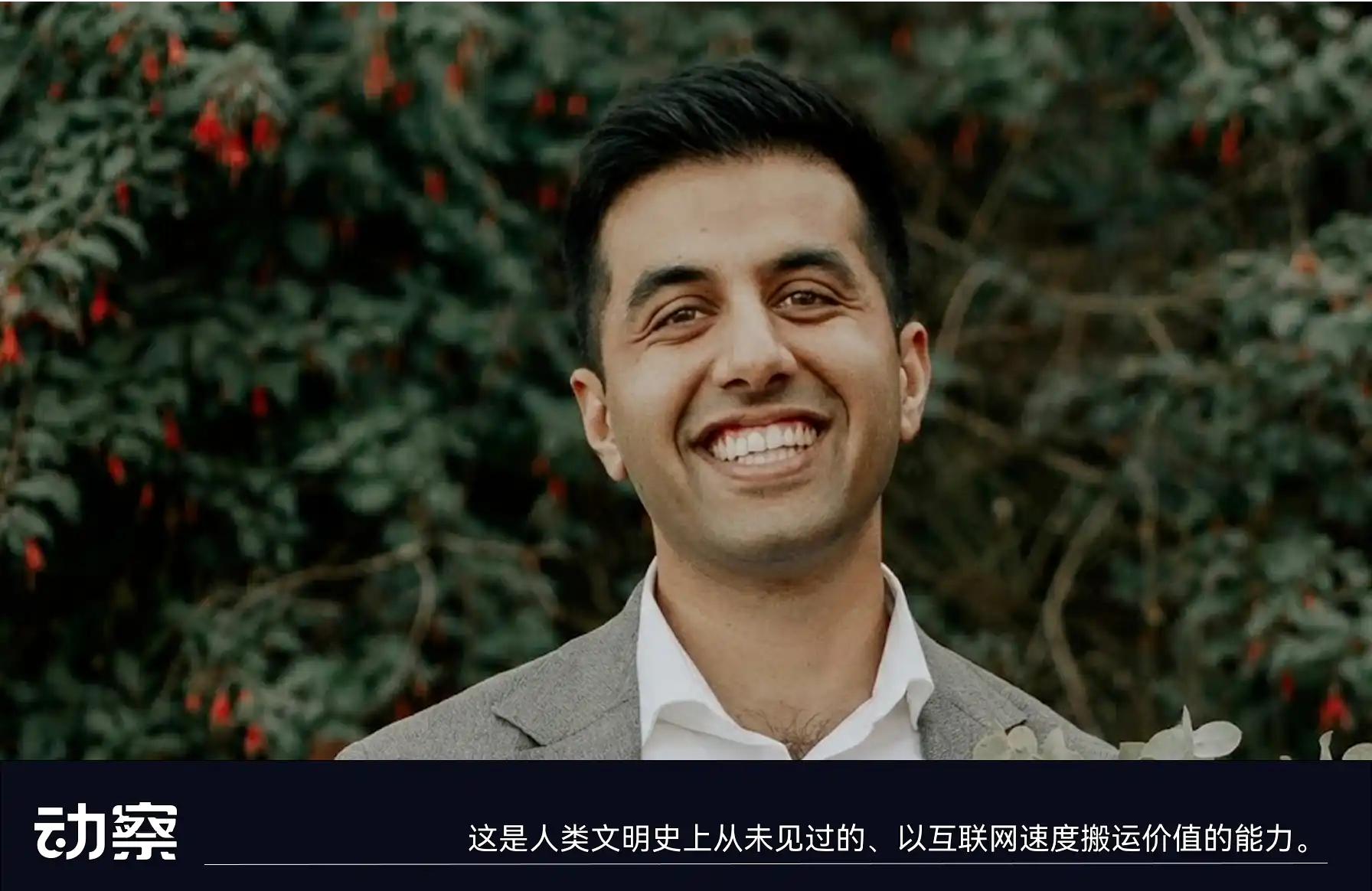
"Stablecoins: From Crypto Assets to the Infrastructure of Next-Generation Payments" The article explores the evolution of stablecoins, tracing their journey from speculative crypto assets to foundational infrastructure for global payments. The narrative is framed through the experience of Raj Parekh, former head of Visa's cryptocurrency division and now leading payments at Monad. The pivotal moment was Facebook's 2019 Libra project, which forced traditional finance to seriously consider crypto. At Visa, Parekh's team pioneered using USDC on Ethereum for settlements, solving major inefficiencies like the slow, costly T+2 settlement cycles and the need for large pre-funded accounts. A key insight was that while the technology was powerful, the underlying infrastructure was immature. Parekh left to found Portal Finance, aiming to abstract away blockchain's complexity for developers. However, he encountered a fundamental bottleneck: the need for a high-performance, EVM-compatible chain to make payments truly viable at scale. This led to Portal's acquisition by Monad Foundation. The article highlights a major shift in stablecoin business models. Early issuers like Tether and Circle profited from the interest on reserve assets. Newer models, accelerated by legislation like the GENIUS Act, are passing this yield directly to users, creating a new financial primitive: money that earns interest even while being transacted. This infrastructure enables a new era of global fintech, allowing companies to build for a worldwide audience from day one, unlike traditional banks limited by geography. The future excites Parekh most in two areas: the convergence of AI Agents with high-frequency finance for microsecond transactions, and the fusion of investment and payment accounts into a single, abstracted user experience. The ultimate goal is a future where value moves at the speed of the internet, as seamlessly as sending an email, completely invisible to the end-user.

比推Hace 53 min(s)

How Are Stablecoins Evolving from Crypto Assets to New Payment Infrastructure?

比推Hace 53 min(s)

Trading

Spot
Futures
活动图片