“OpenSea漏洞事件”导致大量NFT被窃取,多方分析疑为网络钓鱼攻击

巴比特Published on 2022-02-20Last updated on 2022-02-20

Abstract

2月20日上午,“OpenSea新迁移合约疑似出现bug导致大量高价值NFT被窃取”一事引发热议。

2月20日上午,“OpenSea新迁移合约疑似出现bug导致大量高价值NFT被窃取”一事引发热议。

据多个推特KOL反映称,该事件起因是OpenSea昨日推出的新迁移合约(地址:0xa2c0946aD444DCCf990394C5cBe019a858A945bD)疑似出现bug,攻击者(地址:0x3e0defb880cd8e163bad68abe66437f99a7a8a74)利用该bug窃取大量NFT并卖出套利,失窃NFT涵盖BAYC、BAKC、MAYC、Azuki、Cool Cats、Doodles、Mfers等多种高价值系列。

推特KOL“Jon_HQ”推文中指出,攻击者总共花费了750美元的gas费,没有支付ETH购买,但获得了4个Azukis、2个Coolmans、2个Doodles、2个KaijuKings、1个MAYC、1个Cool Cat、1个BAYC……
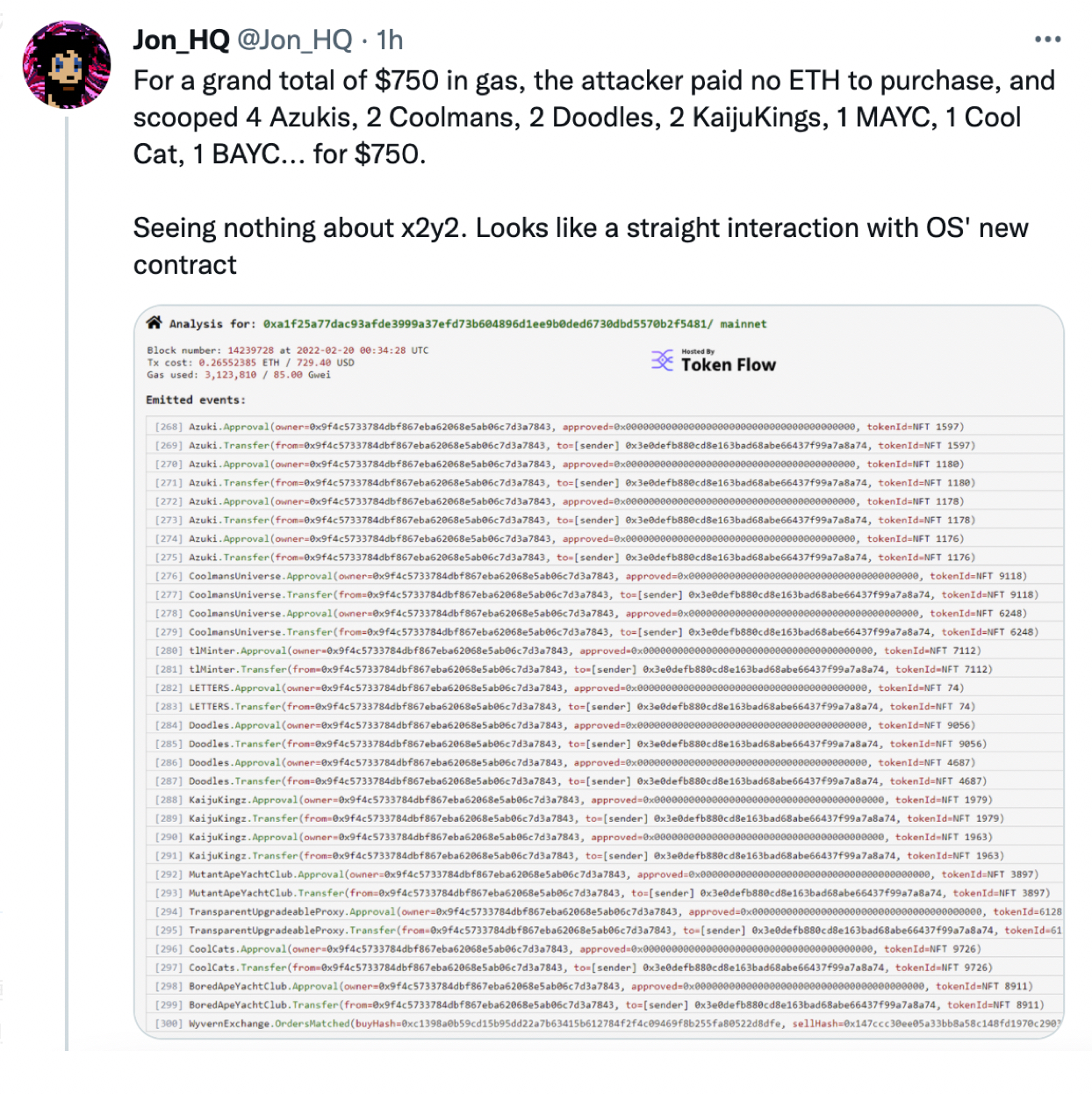
Mr. Whale也在推特上表示,Opensea“漏洞”可以允许用户出售、窃取任何用户的任何NFT,损失已超过2亿美元。

新迁移合约,是OpenSea发布的一项新升级。昨日,OpenSea宣布其智能合约升级已完成,新的智能合约已经上线,用户迁移智能合约需签署挂单迁移请求,签署此请求不需要Gas费,无需重新进行NFT审批或初始化钱包。在迁移期间,旧智能合约上的报价将失效。英式拍卖将于合约升级完成后暂时禁用几个小时,新合约生效后,可以再次创建新的定时拍卖。现有智能合约的荷兰式拍卖将于北京时间2月26日3时在迁移期结束时到期。

随后,gmDAO创始人Cyphr.ETH发推称‌,黑客使用了标准网络钓鱼电子邮件复制了几天前发生的“正版OpenSea”电子邮件,然后让一些用户使用WyvernExchange签署权限。OpenSea未出现漏洞,只是人们没有像往常一样阅读签名权限。

安全公司PeckShield也表示,虽然未经证实,但Opensea黑客很可能是网络钓鱼。用户按照网络钓鱼邮件中的指示授权“迁移”,而这种授权很不幸地允许黑客窃取有价值的NFTs……

以太坊智能合约编程语言Solidity的开发者foobar则表示,黑客使用30天前部署的一个助手合约,调用4年前部署的一个操作系统合约,使用有效的atomicMatch() 数据。这可能是几个星期前的典型网络钓鱼攻击。而不是智能合约漏洞,代码是安全的。

截止目前,OpenSea官方已针对此事展开调查,并发布推特回应称:“我们正在积极调查与OpenSea智能合约有关的传闻。这看起来像是来自OpenSea网站外部的网络钓鱼攻击。不要点击http://opensea.io之外的任何链接。”
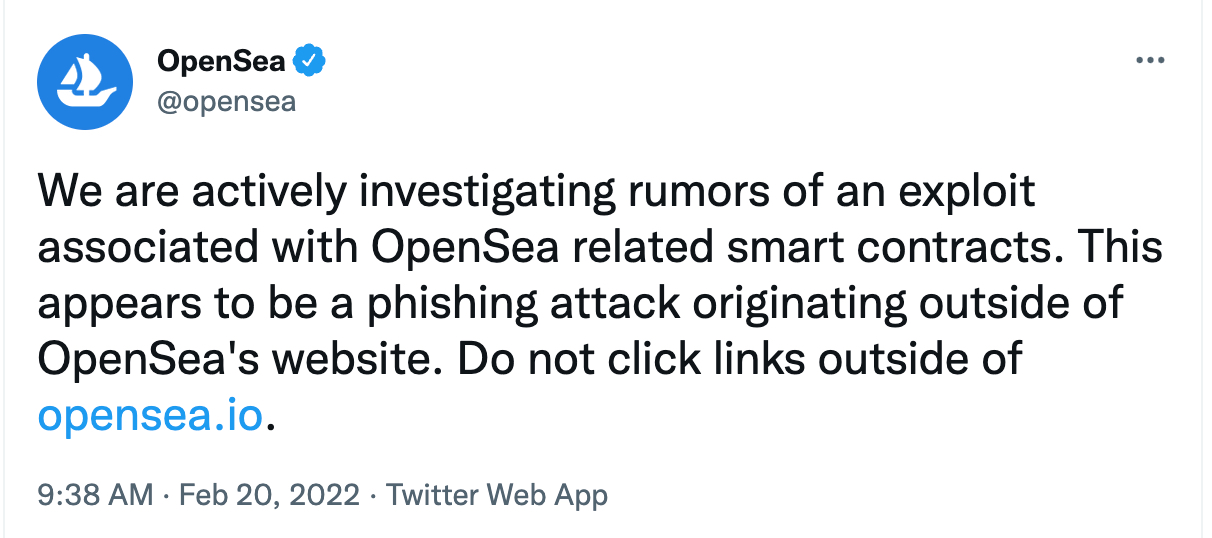
根据多位推特KOL和官方声明,本次安全事件原因大概是外部网络钓鱼攻击所致。但是也出现了一些不同的声音。

OracleHawk首席执行官在推特上发了一张代码截图并认为:“OpenSea现在撒谎并声称该漏洞实际上只是人们收到的网络钓鱼电子邮件。这100%不是真的,而是他们代码中的一个缺陷导致了历史上最大的NFT漏洞利用之一。”

此次漏洞事件最终原因是什么,仍需等待OpenSea的调查结果。

Related Reads

Where Will the Money for the Next Bull Market Come From?

Where Will the Money for the Next Crypto Bull Run Come From? Bitcoin's sharp decline from $126,000 to $90,000 has caused panic and a liquidity crunch. However, structural tailwinds are emerging: the SEC plans an "Innovation Exemption" rule, the Fed is expected to begin a rate-cutting cycle, and global institutional pathways are maturing. The myth of Digital Asset Treasuries (DATs) is fading. Their buying power is insufficient (under 5% of the crypto market) and they can become net sellers during downturns. The real catalysts are institutional. The end of Fed quantitative tightening and potential rate cuts could inject liquidity. A crypto-friendly Fed leadership could further open the banking system to crypto. The SEC's shifting stance, moving crypto from a "threat" to a regulated asset class, reduces compliance barriers. Three key pipelines could deliver the next wave of capital: 1. **Institutional Entry:** Global Bitcoin and Ethereum ETFs provide a standardized entry point. Mature custody and settlement infrastructure (e.g., from BNY Mellon) enables efficient capital deployment. Even a 1-3% allocation from pensions and sovereign wealth funds would represent trillions. 2. **Real-World Assets (RWA):** Tokenizing traditional assets (bonds, real estate) creates a bridge to TradFi. The RWA market, projected to grow 50x to multi-trillions by 2030, offers massive, stable, yield-bearing assets for DeFi (e.g., MakerDAO's use of U.S. Treasuries). 3. **Infrastructure Upgrades:** Layer 2 solutions reduce costs and speed up transactions for institutional use. Stablecoins, with a $166B market cap and $4T in on-chain volume, have become a pillar for compliant, efficient settlements. The money is expected to arrive in phases: a short-term policy-driven rebound (2025-2026), followed by gradual institutional allocation (2026-2027), and finally long-term structural growth powered by RWA integration (2027-2030). The next bull run will be built not on retail speculation, but on institutional trust and infrastructure.

深潮2m ago

Where Will the Money for the Next Bull Market Come From?

深潮2m ago

Trading

Spot
Futures
活动图片